Artwork
明 十竹齋書畫譜 四開|Leaf from the Ten Bamboo Studio Manual of Painting and Calligraphy
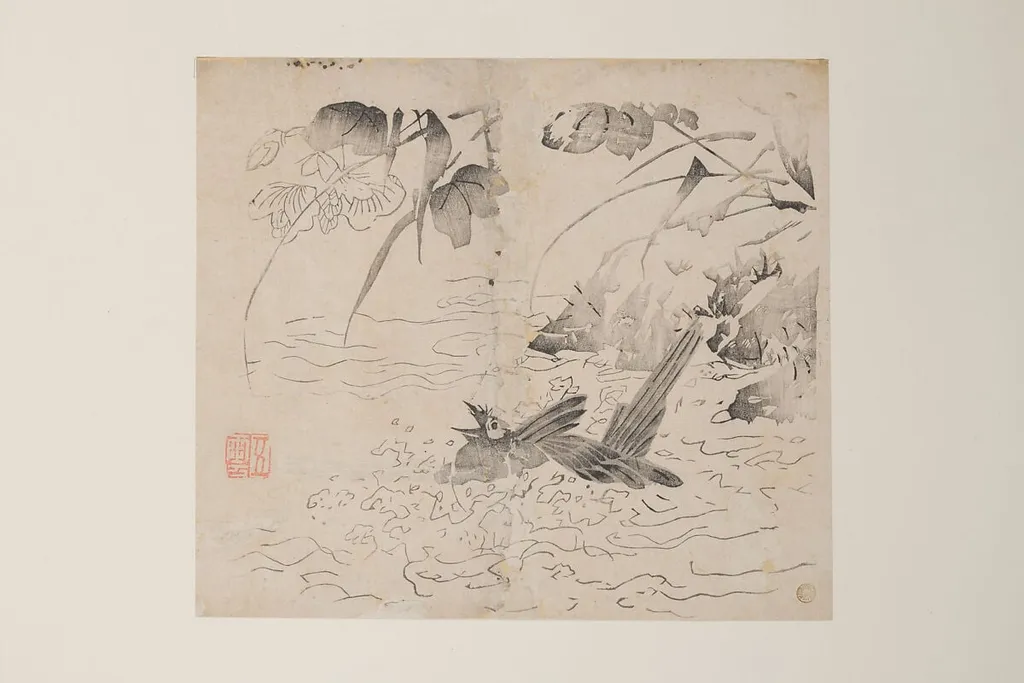
明 十竹齋書畫譜 四開|Leaf from the Ten Bamboo Studio Manual of Painting and Calligraphy is an ink print by the Baroque artist Unknown. It dates from 1633 and is held in the collection of the Metropolitan Museum of Art. This leaf originates from the Ten Bamboo Studio Manual of Painting and Calligraphy, a printed album produced in Ming-dynasty China.
About this work
Overview
This leaf originates from the Ten Bamboo Studio Manual of Painting and Calligraphy, a printed album produced in Ming-dynasty China.
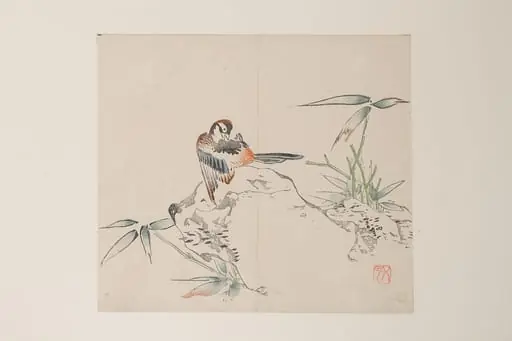
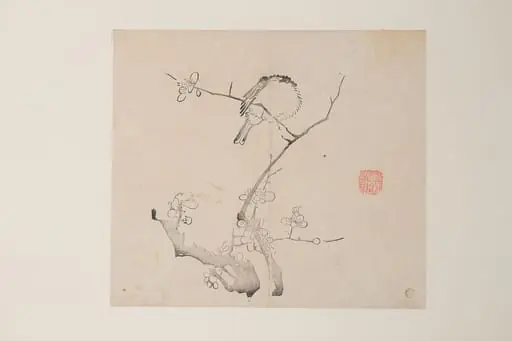
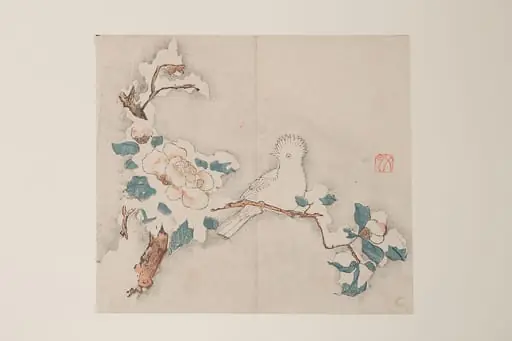
This leaf originates from the Ten Bamboo Studio Manual of Painting and Calligraphy, a printed album produced in Ming-dynasty China. Each page presents a paired composition of botanical and avian subjects, intended as instructional models for aspiring artists. Rendered in ink and subtle color on paper, the design balances simplicity with precision, reflecting the album’s pedagogical purpose rather than decorative intent.
Subject & Meaning
The left panel depicts a flowering plant with broad leaves and clustered blooms, while the right shows a bird perched beside water amid reeds. Together, they represent natural elements valued in literati culture for their symbolic harmony and seasonal resonance. These motifs were not merely ornamental but served as studied subjects for cultivating observational skill and expressive restraint in brushwork.
Technique & Style
The artist employed fine, controlled ink lines to define form, with light washes of color adding subtle tonal variation. Shading is achieved through delicate cross-hatching and graduated ink density, creating a sense of volume without heavy modeling. The composition avoids dramatic contrast, favoring quiet balance and clarity—hallmarks of scholarly print traditions aimed at teaching rather than impressing.
History & Provenance
Produced around 1633 by Hu Zhengyan in Nanjing, the Ten Bamboo Studio Manual was among the earliest color-printed art manuals in China. Each leaf was hand-colored after woodblock printing, a labor-intensive process that elevated printed art to a refined medium. Surviving leaves like this one are rare, as the albums were often disbound and pages dispersed over time.
Context
The manual emerged during a period when scholarly artists sought to systematize traditional brush techniques for wider transmission. Unlike commercial illustrations, it was designed for study, reflecting the Ming elite’s emphasis on self-cultivation through art. Its publication coincided with advances in woodblock printing, enabling the dissemination of aesthetic standards beyond elite circles.
Legacy
The Ten Bamboo Studio Manual influenced later East Asian art education by establishing a model for integrating text, image, and technique in printed form. Its emphasis on natural observation and controlled brushwork became foundational in artistic training. Surviving leaves remain important artifacts for understanding the intersection of print technology and artistic pedagogy in early modern China.
Artist & collection

 Domestic Scene
 Giacomo and Cardinal Marco, investing Andrea, Abbot of San Zeno, with his Benefice
 The Nymph of Fontainebleau
 Portrait of a Woman
 Madonna and Child with Saints in the Enclosed Garden
 Venus and Minerva
 Family Group of Four on Sofa
 Wall painting from Room H of the Villa of P. Fannius Synistor at Boscoreale
 明 十竹齋書畫譜 四開|Leaf from the Ten Bamboo Studio Manual of Painting and Calligraphy
 明 十竹齋書畫譜 四開|Leaf from the Ten Bamboo Studio Manual of Painting and Calligraphy
 明 十竹齋書畫譜 四開|Leaf from the Ten Bamboo Studio Manual of Painting and Calligraphy
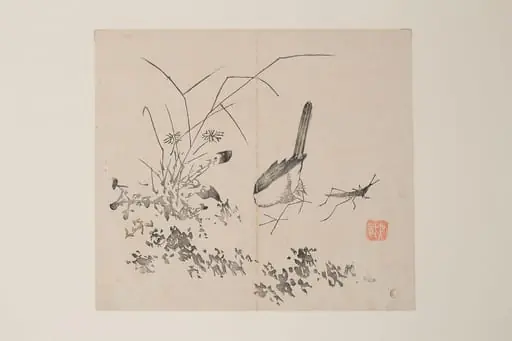 明 十竹齋書畫譜 四開|Leaf from the Ten Bamboo Studio Manual of Painting and Calligraphy
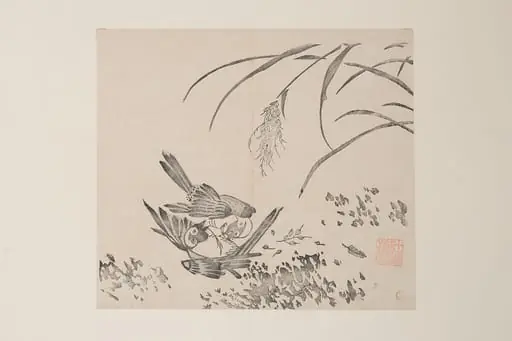 明 十竹齋書畫譜 四開|Leaf from the Ten Bamboo Studio Manual of Painting and Calligraphy
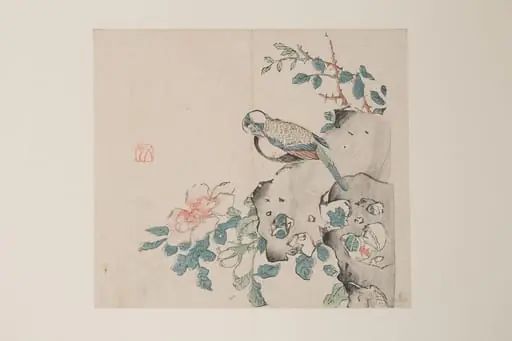 明 十竹齋書畫譜 四開|Leaf from the Ten Bamboo Studio Manual of Painting and Calligraphy
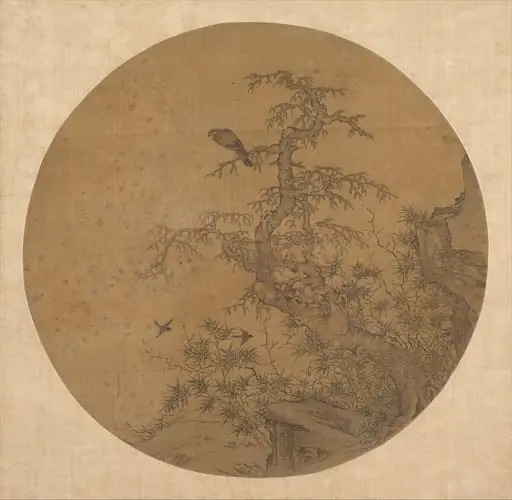 元/明 佚名 古木竹禽圖 團扇|Old Tree, Bamboo, and Birds