Artwork
Lion
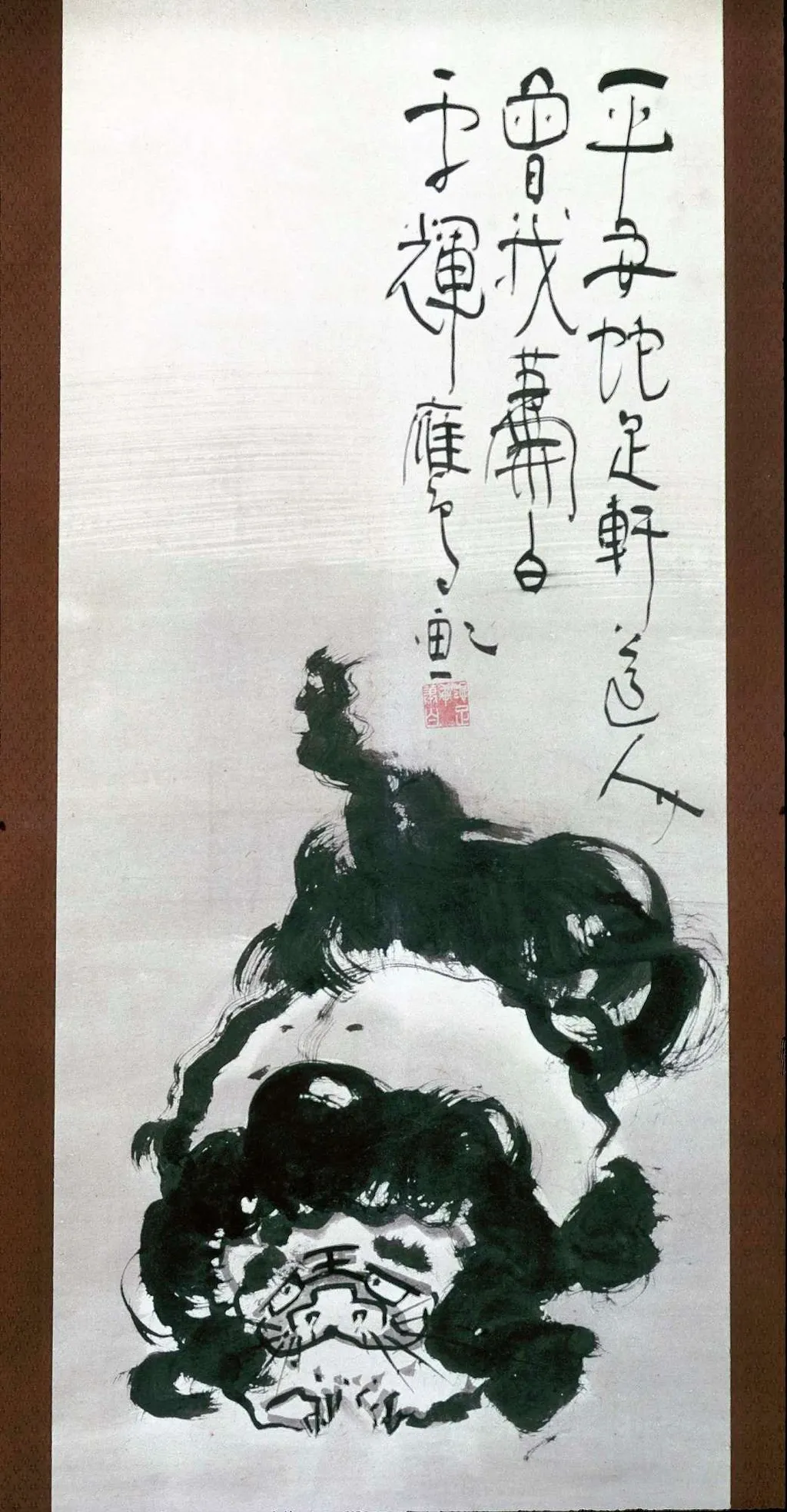
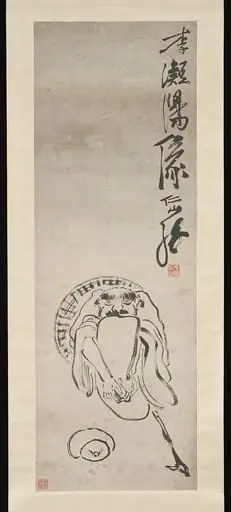
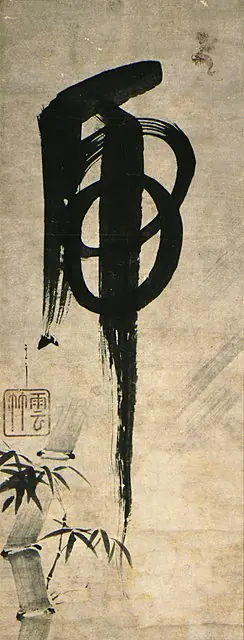
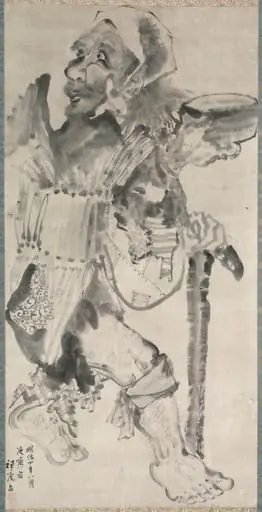
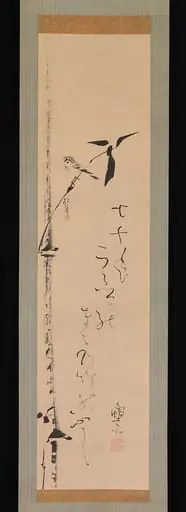
Lion is an unspecified painting by Unknown. It dates from 1850 and is held in the collection of the Detroit Institute of Arts.
About this work
Overview
The effect is one of quiet intensity, achieved through deliberate contrasts between shadow and light, suggesting a study in presence rather than narrative.
This painting depicts a lion’s head rendered in dark tones against a pale background. The composition focuses tightly on the animal’s face, emphasizing its mane and downward gaze. Brushwork is direct and unadorned, with minimal detail and a restrained palette. The effect is one of quiet intensity, achieved through deliberate contrasts between shadow and light, suggesting a study in presence rather than narrative.
Subject & Meaning
The lion, a traditional symbol of strength and authority, is portrayed without context or setting, stripping it of mythic or heraldic associations. Its lowered gaze conveys contemplation or vigilance rather than aggression. The absence of a body or environment invites focus on the animal’s expression, transforming it into a meditative study of power contained, not displayed.
Technique & Style
The artist employs bold, economical brushstrokes and a limited range of dark hues—browns, blacks, and grays—against a near-white ground. This creates a pronounced chiaroscuro effect, where light defines form through contrast rather than detail. The style avoids refinement, favoring immediacy and structural clarity, aligning with a tradition of direct, observational painting.
History & Provenance
The painting’s origin and early ownership are undocumented. It lacks signatures, dates, or inscriptions that might link it to a known artist or period. Its simple execution and lack of contextual markers suggest it may have been a preparatory study, a personal exercise, or a work produced outside mainstream artistic circles of its time.
Context
In the broader history of animal portraiture, this work diverges from idealized or decorative depictions common in royal or colonial art. Instead, it aligns with quieter, introspective traditions that treat animals as subjects of psychological weight. Its minimalism reflects a shift toward modernist simplification, even if created before such movements fully emerged.
Legacy
Though not widely exhibited or reproduced, the painting’s restrained approach has influenced later artists interested in emotional economy and tonal contrast. Its focus on the animal’s gaze and the interplay of light and shadow continues to resonate in contemporary figurative studies that prioritize mood over spectacle.
Artist & collection

 Domestic Scene
 Giacomo and Cardinal Marco, investing Andrea, Abbot of San Zeno, with his Benefice
 The Nymph of Fontainebleau
 Portrait of a Woman
 Madonna and Child with Saints in the Enclosed Garden
 Venus and Minerva
 Family Group of Four on Sofa
 Wall painting from Room H of the Villa of P. Fannius Synistor at Boscoreale