Artwork
Liszt
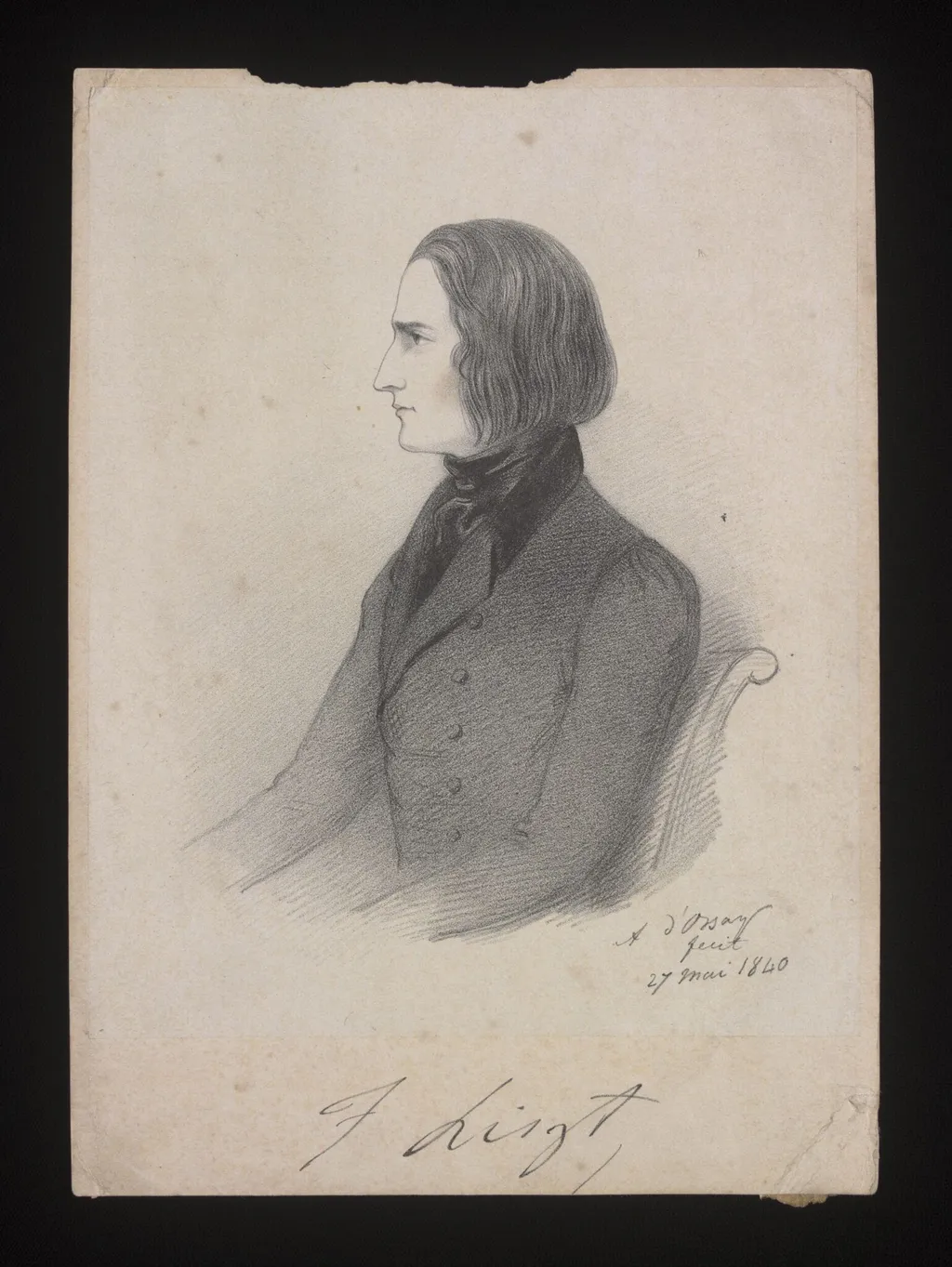
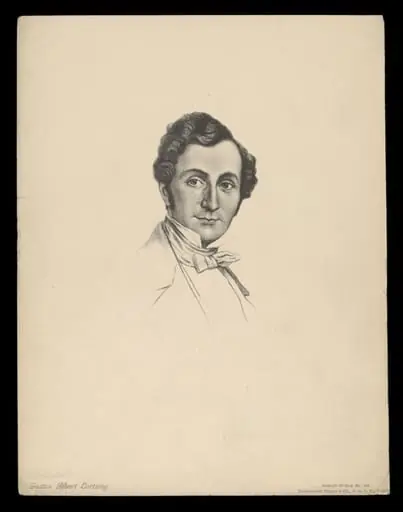
Liszt is a print by the Romanticist artist Unknown. It dates from 1840 and is held in the collection of the Victoria and Albert Museum.
About this work
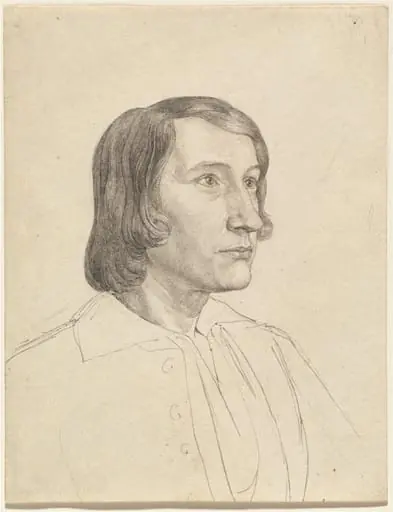
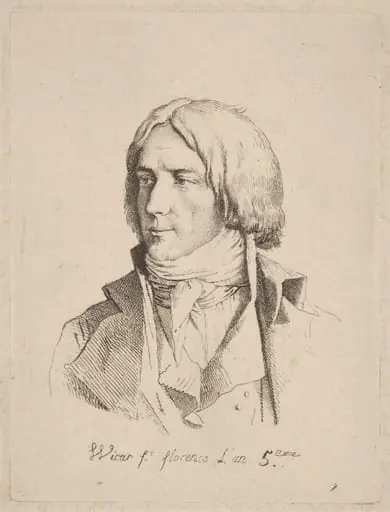
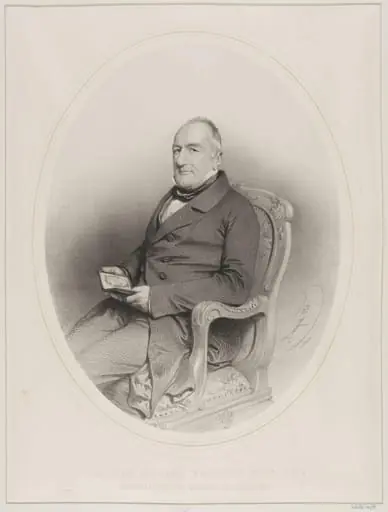
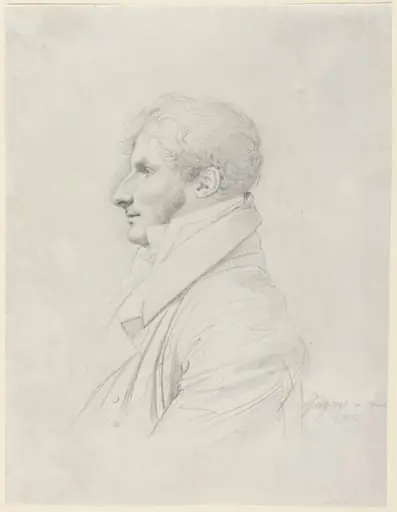
This print shows Franz Liszt, a famous musician.
It's an old portrait from around 1840.
The artist included a signature, which is a nice touch - it's dated 27 May 1840, and it's part of the Harry Beard Collection, which suggests it was owned by someone who appreciated music or art.
You can learn more about this kind of print at the museum: Victoria and Albert Museum.
Overview
The work is held by the Victoria and Albert Museum, where it contributes to a broader archive of 19th-century musical portraiture.
A portrait print of Franz Liszt, dated 27 May 1840, resides in the Harry Beard Collection. Created as a reproductive print, it captures the composer during an early phase of his public career. The signature and date suggest the artist’s direct involvement, possibly indicating a personal or commemorative intent. The work is held by the Victoria and Albert Museum, where it contributes to a broader archive of 19th-century musical portraiture.
Subject & Meaning
The image presents Liszt as a celebrated pianist and cultural figure, likely intended for distribution among admirers. His posture and attire reflect the romantic ideal of the artist as a charismatic genius. The inclusion of a specific date may mark a performance, tour, or personal milestone, grounding the portrait in a moment of public recognition rather than abstract representation.
Technique & Style
Executed in print form, the work employs fine line work typical of engraved or lithographic methods of the period. The composition is formal, emphasizing facial expression and restrained detail to convey dignity. The artist’s signature, handwritten and dated, adds a tactile authenticity, distinguishing it from mass-produced imagery of the time.
History & Provenance
The print entered the Harry Beard Collection, a private assemblage of theatrical and musical memorabilia compiled in the late 19th and early 20th centuries. Beard’s interest in documenting performers suggests the print was valued as a historical artifact. It later passed to the Victoria and Albert Museum, where it remains part of a curated record of musical culture.
Context
In 1840, Liszt was at the height of his touring career, captivating audiences across Europe with his virtuosity. Portraits like this circulated widely, serving both as souvenirs and as tools of public image-making. The print reflects a growing market for celebrity imagery, where music and visual art intersected in the age of Romanticism.
Legacy
As part of a documented collection, the print preserves a tangible link to Liszt’s early fame and the visual culture surrounding 19th-century musicians. It contributes to scholarly understanding of how performers were represented and consumed by the public, offering insight into the material culture of musical fandom before photography became widespread.
Artist & collection

 Domestic Scene
 Giacomo and Cardinal Marco, investing Andrea, Abbot of San Zeno, with his Benefice
 The Nymph of Fontainebleau
 Portrait of a Woman
 Madonna and Child with Saints in the Enclosed Garden
 Venus and Minerva
 Family Group of Four on Sofa
 Wall painting from Room H of the Villa of P. Fannius Synistor at Boscoreale