Artwork
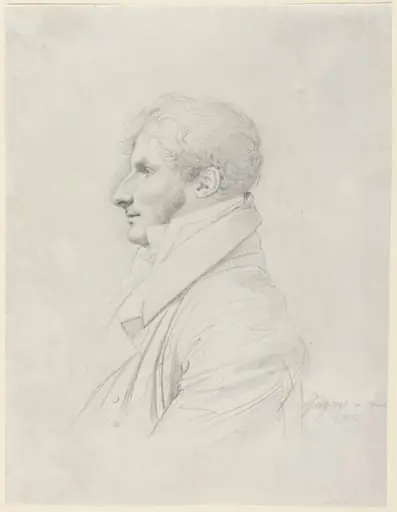
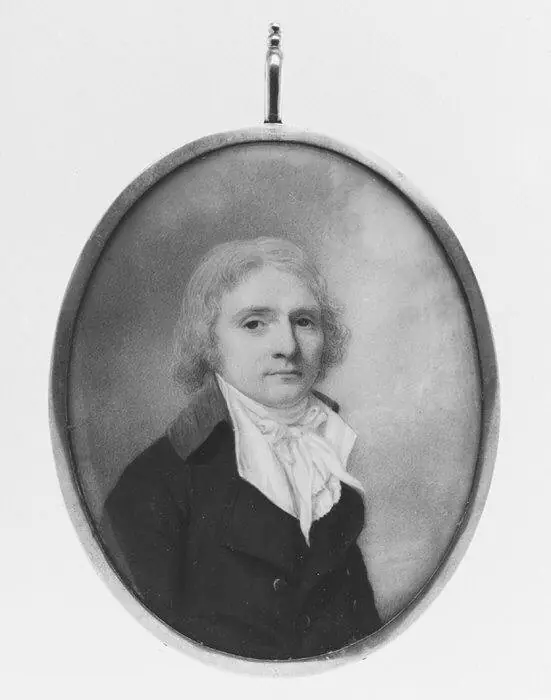
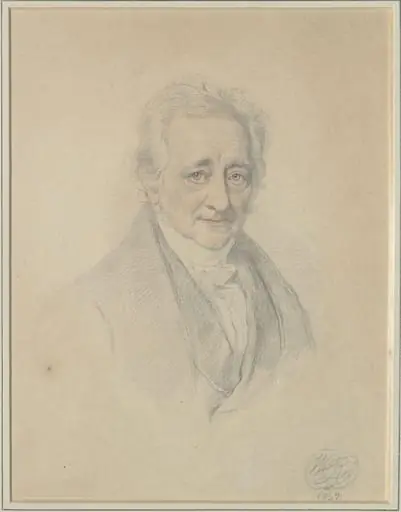
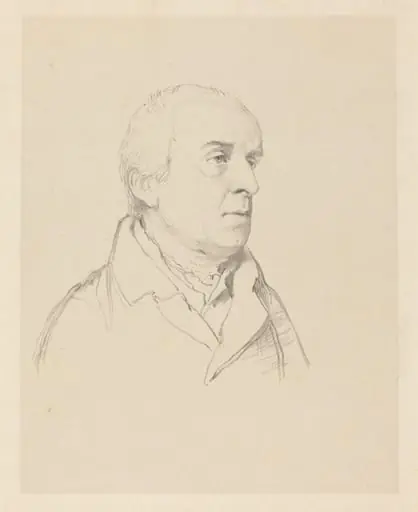
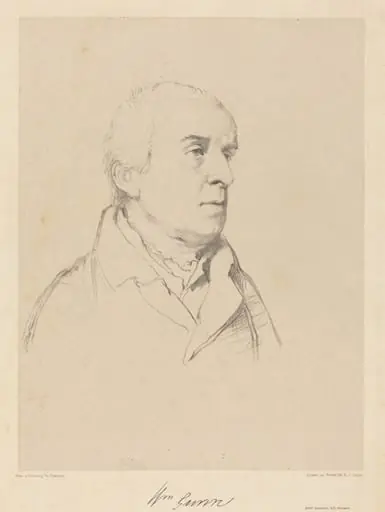
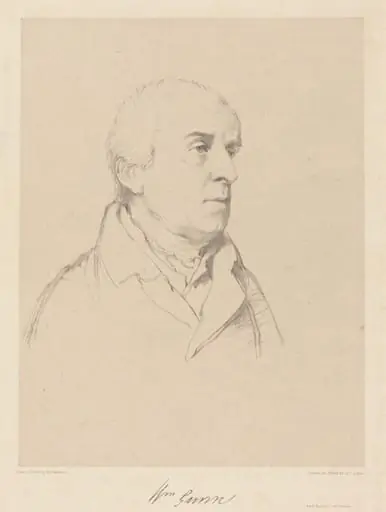
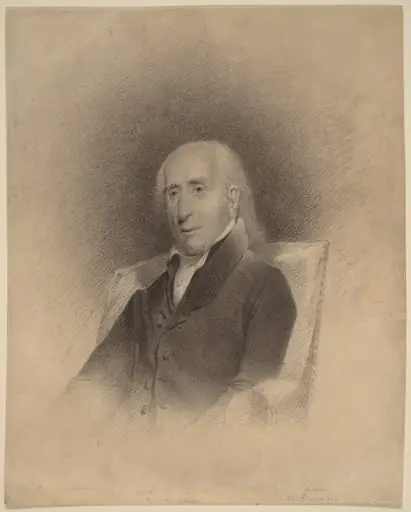
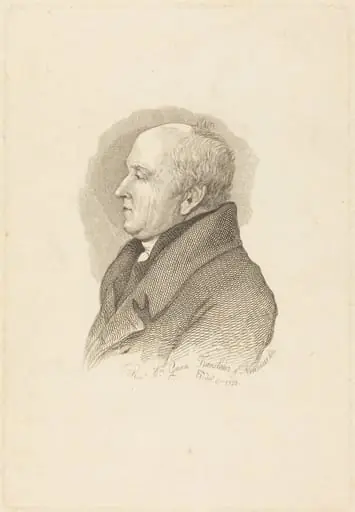
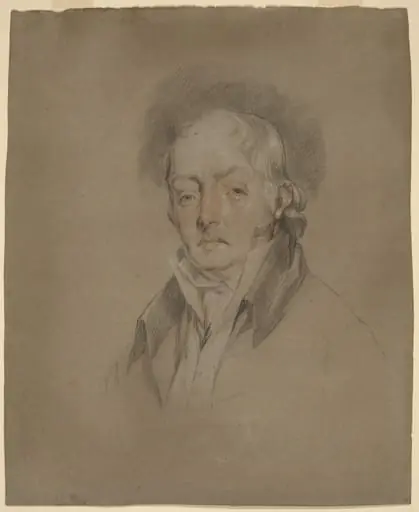
Portrait of a Man
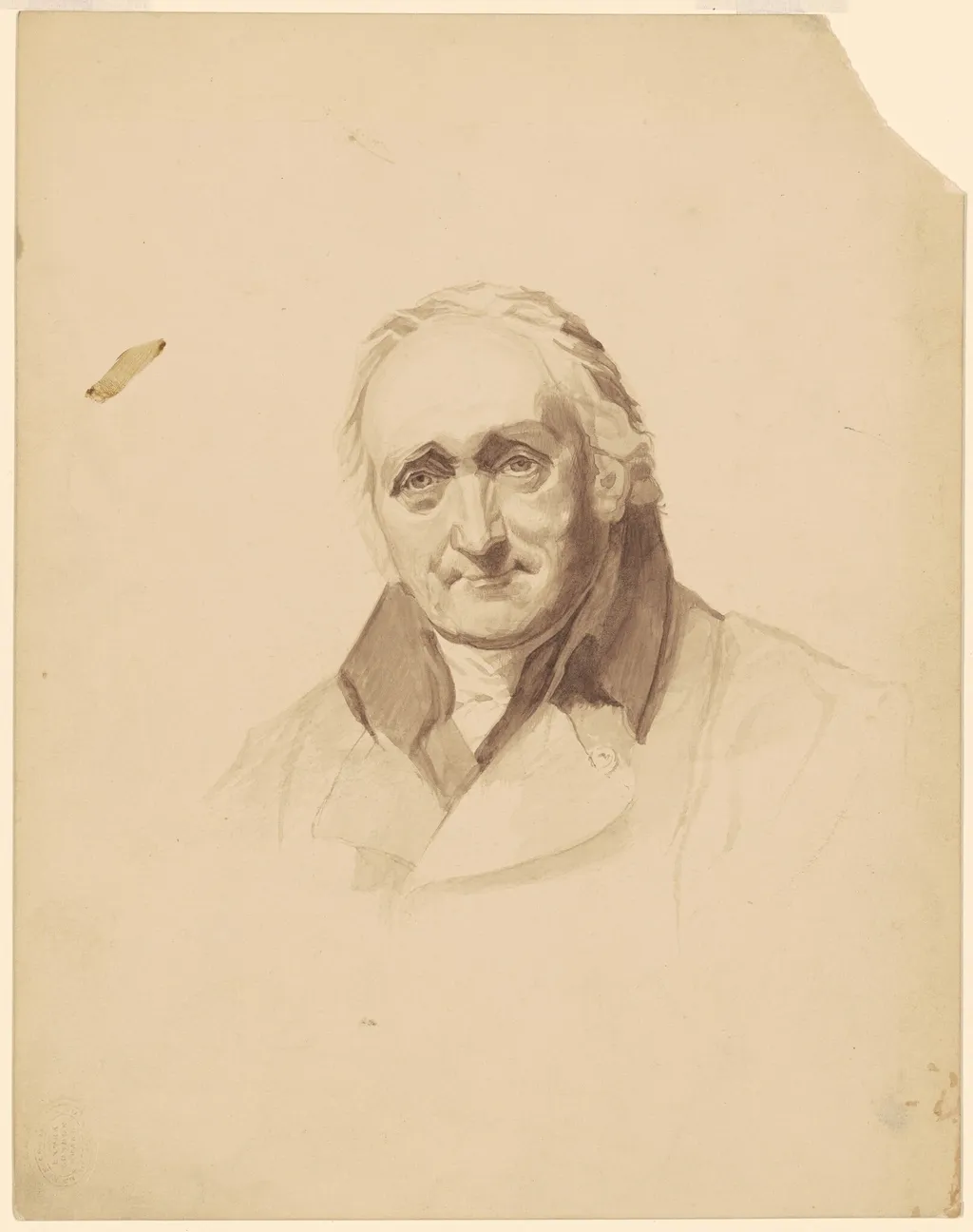
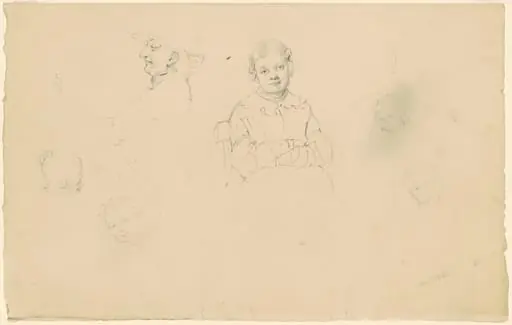
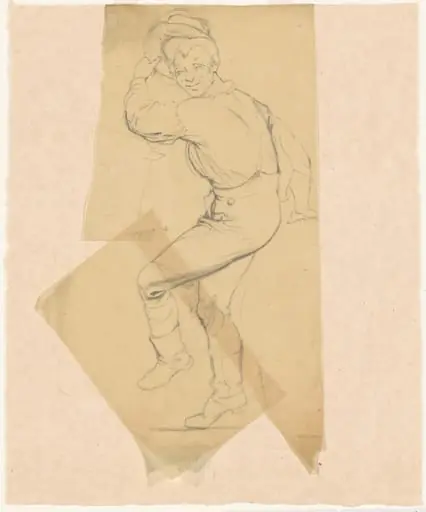
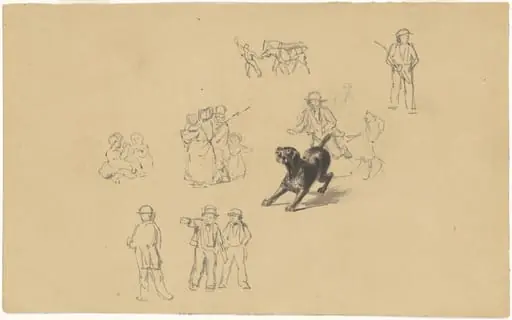
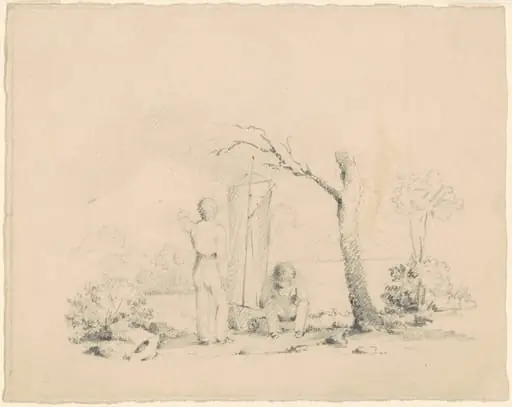
Portrait of a Man is an ink drawing by the Romanticist artist James Goodwyn Clonney. It dates from 1838 and is held in the collection of the National Gallery of Art.
About this work
Overview
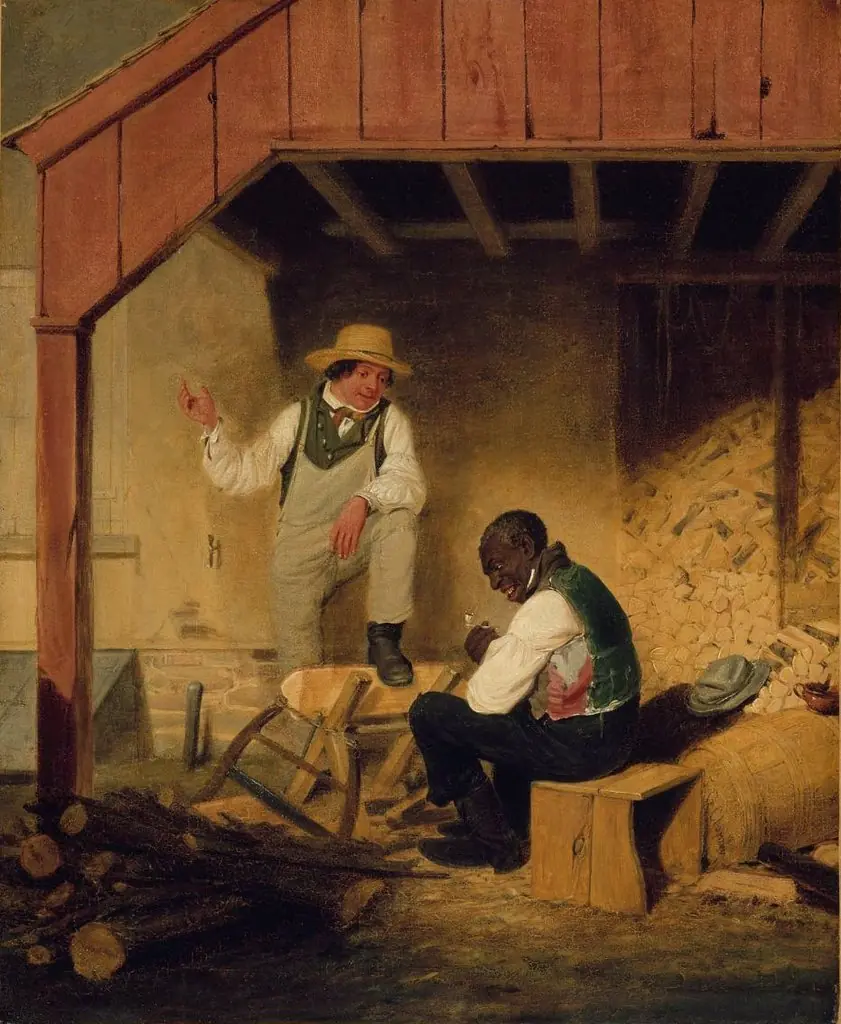
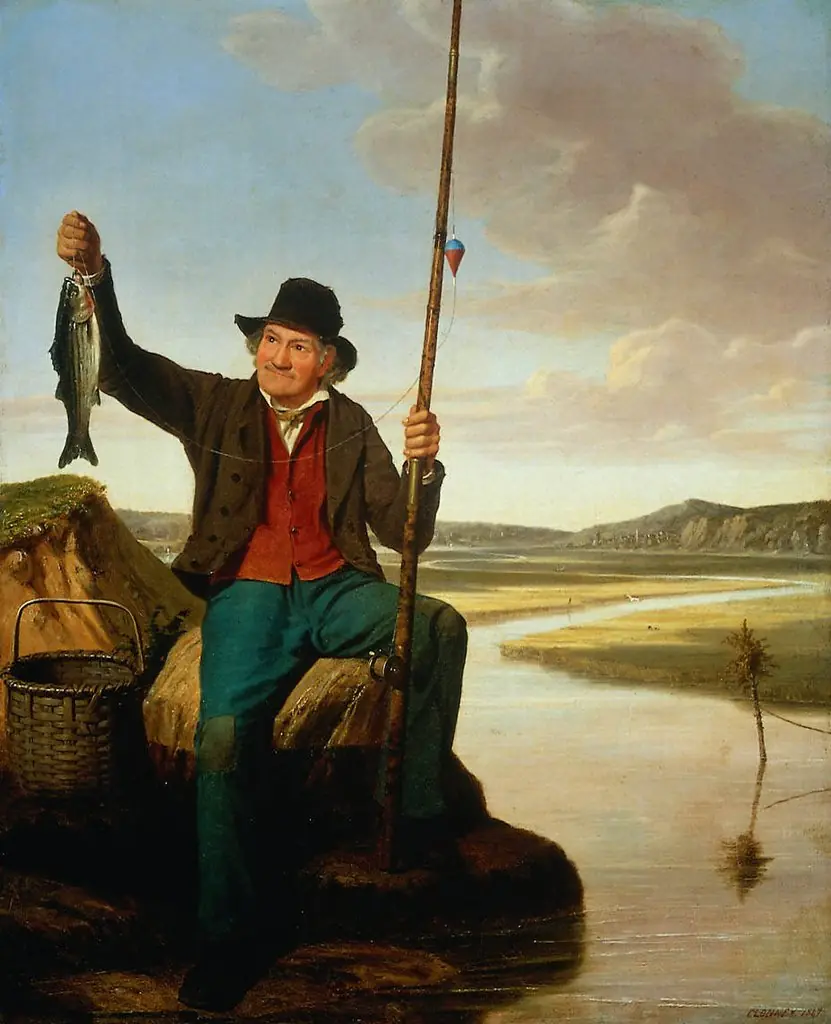
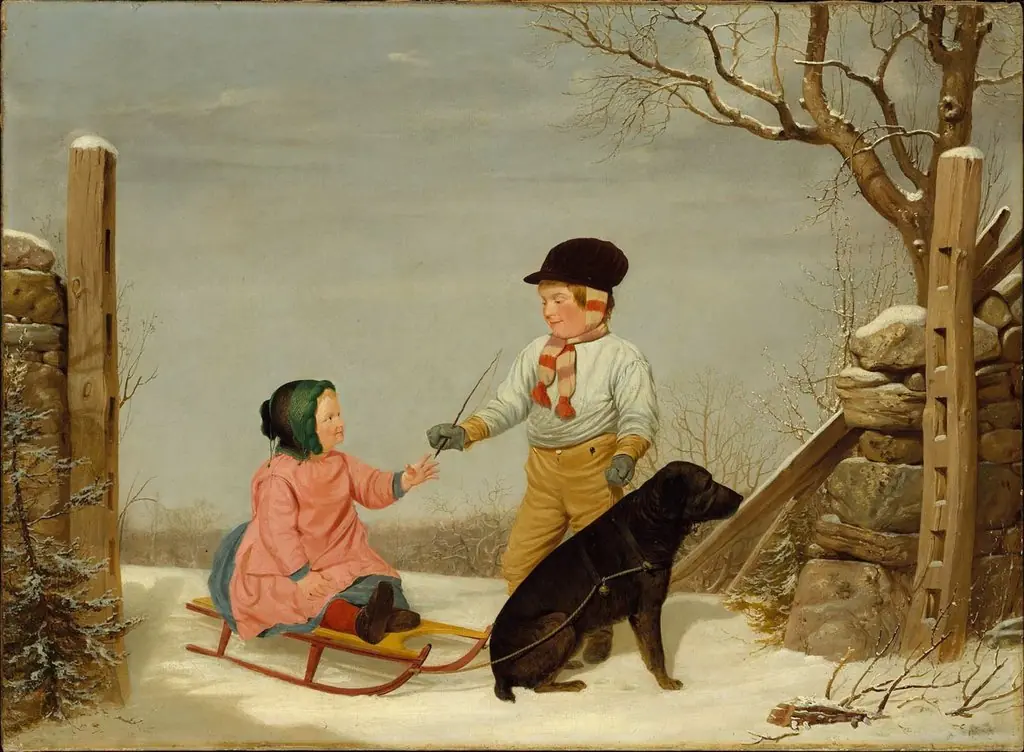
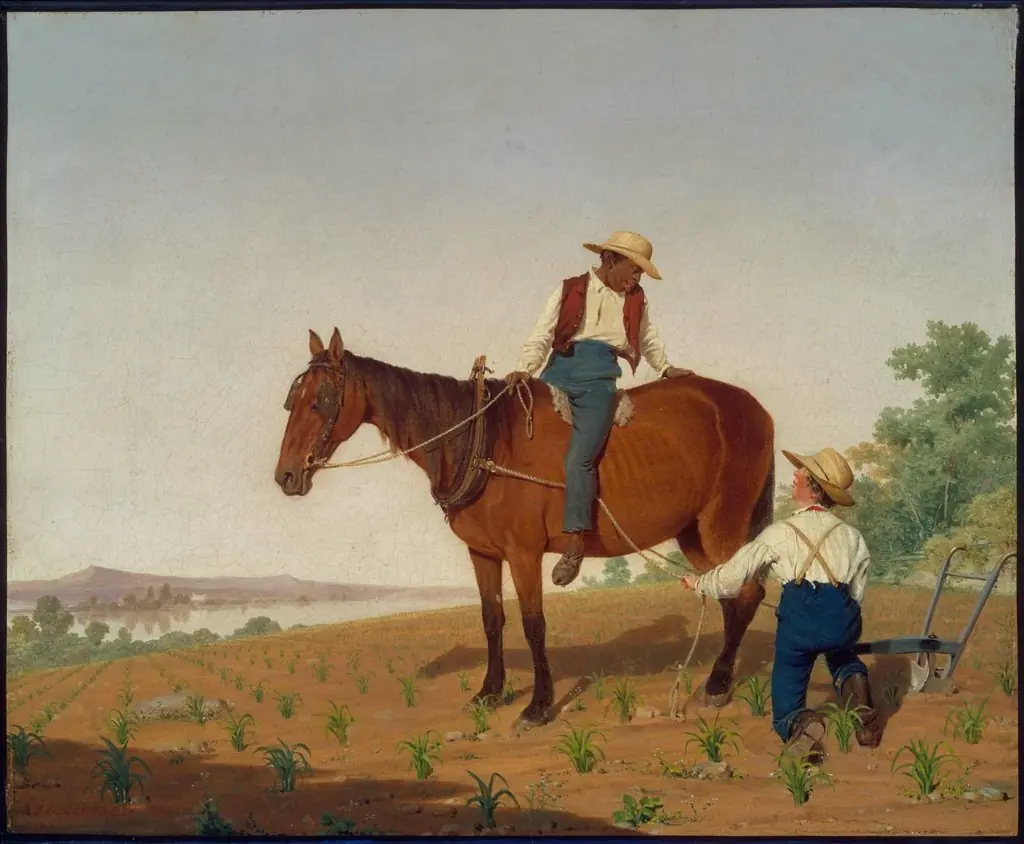
James Goodwyn Clonney, an English‑born artist who worked in the United States, produced the drawing *Portrait of a Man* circa 1838. Executed in brown ink wash on paperboard, the work belongs to his modestly sized oeuvre that often turned to ordinary people as subjects.
Subject & Meaning
The image presents a single male figure rendered with a focus on everyday presence rather than idealized heroism. Clonney’s interest in the nuances of daily life suggests an intent to capture the sitter’s character within a broader social context, a hallmark of his approach to portraiture.
Technique & Style
Using a brown ink wash, Clonney achieved tonal variation through layered washes and delicate line work, allowing subtle modeling of facial features and clothing. The paperboard support provides a sturdy surface for the fluid medium, while the restrained palette underscores the drawing’s quiet, observational tone.
History & Provenance
Created around 1838, the drawing reflects the period when Clonney was active in American art circles, producing works that combined genre scenes with occasional political nuance. While specific ownership records are limited, the piece remains representative of his early American output before his later focus on larger lithographic projects.
Artist & collection
Artist
James Goodwyn Clonney (28 December 1812, Liverpool (?) – 7 October 1867, Binghamton, NY) was an English-born American genre painter and lithographer.