Artwork
Lohans
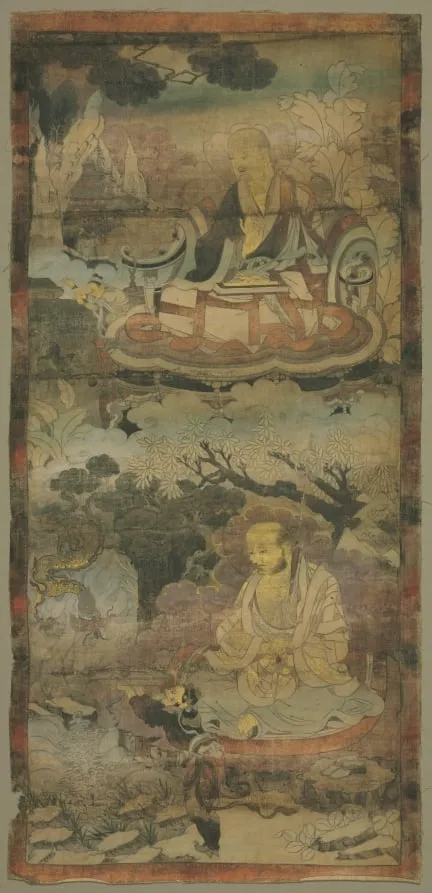
Lohans is an unspecified painting by the Ming dynasty painting artist Unknown. It dates from 1325 and is held in the collection of the Cleveland Museum of Art. This painting depicts a solitary figure seated in meditation within a serene mountain landscape.
About this work
Overview
The composition balances stillness and movement, earth and sky, reflecting themes of spiritual transcendence common in East Asian religious art.
This painting depicts a solitary figure seated in meditation within a serene mountain landscape. The figure, dressed in simple robes, holds a small object, suggesting contemplation or ritual. Above, a celestial platform hovers among clouds and birds, contrasting with the grounded earth below. The composition balances stillness and movement, earth and sky, reflecting themes of spiritual transcendence common in East Asian religious art.
Subject & Meaning
The central figure is likely a Lohan, one of the enlightened disciples of the Buddha revered in Chinese and Tibetan Buddhist traditions. Their calm posture and minimal attire signify detachment from worldly concerns. The floating platform above, occupied by another figure, may represent a higher spiritual state or celestial being. The natural elements—waterfall, rocks, trees—frame the scene as a sacred space, where inner peace and cosmic order converge.
Technique & Style
The painting employs delicate ink washes and subtle gradations to render mist, rock, and foliage. Lines are restrained, emphasizing atmosphere over detail. The celestial realm is suggested through soft, blurred forms and sparse brushwork, distinguishing it from the more defined terrestrial plane. This tonal contrast and spatial layering reflect traditional Chinese landscape conventions adapted to express Buddhist meditative ideals.
History & Provenance
The work originates from the Sino-Tibetan cultural sphere, likely produced between the 14th and 16th centuries, a period of active exchange between Chinese and Tibetan Buddhist communities. Its style aligns with monastic painting traditions, possibly created for devotional use in a temple or hermitage. No documented ownership history survives, but its preservation suggests it was valued within religious circles for its spiritual resonance.
Context
Lohan imagery flourished in East Asia as Buddhism integrated with Daoist and local folk beliefs. These figures were often depicted in nature, symbolizing withdrawal from society and pursuit of enlightenment. The inclusion of a celestial figure above reflects syncretic ideas, where earthly ascetics are connected to divine realms. Such paintings served both as aids to meditation and as visual teachings on impermanence and transcendence.
Legacy
This painting contributes to a broader tradition of Buddhist-inspired landscape art that influenced later East Asian aesthetics. Its quiet intensity and symbolic layering inspired monastic and literati painters across centuries. Though not widely known outside specialized collections, it remains a quiet example of how spiritual ideals were rendered through nature, shaping how contemplation and environment were visually understood in religious contexts.
Artist & collection

 Domestic Scene
 Giacomo and Cardinal Marco, investing Andrea, Abbot of San Zeno, with his Benefice
 The Nymph of Fontainebleau
 Portrait of a Woman
 Madonna and Child with Saints in the Enclosed Garden
 Venus and Minerva
 Family Group of Four on Sofa
 Wall painting from Room H of the Villa of P. Fannius Synistor at Boscoreale
 The White Path Between Two Rivers
 Shakyamuni with the Sixteen Benevolent Deities
 釈迦三尊十大弟子像|Shaka (Shakyamuni), the Historical Buddha, with Two Attendant Bodhisattvas and the Ten Great Disciples
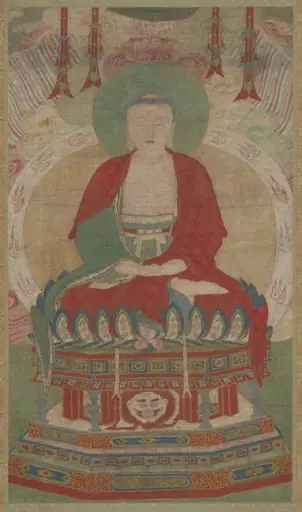 Seated Amitābha
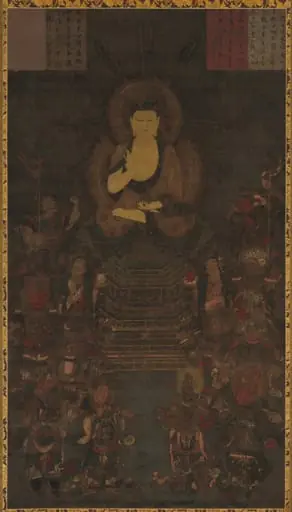 Medicine Master Buddha and the Twelve Divine Generals
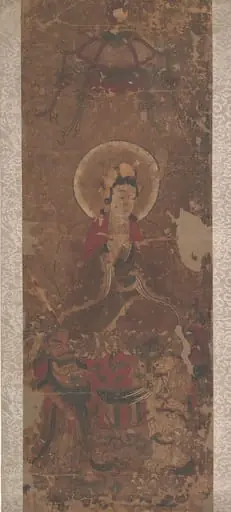 Untitled
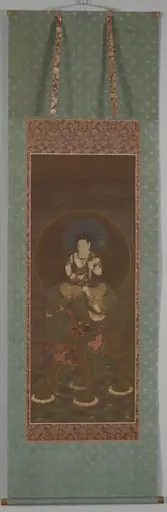 Monju with Five Hair Knots
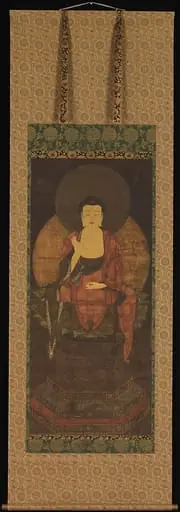 釈迦如来像|Shaka Nyorai
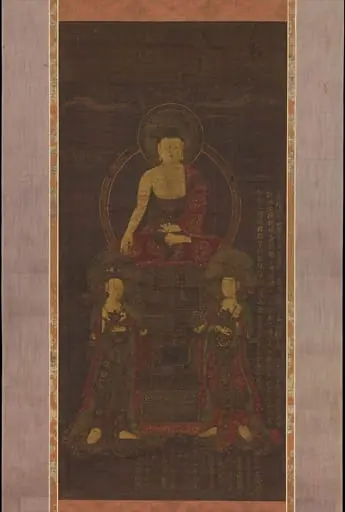 석가삼존도 조선|釋迦三尊圖 朝鮮|Shakyamuni triad
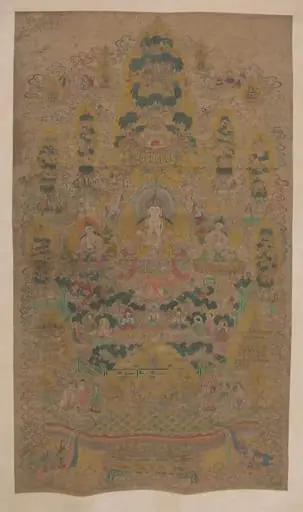 Untitled