Artwork
Madhu-madhavi ragini
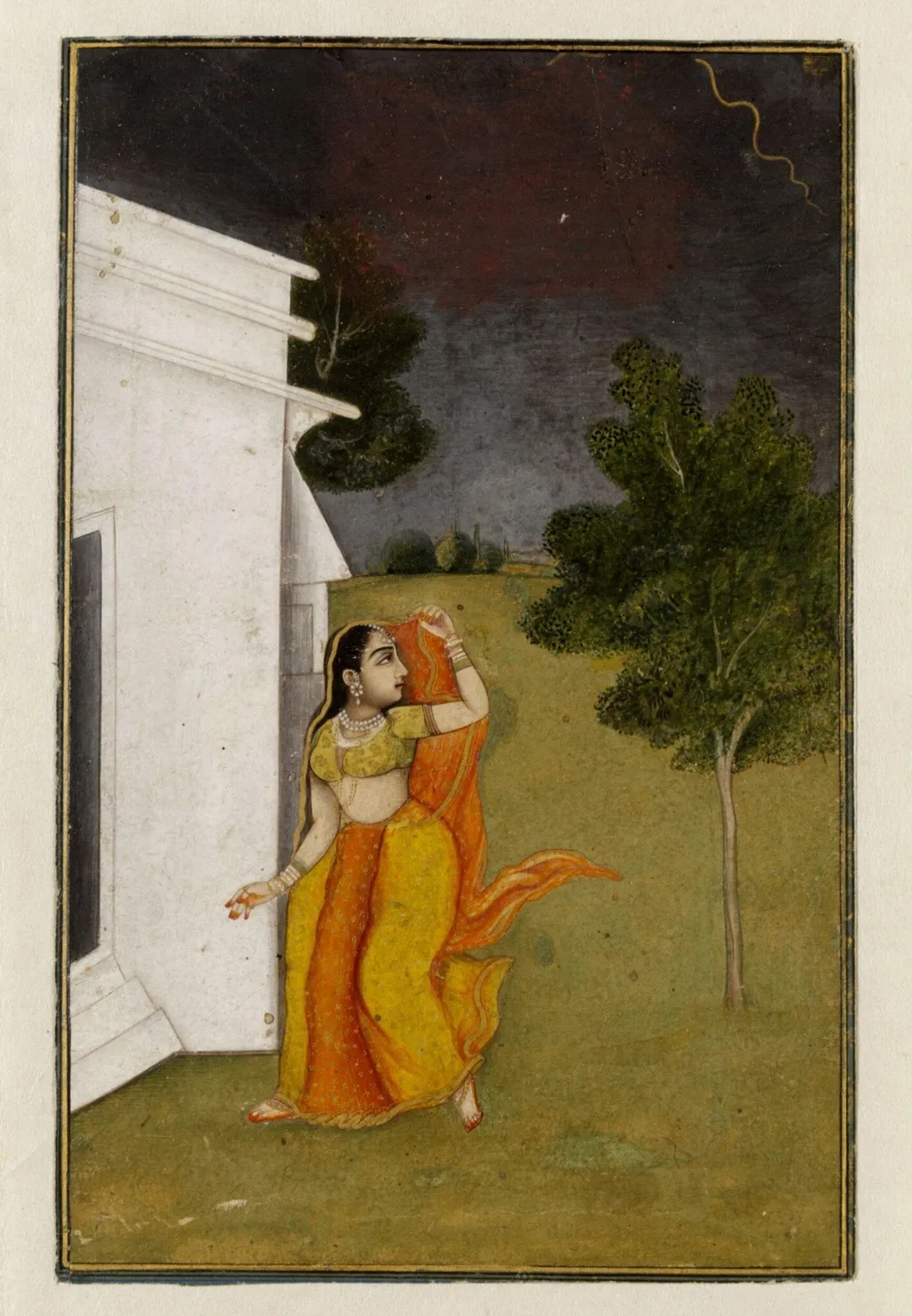
Madhu-madhavi ragini is a paint painting by the Mughal Painting artist Unknown. It dates from 1765 and is held in the collection of the Victoria and Albert Museum. Created in 1765, this opaque watercolour and gold painting on paper belongs to the Rajasthani tradition of ragini illustration.
About this work
Overview
Created in 1765, this opaque watercolour and gold painting on paper belongs to the Rajasthani tradition of ragini illustration.
Created in 1765, this opaque watercolour and gold painting on paper belongs to the Rajasthani tradition of ragini illustration. It visually interprets Madhu-madhavi, a melodic mode associated with spring and romantic longing. The scene unfolds in a quiet garden, where a solitary figure engages with nature, embodying the emotional tone of the raga through posture and setting rather than narrative action.
Subject & Meaning
The figure is a woman seated beneath a tree, holding a branch adorned with white blossoms likely representing jasmine. Her stillness contrasts with the implied presence of a storm, evoking the raga’s emotional tension between serenity and unease. In Indian musical iconography, raginis personify moods; here, Madhu-madhavi conveys tender yearning, linked to the season of spring and the quiet intensity of unspoken emotion.
Technique & Style
The painting employs mineral pigments and gold leaf on handmade paper, typical of Rajasthani court art. Soft, luminous reds and golds define the figure’s attire, while delicate brushwork renders foliage and fabric with subtle gradations. The composition is intimate and contained, avoiding dramatic action in favor of atmospheric stillness, reflecting the meditative quality of the musical mode it represents.
History & Provenance
This work emerged from a regional atelier in Rajasthan during the mid-18th century, a period when musical iconography flourished under patronage of local rulers. Though its exact origin within a specific court is unrecorded, its style aligns with other ragini series produced for royal collections. It entered institutional holdings in the 20th century, likely through colonial-era acquisitions now held in major museums.
Context
Ragini paintings were part of a broader system linking Indian classical music to visual symbolism. Each mode was assigned a gender, season, and emotional state, often illustrated with a single figure in a natural setting. This practice, rooted in medieval texts, reached its peak in the 17th–18th centuries across Rajasthan and the Punjab Hills, serving both devotional and aesthetic functions within courtly culture.
Legacy
The painting contributes to a rare surviving corpus of musical iconography that bridges auditory and visual traditions in South Asia. While largely overlooked in Western art history, such works are now studied for their sophisticated synthesis of poetry, music, and visual form. Institutions like the Victoria and Albert Museum preserve these pieces as vital records of pre-colonial Indian aesthetic thought.
Artist & collection

 Domestic Scene
 Giacomo and Cardinal Marco, investing Andrea, Abbot of San Zeno, with his Benefice
 The Nymph of Fontainebleau
 Portrait of a Woman
 Madonna and Child with Saints in the Enclosed Garden
 Venus and Minerva
 Family Group of Four on Sofa
 Wall painting from Room H of the Villa of P. Fannius Synistor at Boscoreale
 Kamodini Ragini
 The Heroine Who Waits Anxiously for Her Absent Lover: Utka Nayika
 Vasakasajja Nayika
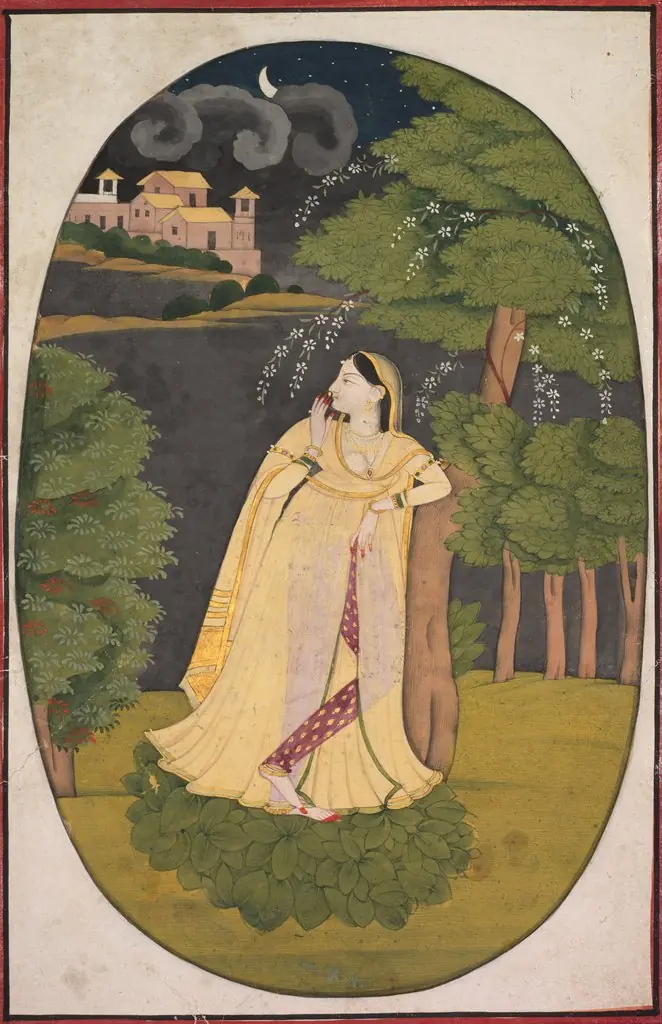 The Heroine Who Waits Anxiously for Her Absent Lover (Utka Nayika)
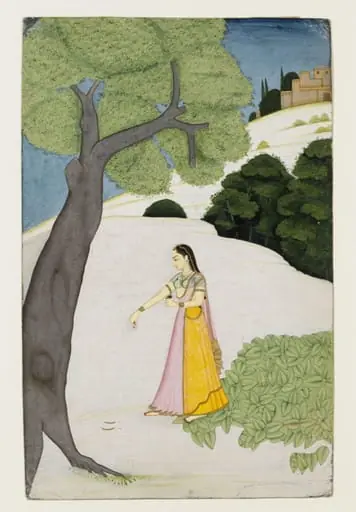 Vipralabdha Nayika
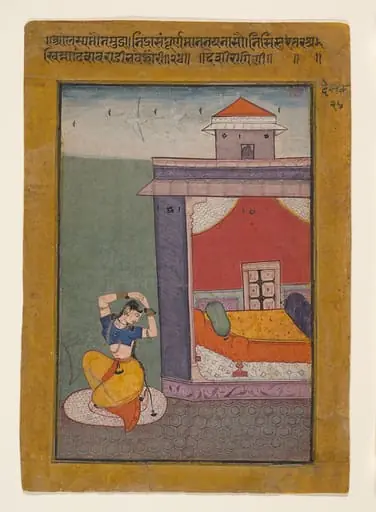 Untitled
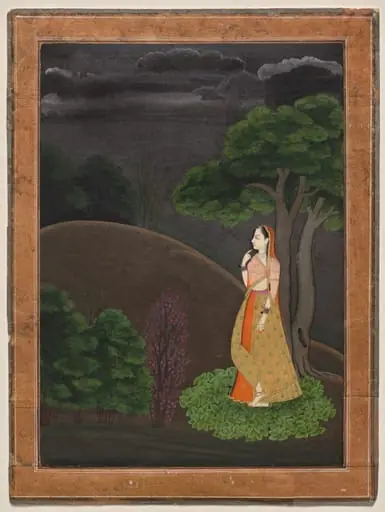 The Heroine Who Waits Anxiously for Her Absent Lover: Utka Nayika
 A Nakiya, probably Proshitaperyasi Nayika
 The Heroine Who Waits Anxiously for Her Absent Lover: Utka Nayika