Artwork
Maharana Sangram Singh receives the embassy of Johan Josua Ketelaar
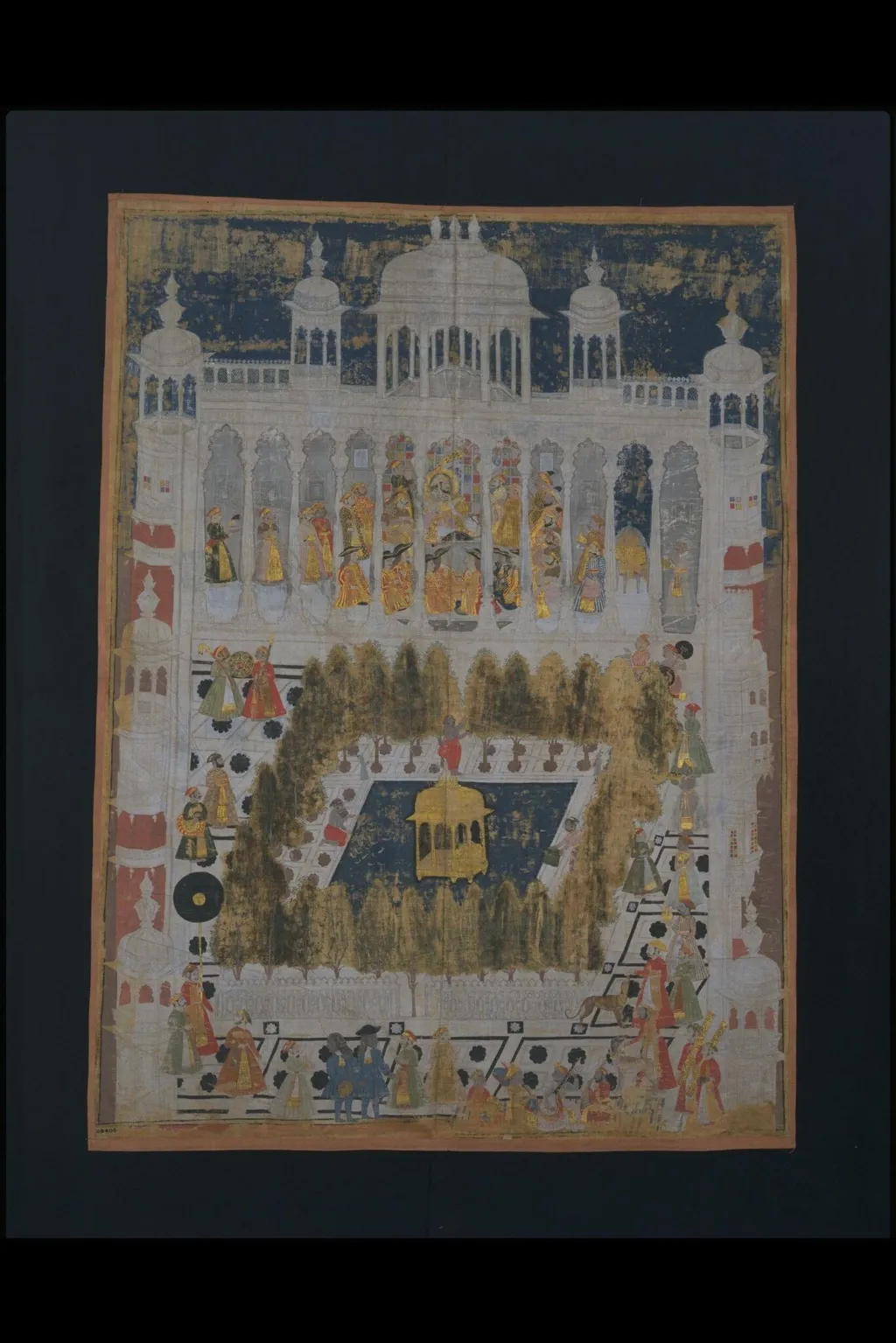
Maharana Sangram Singh receives the embassy of Johan Josua Ketelaar is a paint painting by the Baroque artist Unknown. It dates from 1711 and is held in the collection of the Victoria and Albert Museum.
About this work
Overview
The work records the formal reception of Dutch envoy Johan Josua Ketelaar by Maharana Sangram Singh at the Udaipur court in the spring of 1711. Executed on cotton, the large composition portrays the moment when the European delegation entered the Maharana’s palace, offering a visual narrative of a diplomatic encounter between the Dutch East India Company and the Rajput ruler.
Subject & Meaning
The scene captures the interaction between the Maharana’s retinue and the visiting Europeans, identified in contemporary Persian terminology as “farangis.” By documenting this specific event, the painting serves both as a historical record of early eighteenth‑century trade negotiations and as a visual statement of the Maharana’s hospitality toward foreign powers.
Technique & Style
Rendered in a manner that blends Indian courtly conventions with European influences, the painting employs a subtle chiaroscuro to model figures and suggest depth. The intricate detailing of costumes, architecture, and gestures reflects the Udaipur court’s artistic vocabulary, while the inclusion of European dress marks a cross‑cultural visual exchange.
History & Provenance
Initially part of the Indian Museum’s collection in London, the canvas was transferred to its present institution in 1879. Its creation appears contemporaneous with the 1711 reception, indicating that it may have been commissioned to commemorate the diplomatic visit.
Context
During the early 1700s the Dutch East India Company sought trading privileges from the Mughal emperor, sending envoys through Rajasthan to negotiate. The Maharana’s willingness to host Ketelaar’s party reflects the strategic importance of Rajput courts as intermediaries in regional trade networks.
Legacy
The depiction of European envoys soon became a recurring motif in Udaipur court painting, establishing a visual shorthand for foreign presence. This work thus marks an early example of how Indian court art incorporated and standardized the representation of outsiders.
Artist & collection

 Domestic Scene
 Giacomo and Cardinal Marco, investing Andrea, Abbot of San Zeno, with his Benefice
 The Nymph of Fontainebleau
 Portrait of a Woman
 Madonna and Child with Saints in the Enclosed Garden
 Venus and Minerva
 Family Group of Four on Sofa
 Wall painting from Room H of the Villa of P. Fannius Synistor at Boscoreale
 Maharana Jagat Singh Attending the Raslila
 Untitled
 Maharaja Ajit Singh of Jodhpur
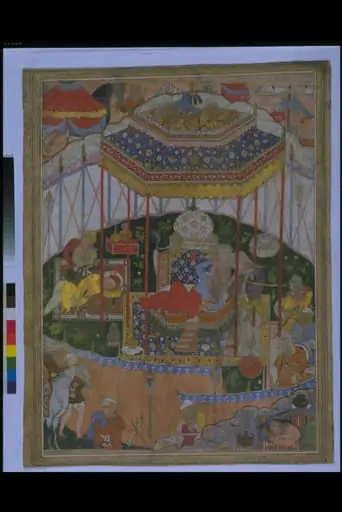 An Ayyar murders Qubad in his sleep
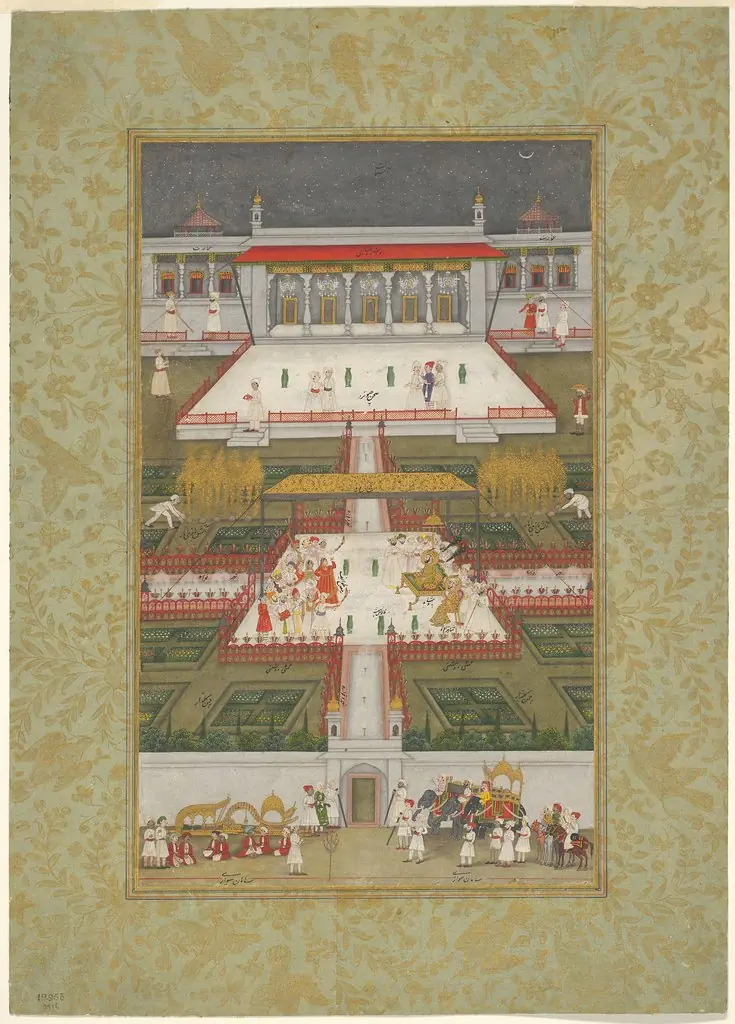 Ruler Entertained by Dancers in a Paradise Garden
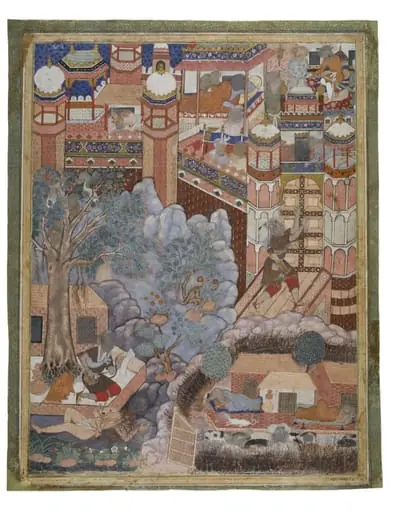 Basu beheads Namadpush and enters Acre Castle
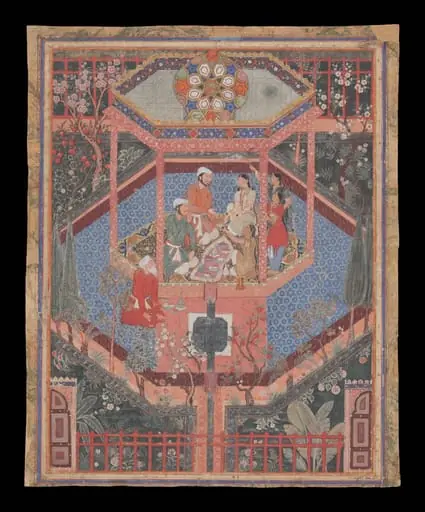 Prince Alamshah Rustam with Mihr Afruz in a garden pavilion
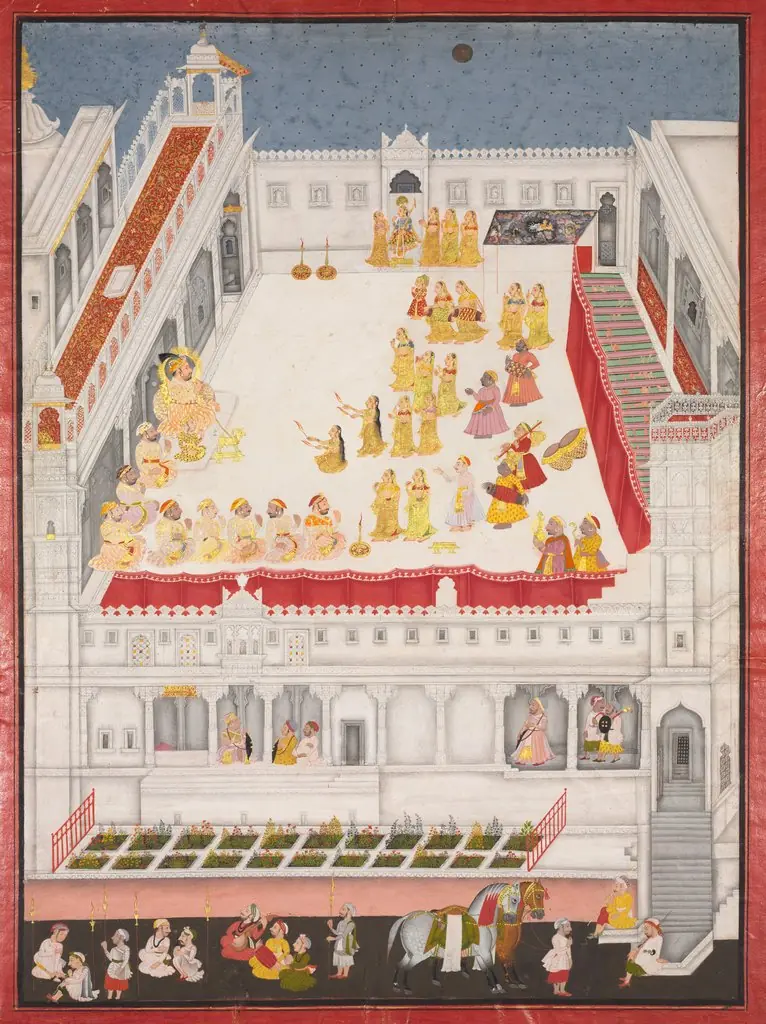 Maharana Jagat Singh Attending the Raslila
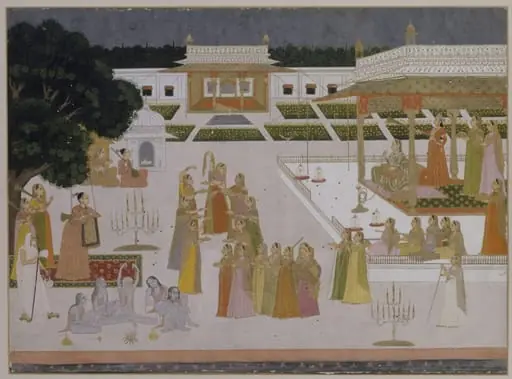 Untitled