Artwork
MAN Naples 27705
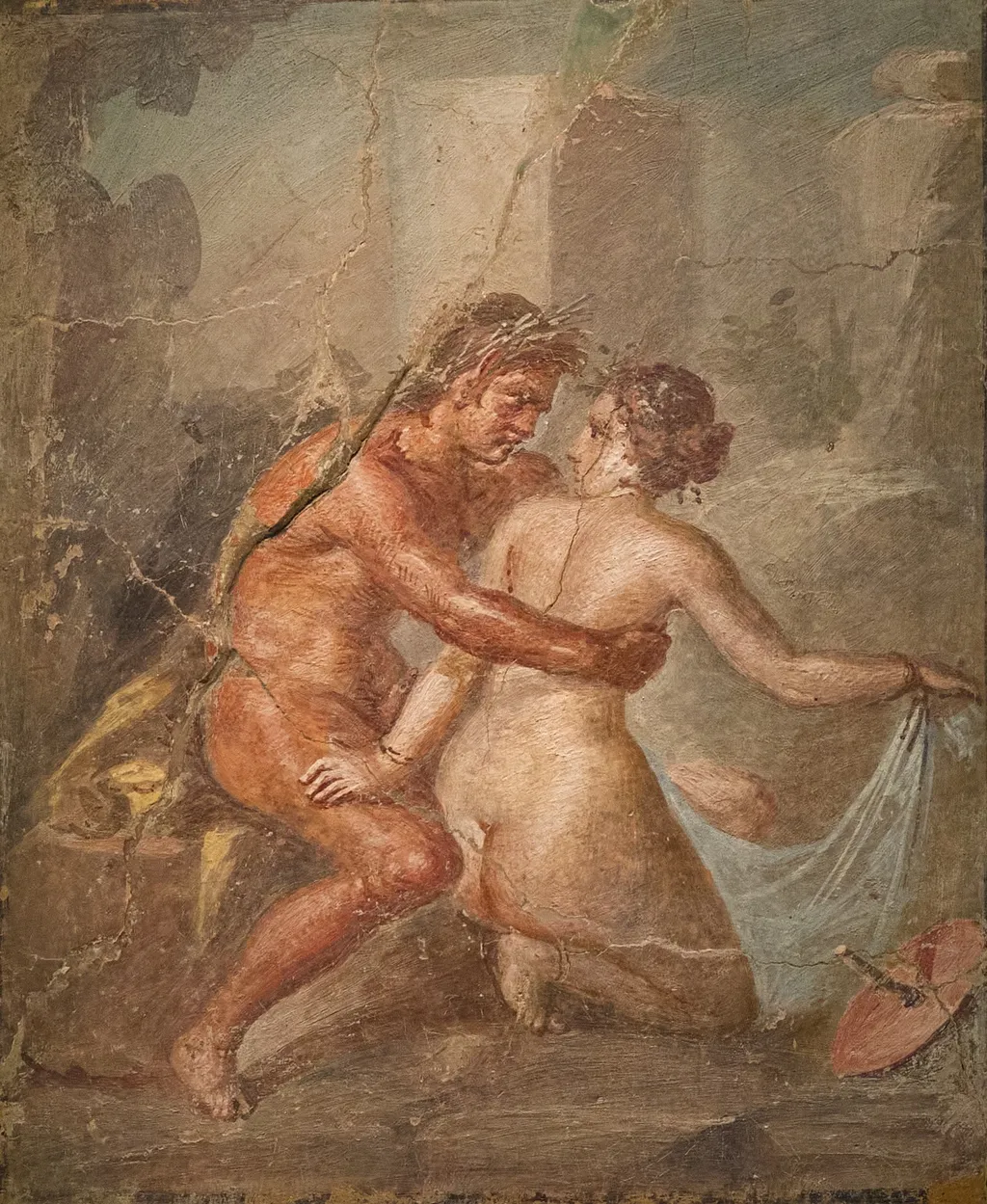
MAN Naples 27705 is a fresco painting by Unknown. It dates from 1850 and is held in the collection of the Naples National Archaeological Museum.
About this work
Overview
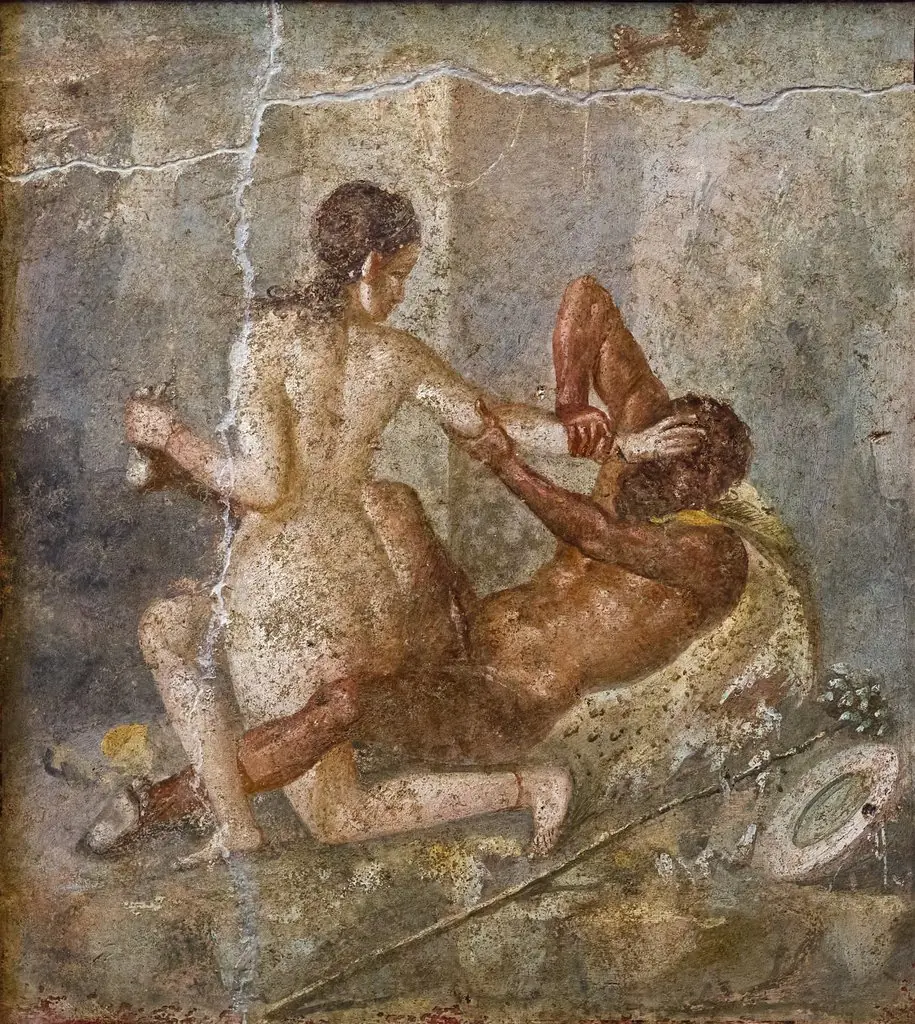
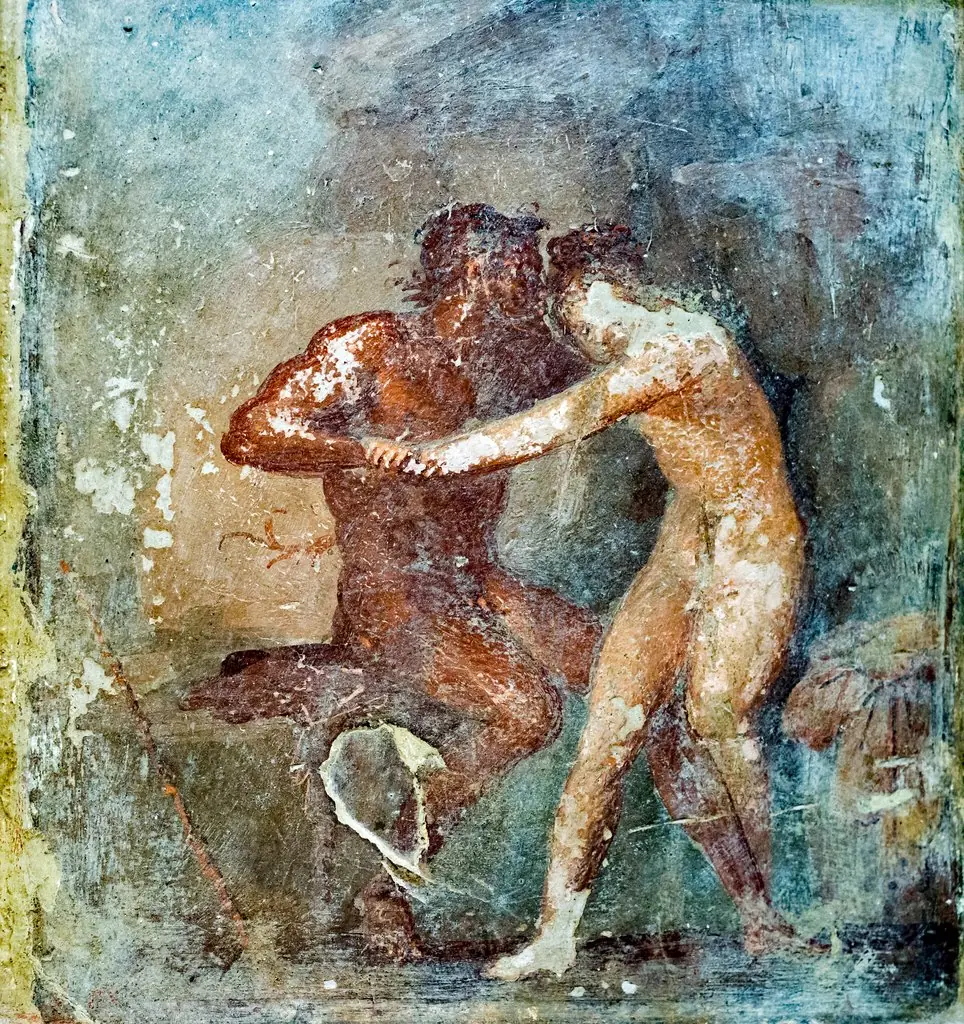
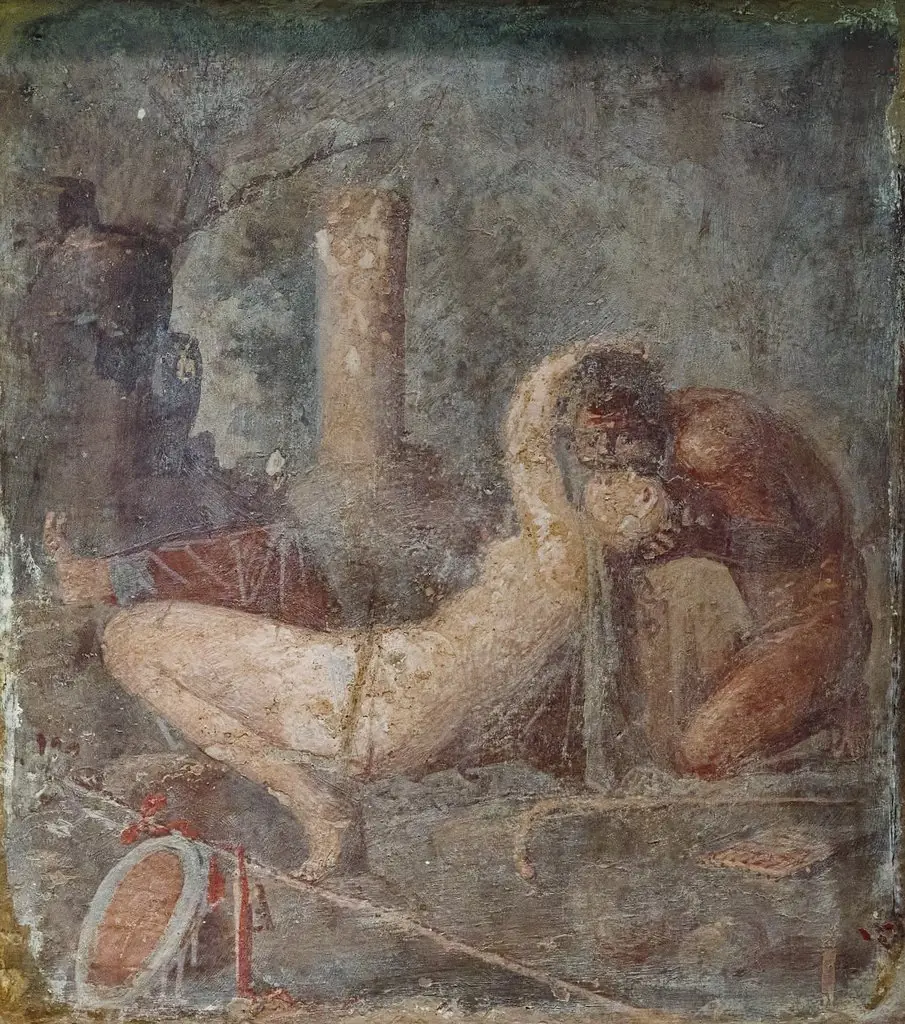
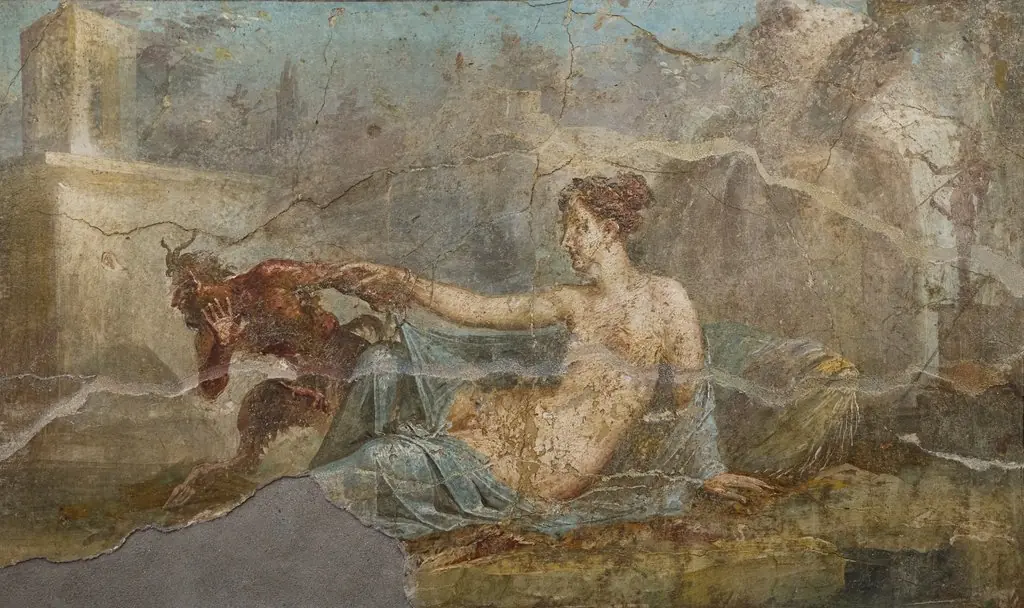
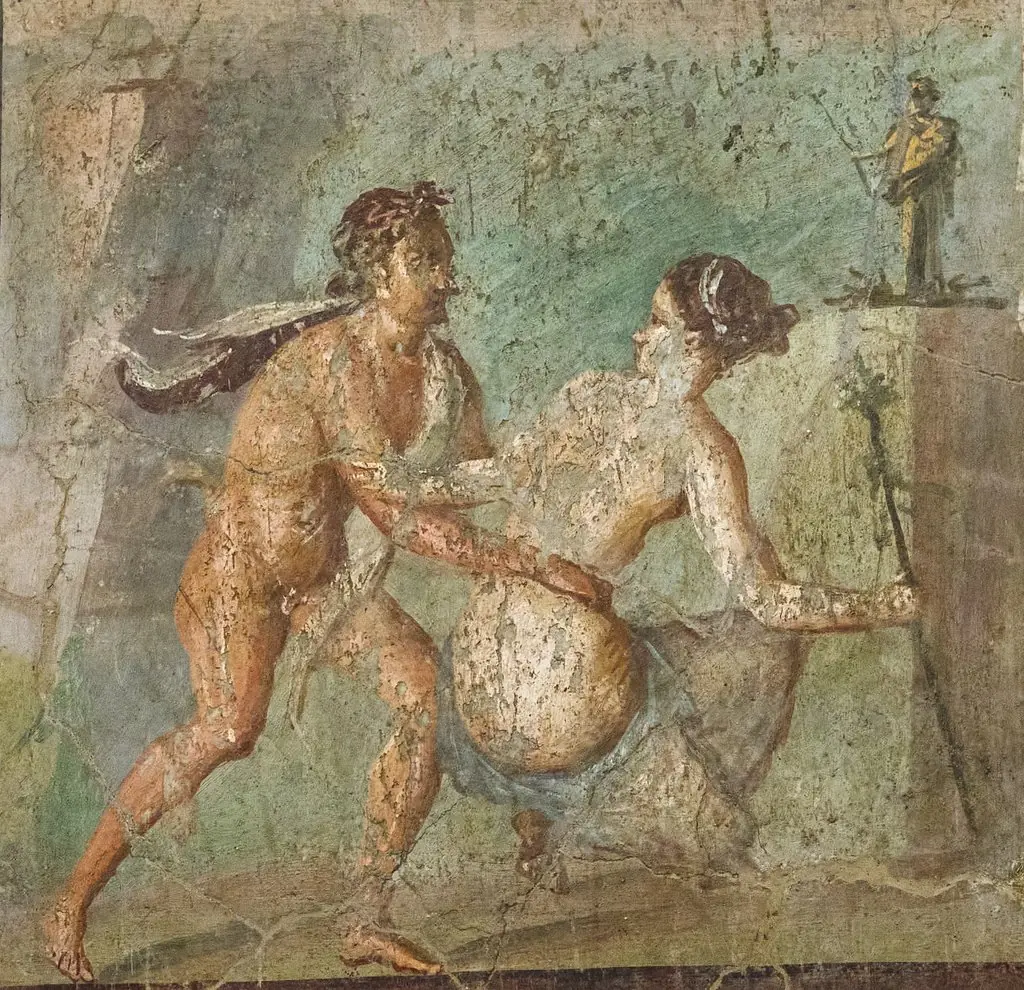
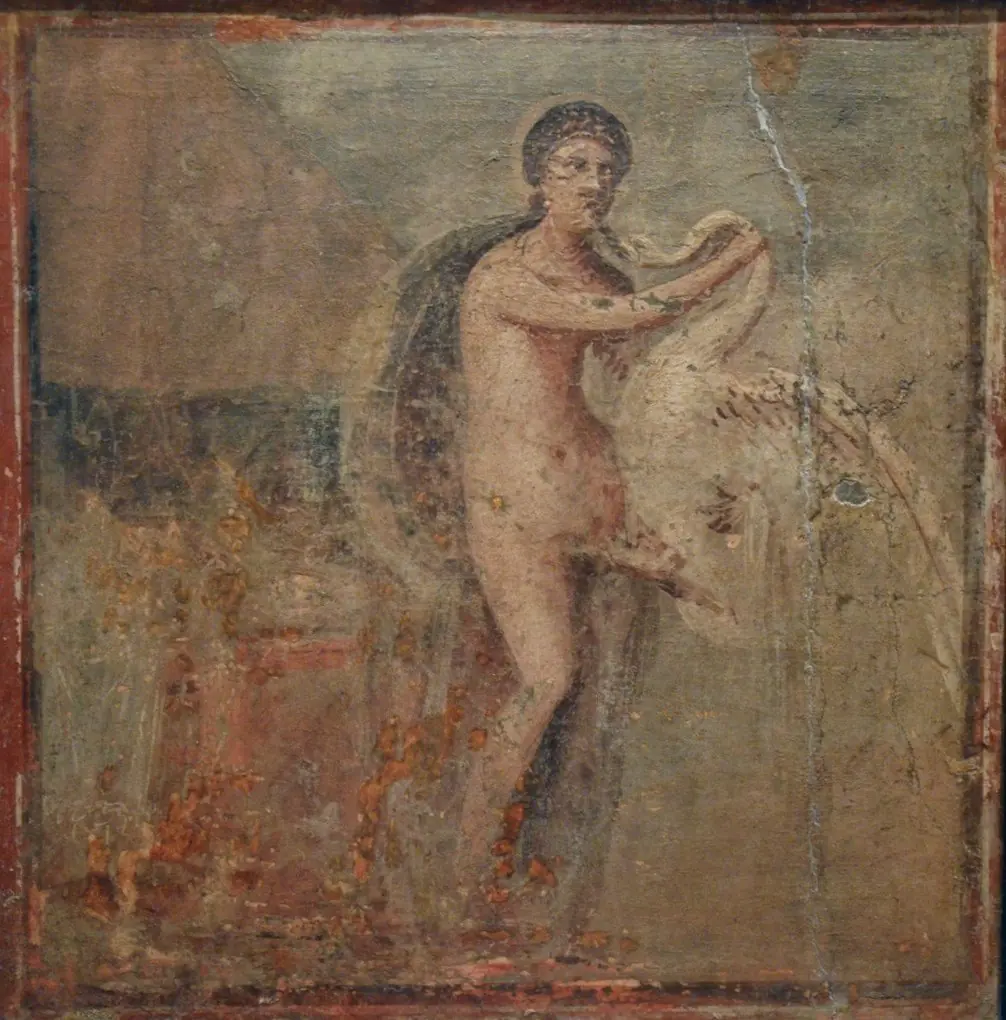
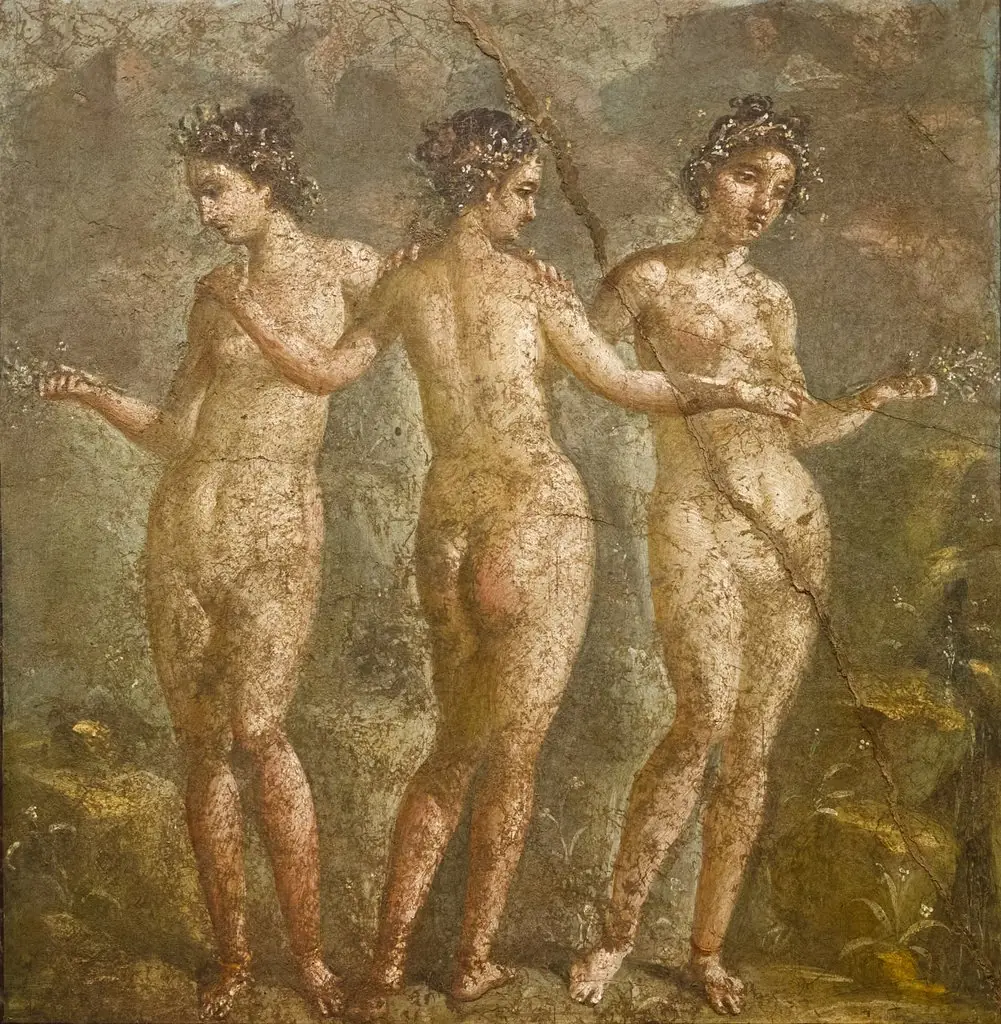
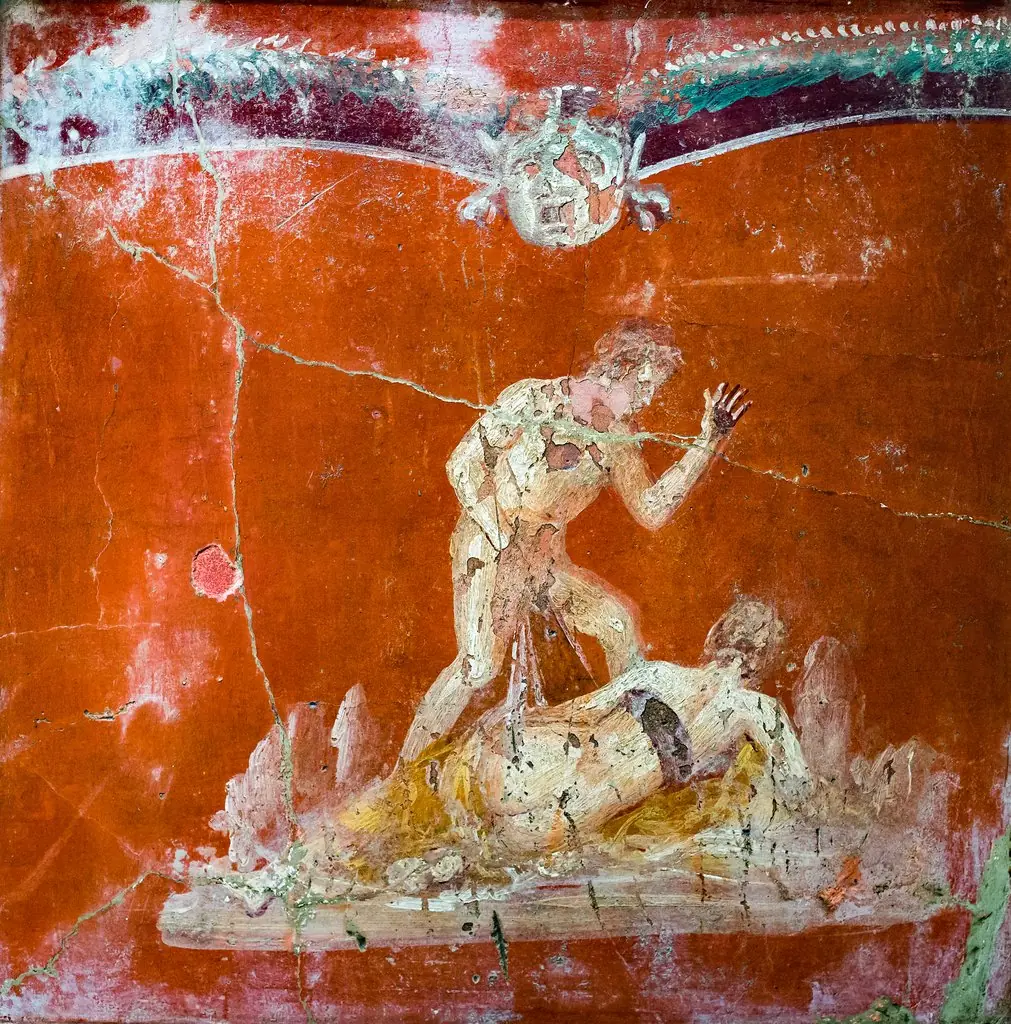
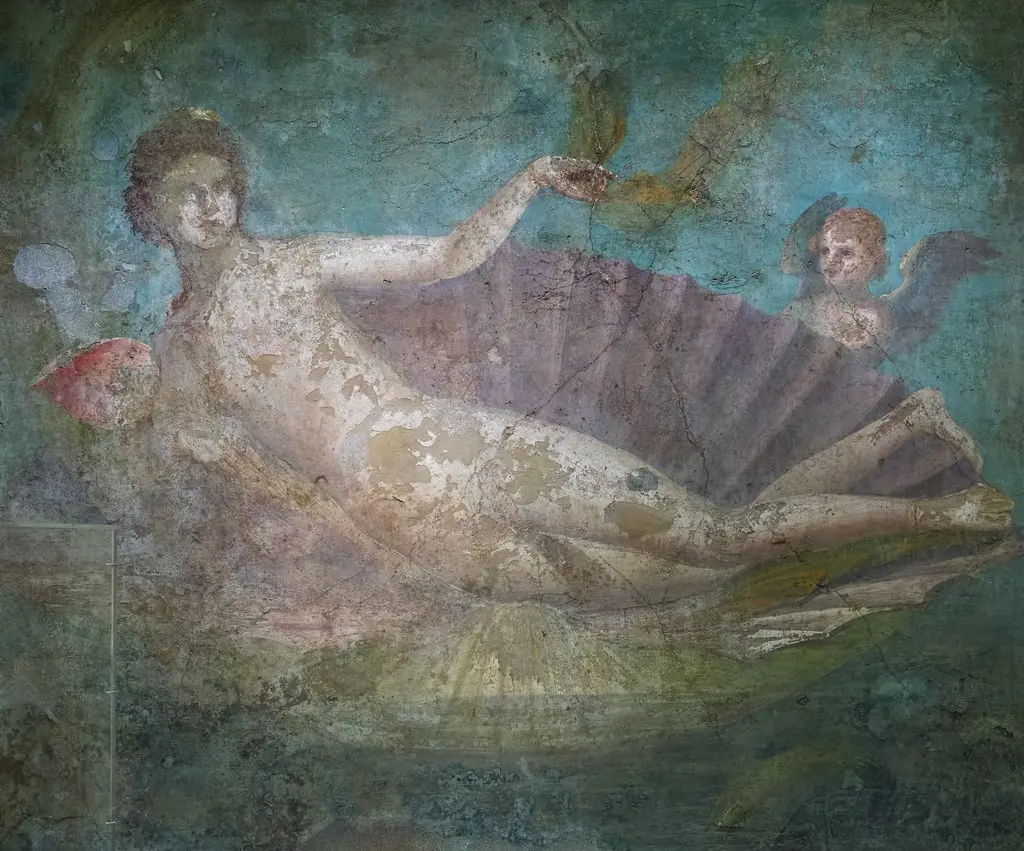
This fresco painting, cataloged as MAN Naples 27705, portrays a quiet moment between two figures: a man embracing a woman from behind.
This fresco painting, cataloged as MAN Naples 27705, portrays a quiet moment between two figures: a man embracing a woman from behind. Executed in the traditional fresco technique, the work captures a sense of stillness and closeness. The figures are set against a softly rendered natural landscape, with muted earth tones and faint indications of vegetation. The composition emphasizes physical tenderness rather than narrative drama.
Subject & Meaning
The figures convey an intimate, non-narrative connection, suggesting personal affection rather than mythological or religious symbolism. The man’s gentle hold and the woman’s composed posture imply mutual trust and quiet companionship. The absence of overt identifiers—such as clothing details or attributes—leaves the relationship open to interpretation, grounding the scene in everyday human emotion rather than idealized or symbolic representation.
Technique & Style
The painting was created using the fresco method, in which pigments are applied to wet plaster, allowing for durable, integrated color. This technique lends the surface a slightly matte, porous quality, enhancing the naturalism of the figures and environment. The brushwork is restrained, favoring soft contours over sharp definition, which contributes to the subdued, contemplative mood of the scene.
History & Provenance
The fresco is held in the collection of the Museo Archeologico Nazionale di Napoli, where it is cataloged as MAN 27705. Its exact origin and date remain uncertain, though stylistic elements suggest it may derive from a Roman domestic setting, possibly from the first century CE. It was likely part of a larger wall decoration in a private residence, later uncovered during archaeological excavation.
Context
In Roman domestic art, scenes of private life were common in villa interiors, reflecting cultural values around familial bonds and personal harmony. This fresco aligns with a broader trend of depicting intimate moments in domestic spaces, contrasting with public or mythological themes. Its preservation suggests it was valued by its original owners, possibly as a symbol of domestic serenity.
Legacy
Though not widely known outside scholarly circles, this fresco contributes to the understanding of Roman visual culture beyond grand narratives. Its quiet depiction of human connection offers insight into the emotional lives of ordinary people in antiquity. As a preserved fragment of domestic decoration, it remains a quiet testament to the enduring human impulse to record tenderness in art.
Artist & collection

Museum
Naples National Archaeological Museum
Continue through works from the same source collection.
 Domestic Scene
 Giacomo and Cardinal Marco, investing Andrea, Abbot of San Zeno, with his Benefice
 The Nymph of Fontainebleau
 Portrait of a Woman
 Madonna and Child with Saints in the Enclosed Garden
 Venus and Minerva
 Family Group of Four on Sofa
 Wall painting from Room H of the Villa of P. Fannius Synistor at Boscoreale