Artwork
Memorial Monument of the British Soldiers in 1859
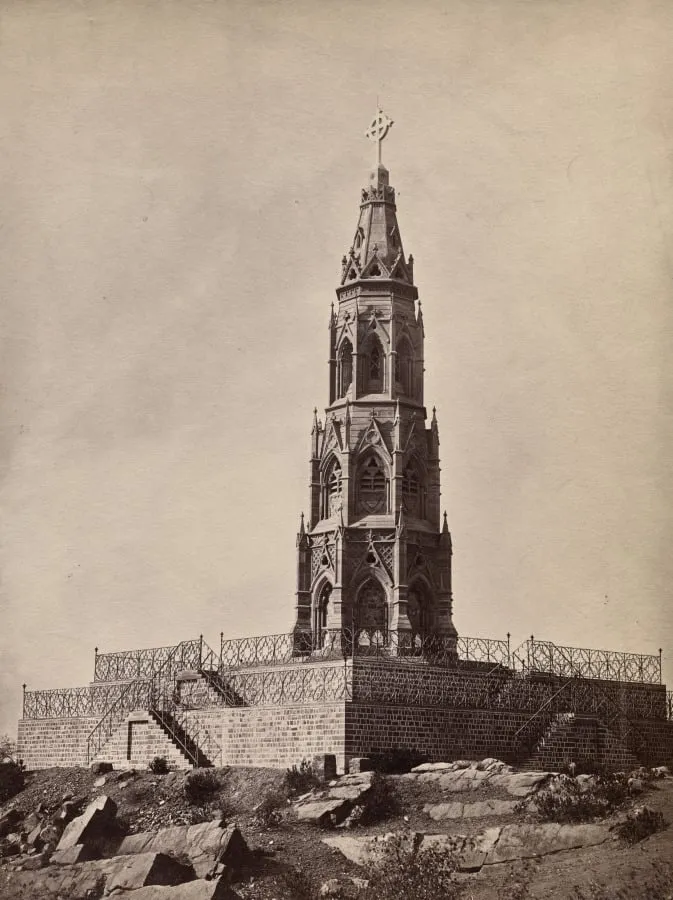
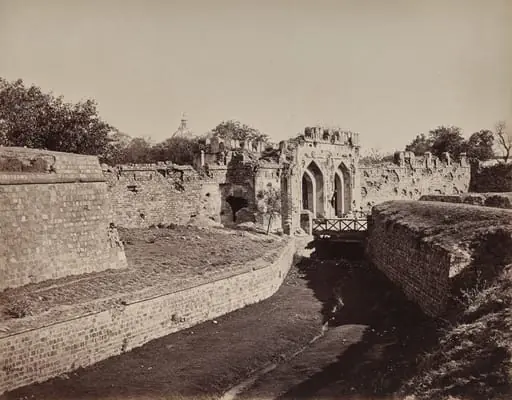
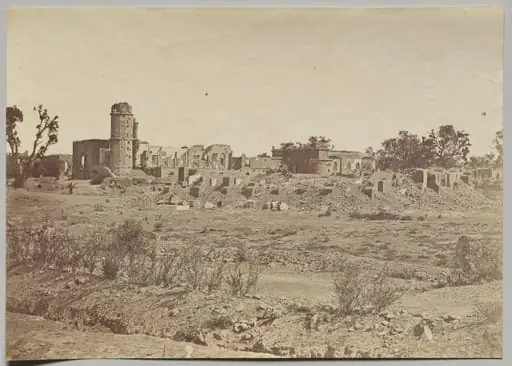
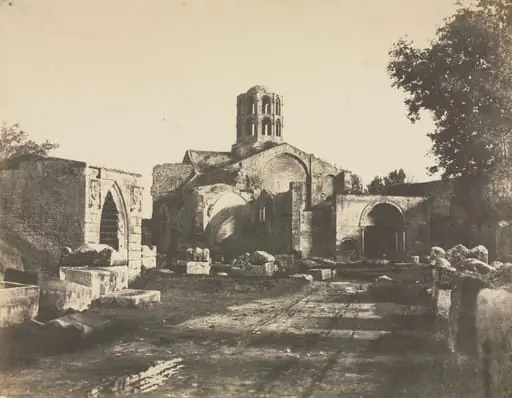
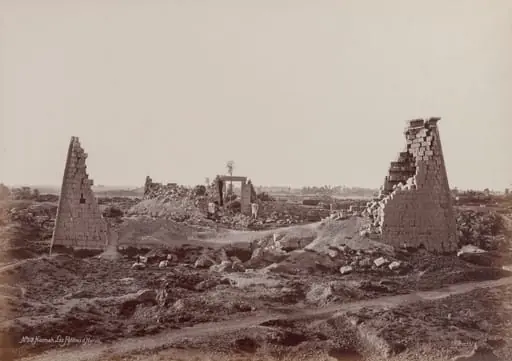
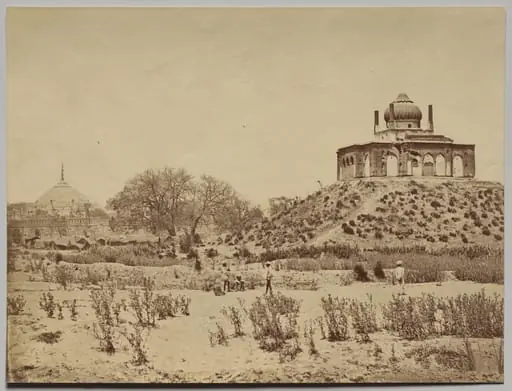
Memorial Monument of the British Soldiers in 1859 is a photography by the Impressionist artist Unknown. It dates from 1880 and is held in the collection of the Cleveland Museum of Art. The image records a nineteenth‑century stone memorial erected in 1859 to honor British soldiers.
About this work
If you like how this painting handles loss and memory, look up more works about england, 19th century.
You see a tall stone monument with carved names, flags, and a soldier’s helmet on top. The colors are muted—grays, browns, and a little gold leaf that’s worn away.
This painting isn’t about the battle itself. It’s about remembering the dead long after the fighting stopped. The names are hard to read, as if time is slowly erasing them. That quiet fading makes the memorial feel more real than any grand scene of war.
If you like how this painting handles loss and memory, look up more works about england, 19th century.
Overview
The image records a nineteenth‑century stone memorial erected in 1859 to honor British soldiers. A tall obelisk rises from a modest plinth, its surface weathered to muted grays and browns, with traces of once‑bright gold leaf now faded. At the summit a sculpted soldier’s helmet crowns the structure, while carved panels display names and flags.
Subject & Meaning
The monument functions as a site of collective remembrance rather than a depiction of combat. The eroding inscriptions suggest the gradual loss of individual memory, emphasizing the enduring yet fragile nature of commemoration after the conflict has ended.
Technique & Style
Captured as a photograph, the work relies on tonal contrast to convey texture: the stone’s roughness, the subtle sheen of remaining gilding, and the crisp lines of the carved lettering. The muted palette reinforces the solemn atmosphere, while the composition centers the verticality of the monument against an unobtrusive background.
History & Provenance
Commissioned in 1859, the monument was part of a broader Victorian effort to memorialize military service. The photograph documenting it was taken at an unspecified later date, preserving the monument’s condition and providing a visual record for future study.
Context
The memorial reflects mid‑nineteenth‑century British attitudes toward war and sacrifice, aligning with contemporary public monuments that combined classical forms with national symbols such as flags and military regalia.
Legacy
As a visual document, the photograph contributes to the historiography of war remembrance, offering scholars a reference point for the monument’s original design and its subsequent weathering, and illustrating how visual media can sustain memory of collective loss.
Artist & collection

 Domestic Scene
 Giacomo and Cardinal Marco, investing Andrea, Abbot of San Zeno, with his Benefice
 The Nymph of Fontainebleau
 Portrait of a Woman
 Madonna and Child with Saints in the Enclosed Garden
 Venus and Minerva
 Family Group of Four on Sofa
 Wall painting from Room H of the Villa of P. Fannius Synistor at Boscoreale