Artwork
The Churchyard and Residency in the Distance
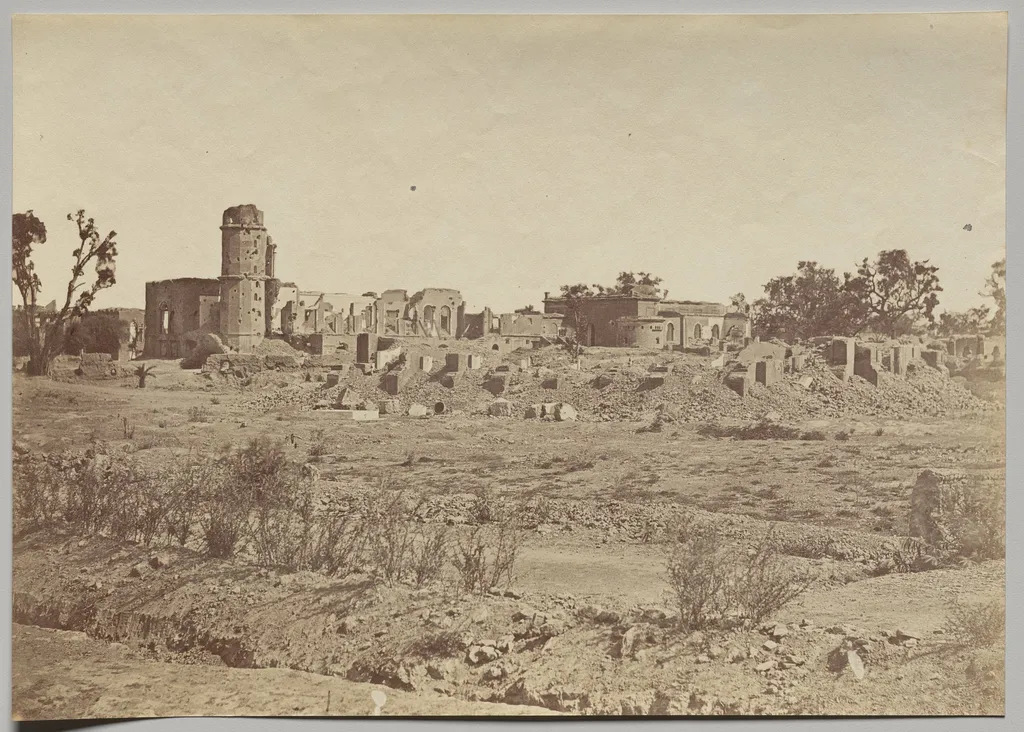
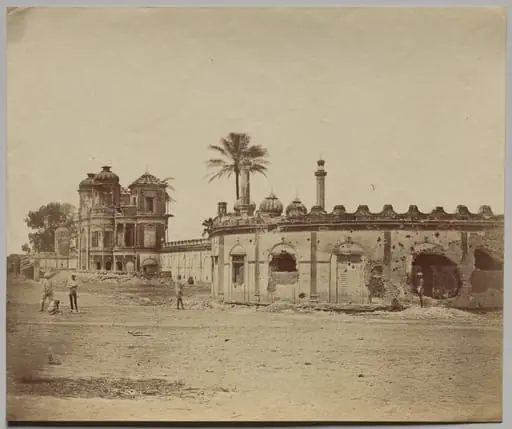
The Churchyard and Residency in the Distance is a photography by the Impressionist artist Felice A. Beato. It dates from 1858 and is held in the collection of the Cleveland Museum of Art. Taken in 1858, this photograph by Felice A.
About this work
This painting shows a churchyard and a residency in the distance.
It's a simple scene, but what's interesting is that the artist took this photo in 1858, which is pretty early for photography. The details in the scene are also worth noting, like the trees and the path leading to the residency.
You can learn more about photography techniques like sfumato.
Overview
It is among the earliest photographic records of South Asian architecture and landscape, made during a period when photographic technology was still developing.
Taken in 1858, this photograph by Felice A. Beato captures a quiet landscape in India featuring a churchyard and a distant colonial residence. It is among the earliest photographic records of South Asian architecture and landscape, made during a period when photographic technology was still developing. The image is held in the collection of The Cleveland Museum of Art, reflecting early Western engagement with the region through visual documentation.
Subject & Meaning
The scene presents a modest ecclesiastical burial ground alongside a colonial administrative building, suggesting the presence of British residents in India. The placement of the residency beyond the churchyard implies a spatial and social hierarchy. No figures are visible, lending the image a stillness that underscores themes of absence, empire, and quiet endurance in the landscape.
Technique & Style
Beato used the wet collodion process, which required on-site preparation of glass plates and rapid exposure. The photograph’s sharp detail in foliage and architectural forms reflects the technical precision possible with this method. The composition is deliberately restrained, with a central path guiding the eye toward the distant building, emphasizing depth without dramatic lighting or manipulation.
History & Provenance
Beato photographed extensively across India following the 1857 Rebellion, documenting sites of military and colonial significance. This image likely originated from his travels in the northern regions. It entered the Cleveland Museum of Art’s collection through established photographic archives, preserving its historical context as part of a broader visual record of British India.
Context
Made during the early years of British colonial rule in India, the photograph reflects the growing use of photography as a tool for documentation and control. While seemingly neutral, such images contributed to the visual framing of colonial territories. The churchyard and residency together symbolize the intersection of religion, governance, and daily life under imperial administration.
Legacy
Beato’s work helped establish photography as a medium for ethnographic and architectural record in Asia. This image, though unassuming, remains significant as an early example of landscape photography in colonial India. It informs contemporary studies on how visual media shaped perceptions of empire and place during the 19th century.
Artist & collection
Artist
Felice A. Beato and Felice Antonio Beato are collective signatures used by the brothers Felice Beato and Antonio Beato, who were both pioneering photographers in the 19th century. They were noted for their depictions of…

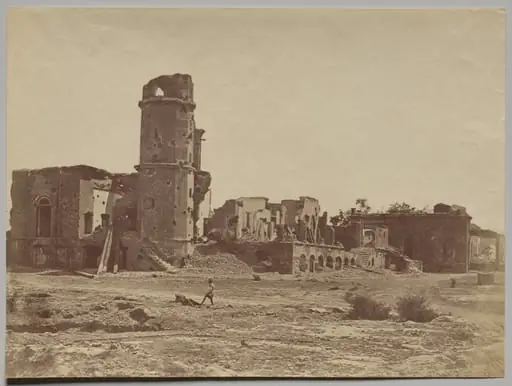 The Residency, Taken from the Redan Battery
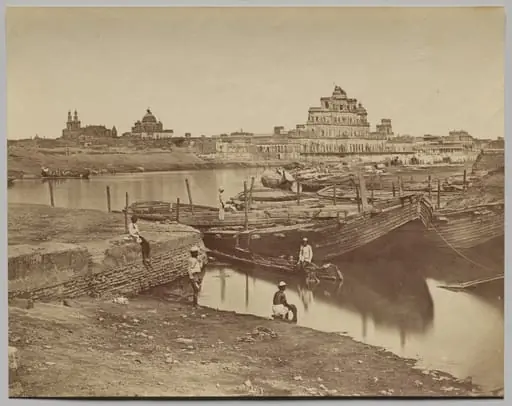 Bridge of Boats over the Gumti River near the Chattar Manzil and Fusseed Bakah or Old Palace
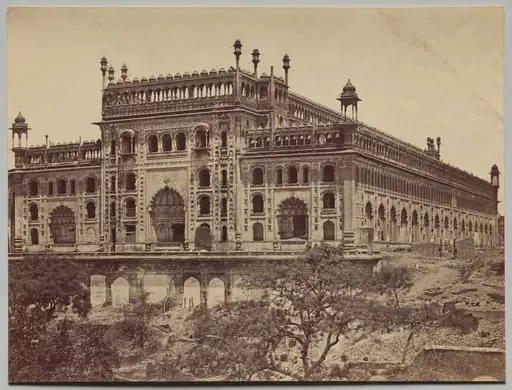 Exterior of Asaf-ud-Daula's Imambara, or Tomb
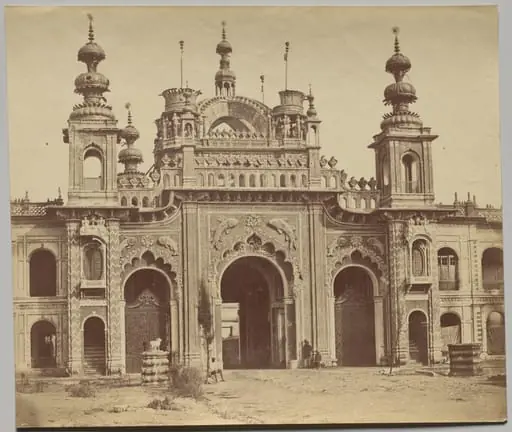 The Great Gateway of the Kasierbagh
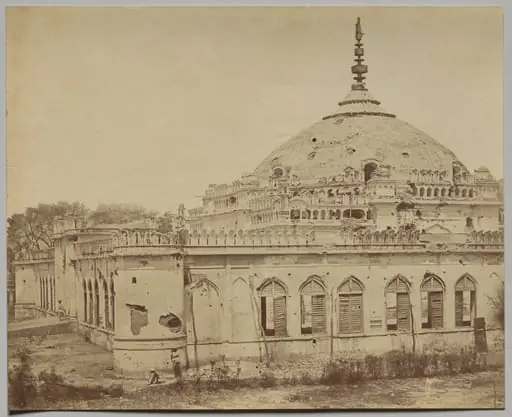 Shah Najaf
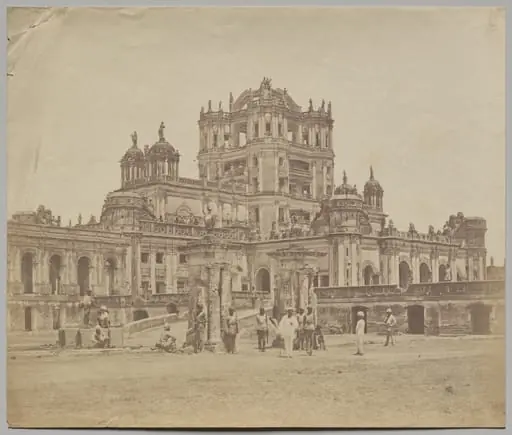 The Martinière College
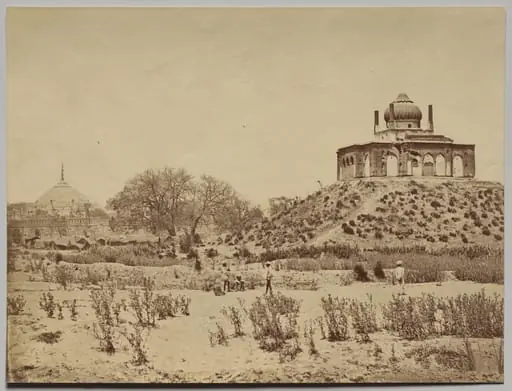 The Kudmsee Russol
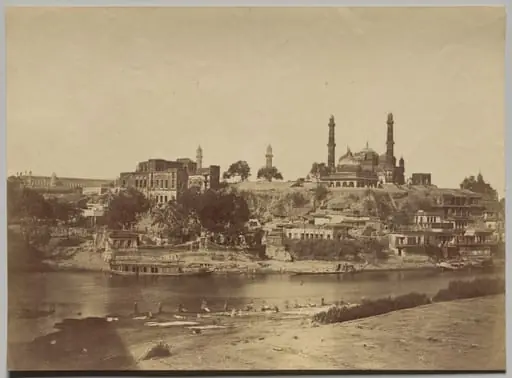 The Muchee Bhawan Fort and the Gomti River Taken from the Stone Bridge
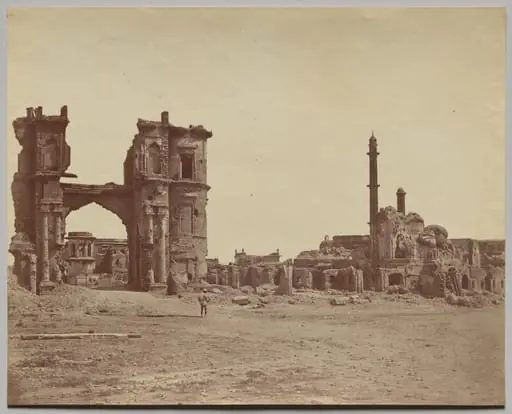 The Clock Tower in Front of the Bailee Guard Gate
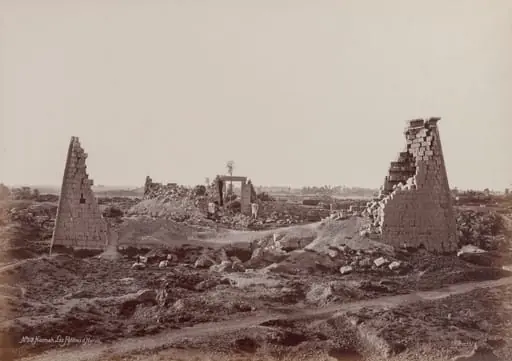 Karnak, Les Pylônes d'Horus
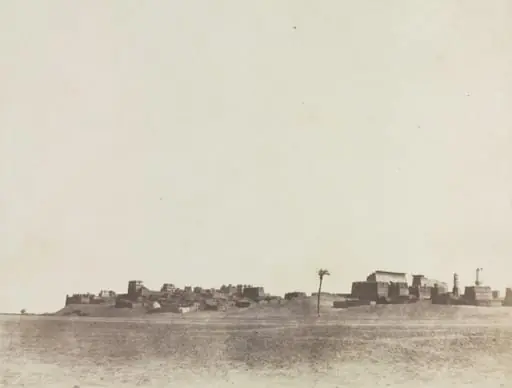 View of Luxor
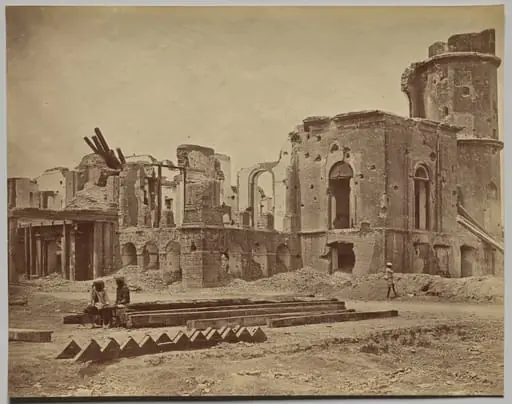 The Residency From the Front, Showing the Room in Which Sir Henry Lawrence was Killed
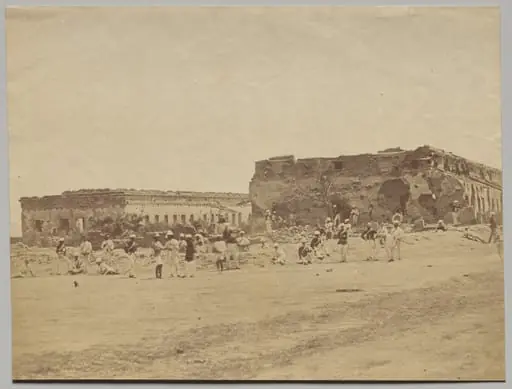 Major-General Sir Hugh Wheeler's Entrenchment at Cawnpore
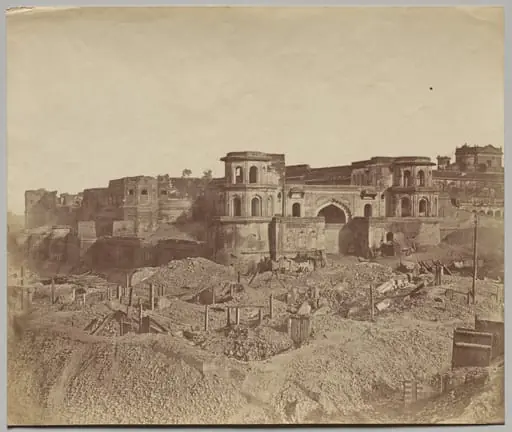 The Mucha Bawn, or the Old Citadel of Lucknow
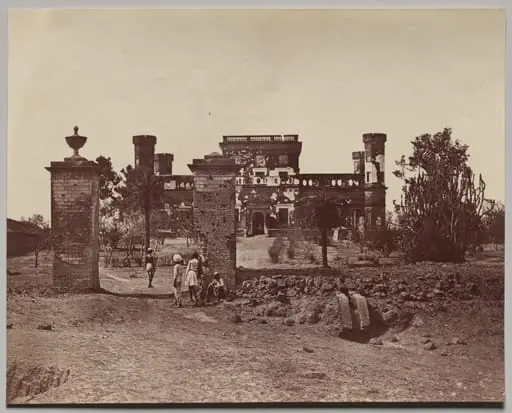 Mess House of the 32nd Regiment
 The Secundra Bagh, Showing the Breach and Gateway
 Bailee Guard Gate, Taken from the Inside, Showing the Clock Tower
 Saint-Honorat, Prés d'Arles