Artwork
The Clock Tower in Front of the Bailee Guard Gate
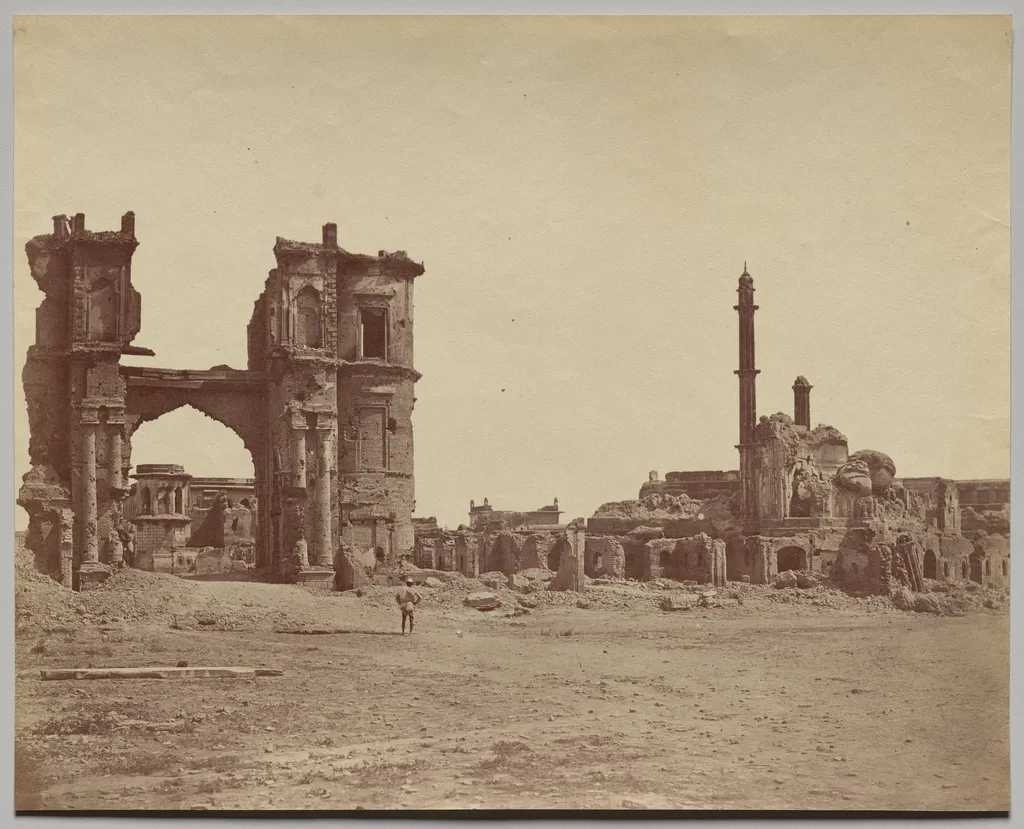
The Clock Tower in Front of the Bailee Guard Gate is a photography by the Impressionist artist Felice A. Beato. It dates from 1858 and is held in the collection of the Cleveland Museum of Art. Taken in 1858, this photograph by Felice A.
About this work
Overview
Beato captures the Clock Tower positioned directly before the Bailee Guard Gate, a structure associated with the imperial compound in Beijing.
Taken in 1858, this photograph by Felice A. Beato captures the Clock Tower positioned directly before the Bailee Guard Gate, a structure associated with the imperial compound in Beijing. The image is one of the earliest photographic records of Qing Dynasty architecture, documenting a moment when foreign photographers began systematically recording China’s urban landscapes during a period of increased Western presence.
Subject & Meaning
The Clock Tower, a functional timepiece installed during the Qing dynasty, stands as a symbol of imperial authority and modernization efforts. Its placement before the Bailee Guard Gate—used to control access to restricted areas—suggests a fusion of traditional governance and emerging technologies. The photograph does not dramatize the scene but presents it with quiet observation, reflecting the photographer’s documentary intent.
Technique & Style
Beato employed the wet-plate collodion process, requiring careful preparation and rapid exposure in the field. The image exhibits sharp architectural detail and tonal contrast, characteristic of his technical precision. The composition is balanced and frontal, emphasizing structural form over human activity, consistent with his approach to architectural subjects in China and Japan during the 1850s and 1860s.
History & Provenance
The photograph was acquired by The Cleveland Museum of Art as part of a broader collection of 19th-century Asian photographs. Its origin traces to Beato’s travels in China during the aftermath of the Second Opium War, when he documented sites in Beijing and surrounding regions. The work has remained in institutional hands since its acquisition, with no known private ownership prior to museum acquisition.
Context
Beato’s photograph was made during a time of political upheaval and foreign intervention in China. The presence of Western photographers like him coincided with the opening of treaty ports and the dismantling of isolationist policies. Images such as this served both as records for foreign audiences and as tools for diplomatic and commercial documentation, subtly shifting global perceptions of Chinese imperial spaces.
Legacy
This image contributes to the historical archive of China’s architectural heritage during a period of rapid change. Beato’s photographs remain among the most reliable visual sources for understanding mid-19th-century Beijing’s urban fabric. The work continues to inform scholarly research on cross-cultural representation and the role of photography in colonial-era documentation.
Artist & collection
Artist
Felice A. Beato and Felice Antonio Beato are collective signatures used by the brothers Felice Beato and Antonio Beato, who were both pioneering photographers in the 19th century. They were noted for their depictions of…

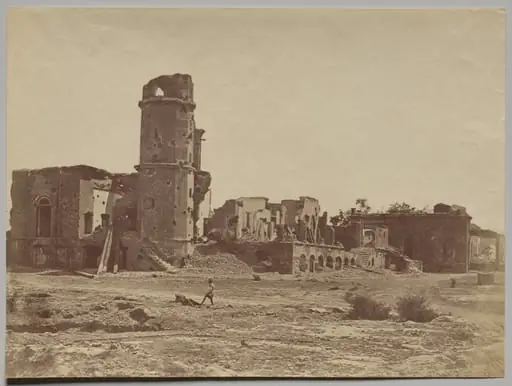 The Residency, Taken from the Redan Battery
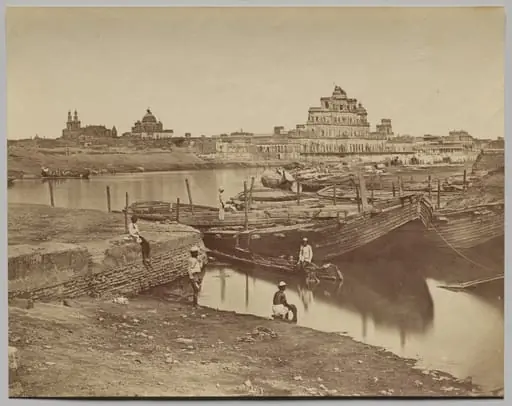 Bridge of Boats over the Gumti River near the Chattar Manzil and Fusseed Bakah or Old Palace
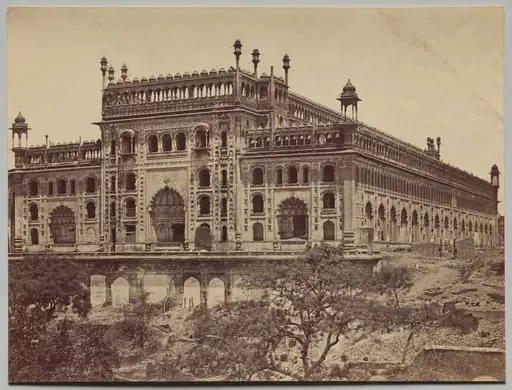 Exterior of Asaf-ud-Daula's Imambara, or Tomb
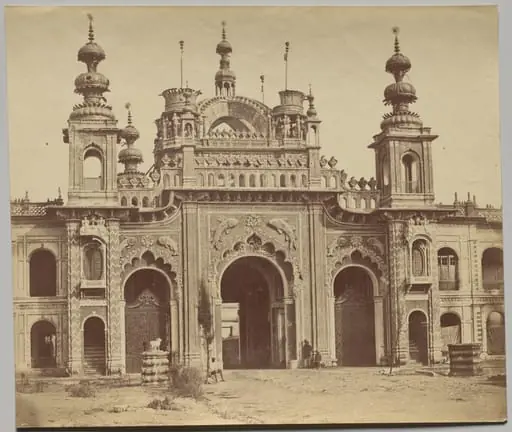 The Great Gateway of the Kasierbagh
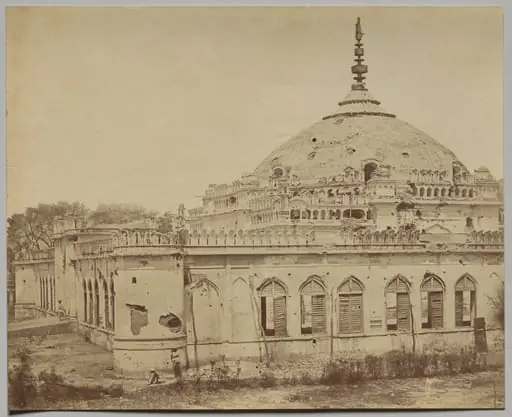 Shah Najaf
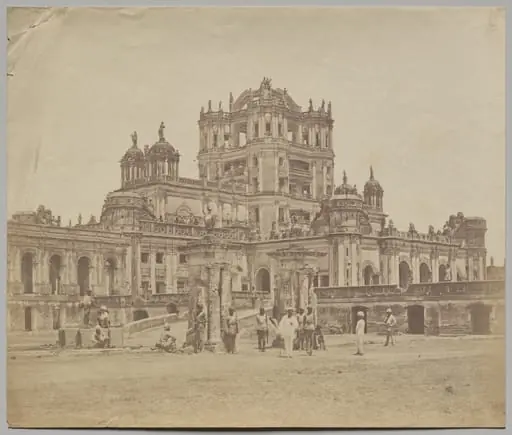 The Martinière College
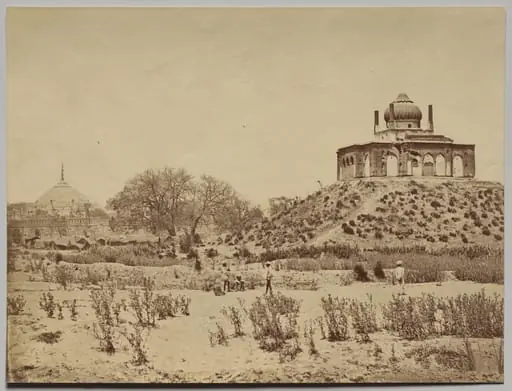 The Kudmsee Russol
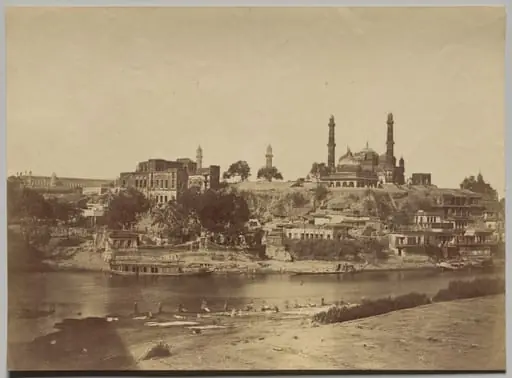 The Muchee Bhawan Fort and the Gomti River Taken from the Stone Bridge
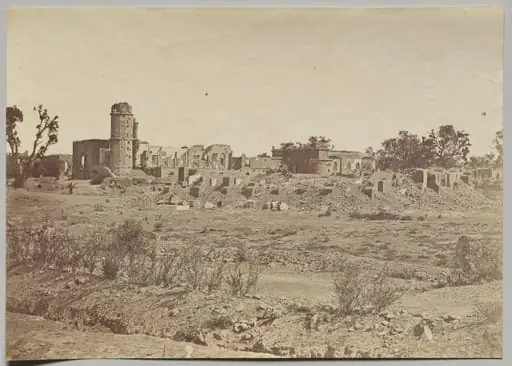 The Churchyard and Residency in the Distance
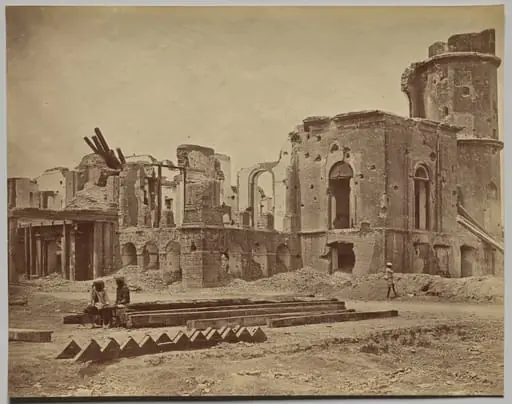 The Residency From the Front, Showing the Room in Which Sir Henry Lawrence was Killed
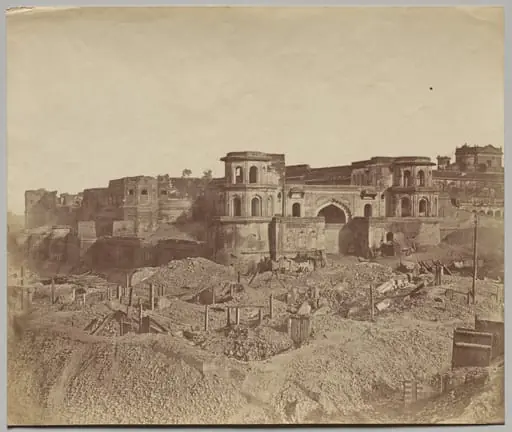 The Mucha Bawn, or the Old Citadel of Lucknow
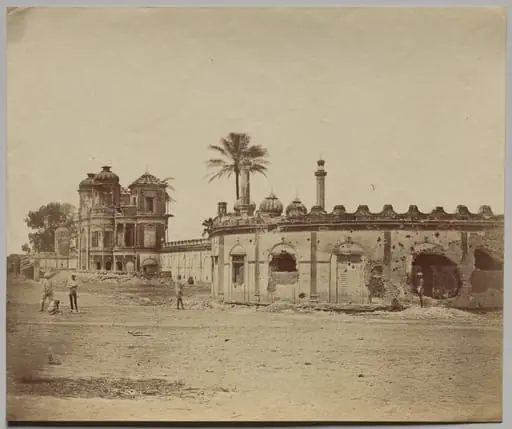 The Secundra Bagh, Showing the Breach and Gateway
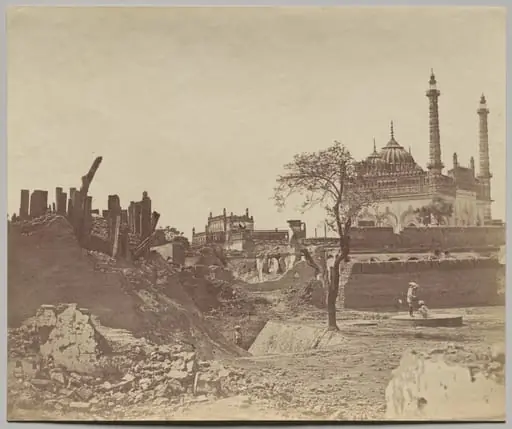 Battery Near the Begum Kotie
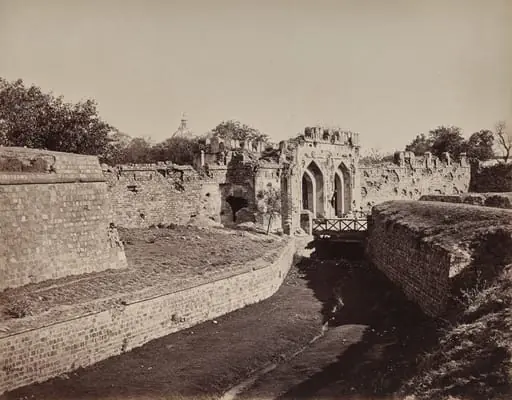 Delhi. The Kashmire Gate. The Scene of Some Very Hard Fighting in 1857
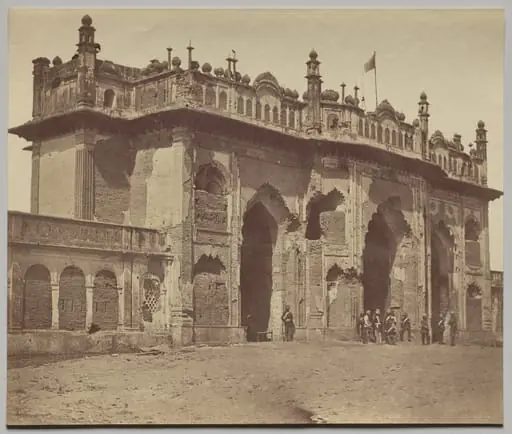 Gateway of the Small Emambara
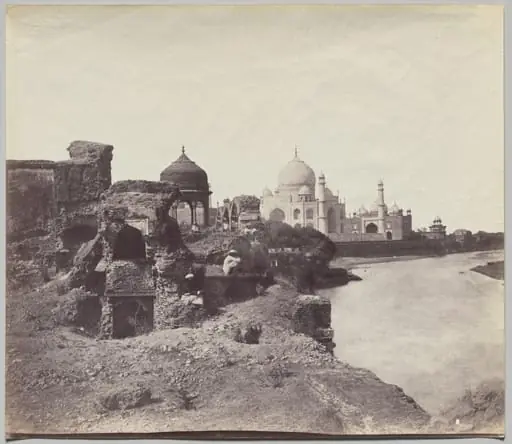 The Taj Mahal
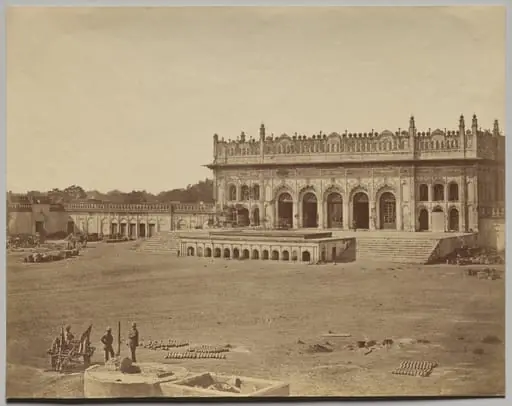 The Small Imambara
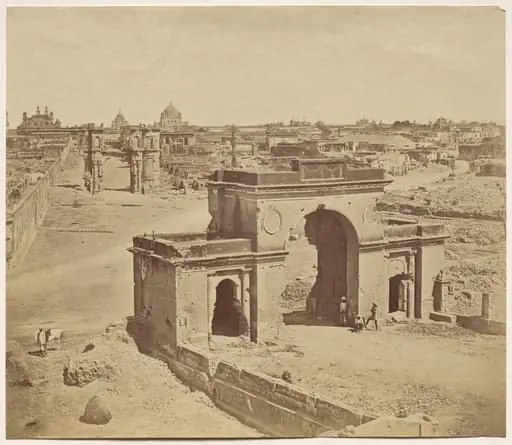 Bailee Guard Gate, Taken from the Inside, Showing the Clock Tower
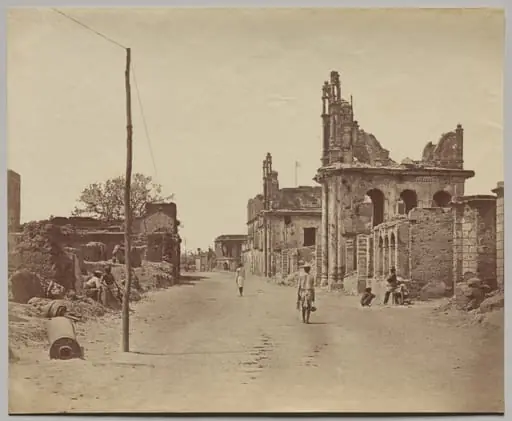 The Cawnpore Road in Lucknow