Artwork
Moeurs Anglo-chevaleresques
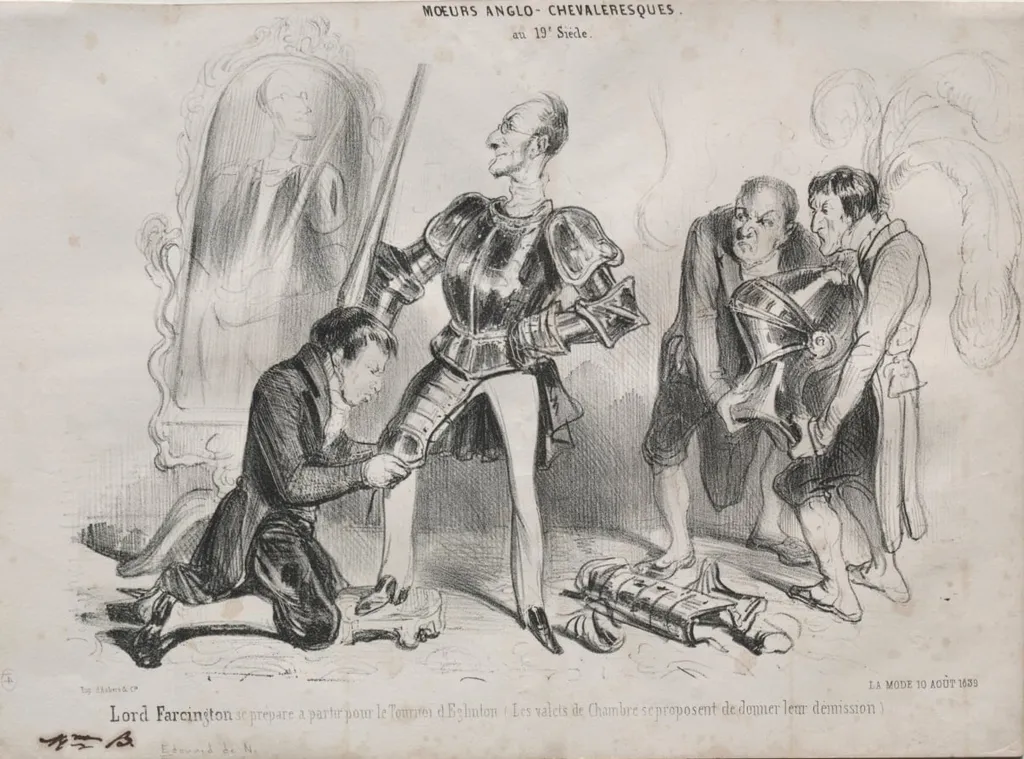
Moeurs Anglo-chevaleresques is a print by the Romanticist artist Unknown. It dates from 1839 and is held in the collection of the Cleveland Museum of Art. This print depicts a scene of aristocratic ritual, centered on a fully armed knight being assisted by three attendants.
About this work
Overview
The muted palette of browns and grays, along with the detailed rendering of textiles and metal, reflects a focus on material realism.
This print depicts a scene of aristocratic ritual, centered on a fully armed knight being assisted by three attendants. The composition emphasizes the ceremonial nature of donning armor, with one figure kneeling to fasten a boot. The muted palette of browns and grays, along with the detailed rendering of textiles and metal, reflects a focus on material realism. The ambiguous interior setting suggests a private chamber, reinforcing the intimacy of the moment.
Subject & Meaning
The scene captures a moment of preparation rather than action, transforming armor into a symbol of status and ritual rather than warfare. The kneeling attendant underscores hierarchy and service, while the knight’s stillness conveys solemnity. The work suggests a romanticized view of chivalry, where personal dignity and tradition outweigh martial urgency, aligning with 19th-century nostalgia for an idealized past.
Technique & Style
The artist employs fine linear detail to render the intricate patterns of armor and fabric, with subtle gradations of tone to suggest texture and depth. The lighting is even and diffused, avoiding dramatic contrasts, which enhances the quiet, introspective mood. Background elements are deliberately softened, drawing focus to the figures and their interactions, a hallmark of Romantic-era attention to psychological nuance over environmental clarity.
History & Provenance
Created as part of the series Moeurs Anglo-chevaleresques, this print emerged in the early 19th century during a period of renewed interest in medieval themes across Europe. It was likely produced for a private or elite audience, reflecting contemporary fascination with British and continental aristocratic customs. Its origin as a print suggests dissemination beyond single-painting ownership, reaching a broader readership interested in historical costume and etiquette.
Context
The work belongs to a wave of Romantic-era imagery that reimagined the Middle Ages as a realm of honor and refined ceremony, often in contrast to industrial modernity. While not depicting battle, it engages with the era’s literary and artistic revival of chivalric ideals. Similar themes appear in the writings of Scott and the paintings of Delacroix, where emotion and historical memory outweigh factual accuracy.
Legacy
Though not widely exhibited today, the print contributes to a broader 19th-century visual language that romanticized aristocratic ritual. Its emphasis on material detail and quiet ceremony influenced later historical genre scenes in both print and painting. It remains a document of how Victorian and post-Napoleonic societies used medieval imagery to negotiate identity, tradition, and social order.
Artist & collection

 Domestic Scene
 Giacomo and Cardinal Marco, investing Andrea, Abbot of San Zeno, with his Benefice
 The Nymph of Fontainebleau
 Portrait of a Woman
 Madonna and Child with Saints in the Enclosed Garden
 Venus and Minerva
 Family Group of Four on Sofa
 Wall painting from Room H of the Villa of P. Fannius Synistor at Boscoreale
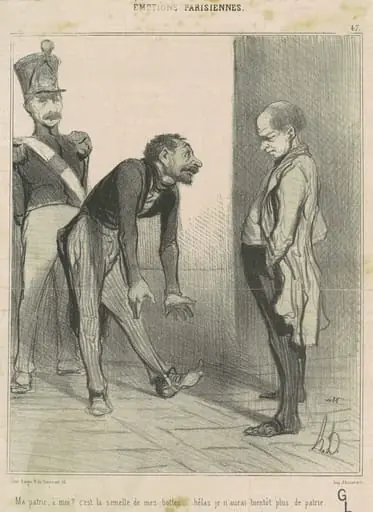 Ma patrie, a moi?...
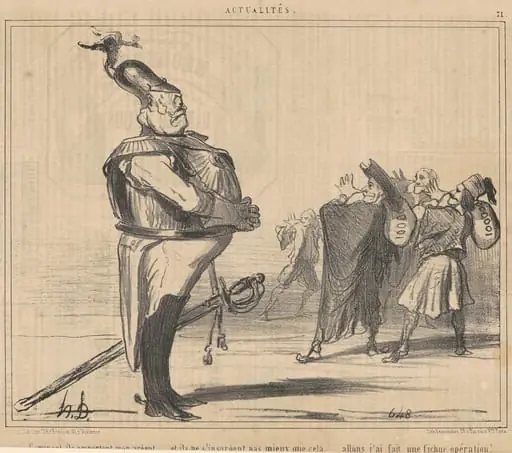 Comment, ils emportent mon argent ...
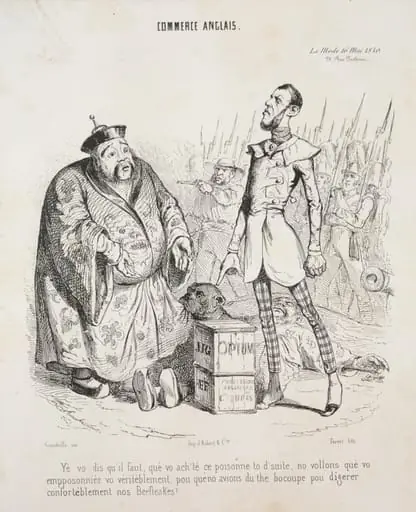 Commerce anglais. Yé vo dis qu'il faut, que vo ach'te ce poisonne to d'suite, no vollons que vo empposonniez vo véritéblement, pou que'no avions du thé bocoupe pou digerer conforteblément nos Beefteakes!
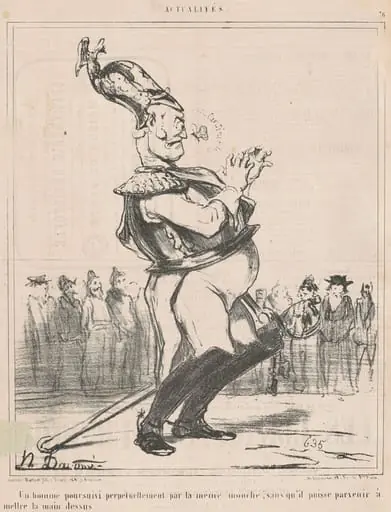 Un homme poursuivi ...
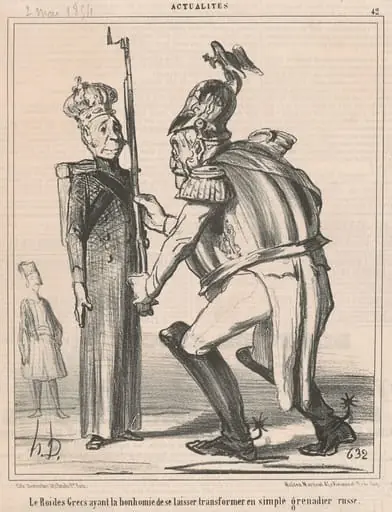 Le roi des grecs ...
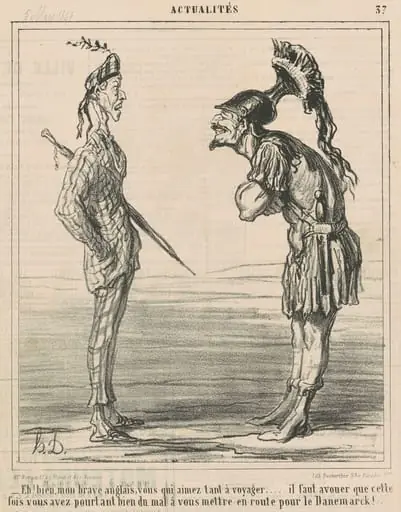 Eh bien! Mon brave anglais ...
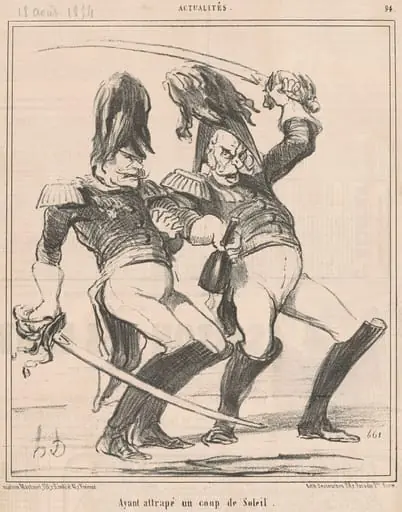 Ayant attrapé un coup de soleil
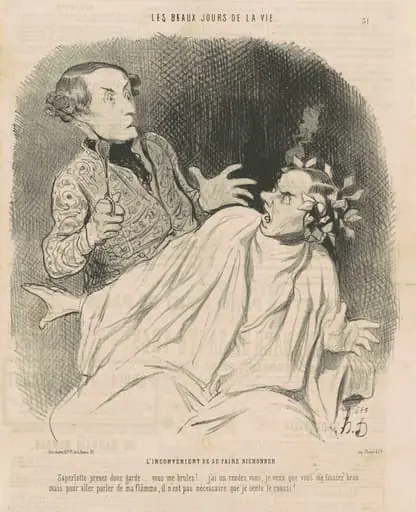 L'inconvénient de se faire bichonner ...
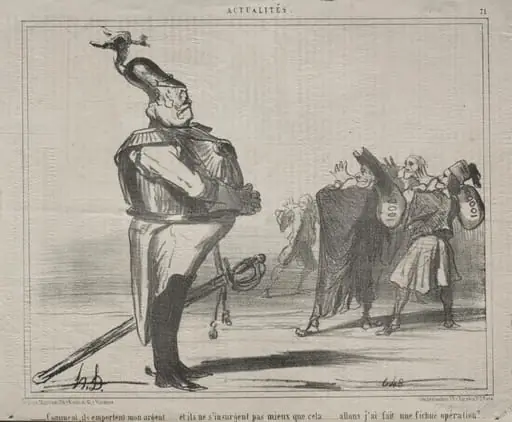 Why are they taking away my money...
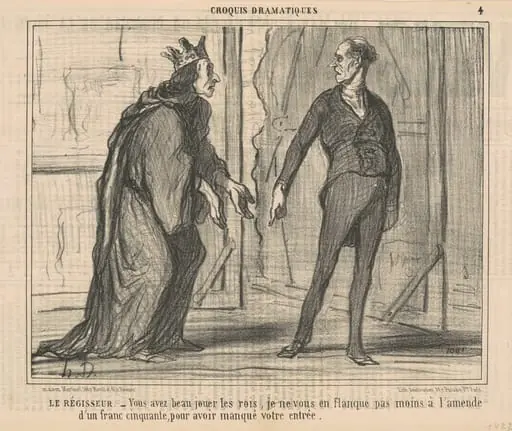 Le régisseur
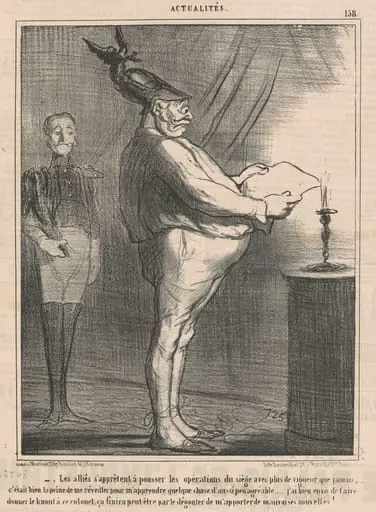 Les alliés s'appretent a pousser les opérations ...
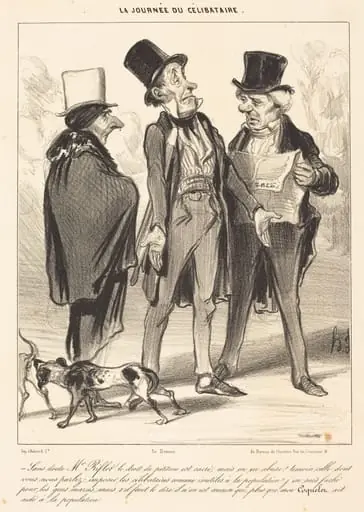 Sans doute M. Riflot le droit...