Artwork
Peony
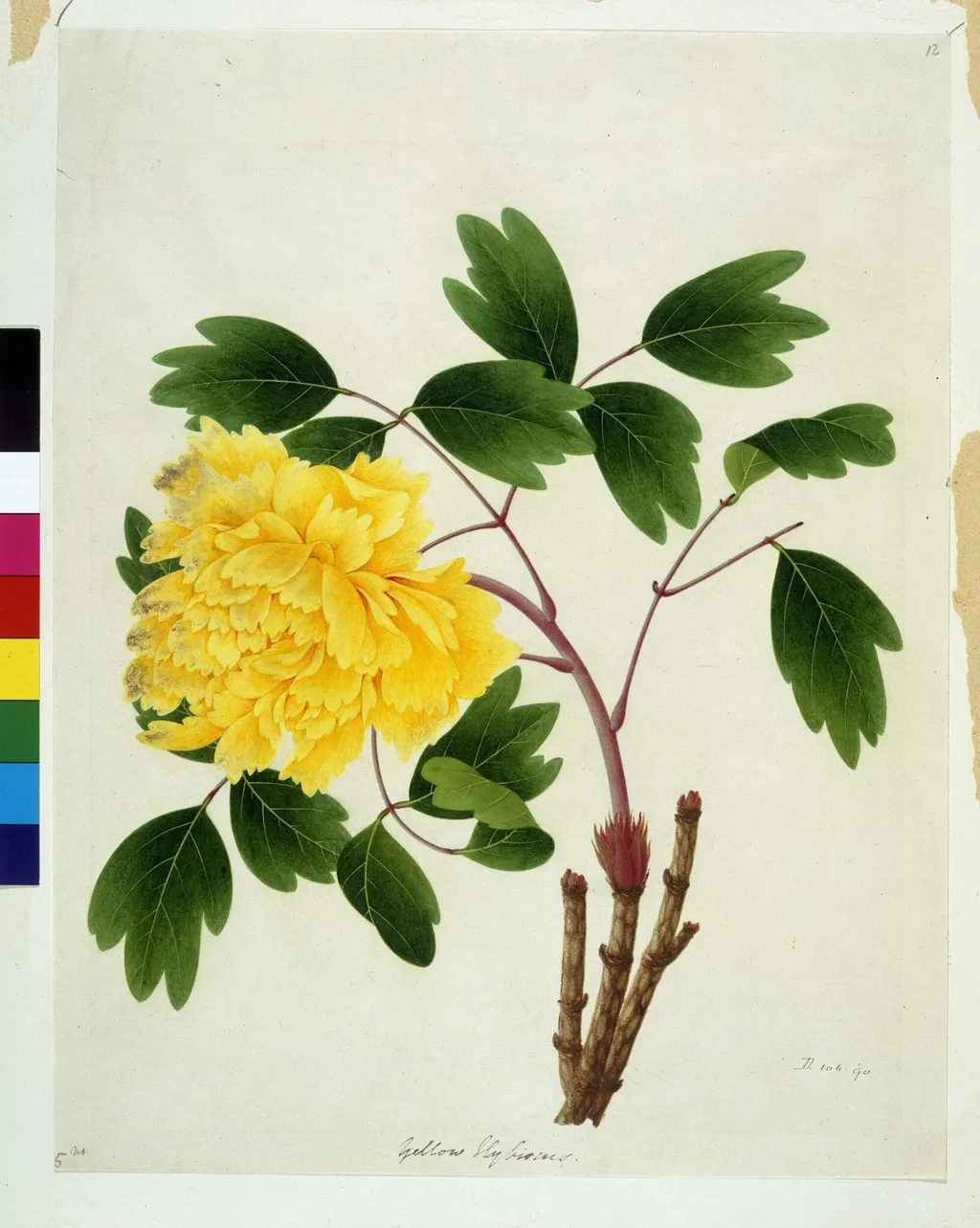
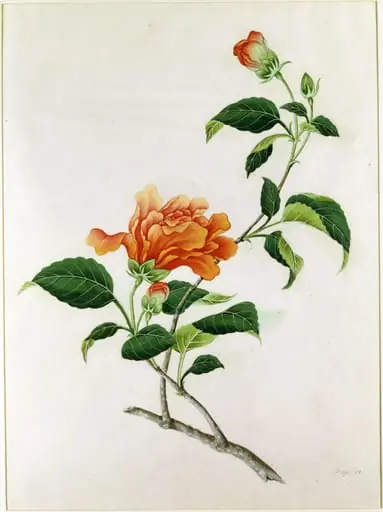
Peony is a paint painting by the Chinese Orthodox School artist Unknown. It dates from 1800 and is held in the collection of the Victoria and Albert Museum.
About this work
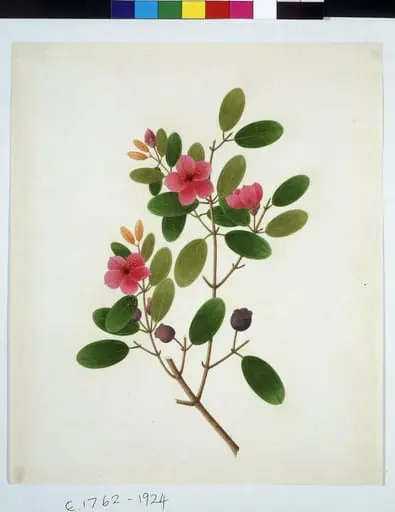
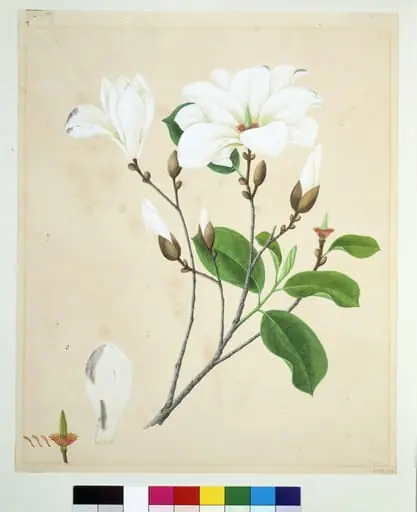
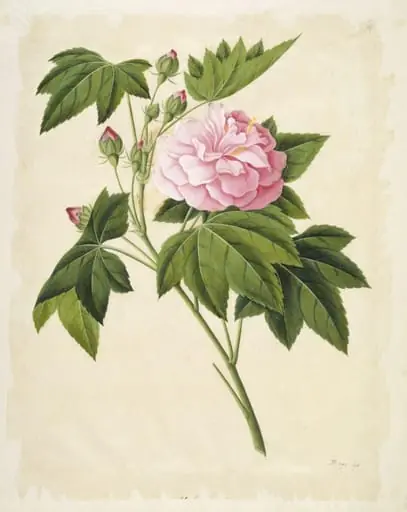
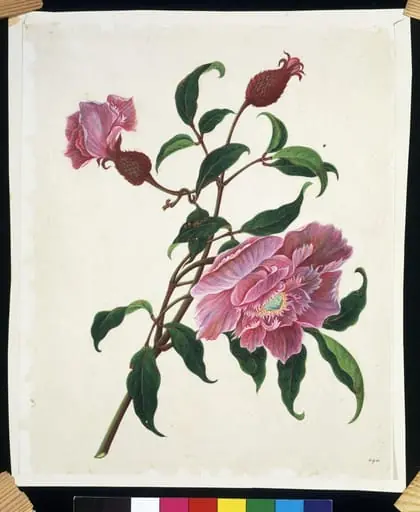
This painting shows a bright yellow peony on thick, creamy paper. The flower takes up most of the frame, with soft petals and a bold center.
It was made in China around 1820, but not for local buyers. British travelers loved foreign flowers, so they shipped art back home to study. This one came with imported paper meant for art, not just writing.
See this at the Victoria and Albert Museum.
Overview
The work depicts a vivid yellow peony rendered on a thick, creamy sheet of western paper. The flower dominates the composition, its soft petals surrounding a pronounced central disc, and fills most of the visual field. The piece dates to circa 1820 and originates from China, though it was created for an overseas market rather than local patrons.
Subject & Meaning
The singular focus on an exotic peony reflects the 19th‑century fascination with foreign flora among European naturalists and collectors. By presenting a striking, unfamiliar bloom, the painting serves both as a visual record of a botanical specimen and as an object of aesthetic curiosity for viewers intrigued by the botanical world beyond their own borders.
Technique & Style
Executed with delicate brushwork on imported western paper prized for its smooth surface, the artist achieves subtle gradations of light across the petals, emphasizing their softness. The composition’s close‑up framing and emphasis on color contrast align with contemporary botanical illustration practices, while retaining a painterly quality that distinguishes it from purely scientific renderings.
History & Provenance
Produced in China around 1820, the painting was intended for British travelers who sought visual documentation of exotic plants encountered abroad. The use of specially imported western paper indicates a deliberate preparation for export. The work eventually entered the collection of the Victoria and Albert Museum, where it remains on display.
Context
During the late 18th and early 19th centuries, British botanists and explorers returned from overseas voyages with both live specimens and illustrative artworks. Such images circulated among scientific societies and the wider public, feeding a growing appetite for knowledge of tropical and subtropical vegetation. This painting exemplifies that cross‑cultural exchange of botanical information.
Artist & collection

 Domestic Scene
 Giacomo and Cardinal Marco, investing Andrea, Abbot of San Zeno, with his Benefice
 The Nymph of Fontainebleau
 Portrait of a Woman
 Madonna and Child with Saints in the Enclosed Garden
 Venus and Minerva
 Family Group of Four on Sofa
 Wall painting from Room H of the Villa of P. Fannius Synistor at Boscoreale