Artwork
Portrait of a Lady
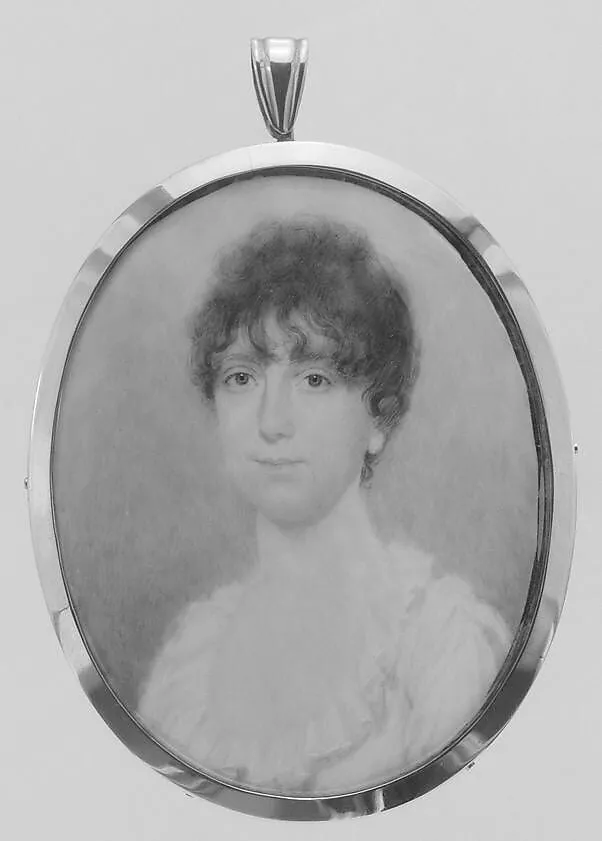
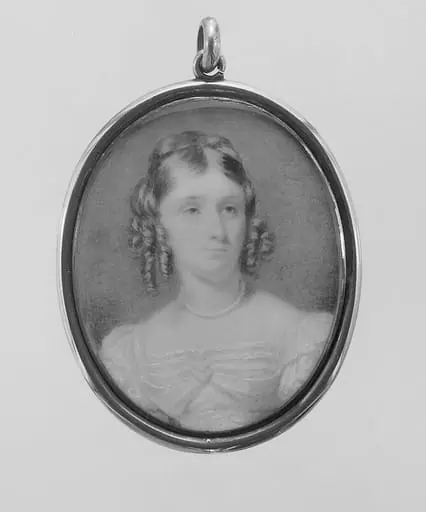
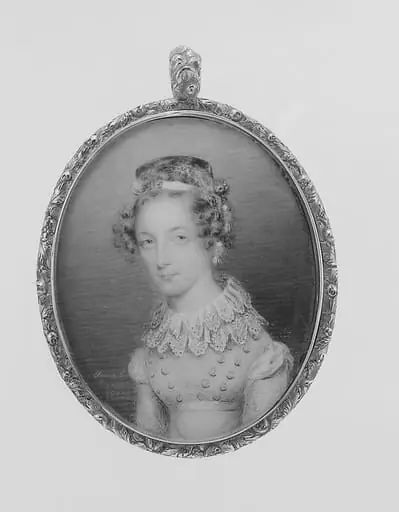
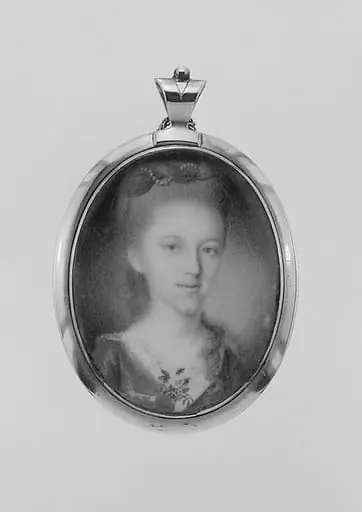
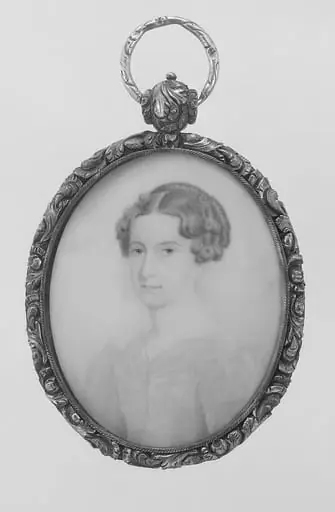
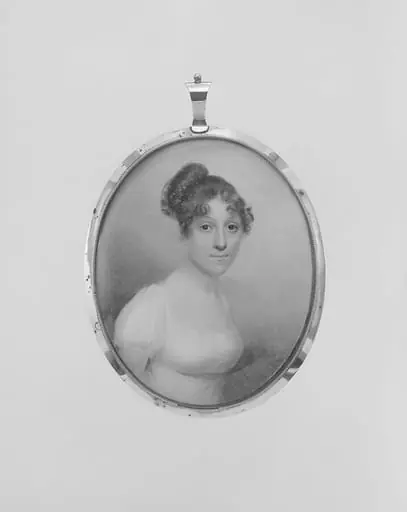
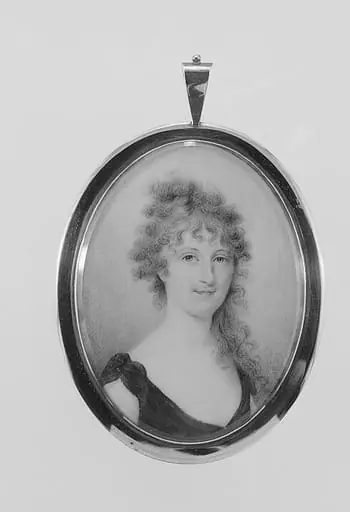
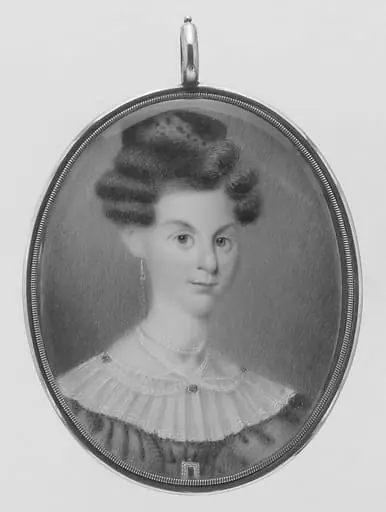
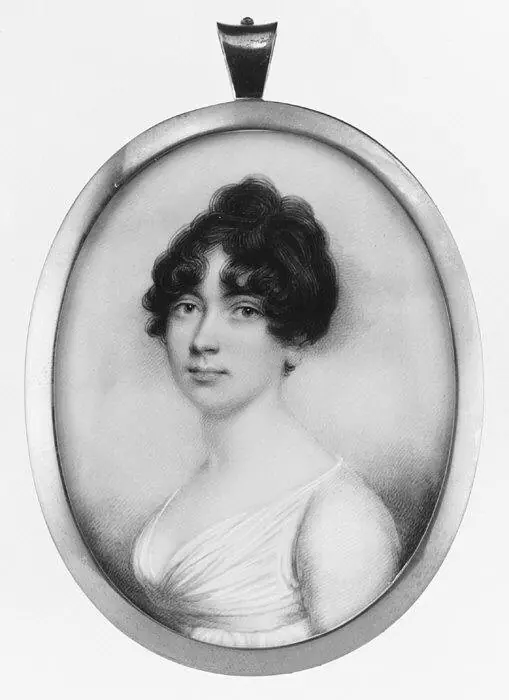
Portrait of a Lady is a watercolor painting. It dates from 1801 and is held in the collection of the Metropolitan Museum of Art.
About this work
The artist built up thin, see-through layers (called glazing) to make her skin look soft and glowing.
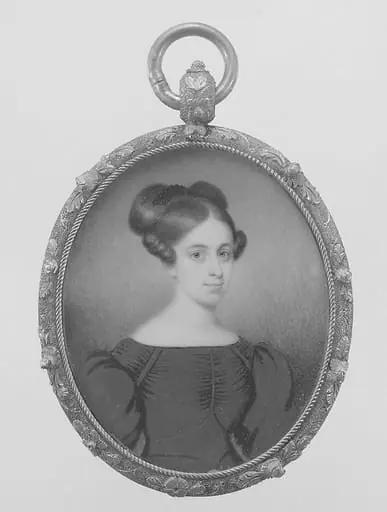
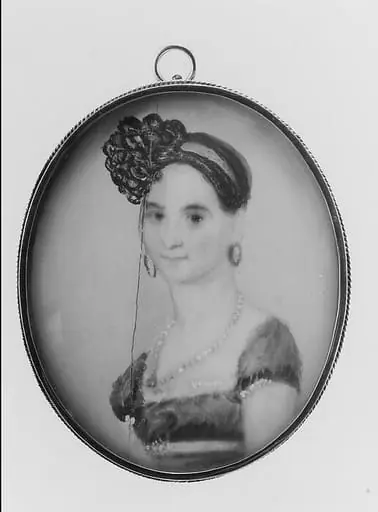
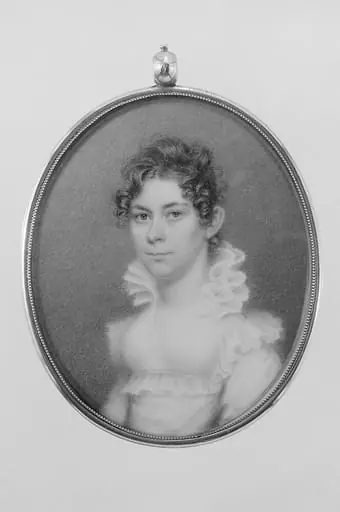
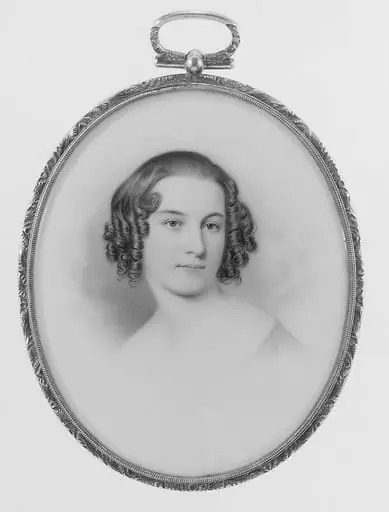
A woman in a high-necked white dress looks straight at you. Her dark hair is piled high, and a single curl rests on her shoulder. The painting is tiny—small enough to hold in your hand.
This is a watercolor on ivory, a technique used for keepsake portraits in the early 1800s. The artist built up thin, see-through layers (called glazing) to make her skin look soft and glowing. No one knows who painted it, but it was likely made in America around 1801.
To see more small, delicate portraits like this, look up *watercolor*.
Overview
This miniature, titled Portrait of a Lady, is a watercolor on ivory set within a gold case, likely created in America around 1801. It depicts a woman in a high-necked white dress, her dark hair styled high with a curl resting on her shoulder, gazing directly at the viewer. Its small scale suggests it was intended as a personal keepsake, easily held in the hand.
Technique & Style
Executed in watercolor on ivory, this portrait exemplifies a popular technique for miniature likenesses in the early 19th century. The artist meticulously applied thin, translucent layers, a method known as glazing, to achieve a delicate luminosity in the sitter's complexion. This approach contributed to the soft, refined appearance characteristic of such intimate works, enhancing the glowing quality of the skin.
History & Provenance
The creator of this miniature remains unidentified, a common circumstance for many such works from the period. However, stylistic elements and the choice of medium suggest it was produced in America around 1801. These small, personal portraits were often commissioned from itinerant artists or local practitioners whose names were not always recorded, making their specific authorship difficult to trace.
Context
Miniature portraits like this one served as cherished personal mementos during the early 1800s, often exchanged between loved ones or carried as keepsakes. Their small, portable format made them ideal for intimate display or travel. The delicate nature of watercolor on ivory further enhanced their precious quality, reflecting the sentimental value placed on such representations within the American Wing's collection.
Artist & collection