Artwork
Portrait of a Woman (Mrs. Ann Hivlyn)
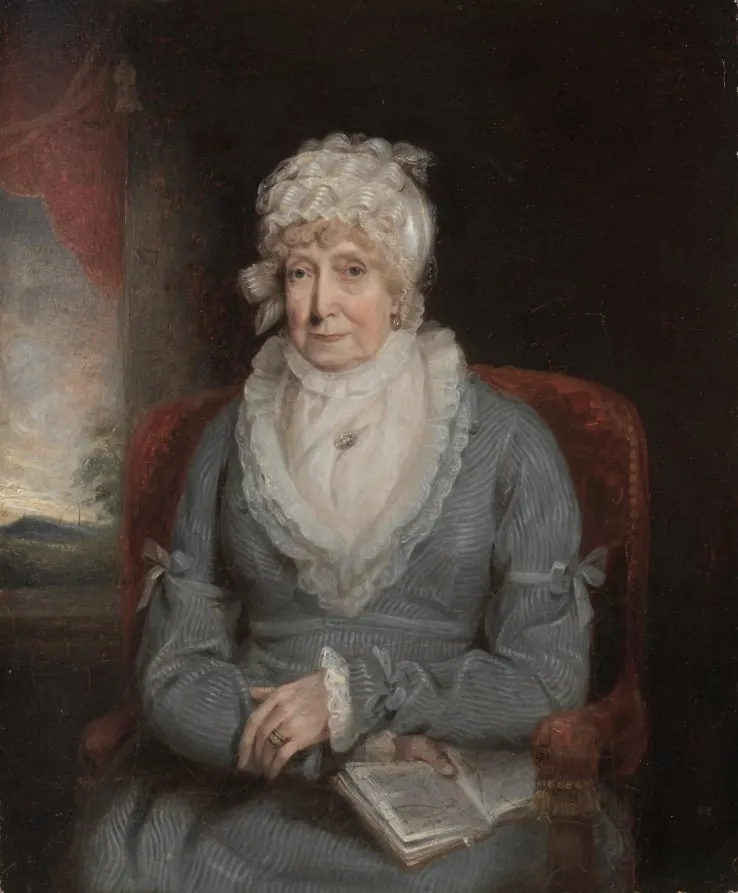
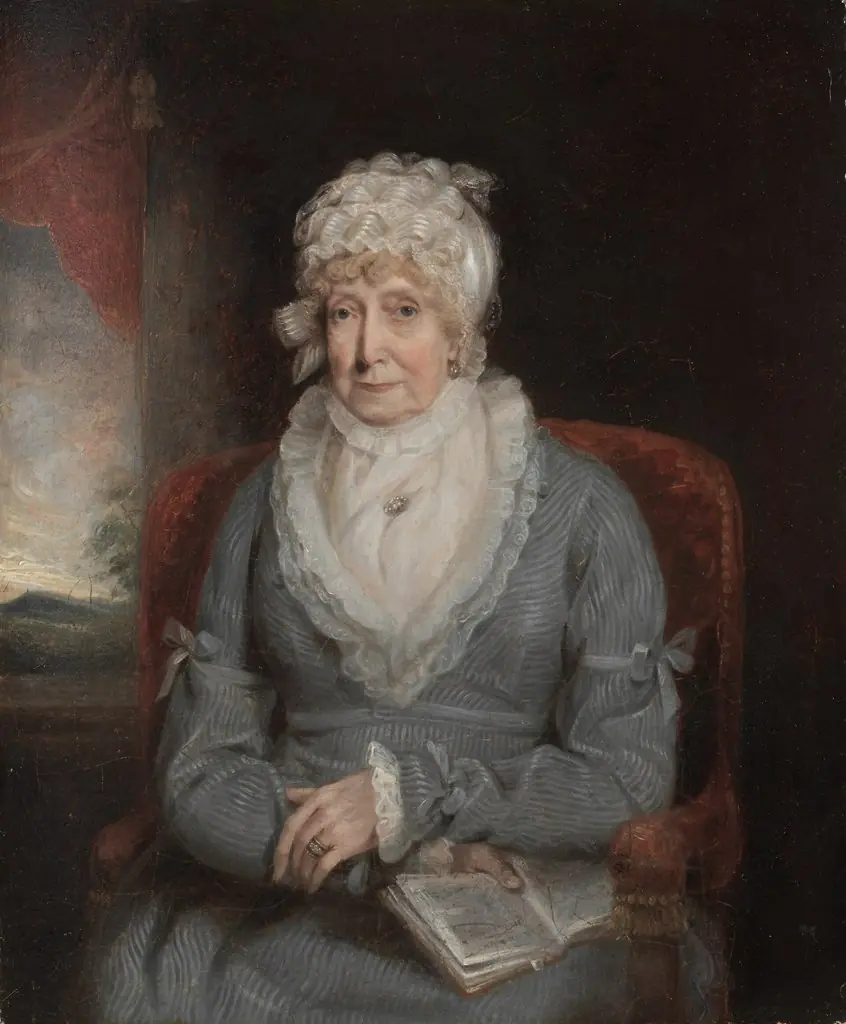
Portrait of a Woman (Mrs. Ann Hivlyn) is an unspecified painting by the Rococo painting artist Unknown. It dates from 1804 and is held in the collection of the Cleveland Museum of Art. The canvas presents a seated woman dressed in a blue gown with a white ruffled collar, complemented by a matching bonnet.
About this work
The use of muted colors and the focus on the subject's face and hands also indicate that the painting is a product of the Romanticism movement.
This painting depicts a woman sitting in a chair, wearing a blue dress with a white ruffled collar and a white bonnet. She is holding a book in her lap and has a ring on her finger. The background of the painting is dark, with a hint of a landscape visible on the left side.
The woman's attire and hairstyle suggest that the painting was created in the early 19th century. The use of muted colors and the focus on the subject's face and hands also indicate that the painting is a product of the Romanticism movement.
If you're interested in learning more about this style of painting, you might want to explore the Romanticism movement.
Overview
The canvas presents a seated woman dressed in a blue gown with a white ruffled collar, complemented by a matching bonnet. She rests a book on her lap, her hand adorned with a ring, while a darkened backdrop recedes, hinting at a distant landscape on the left. The composition centers on her face and hands, creating an intimate portrait.
Subject & Meaning
The sitter, identified as Mrs. Ann Hivlyn, is portrayed in a contemplative pose, suggesting literacy and domestic virtue. The inclusion of a book and the modest attire reflect early‑19th‑century ideals of femininity and moral refinement, while the subtle landscape may allude to a connection between the individual and the wider world beyond the domestic sphere.
Technique & Style
Executed with muted tonal values, the painting employs soft chiaroscuro to model the figure against a shadowed background. The brushwork emphasizes the texture of the fabric and the delicate rendering of the skin, characteristic of Romantic portraiture that favored emotional depth over strict academic precision. The limited palette reinforces the work’s introspective mood.
History & Provenance
Created in the early nineteenth century, the portrait aligns with the Romantic movement’s focus on personal sentiment. While specific details of its commission and subsequent ownership remain scarce, the work has been catalogued as a representation of period domestic portraiture, preserving the visual conventions and social expectations of its time.
Artist & collection

 Domestic Scene
 Giacomo and Cardinal Marco, investing Andrea, Abbot of San Zeno, with his Benefice
 The Nymph of Fontainebleau
 Portrait of a Woman
 Madonna and Child with Saints in the Enclosed Garden
 Venus and Minerva
 Family Group of Four on Sofa
 Wall painting from Room H of the Villa of P. Fannius Synistor at Boscoreale
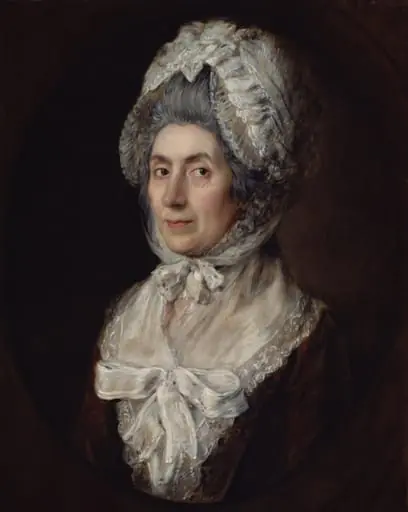 Sarah Dupont
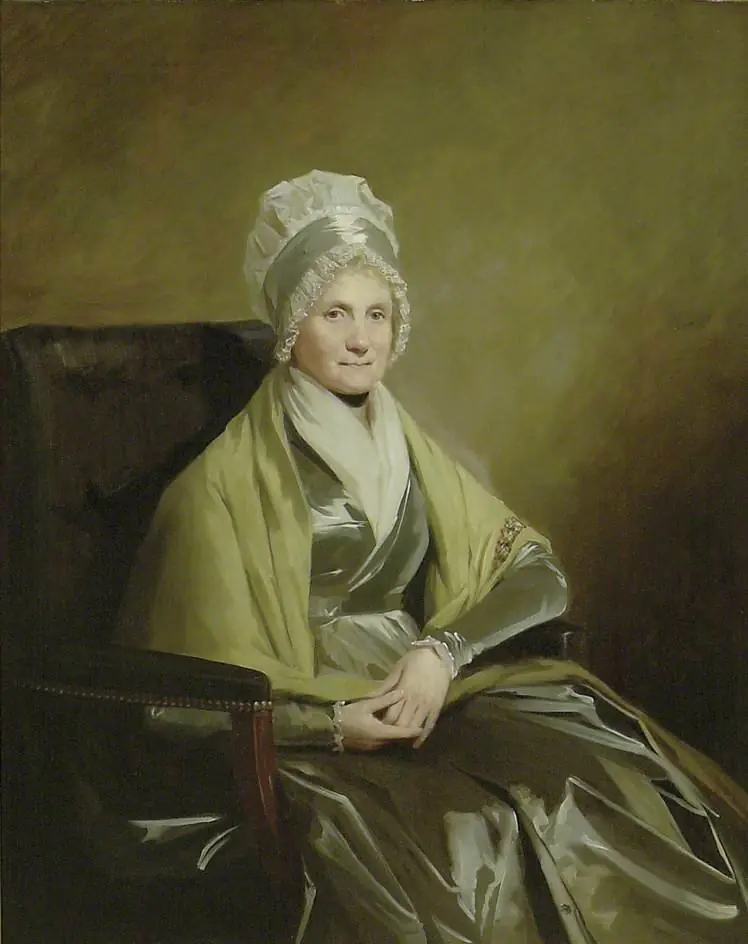 Mrs John Brown of Lanfine and Waterhaughs
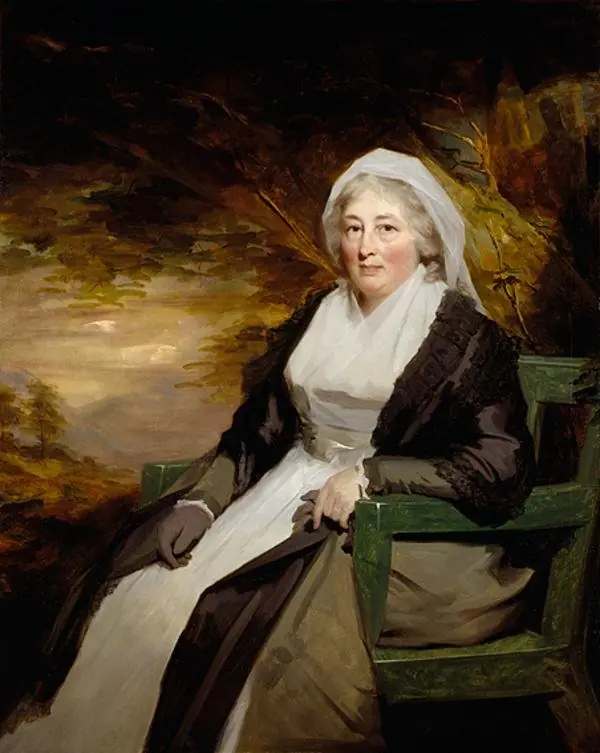 Christina Lamont Drummond, Mrs Dougald Campbell of Ballimore (1735 - 1810)
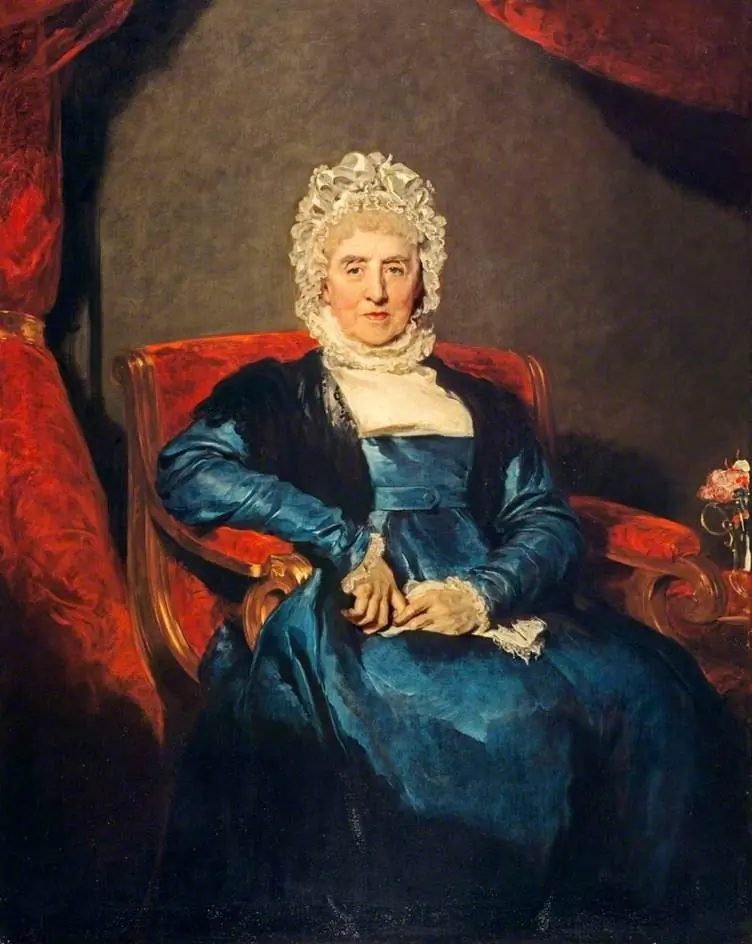 Mary Degg, Lady Robert Manners (1737 - 1829)
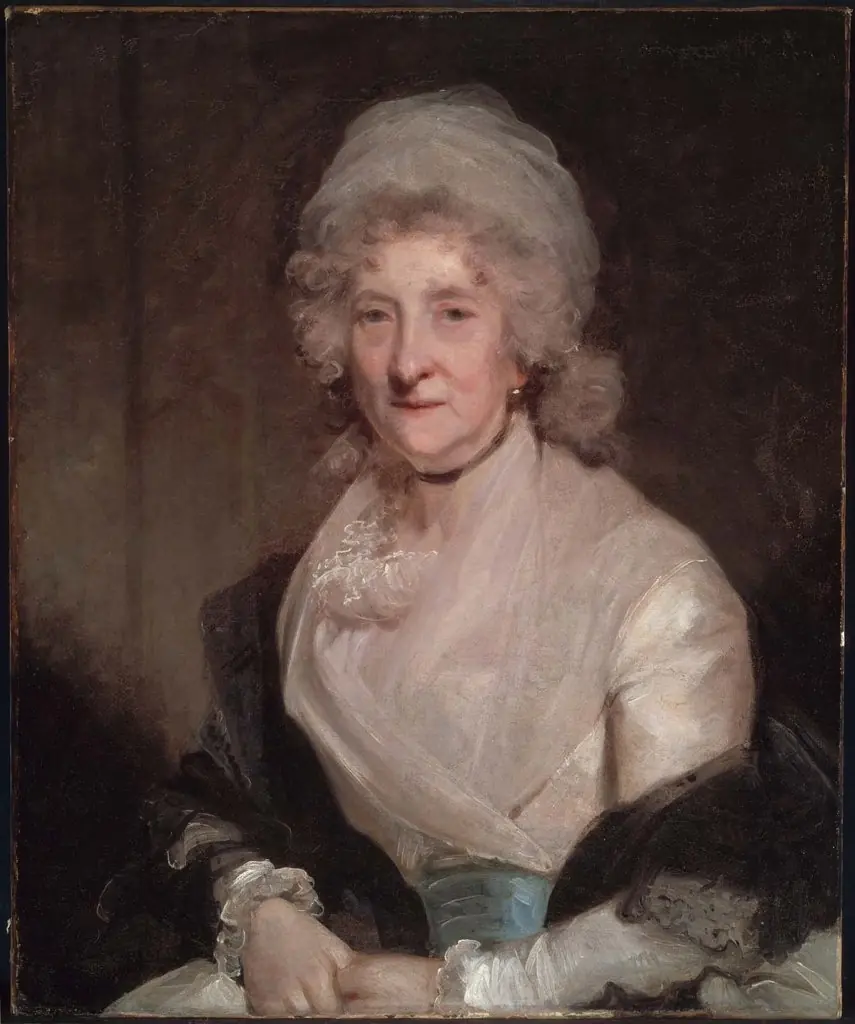 Dorcas, Lady Blackwood (Dorcas Stevenson), Baroness
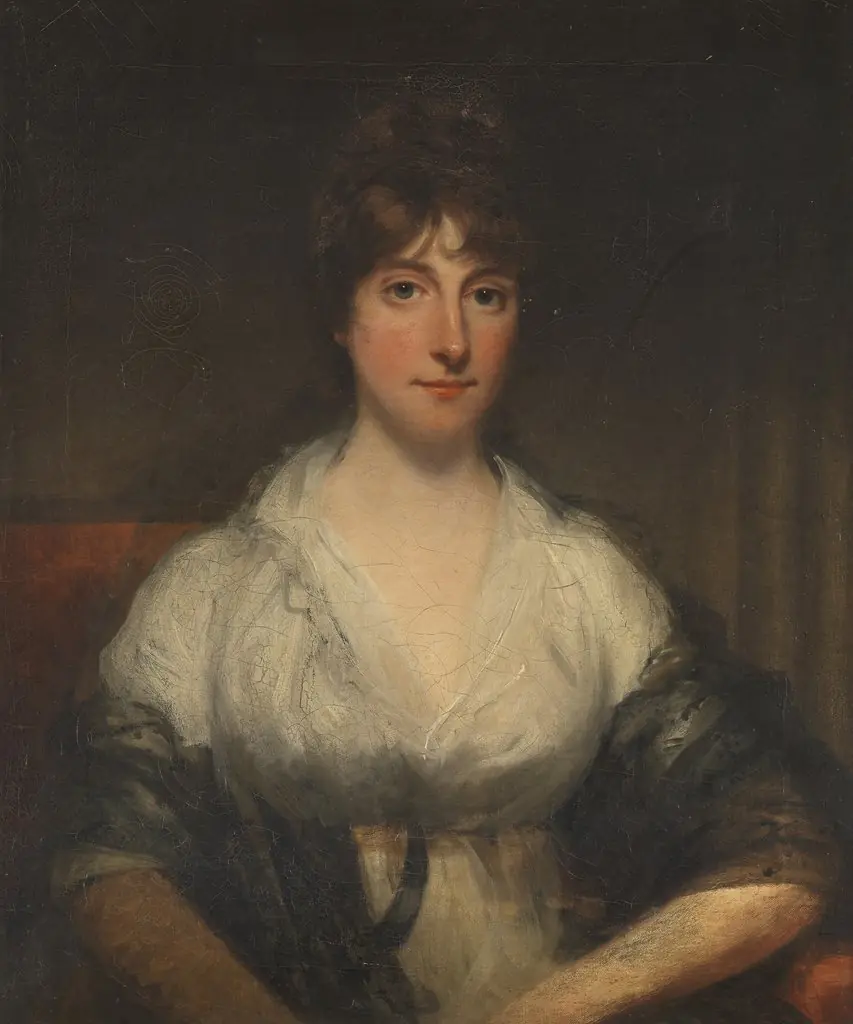 Mrs. Thornton
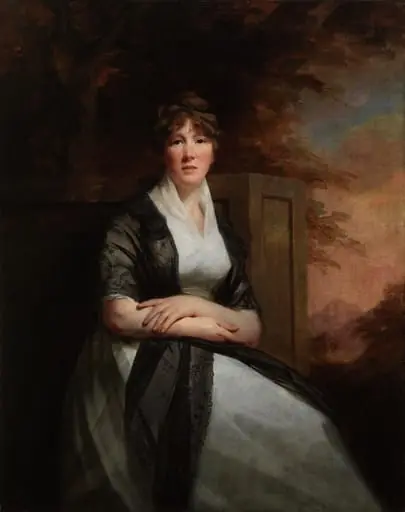 Lady Anne Torphichen
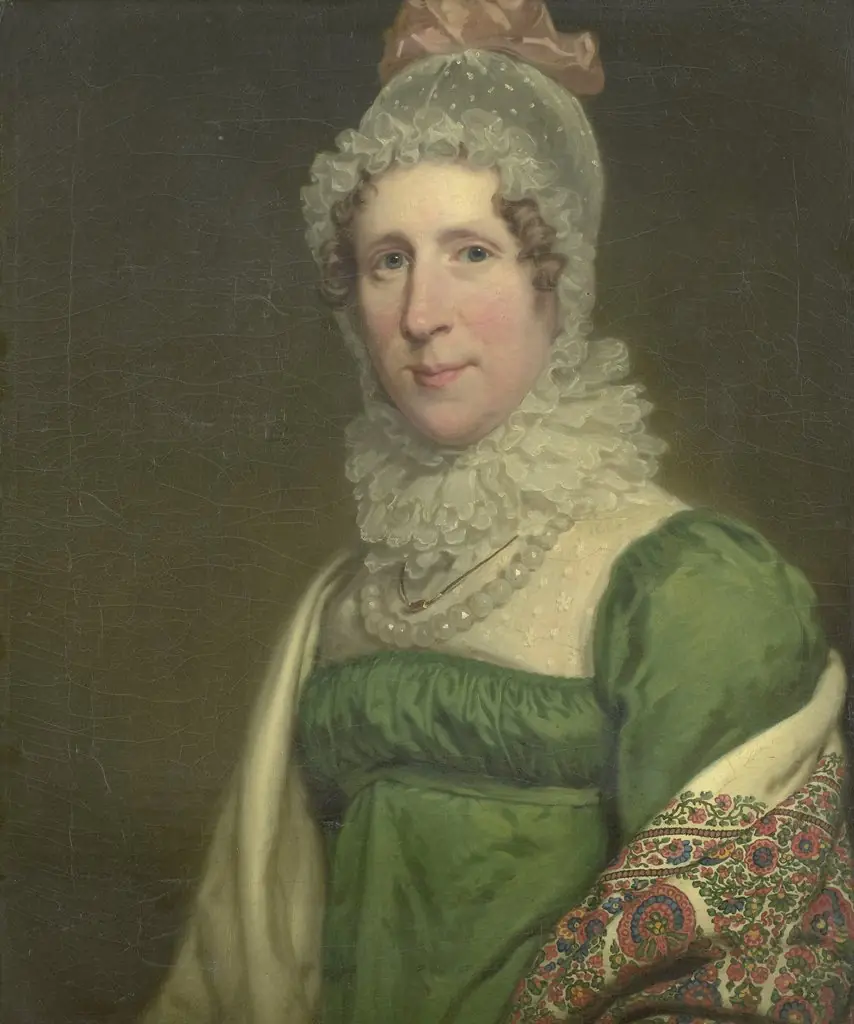 Portrait of Suzanna Maria Crommelin, Wife of Egbert Johannes Koch
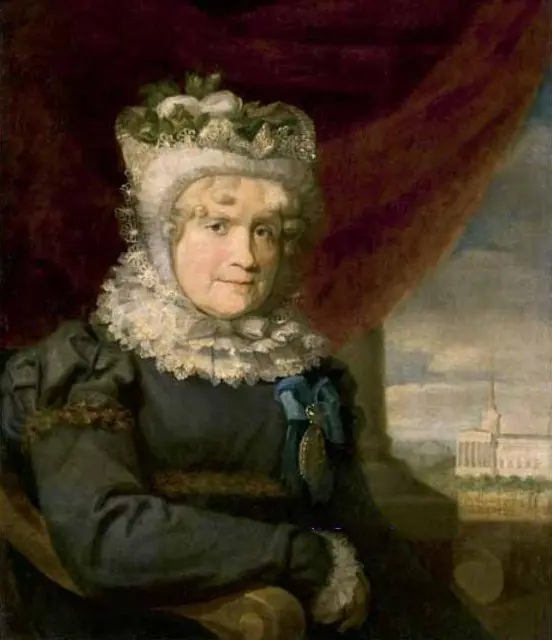 Portrait of Charlotte von Lieven (1742/43-1828)
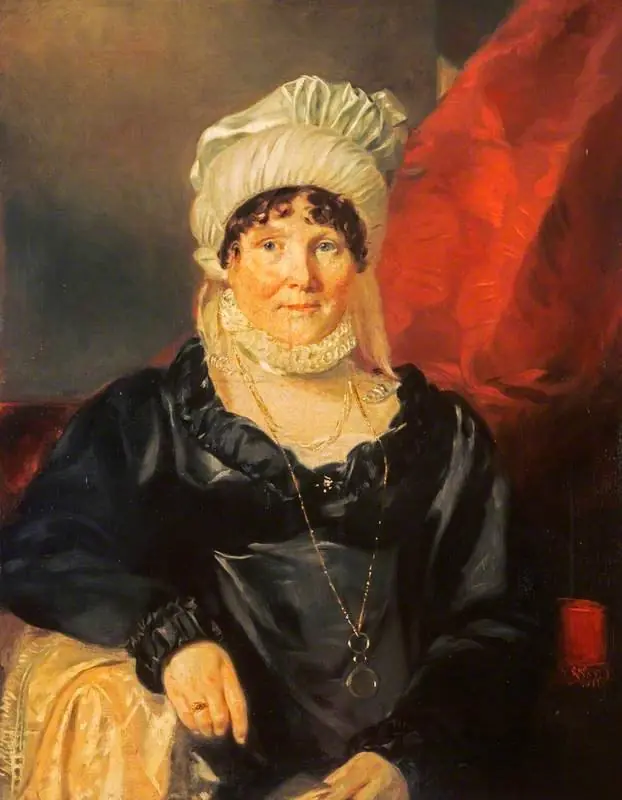 Euphemia Helen Smeton or Smeaton (died 1825) 'Mrs Douglas Dickson'
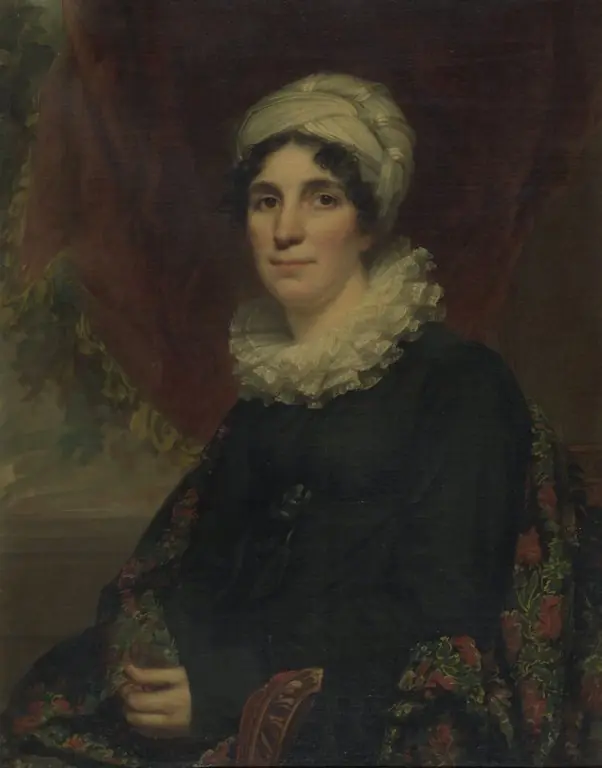 Mrs. James K. Bogert, Jr.
 Portrait of a Woman (Mrs. Ann Hivlyn)