Artwork
Portrait of Charlotte von Lieven (1742/43-1828)
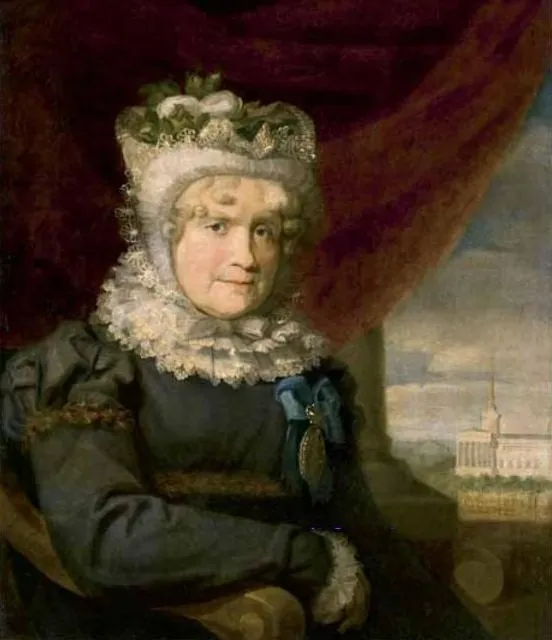
Portrait of Charlotte von Lieven (1742/43-1828) is an oil painting by George Dawe. It dates from 1827 and is held in the collection of the Hermitage Museum.
About this work
Overview
Painted in 1827 by the English artist George Dawe, this portrait captures Charlotte von Lieven, a prominent figure in Saint Petersburg’s aristocratic circles.
Painted in 1827 by the English artist George Dawe, this portrait captures Charlotte von Lieven, a prominent figure in Saint Petersburg’s aristocratic circles. Dawe, who relocated to Russia in 1819, was commissioned by the imperial court and became known for his formal depictions of Russian nobility. The work is part of the State Hermitage Museum’s collection, reflecting Dawe’s significant role in documenting the Russian elite during his decade-long stay.
Subject & Meaning
Charlotte von Lieven, born in 1742/43 and active in Russian high society until her death in 1828, is portrayed with quiet dignity. Her composed posture, restrained expression, and thoughtful gaze suggest a woman of cultivated inner life rather than overt display. The painting avoids theatricality, emphasizing poise and reserve—qualities valued in aristocratic women of her time and social standing.
Technique & Style
Dawe employed smooth, controlled brushwork to render fabric and skin with subtle gradations of light. The dark dress contrasts with the pale hat and blue ribbon, drawing attention to the face and hands. The red curtain behind her provides depth without distraction, framing the figure with muted grandeur. His style blends British portraiture traditions with the refined elegance favored in Russian imperial circles.
History & Provenance
Commissioned during Dawe’s tenure in Saint Petersburg, the portrait entered the Hermitage’s holdings shortly after its completion. Dawe’s broader project—the Military Gallery of the Winter Palace—established his reputation, but this intimate portrait reflects his skill in capturing individual character beyond military or official roles. Its continuous presence in the museum underscores its early acceptance as a significant work of the period.
Context
In early 19th-century Russia, foreign artists like Dawe were often engaged to document the imperial elite, blending Western techniques with local sensibilities. Charlotte von Lieven, as a member of the court, would have been part of this cultural exchange. Her portrait reflects the transnational nature of aristocratic identity, where British artistic training served Russian social expectations of decorum and refinement.
Legacy
Though less known than Dawe’s military portraits, this work exemplifies his ability to convey quiet authority through understated composition. It remains a representative example of how foreign artists shaped Russian portraiture during the Napoleonic era. The painting contributes to the historical record of women in imperial society, preserving their presence beyond political or military narratives.
Artist & collection
Artist
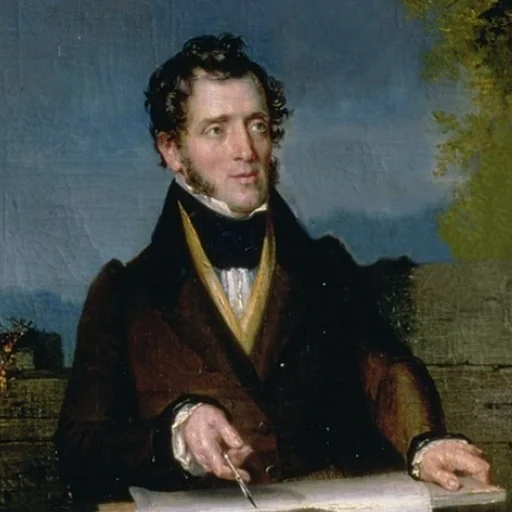
George Dawe (6 February 1781 – 15 October 1829) was an English portraitist who painted 329 portraits of Russian generals active during Napoleon's invasion of Russia for the Military Gallery of the Winter Palace.

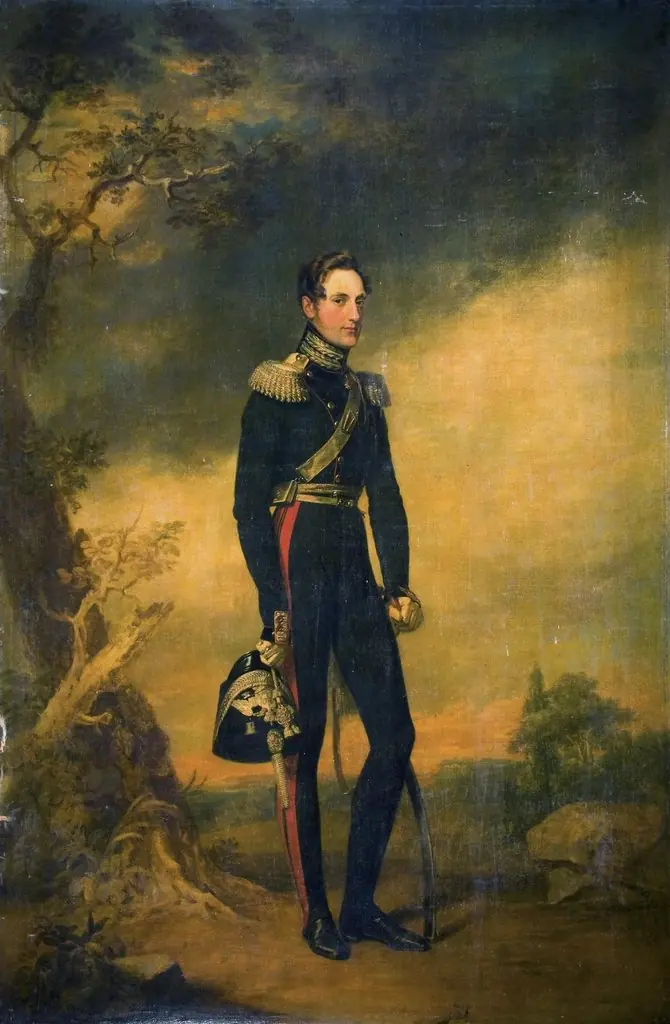 Portrait of Grand Duke Nikolai Pavlovich
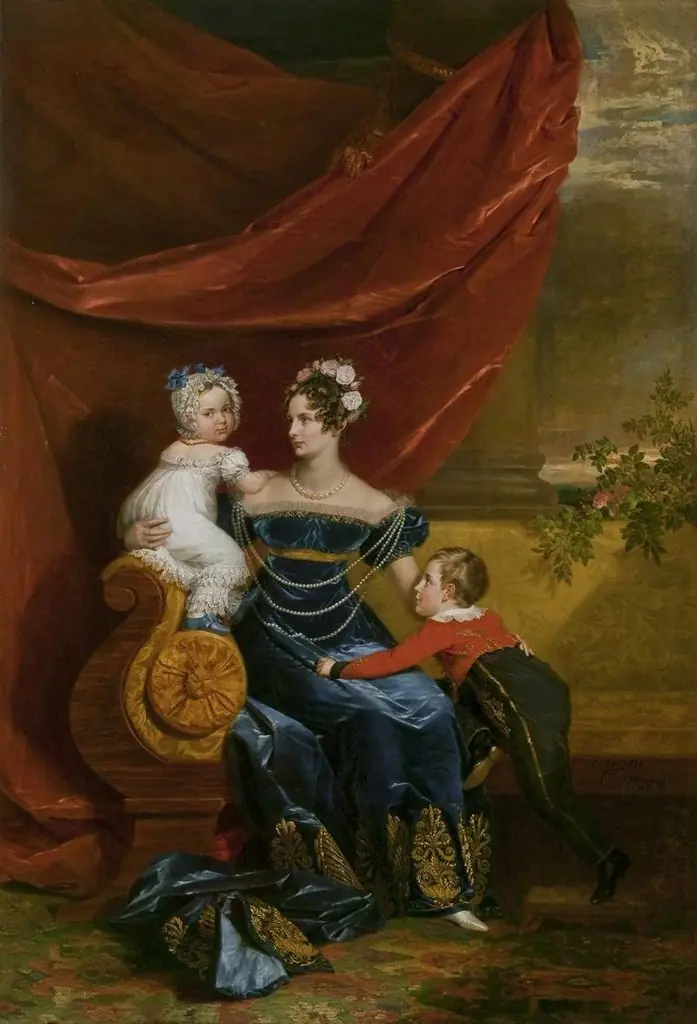 Portrait of Grand Duchess Alexandra Fiodorovna with Children
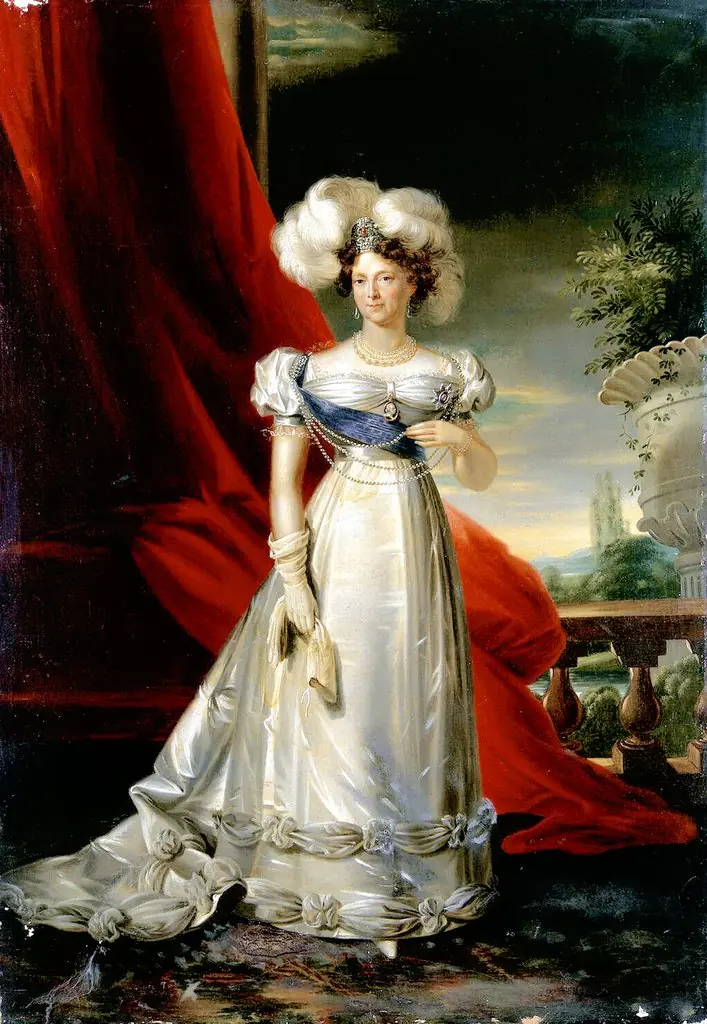 Portrait of the Empress Dowager Maria Feodorovna
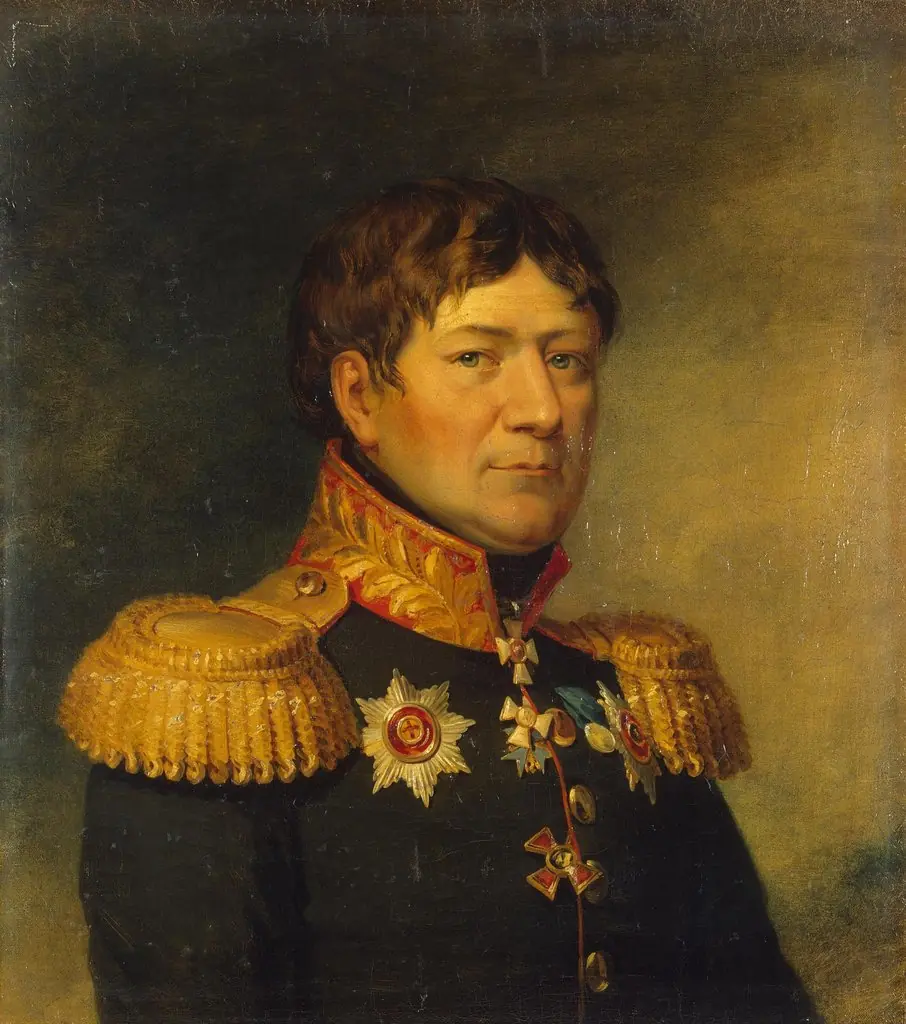 Portrait of Yegor M. Pillar (1767-1830)
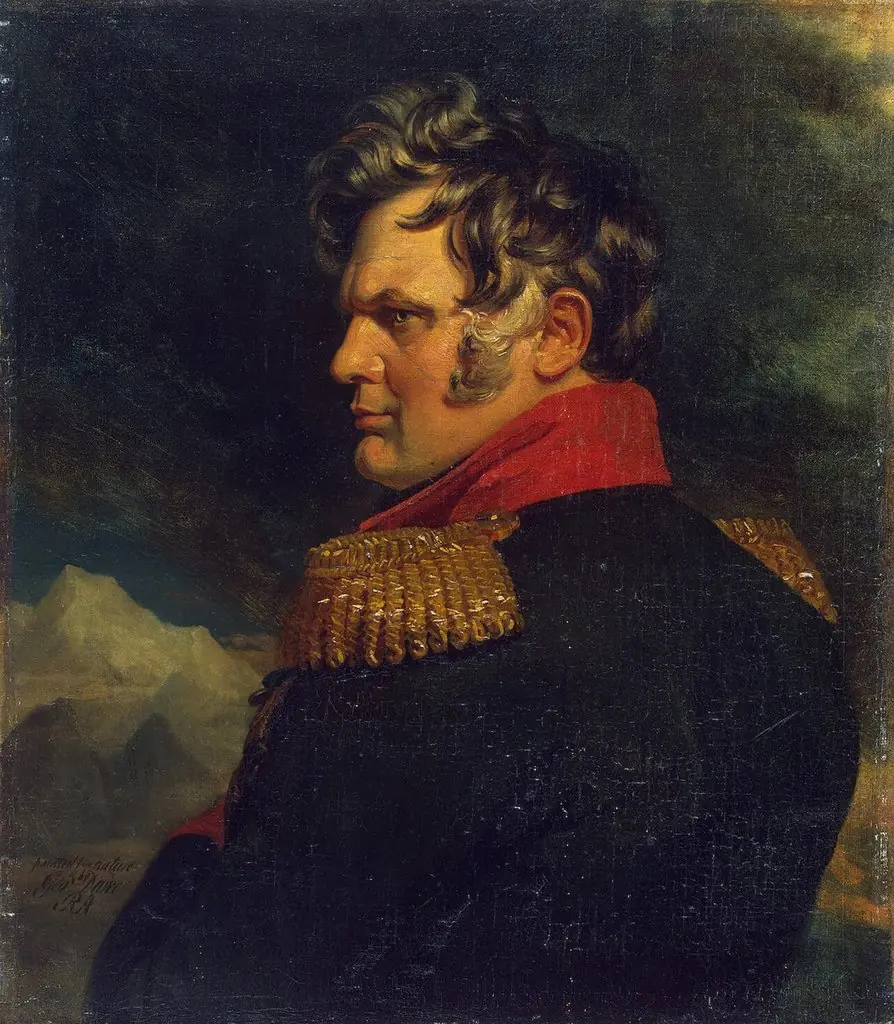 Portrait of Alexei P. Yermolov (1772/77-1861)
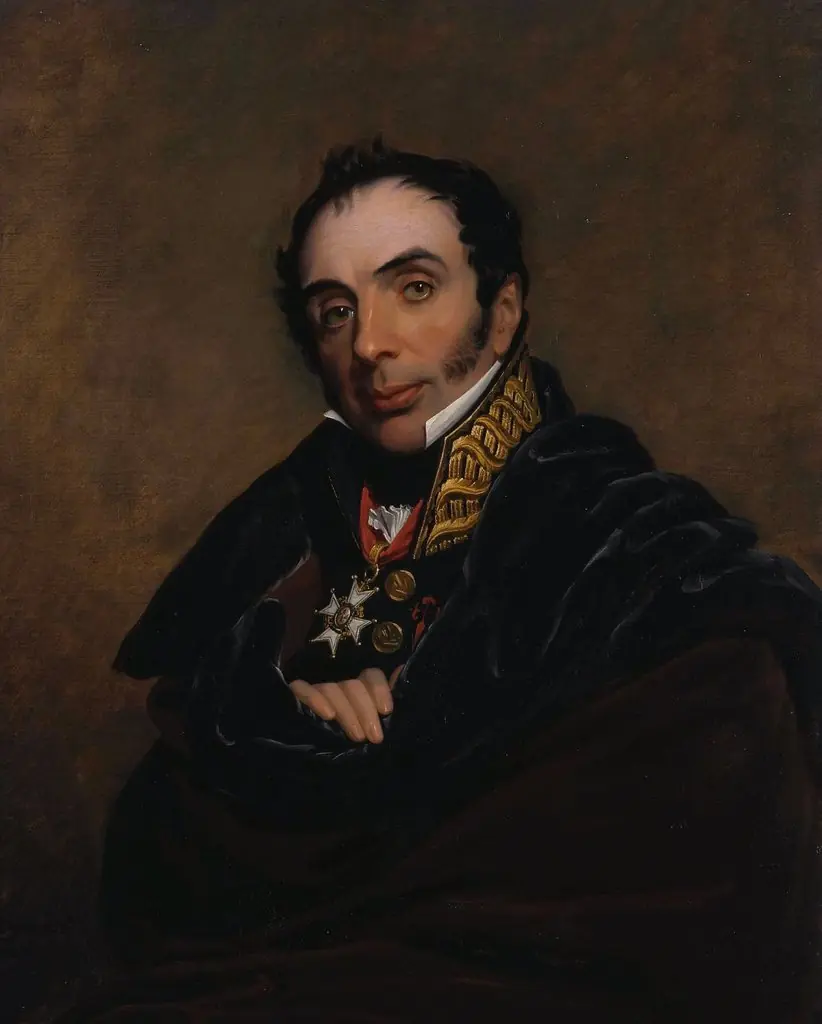 Portrait of Miguel Ricardo de Alava
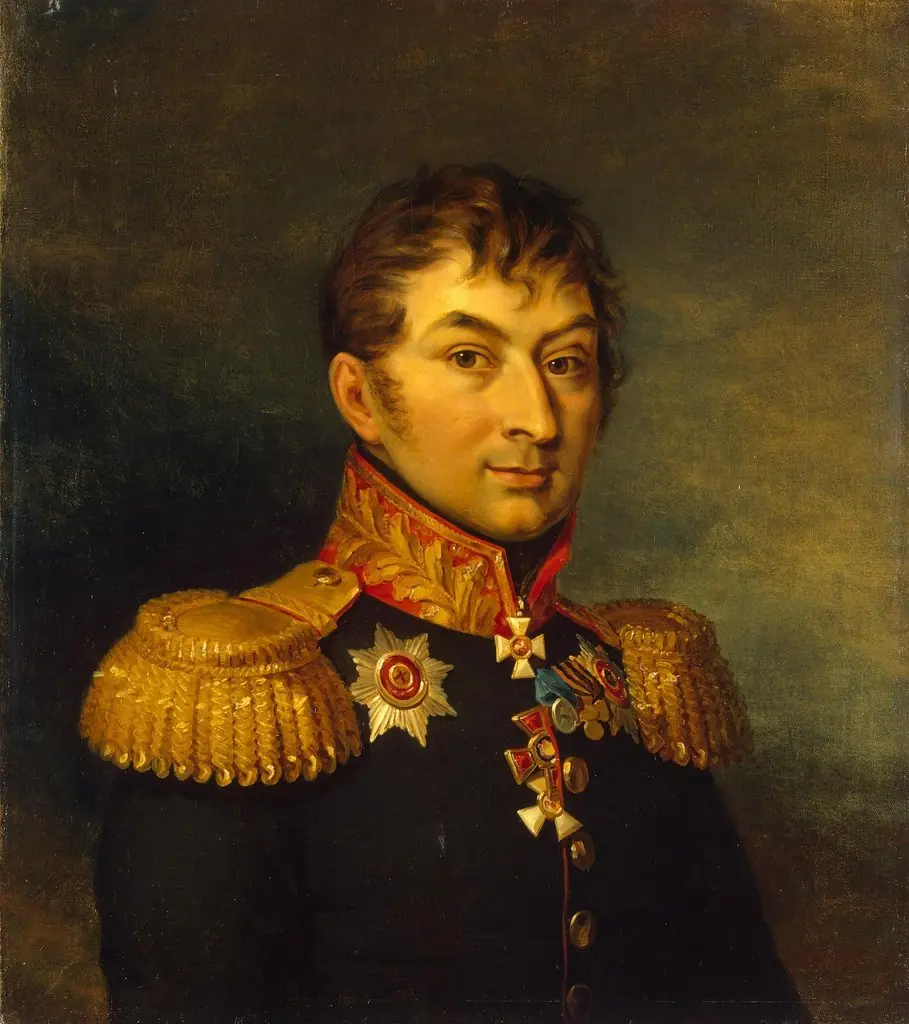 Portrait of Ivan D. Panchulidzev (1759-1815) (1st)
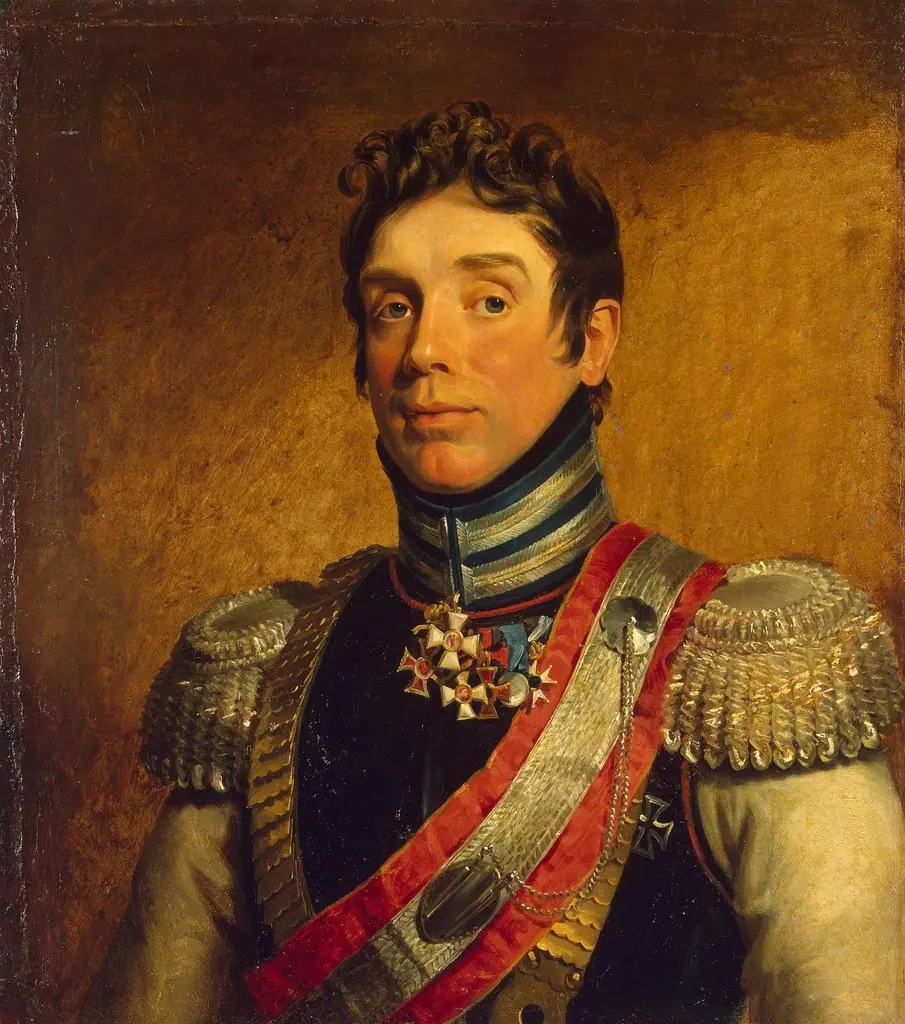 Portrait of Karl V. Budberg (1774-1829)
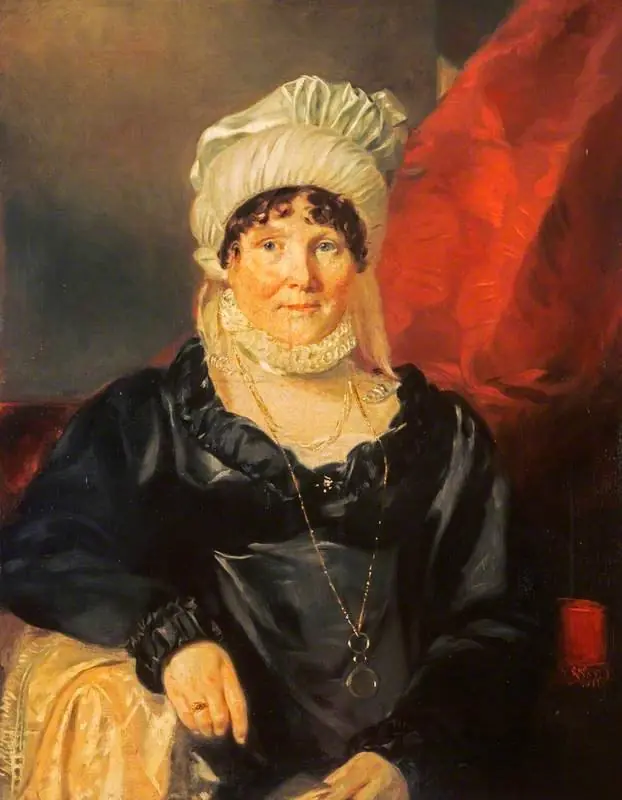 Euphemia Helen Smeton or Smeaton (died 1825) 'Mrs Douglas Dickson'
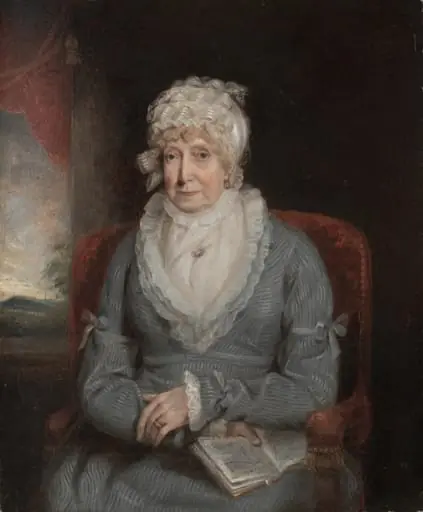 Portrait of a Woman (Mrs. Ann Hivlyn)
 Dorcas, Lady Blackwood (Dorcas Stevenson), Baroness
 Sarah Dupont
 Mrs John Brown of Lanfine and Waterhaughs
 Rouva Anna Krogiuksen muotokuva
 Mary Degg, Lady Robert Manners (1737 - 1829)
 Portrait of a Woman (Mrs. Ann Hivlyn)
 Mrs. James K. Bogert, Jr.
 Portret damy
 Портрет баронессы В.С. Васильевой
 Portrait of Princess Charlotte of Wales