Artwork
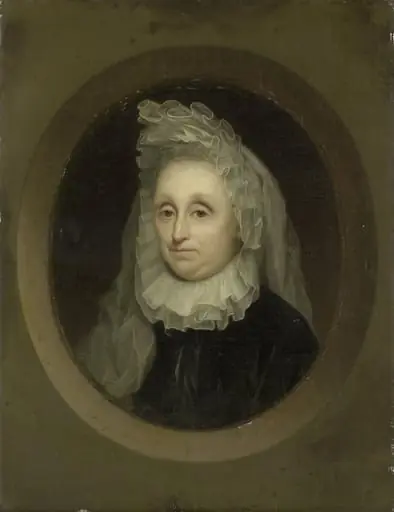
Portrait of Christina Sebilla Charlotte Bakhuizen (1750-1810)
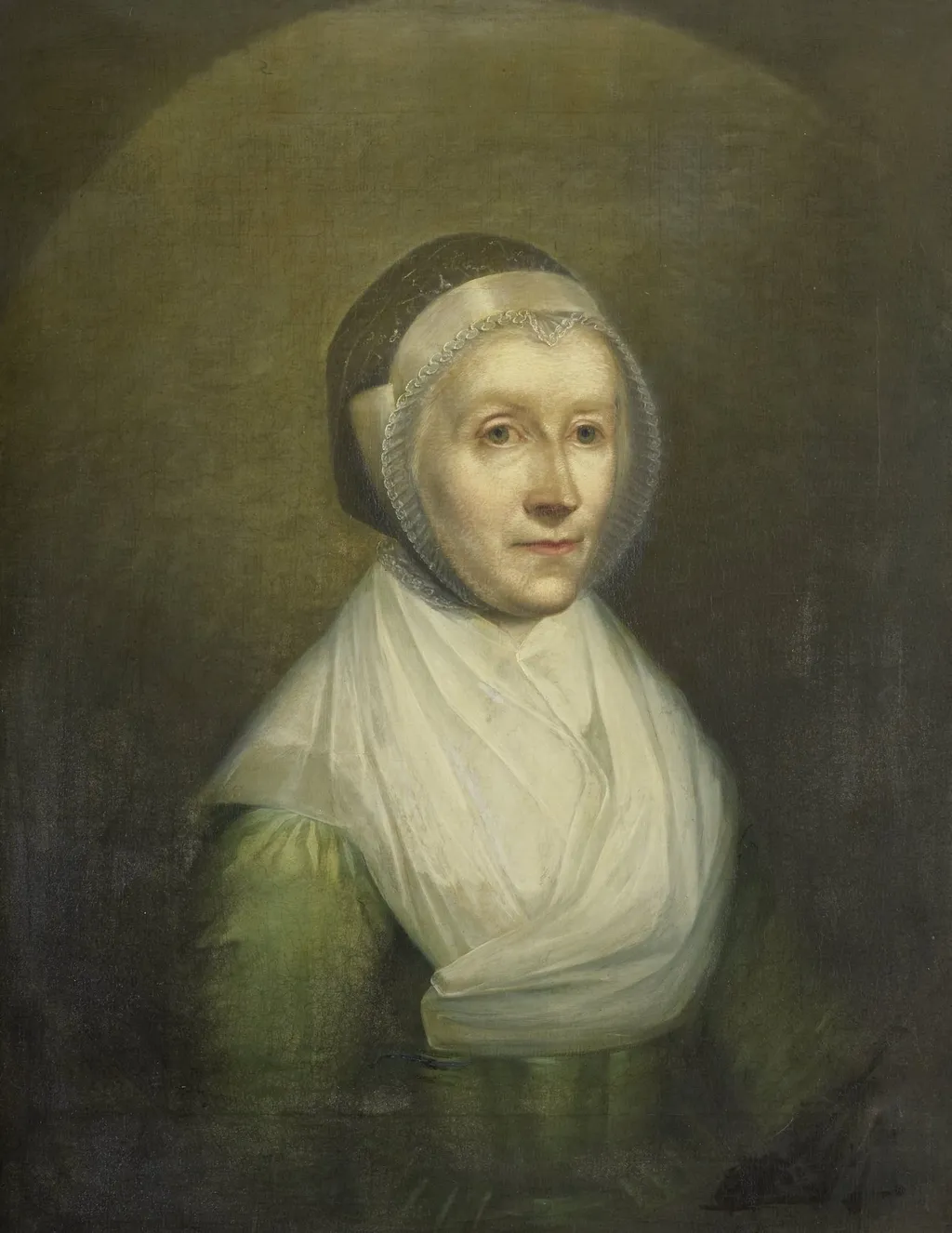
Portrait of Christina Sebilla Charlotte Bakhuizen (1750-1810) is an unspecified painting by the Rococo painting artist Unknown. It dates from 1802 and is held in the collection of the Rijksmuseum.
About this work
It’s unusual because it shows Christina Sebilla Charlotte Bakhuizen, a real person, not a famous figure or a made-up scene.
A woman in a white dress and lace cap looks over her shoulder at you. Her face is calm, her hands folded in her lap. The background is dark, making her stand out.
This painting was made in 1802, but we don’t know who painted it. It’s unusual because it shows Christina Sebilla Charlotte Bakhuizen, a real person, not a famous figure or a made-up scene. The details—like the lace on her cap—are painted carefully, almost like a photograph.
To see more paintings like this, visit the Rijksmuseum.
Overview
Painted in 1802, this portrait depicts Christina Sebilla Charlotte Bakhuizen, a Dutch woman of modest social standing, not a noble or public figure. The work is unsigned, and the artist remains unidentified. Its focus on an ordinary individual, rendered with quiet precision, distinguishes it from the grander portraiture common in the period. The painting survives as a personal record, preserved in a private collection before entering public hands.
Subject & Meaning
Christina Sebilla Charlotte Bakhuizen, wife of Amsterdam merchant Joannes van den Brink, is shown in a moment of stillness, her gaze turned slightly over her shoulder. Her composed expression and folded hands suggest dignity and restraint, qualities valued in domestic life. The portrait does not seek to glorify but to affirm her presence and identity, reflecting a shift toward intimate, individualized representation in early 19th-century Dutch society.
Technique & Style
The artist rendered fine details—lace trim on the cap, the texture of the white dress—with careful brushwork, emphasizing tactile realism. The dark, unmodeled background isolates the figure, heightening focus on her form and attire. Lighting is soft and even, avoiding dramatic contrast. This restrained approach prioritizes clarity and accuracy over theatricality, aligning with emerging tastes for naturalism in private portraiture.
History & Provenance
The painting’s early ownership is undocumented, but it remained within the Bakhuizen-van den Brink family until entering a public collection. Its survival is notable, as many such domestic portraits were lost or discarded over time. The absence of the artist’s signature and lack of contemporary records make attribution difficult, though its style suggests a local Amsterdam painter working outside the academic mainstream.
Context
In early 1800s Amsterdam, portraiture for non-elite families was becoming more common, fueled by rising merchant wealth and changing attitudes toward personal identity. While formal state or aristocratic portraits dominated public spaces, private commissions like this one reflected quieter values: modesty, familial continuity, and quiet self-regard. This work belongs to a growing category of unassuming yet carefully executed domestic images.
Legacy
Though not widely exhibited or studied, the portrait contributes to understanding how ordinary individuals were visually represented in the late Enlightenment. Its preservation offers insight into the visual culture of non-noble Dutch families, where personal dignity was conveyed through restraint and detail rather than grandeur. It stands as a quiet testament to the value placed on individual presence in a transitional era.
Artist & collection

 Domestic Scene
 Giacomo and Cardinal Marco, investing Andrea, Abbot of San Zeno, with his Benefice
 The Nymph of Fontainebleau
 Portrait of a Woman
 Madonna and Child with Saints in the Enclosed Garden
 Venus and Minerva
 Family Group of Four on Sofa
 Wall painting from Room H of the Villa of P. Fannius Synistor at Boscoreale
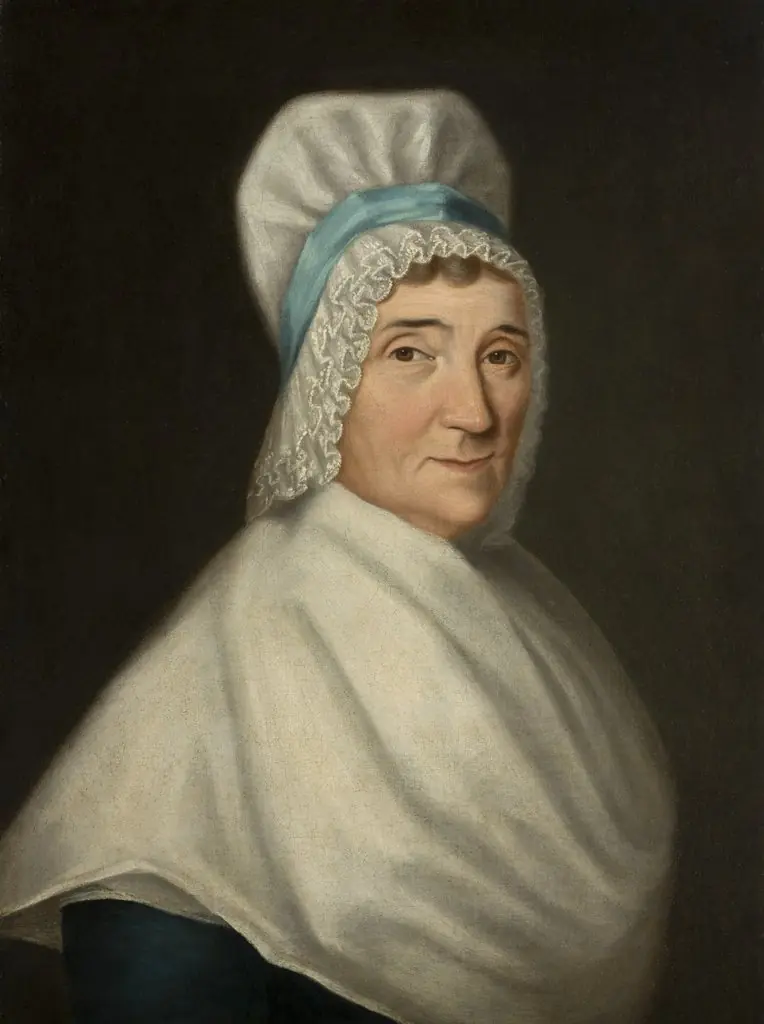 Madame Gabriel Cotte
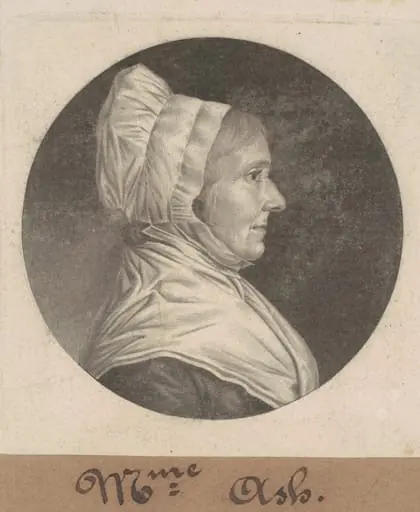 Mrs. Ash
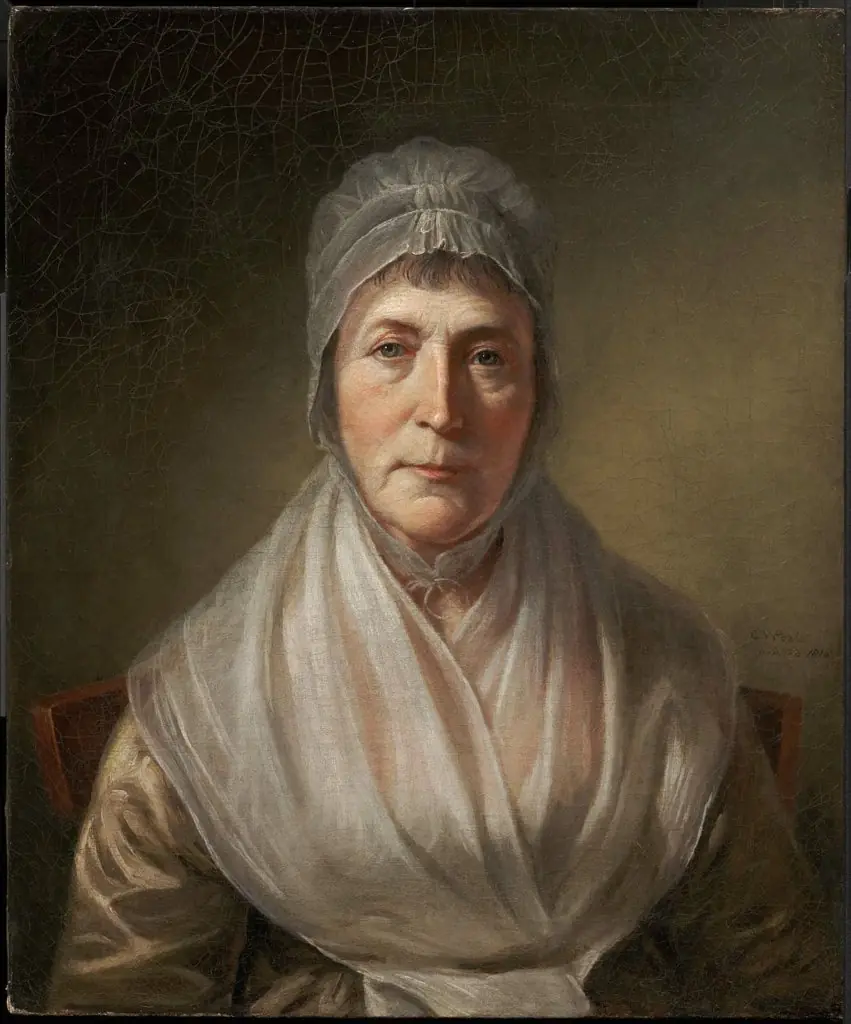 Mrs. Charles Willson Peale (Hannah Moore)
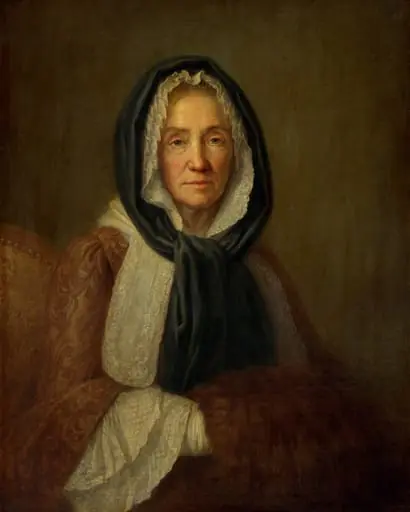 Old Woman with a Muff
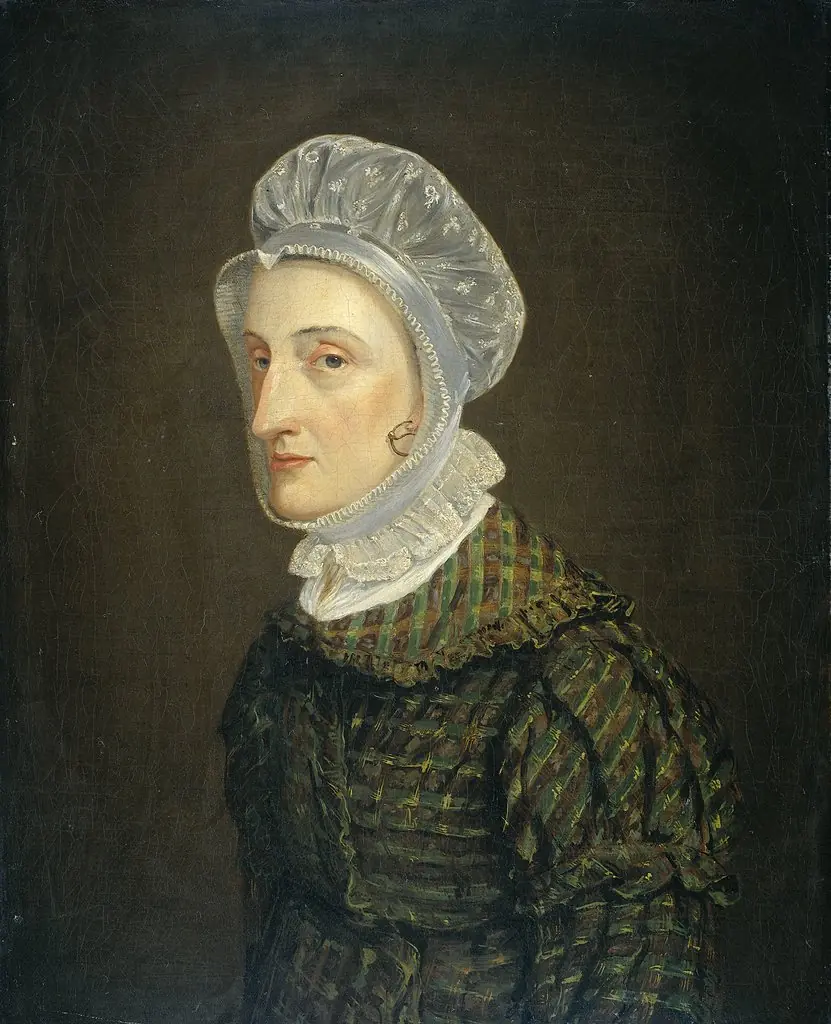 Portrait of Maria Petronella Mann, Wife of Heinrich Gottfried Theodor Crone
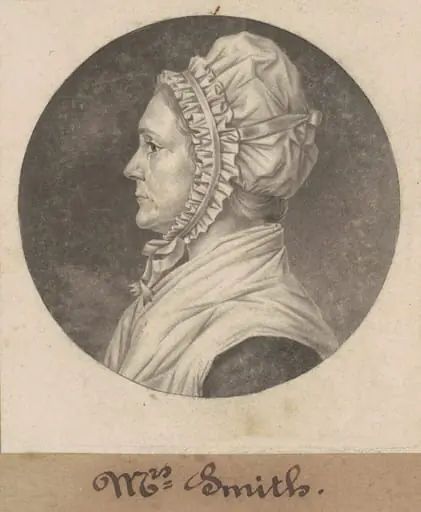 Elizabeth Custis Teackle Smith
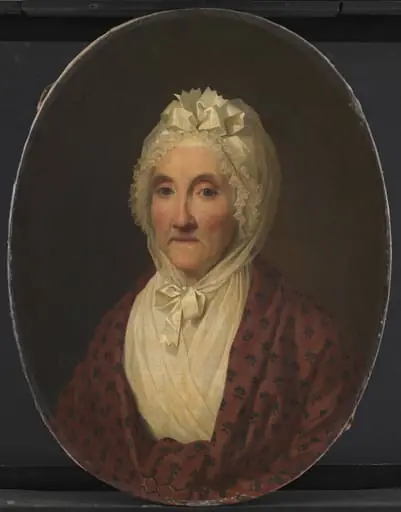 Brændevinsbrænder Bagges enke
 Mrs. Levi Willard (Catherine Chandler)
 Mary Cuthbert (Mrs. James Cuthbert) (?)
 Mrs. Benjamin Simons
 Portrait of Suzanna Maria Crommelin, Wife of Egbert Johannes Koch
 Portrait of Josnia Parduyn (1642-1718), second wife of Aernout van Citters