Artwork
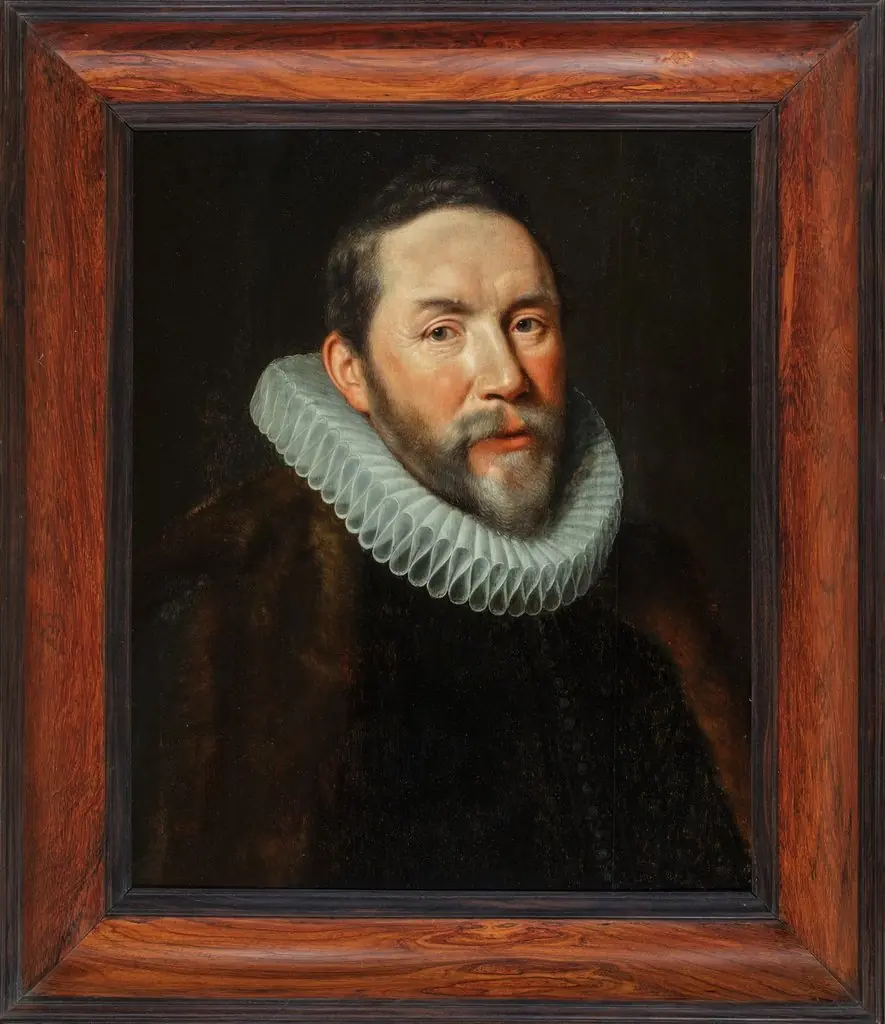
Portrait of Ewoud Pietersz van der Horst, Director of the Rotterdam Chamber of the Dutch East India Company, elected 1618
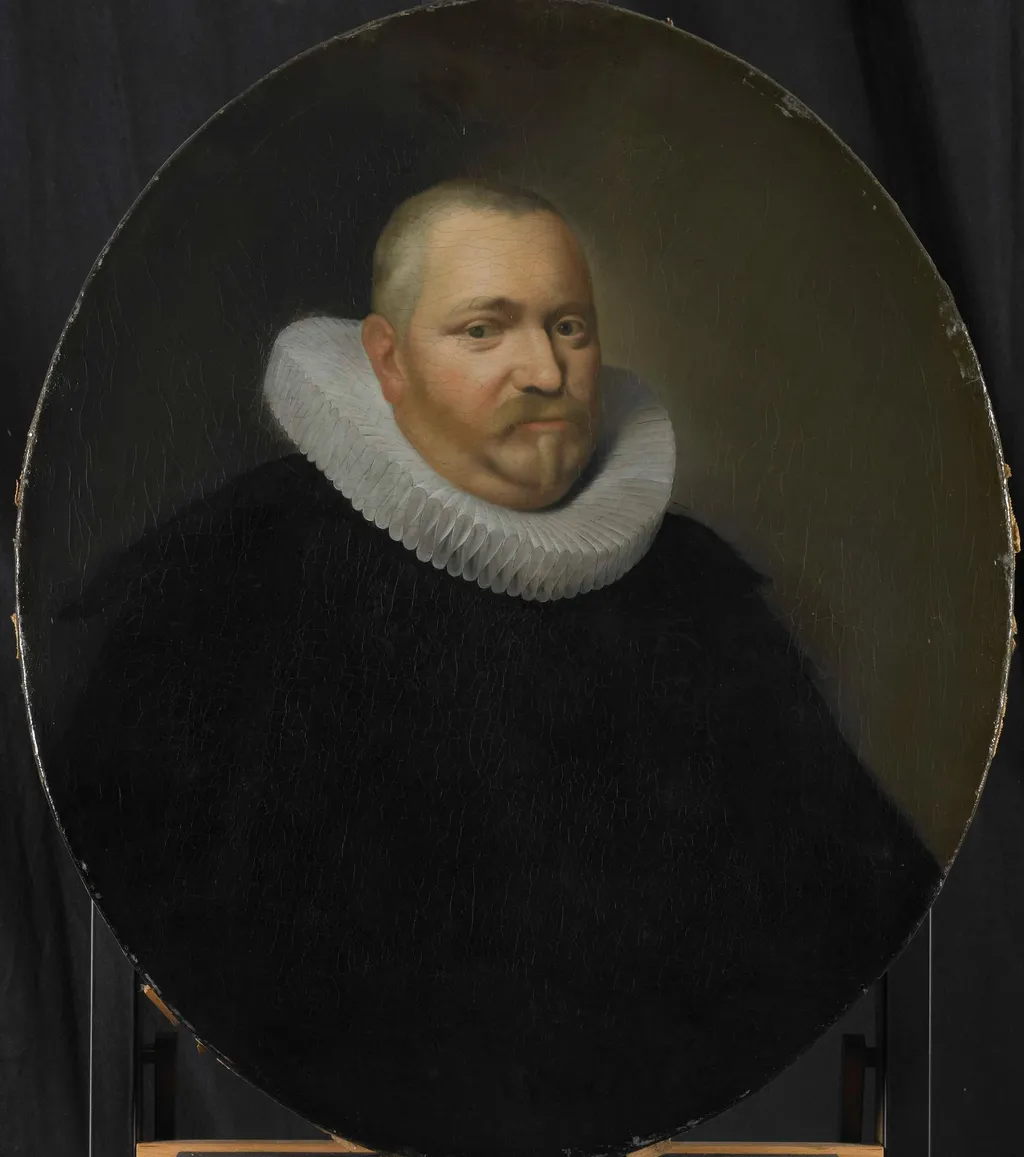
Portrait of Ewoud Pietersz van der Horst, Director of the Rotterdam Chamber of the Dutch East India Company, elected 1618 is an unspecified painting by the Dutch Golden Age artist Unknown. It dates from 1708 and is held in the collection of the Rijksmuseum. This portrait depicts Ewoud Pietersz van der Horst, Director of the Rotterdam Chamber of the Dutch East India Company, elected in 1618.
About this work
Overview
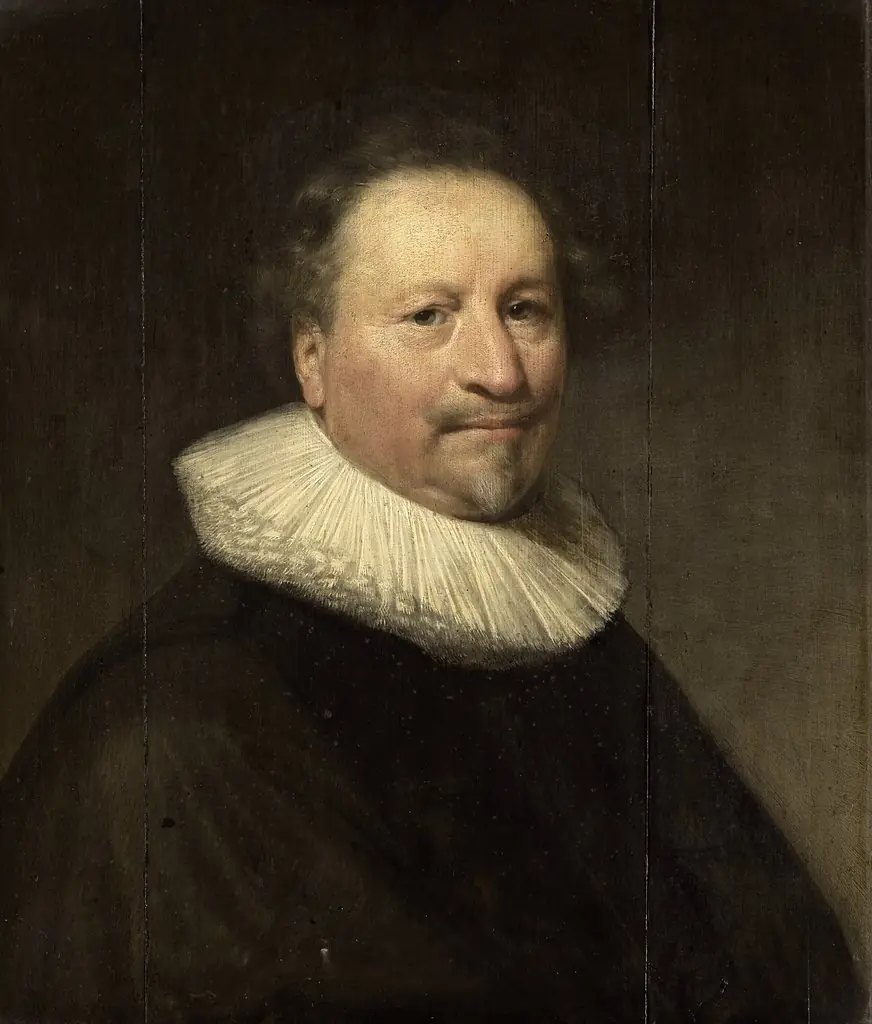
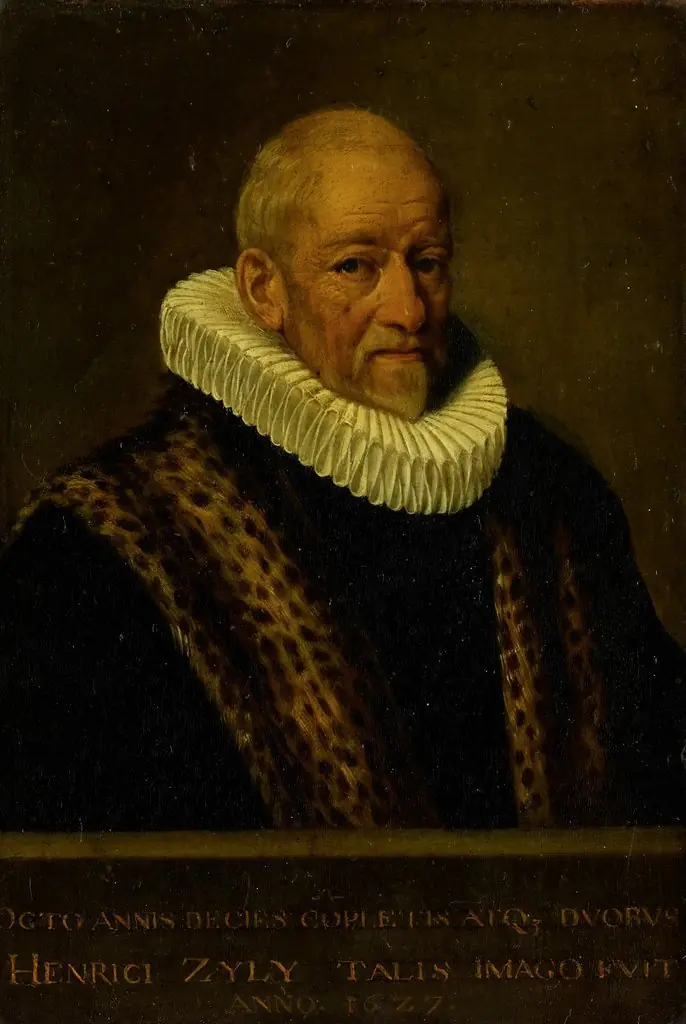
This portrait depicts Ewoud Pietersz van der Horst, Director of the Rotterdam Chamber of the Dutch East India Company, elected in 1618. The subject is rendered in a formal, serious demeanor, set against a somber background that emphasizes his facial expression.
Subject & Meaning
The portrait honors van der Horst's prominent position in Rotterdam's trading elite. His attire, particularly the white ruff collar, signifies his wealth and status, characteristic of high-ranking males during the 17th century.
Technique & Style
The painting employs a strong contrast between light and dark, a technique reminiscent of chiaroscuro, to dramatize the subject's face. The dark, textured jacket and plain background further accentuate this focal point.
History & Provenance
Elected as Director in 1618, van der Horst's portrait was likely commissioned to mark his achievement, though specific details about the artist and the painting's early history are not provided.
Context
Created during the Dutch Golden Age, the portrait reflects the era's mercantile prosperity and the importance of the Dutch East India Company. The subject's role underscores the city of Rotterdam's significant trading influence.
Artist & collection

 Domestic Scene
 Giacomo and Cardinal Marco, investing Andrea, Abbot of San Zeno, with his Benefice
 The Nymph of Fontainebleau
 Portrait of a Woman
 Madonna and Child with Saints in the Enclosed Garden
 Venus and Minerva
 Family Group of Four on Sofa
 Wall painting from Room H of the Villa of P. Fannius Synistor at Boscoreale