Artwork
Portrait of Harmen van de Poll, Son of Jan van de Poll
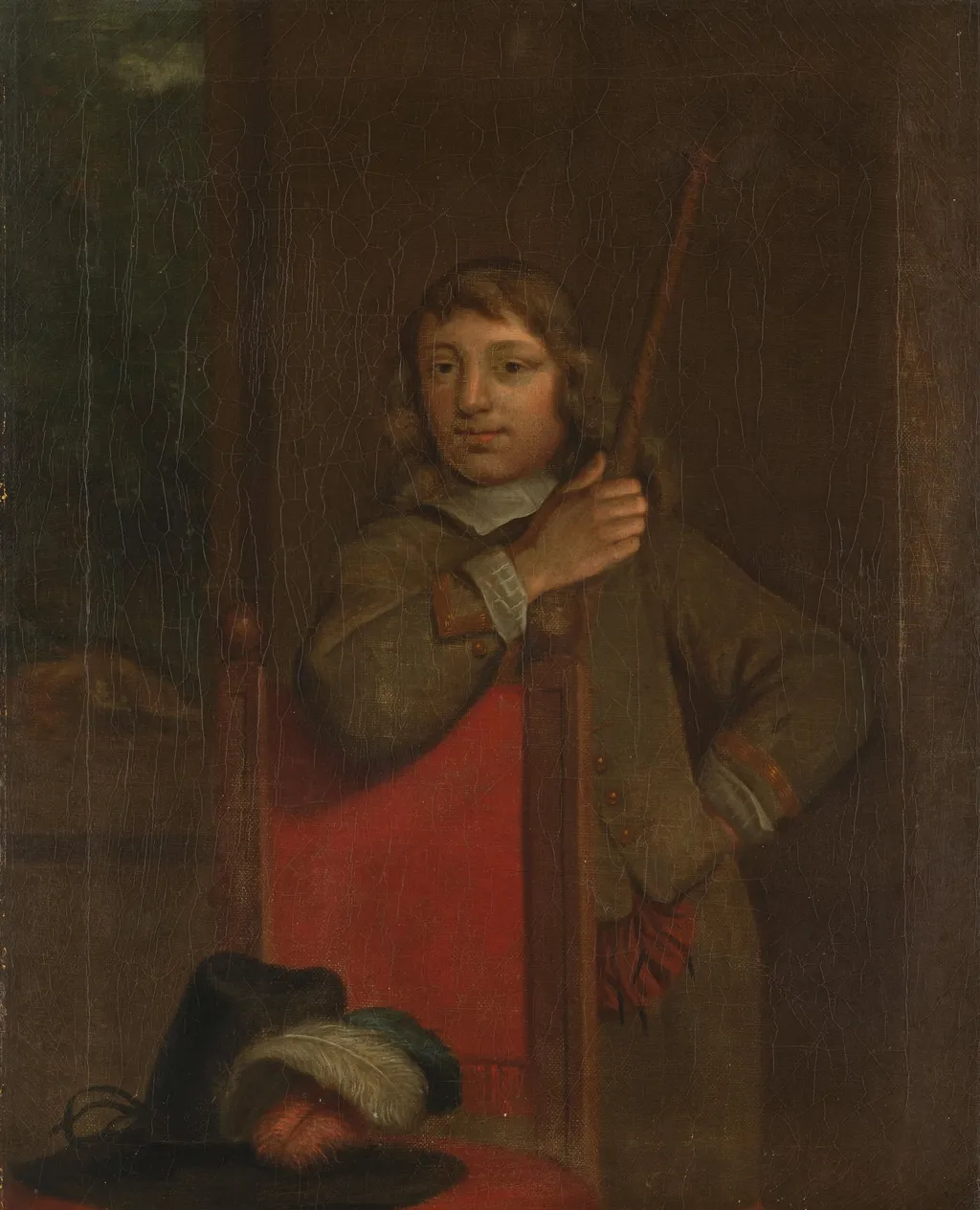
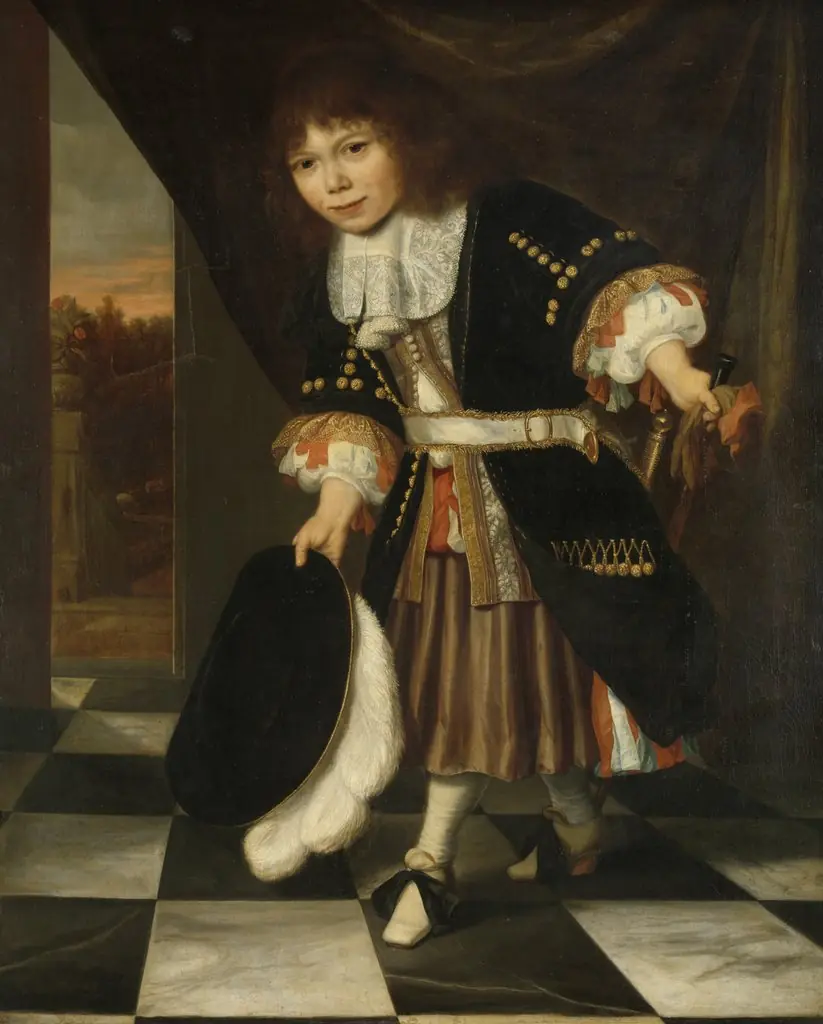
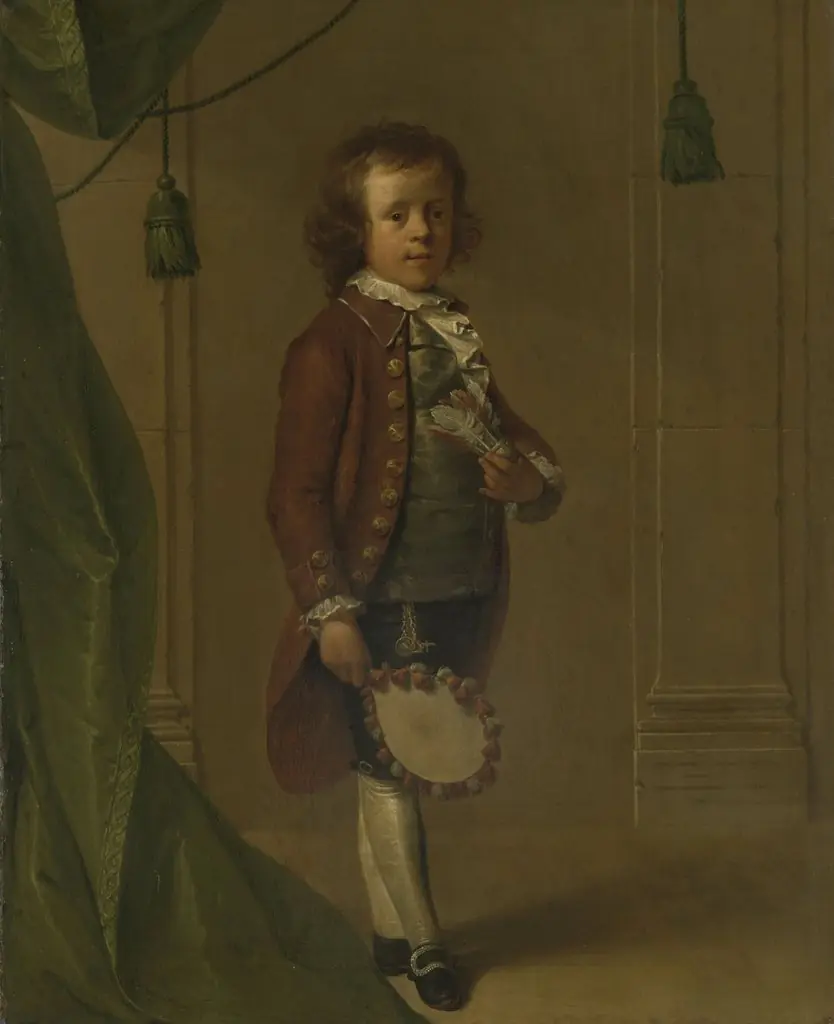
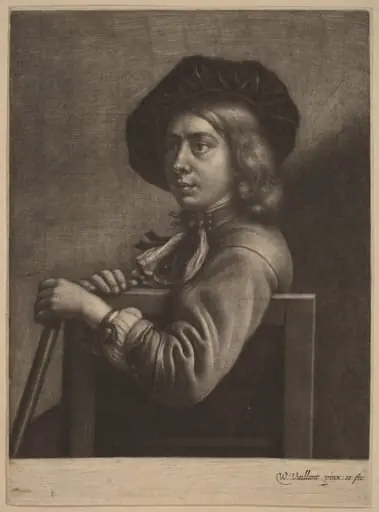
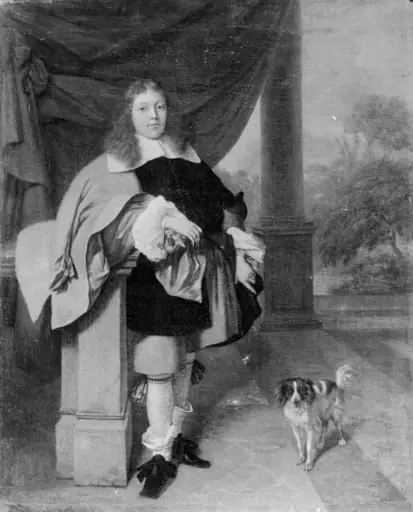
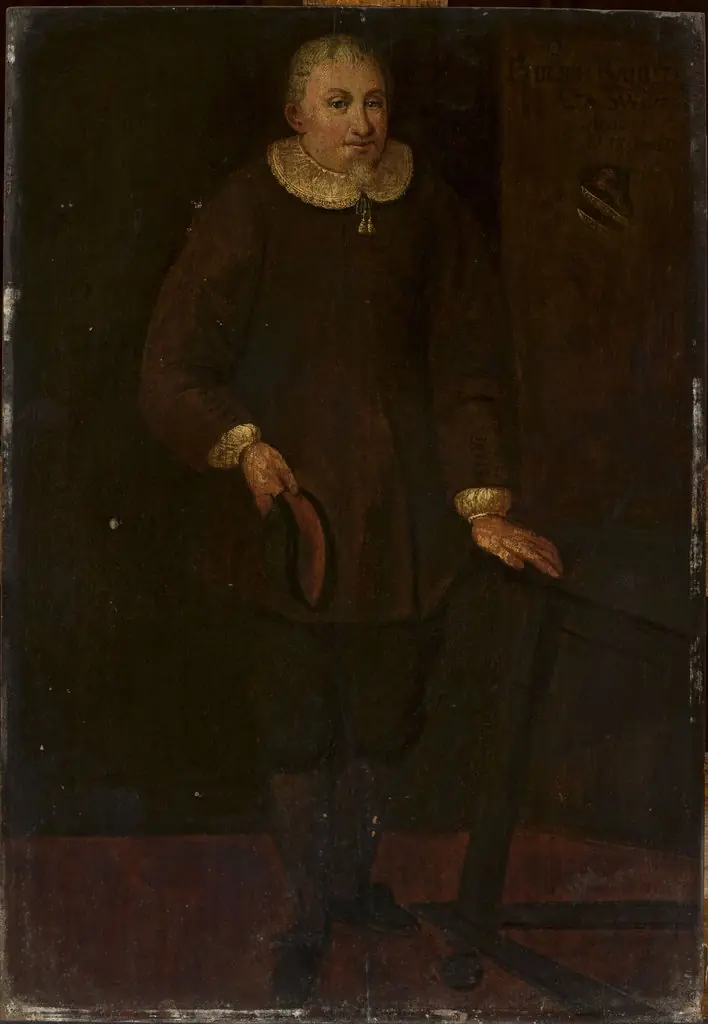
Portrait of Harmen van de Poll, Son of Jan van de Poll is an unspecified painting by the Dutch Golden Age artist Unknown. It dates from 1675 and is held in the collection of the Rijksmuseum. The work is a portrait of Harmen van de Poll, born in 1641 and deceased in 1673, depicted standing behind a chair.
About this work
The artist made a copy of this portrait from an earlier work, which is interesting because it shows how artists reused ideas.
The painting shows a man standing behind a chair.
He is Harmen van de Poll, son of Jan van de Poll.
The artist made a copy of this portrait from an earlier work, which is interesting because it shows how artists reused ideas.
The copy is based on a portrait from 1650, which is a notable fact about this painting.
This tells us that the artist was looking at earlier works for inspiration.
You can learn more about this style by looking at the technique of chiaroscuro.
Overview
The work is a portrait of Harmen van de Poll, born in 1641 and deceased in 1673, depicted standing behind a chair. It is a later copy of an earlier likeness that appeared in a 1650 group portrait of civic guards, identified in the museum catalogue as SK‑C‑395.
Subject & Meaning
Harmen van de Poll was the son of Jan van de Poll, a member of the Amsterdam merchant class. The solitary pose, with the figure positioned behind a chair, emphasizes his status and personal identity separate from the collective civic scenes in which his likeness originally appeared.
Technique & Style
The painter employed chiaroscuro, using strong contrasts of light and shadow to model the figure’s features and the surrounding space. This handling of illumination creates a three‑dimensional presence, while the brushwork remains consistent with mid‑seventeenth‑century Dutch portrait conventions.
History & Provenance
The portrait is a direct copy of the figure as it appears in the 1650 schuttersmaaltijd, suggesting that the artist consulted the earlier group painting as a source. The copy was likely produced for a private patron wishing to possess an individual representation of Harmen separate from the larger civic composition.
Context
In the Dutch Golden Age, it was common for artists to reproduce successful compositions for new patrons. This practice reflects both the demand for personalized portraiture and the collaborative nature of workshop production, where existing images served as templates for new works.
Artist & collection

 Domestic Scene
 Giacomo and Cardinal Marco, investing Andrea, Abbot of San Zeno, with his Benefice
 The Nymph of Fontainebleau
 Portrait of a Woman
 Madonna and Child with Saints in the Enclosed Garden
 Venus and Minerva
 Family Group of Four on Sofa
 Wall painting from Room H of the Villa of P. Fannius Synistor at Boscoreale