Artwork
Self-Portrait
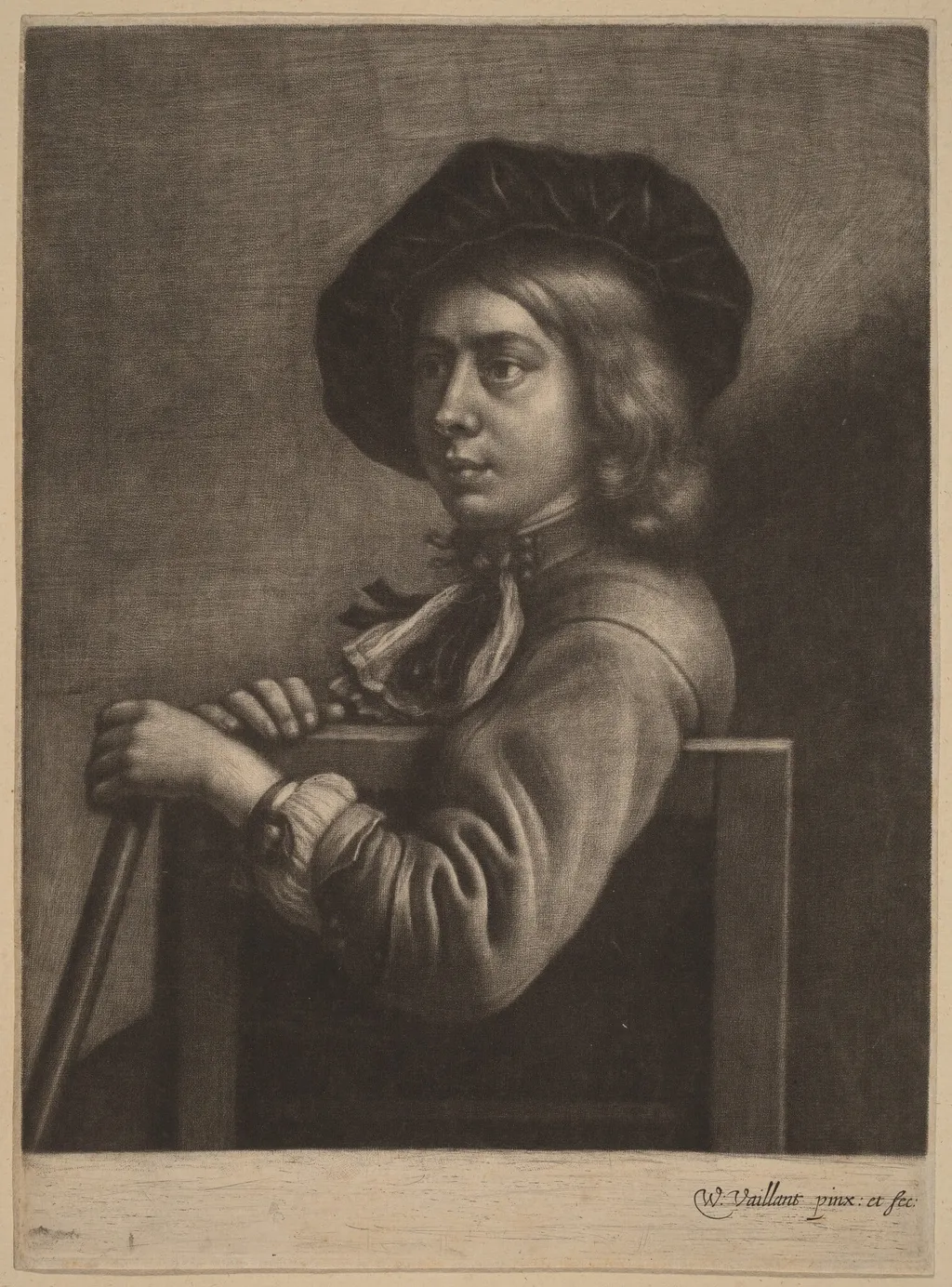
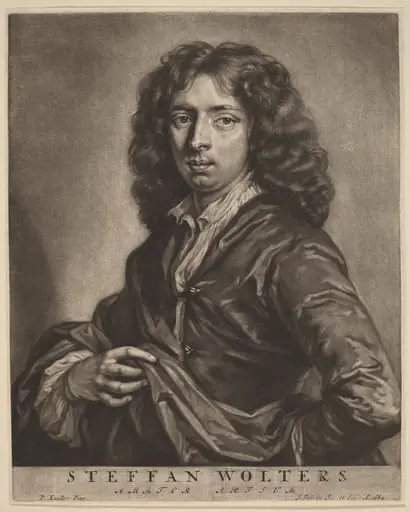
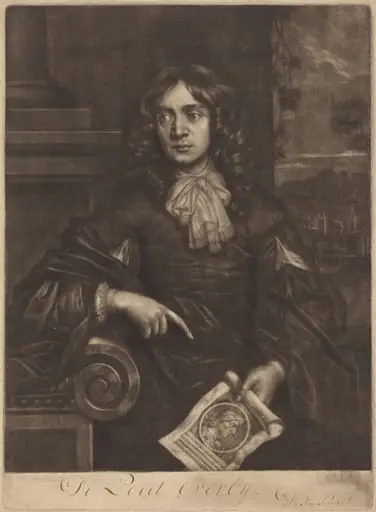
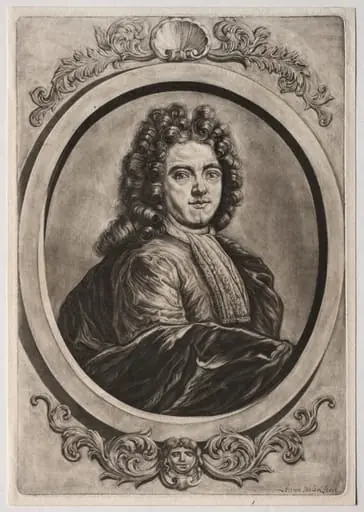
Self-Portrait is an ink print by the Baroque artist Wallerant Vaillant. It dates from 1650 and is held in the collection of the National Gallery of Art.
About this work
Overview
Unlike traditional line engravings, mezzotint achieves subtle gradations of tone by roughening a metal plate, allowing for deep blacks and soft transitions.
Wallerant Vaillant produced this self-portrait in 1650 as a mezzotint, a printmaking technique he helped refine during the Dutch Golden Age. Unlike traditional line engravings, mezzotint achieves subtle gradations of tone by roughening a metal plate, allowing for deep blacks and soft transitions. This work stands as one of the earliest known self-portraits in the medium, demonstrating Vaillant’s technical innovation and his interest in capturing personal presence through print.
Subject & Meaning
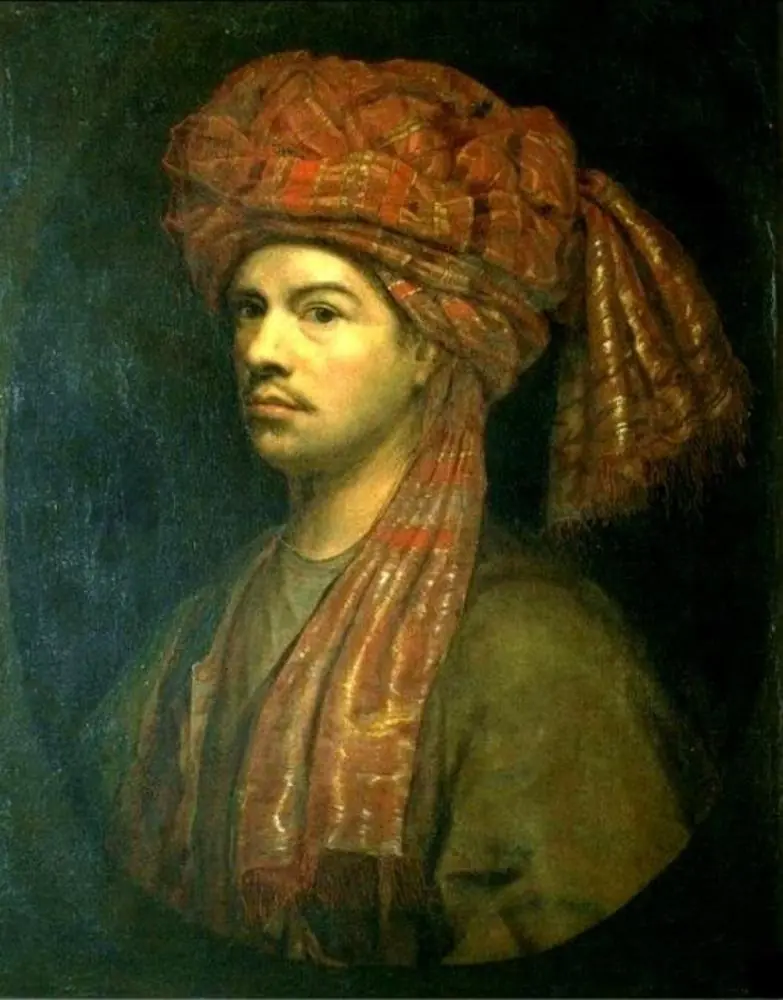
The portrait depicts Vaillant with a composed, introspective gaze, dressed in the formal attire of a professional artist: a large powdered wig and a lace ruff. His hands rest gently on the back of a dark chair, anchoring the figure in space. The absence of props or symbols suggests a focus on identity rather than status. The restrained expression and intimate framing convey a quiet self-awareness, typical of introspective portraiture in mid-17th-century Northern Europe.
Technique & Style
Vaillant exploited mezzotint’s capacity for tonal depth to model his face with soft light, drawing attention to his features against a near-black background. The technique, which involves rocking a metal plate to create a burr, allowed him to achieve nuanced shading without lines. The contrast between the illuminated face and the shadowed surroundings reflects Baroque sensibilities, emphasizing volume and psychological presence through controlled illumination rather than narrative detail.
History & Provenance
Created in 1650, this print emerged during Vaillant’s active years in Amsterdam, a hub for artistic experimentation. Though few of his mezzotints survive, this self-portrait was widely circulated and copied, helping establish the technique’s credibility in Northern Europe. Its early date places it among the first personal prints made using this method, marking a shift from reproductive to original artistic expression in printmaking.
Context
In mid-17th-century Holland, artists increasingly turned to printmaking to reach broader audiences and assert professional identity. Vaillant’s self-portrait aligns with a growing trend of artists portraying themselves with dignity and technical mastery. The use of mezzotint—still novel at the time—reflected both his ambition to innovate and the cultural value placed on refined craftsmanship in an era of rising bourgeois patronage.
Legacy
Vaillant’s self-portrait helped legitimize mezzotint as a medium for original artistic expression, not merely reproduction. His approach influenced later printmakers in England and the Continent, who adopted the technique for portraiture. Though his name faded from mainstream art history, this work remains a key example of how technical innovation in printmaking enabled new forms of personal representation in the Baroque period.
Artist & collection
Artist
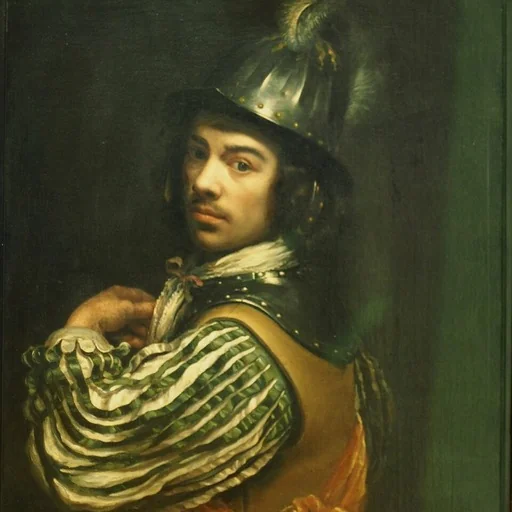
Wallerant Vaillant (30 May 1623 – 28 August 1677) was a painter of the Dutch Golden Age and one of the first artists to use the mezzotint technique, which he probably helped to develop.