Artwork
Portrait of Willem Hartigsvelt, Director of the Rotterdam Chamber of the Dutch East India Company, elected 1657
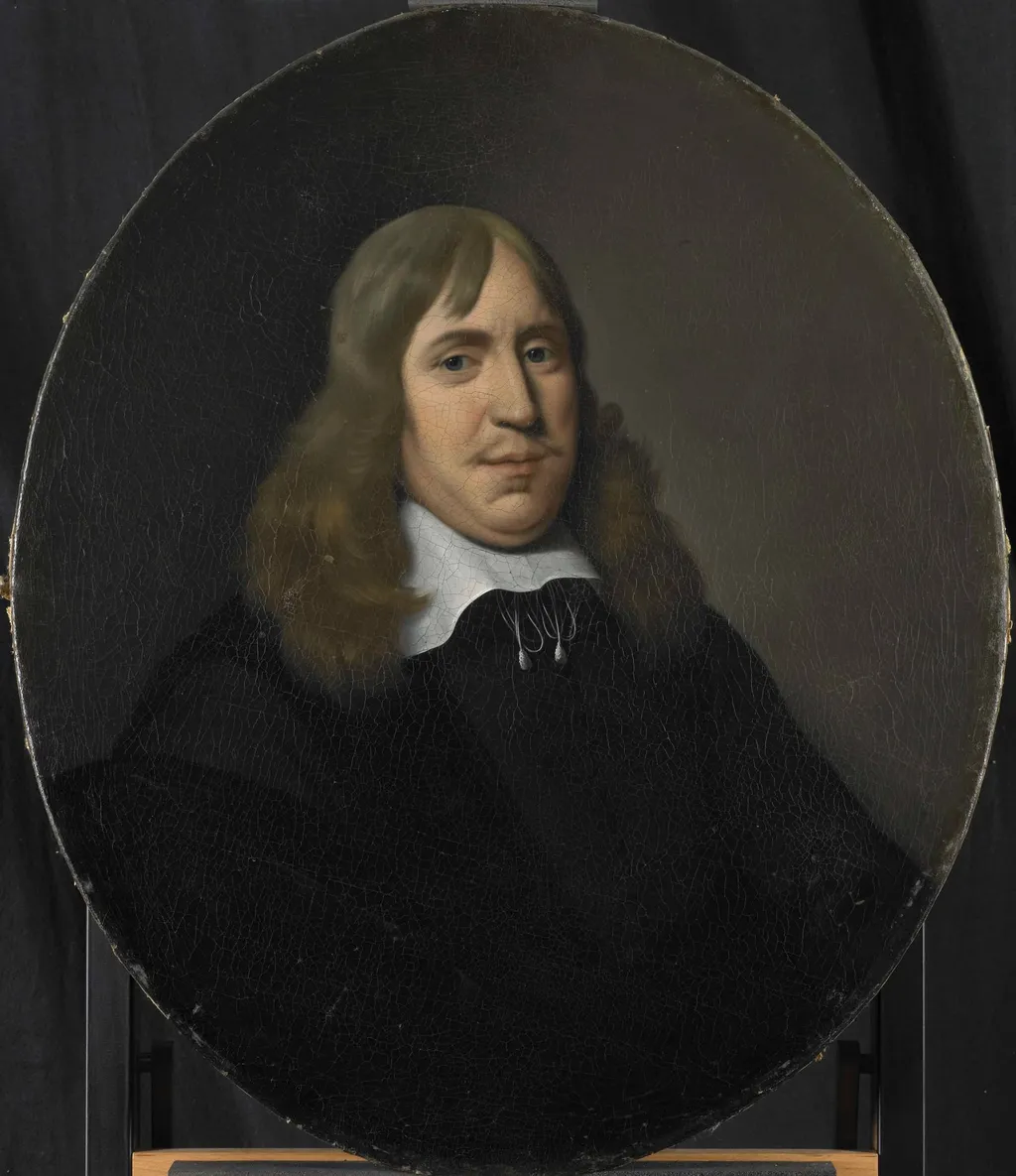
Portrait of Willem Hartigsvelt, Director of the Rotterdam Chamber of the Dutch East India Company, elected 1657 is an unspecified painting by the Dutch Golden Age artist Unknown. It dates from 1708 and is held in the collection of the Rijksmuseum.
About this work
Overview
The portrait depicts Willem Hartigsvelt, who served as director of the Rotterdam Chamber of the Dutch East India Company after his election in 1657. Rendered as a standing figure against a dark backdrop, the composition emphasizes his facial features and attire, presenting him in a dignified, straightforward manner.
Subject & Meaning
Hartigsvelt is shown with a round face, curly hair, and a calm, direct gaze. His white collar and fur‑trimmed coat convey the status associated with his commercial position, while the sober expression reflects the restrained portraiture typical of mid‑seventeenth‑century Dutch officials.
Technique & Style
The artist employs chiaroscuro, using a deep, uniform background to isolate the sitter’s face and clothing. Thick applications of paint are evident on the fur collar, creating texture that contrasts with smoother areas of the shirt and skin, enhancing the three‑dimensional effect.
History & Provenance
The work records Hartigsvelt’s appointment to the Rotterdam Chamber of the Dutch East India Company in 1657. No further details on its subsequent ownership or exhibition history are provided in the source material.
Artist & collection

 Domestic Scene
 Giacomo and Cardinal Marco, investing Andrea, Abbot of San Zeno, with his Benefice
 The Nymph of Fontainebleau
 Portrait of a Woman
 Madonna and Child with Saints in the Enclosed Garden
 Venus and Minerva
 Family Group of Four on Sofa
 Wall painting from Room H of the Villa of P. Fannius Synistor at Boscoreale
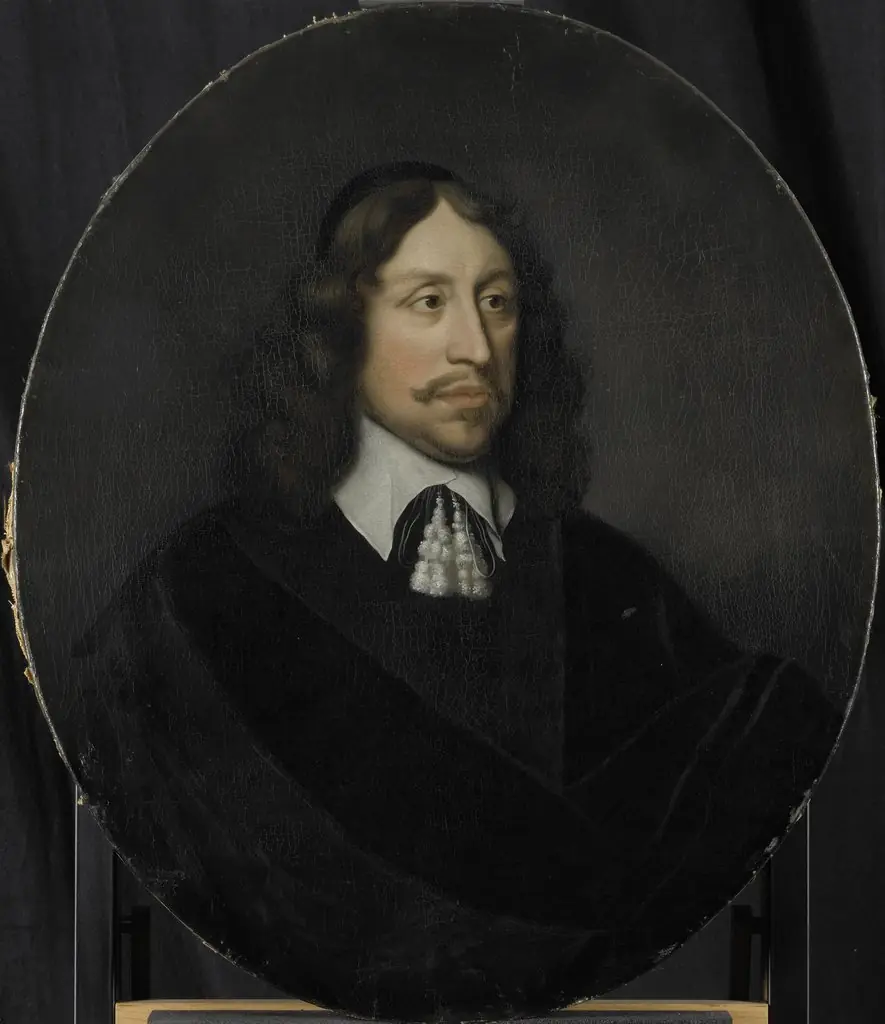 Portrait of Johan de Vries, Director of the Rotterdam Chamber of the Dutch East India Company, elected 1667
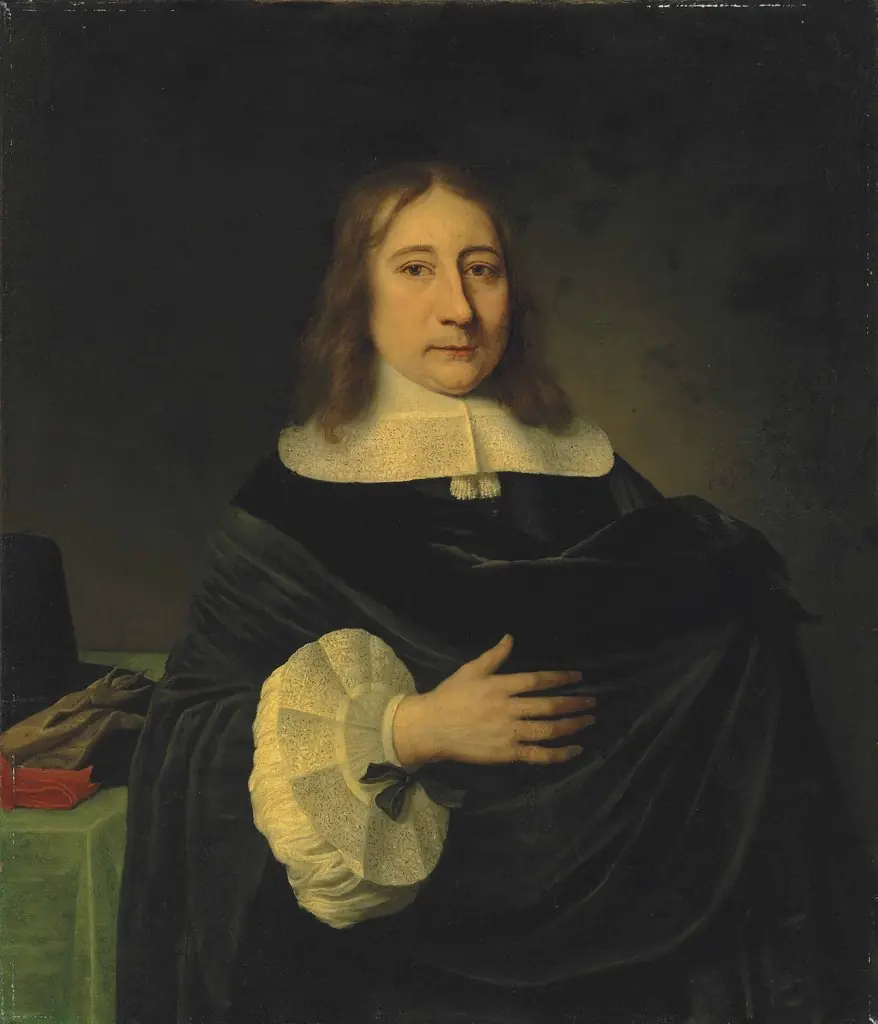 Portrait of one of the brothers Van der Burch, probably Arent van der Burch (1621-1691), 1656
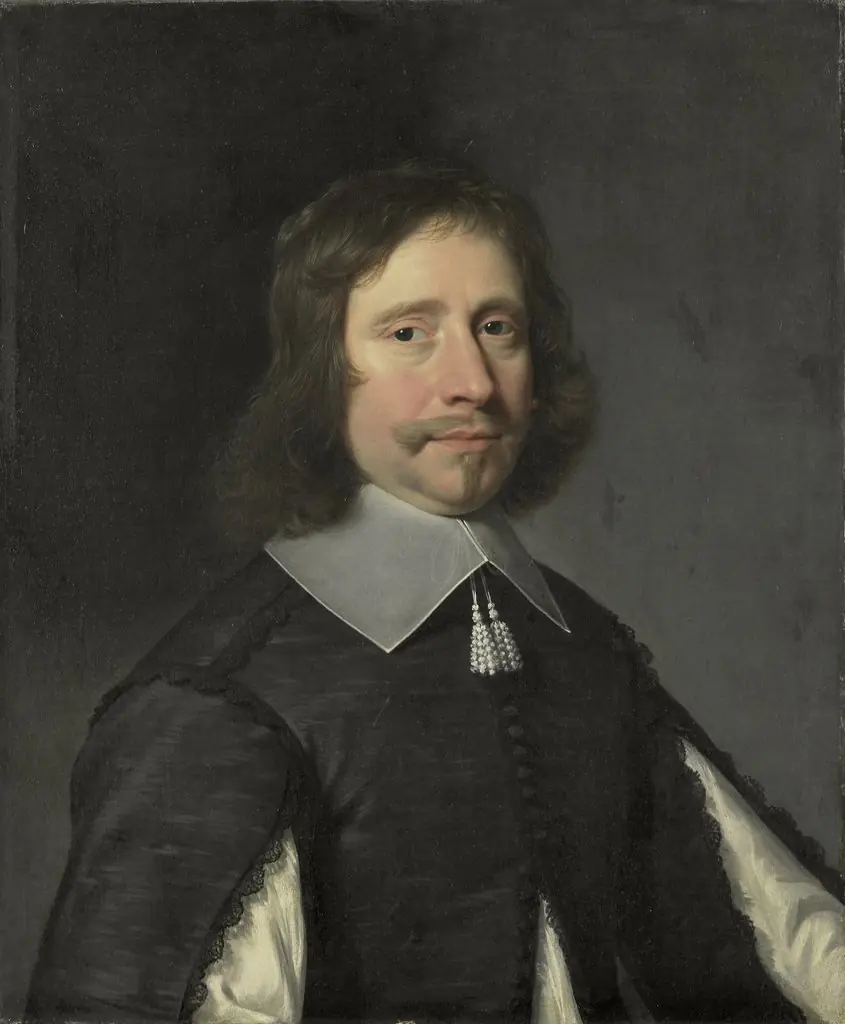 Portrait of a man, perhaps Philippe de la Trémoïlle (1596-?), count of Olonne
 Jacob de Witt (1589-1674)
 Portrait of Barend Hakvoort (1652-1735), bookseller, church reader and catechism master in Zwolle
 Ulrik Frederik Gyldenløve