Artwork
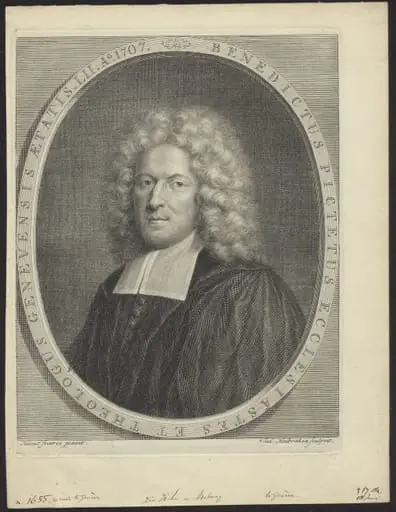
Portrait of J. Basnage, [Walloon minister and historian]
![Portrait of J. Basnage, [Walloon minister and historian], by Unknown, unspecified, 1850](https://artifactworldgallery.com/img/unknown--portrait-of-j-basnage-walloon-minister-and-historian--5c5b22a95cb99991-w1024.webp)
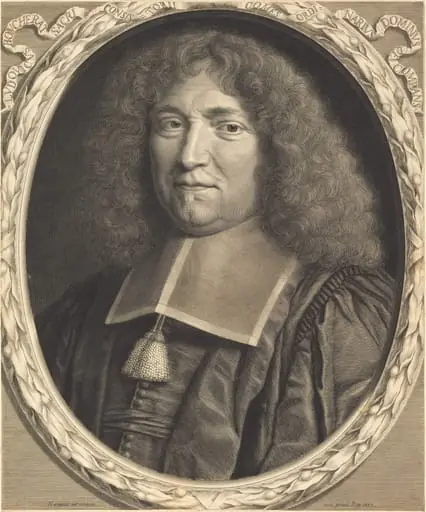
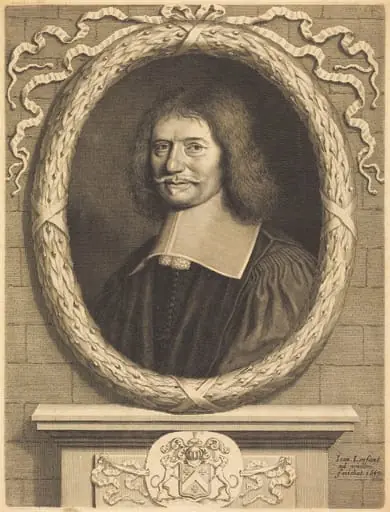
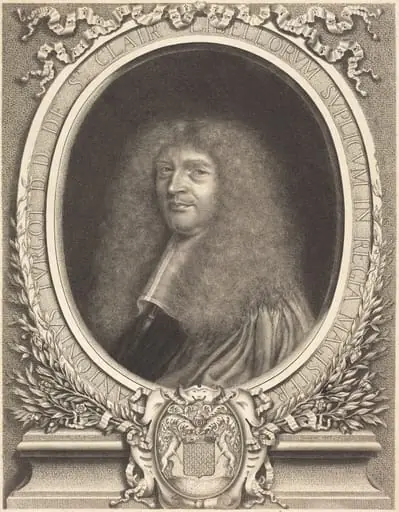
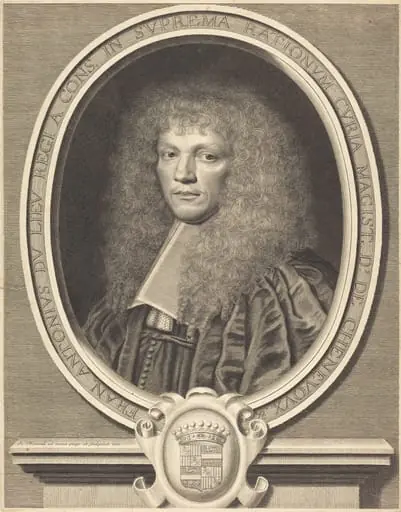
Portrait of J. Basnage, [Walloon minister and historian] is an unspecified painting by Unknown. It dates from 1850 and is held in the collection of the Leiden University Libraries. This portrait depicts J.
About this work
You can learn more about this style by looking at the technique of sfumato.
This painting shows a man sitting with books and papers.
He looks like he's working on something. The man in the painting is J. Basnage, a historian.
The painting is similar to another one, but without some details.
The subject's name is written in ink under the image. This is a small but important detail.
It helps us know who the man is. The painting is also similar to one made by J. Holzhalb in 1704.
You can learn more about this style by looking at the technique of sfumato.
Overview
This portrait depicts J. Basnage, a Walloon minister and historian, seated amid books and papers, suggesting scholarly activity. The image is a reproductive work, closely related to another version (no. 549) but lacking its inscriptions. The subject’s name, handwritten in ink beneath the image, serves as the primary identifier, distinguishing it from similar depictions in the same collection.
Subject & Meaning
J. Basnage was a prominent Protestant scholar known for his historical writings and theological work. The setting—surrounded by texts and writing materials—emphasizes his intellectual identity rather than social status. The quiet, focused demeanor aligns with the era’s ideal of the learned man, where scholarship was both vocation and moral pursuit.
Technique & Style
The portrait follows a restrained, linear approach typical of early 18th-century engraved portraiture. While not employing sfumato, it relies on clear contours and tonal gradations to define form. The composition is compact and centered, directing attention to the figure’s face and hands, reinforcing the emphasis on intellect over ornamentation.
History & Provenance
The image derives from a 1704 painting by J. Holzhalb and appears in multiple numbered entries within a larger series of scholarly portraits. Its handwritten inscription suggests later annotation, possibly for cataloging or identification purposes. Its presence across several entries indicates it was reproduced for distribution among academic or religious circles.
Context
During the early 1700s, portraits of Protestant intellectuals were commonly circulated in printed form to affirm their contributions to theology and historiography. Basnage’s repeated depiction reflects his standing among European reformers. These images functioned less as personal mementos and more as visual endorsements of scholarly authority.
Legacy
The portrait survives as part of a broader effort to document and preserve the likenesses of key Reformation-era thinkers. Its modest scale and reproductive nature reflect its role as a tool for dissemination rather than display. Though not artistically innovative, it contributes to the historical record of how intellectual identity was visually constructed in the early modern period.
Artist & collection
 Domestic Scene
 Giacomo and Cardinal Marco, investing Andrea, Abbot of San Zeno, with his Benefice
 The Nymph of Fontainebleau
 Portrait of a Woman
 Madonna and Child with Saints in the Enclosed Garden
 Venus and Minerva
 Family Group of Four on Sofa
 Wall painting from Room H of the Villa of P. Fannius Synistor at Boscoreale