Artwork
Antoine Dulieu
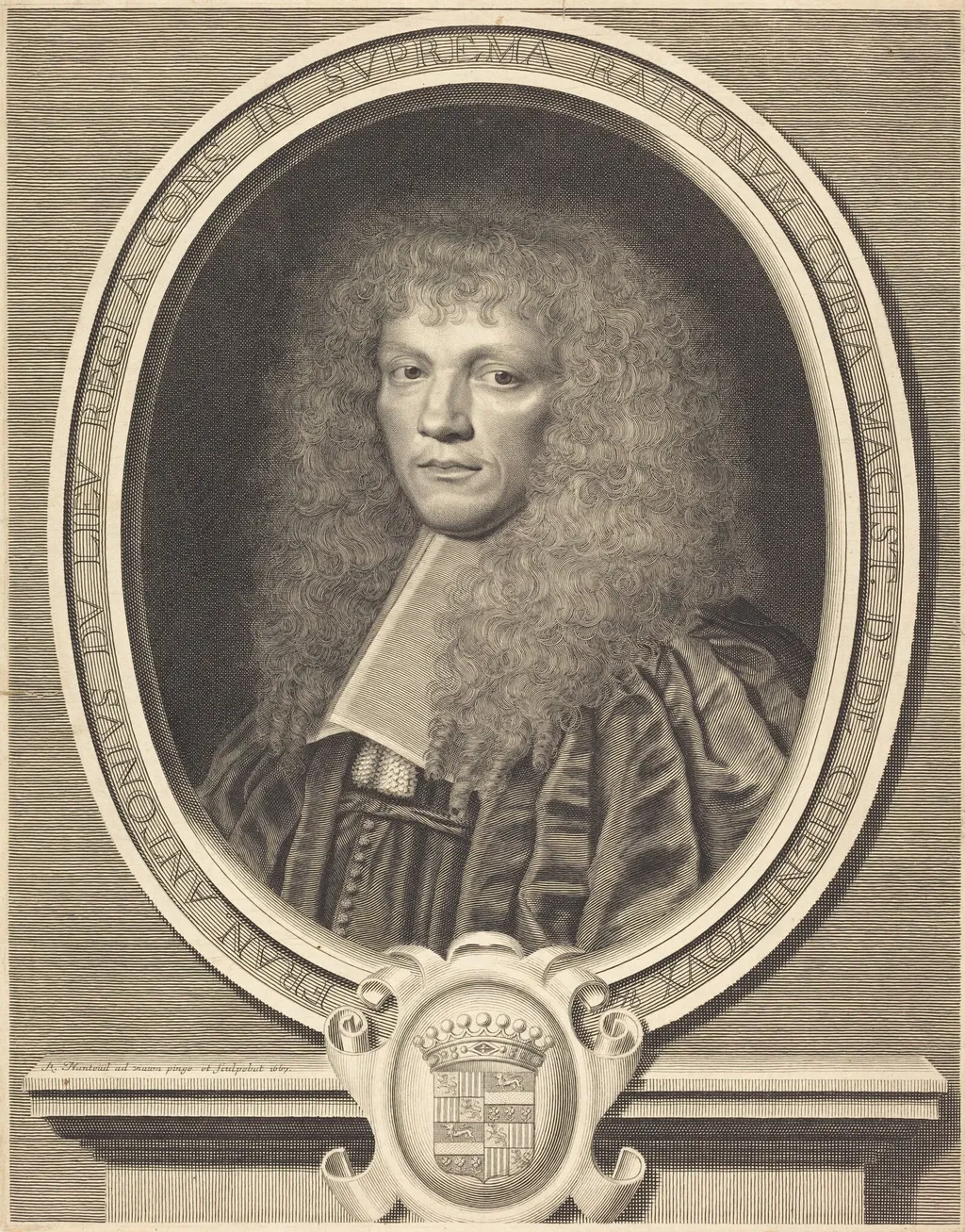
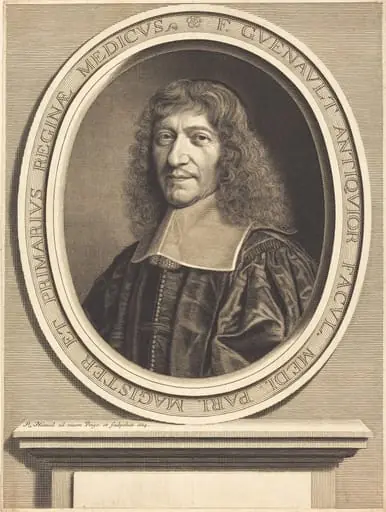
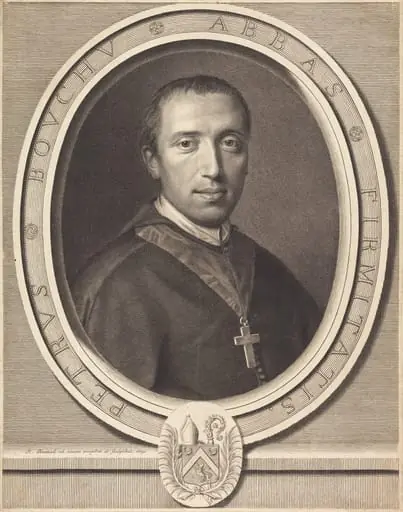
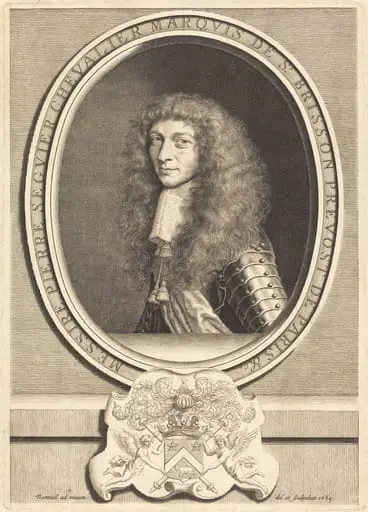
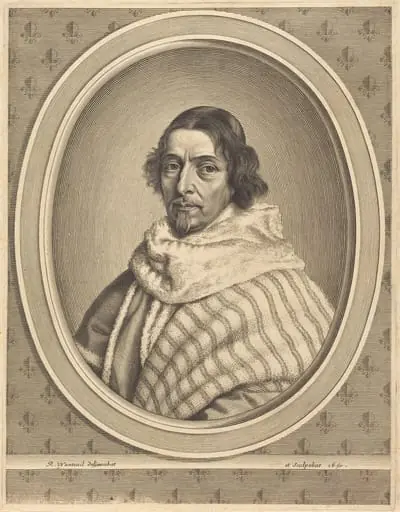
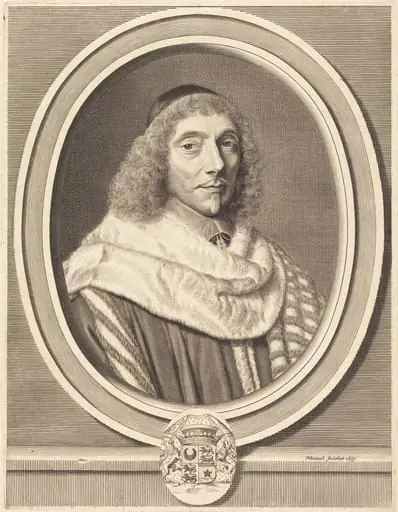
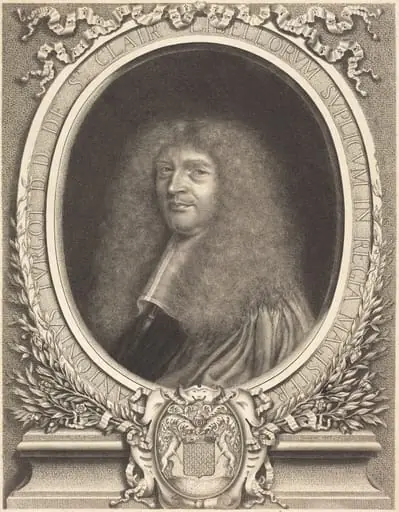
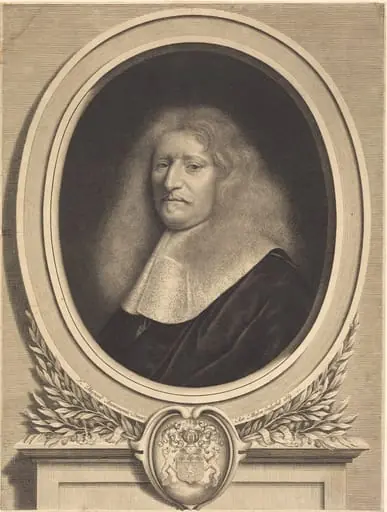
Antoine Dulieu is an ink print by the Baroque artist Robert Nanteuil. It dates from 1667 and is held in the collection of the National Gallery of Art.
About this work
Overview
Its monochrome palette and intricate detailing reflect the engraver’s mastery of tonal gradation using only etched lines.
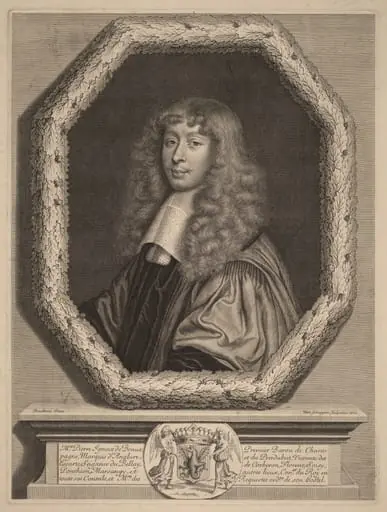
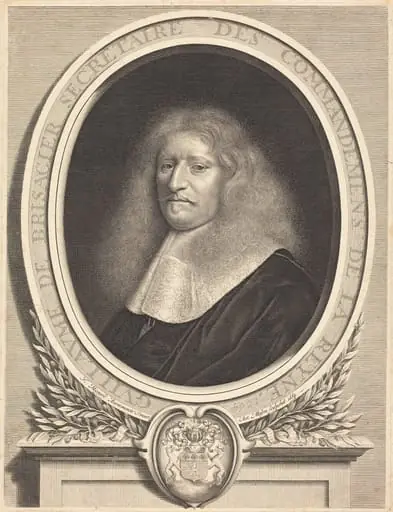
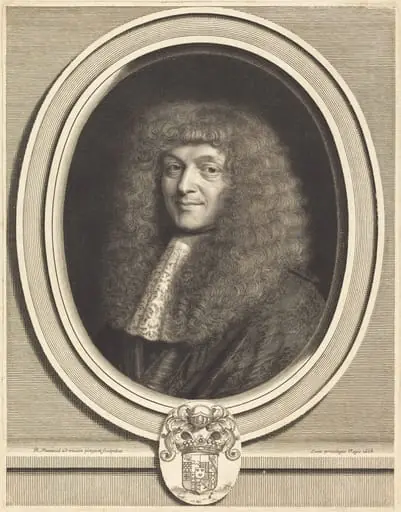
This 1667 engraving by Robert Nanteuil portrays Antoine Dulieu, a figure of the French court during Louis XIV’s reign. Executed in black ink on paper, the work belongs to a series of formal portraits Nanteuil produced for elite patrons. The image captures Dulieu in a composed, frontal pose, emphasizing dignity through precise line work rather than color. Its monochrome palette and intricate detailing reflect the engraver’s mastery of tonal gradation using only etched lines.
Subject & Meaning
Antoine Dulieu is depicted as a man of status, his attire—including a lace collar and formal coat—signaling his position within courtly society. His serious expression and hand resting near a small, indistinct object suggest contemplation or authority. Though his exact role is unrecorded, the portrait’s commission implies recognition of his social or professional standing. Nanteuil’s approach avoids theatricality, favoring quiet solemnity over grandeur.
Technique & Style
Nanteuil employed fine cross-hatching to model form and texture, building subtle shifts in tone through layered, intersecting lines. The curls of Dulieu’s hair and the softness of his beard are rendered with meticulous precision, while the lace collar is suggested through delicate, open patterns. The background remains unadorned, directing focus to the figure. Decorative scrollwork frames the composition, a common feature in Nanteuil’s engraved portraits that elevates the image without distracting from its subject.
History & Provenance
Created in 1667, the engraving emerged during Nanteuil’s peak years as the principal portraitist to Louis XIV’s court. It was likely produced for private circulation among aristocrats or as part of a collection documenting courtly figures. No definitive record of its early ownership survives, but its technical quality aligns with works preserved in royal and institutional collections of the period, suggesting it was valued by contemporaries.
Context
In mid-17th-century France, engraved portraits served as tools of social documentation and prestige. Nanteuil’s work stood apart for its psychological subtlety and technical refinement, distinguishing it from more rigid, formulaic images. His engravings circulated widely, shaping perceptions of nobility and official identity. Dulieu’s portrait reflects this cultural moment, where visual representation reinforced social hierarchy through controlled, intimate realism.
Legacy
Nanteuil’s engravings, including this portrait, established a standard for French portraiture that influenced generations of printmakers. His ability to convey character through line alone became a benchmark in the medium. While Dulieu himself is not widely remembered, the engraving endures as an example of how precision and restraint could capture presence without color or embellishment, preserving the quiet dignity of an era’s elite.
Artist & collection
Artist
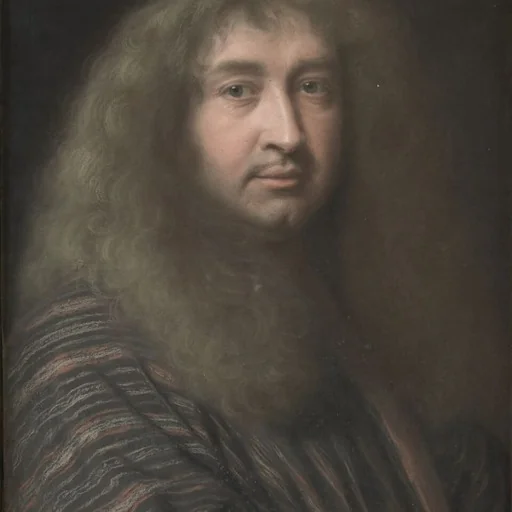
Robert Nanteuil (French pronunciation: ; 1623 – 9 December 1678) was a French portrait artist: engraver, draughtsman and pastellist to the court of Louis XIV.