Artwork
Antoine Turgot
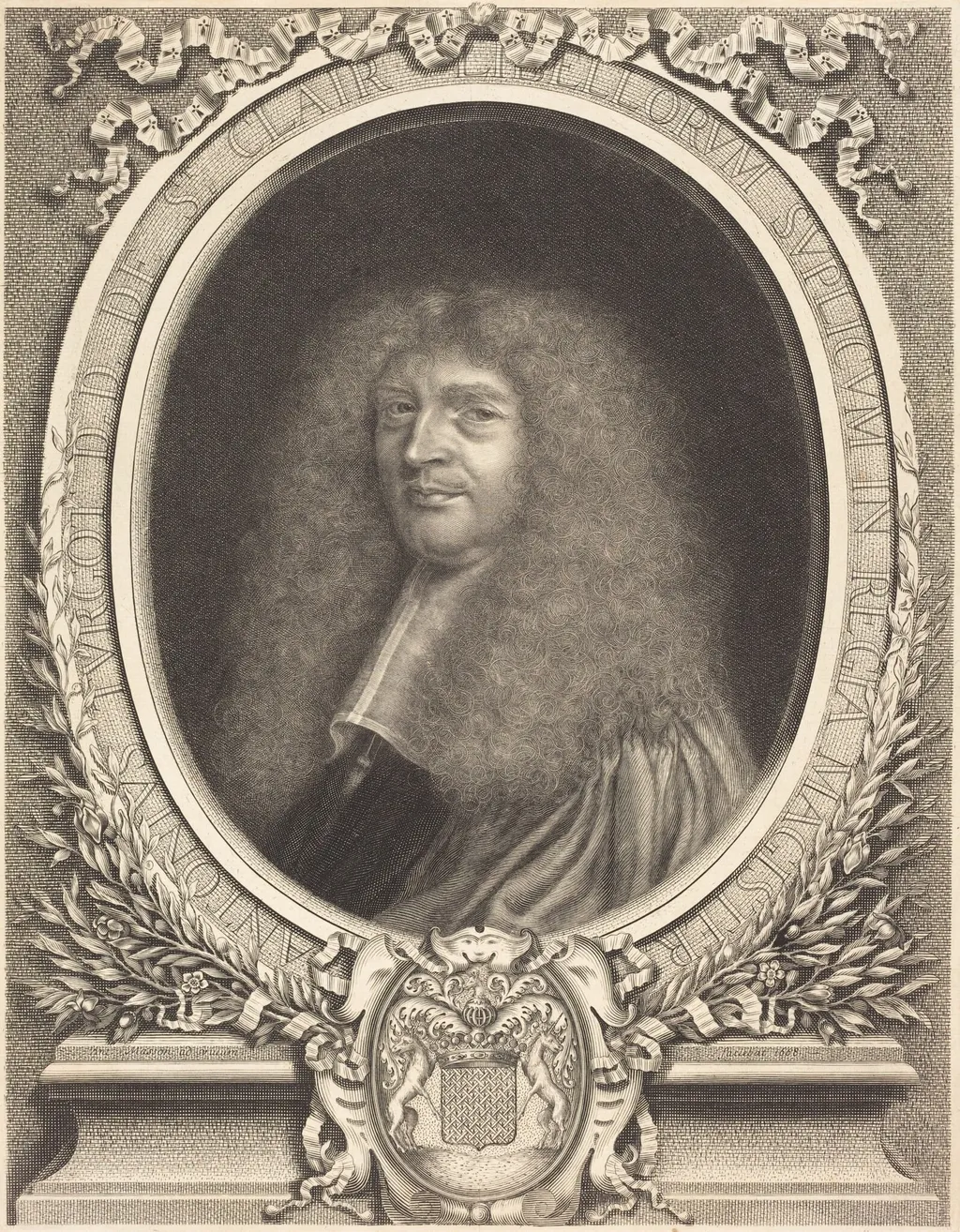
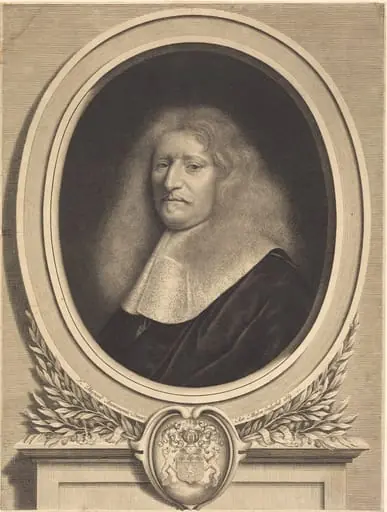
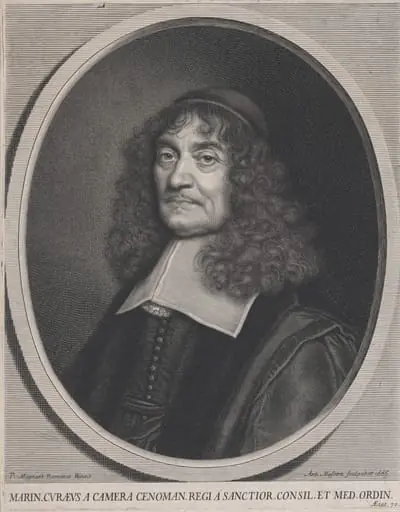
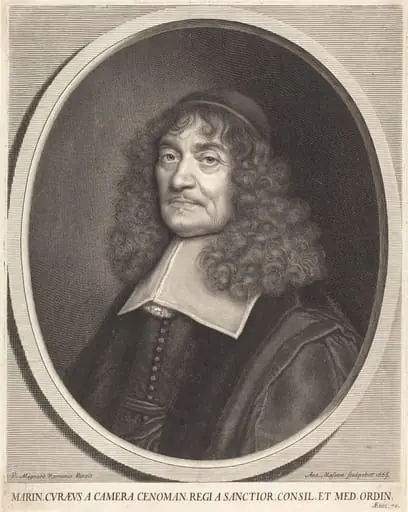
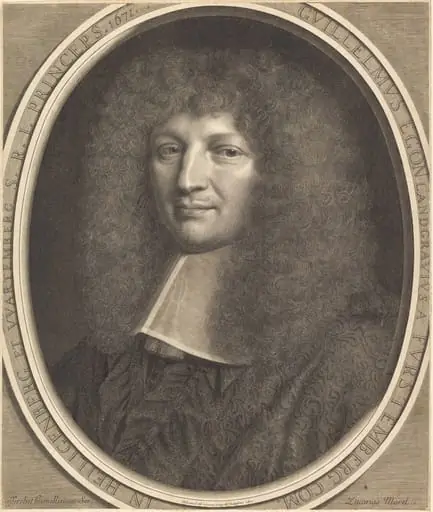
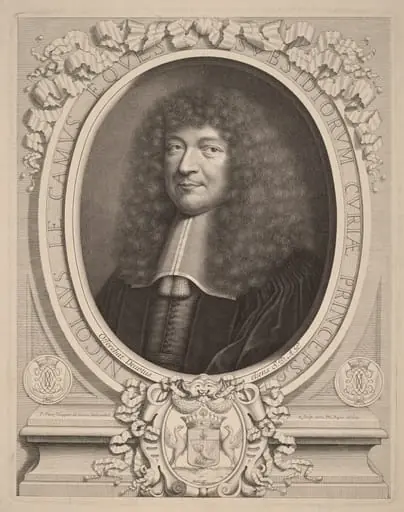
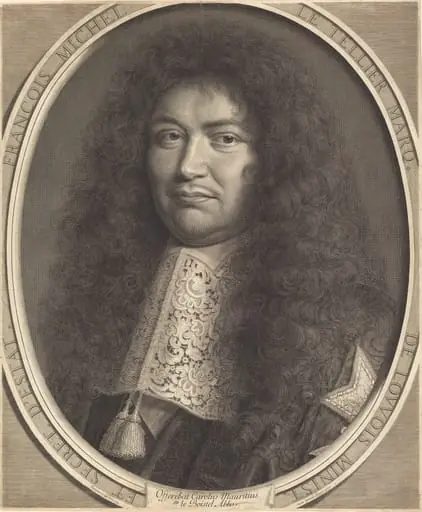
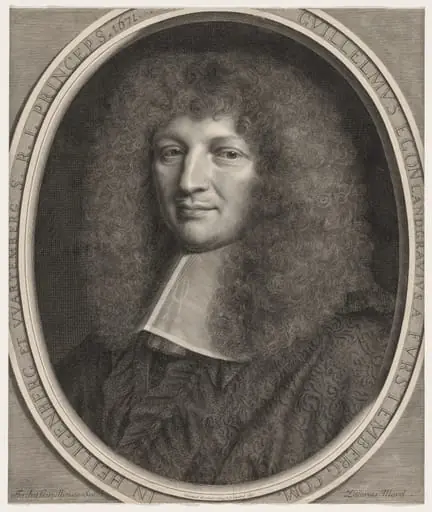
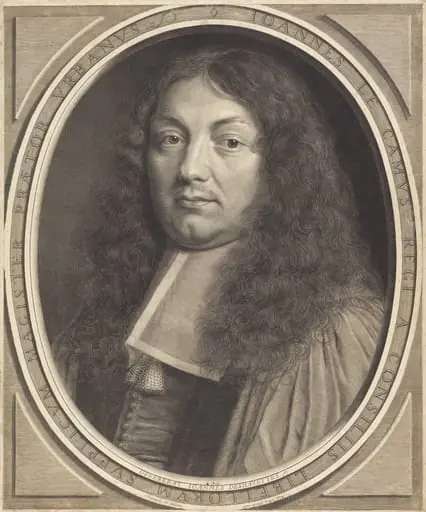
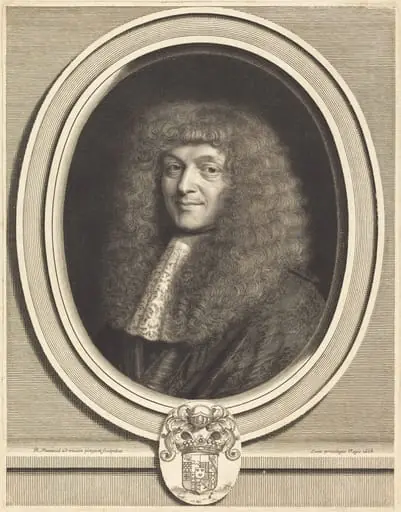
Antoine Turgot is an ink print by the Baroque artist Antoine Masson. It dates from 1668 and is held in the collection of the National Gallery of Art.
About this work
Overview
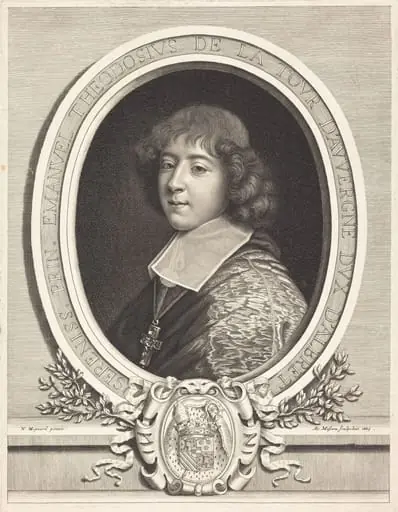
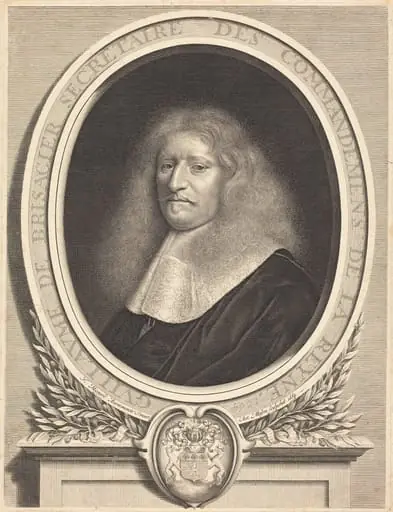
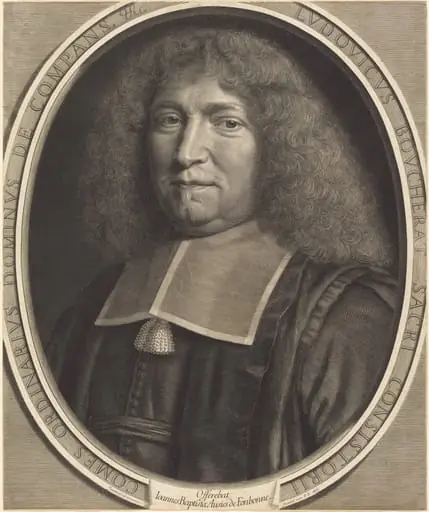
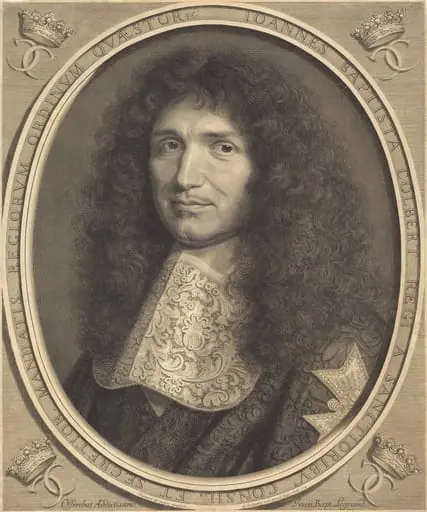
Antoine Turgot is a portrait print created in 1668 by French artist Antoine Masson, executed in etching and engraving techniques. The work is one of 68 plates in Masson's oeuvre, predominantly comprising portraits.
Subject & Meaning
The subject, Antoine Turgot, is centrally positioned, directly engaging the viewer with a neutral expression. His curly hair, dark attire, and the somber background collectively convey an air of elegance and refinement.
Technique & Style
Masson employed subtle shading and texture to achieve depth and dimensionality. Although described in visual notes as Baroque due to dramatic lighting suggestions, the overall emotional intensity typical of Baroque is muted here, presenting a more restrained interpretation.
History & Provenance
Created in 1668 by Antoine Masson, a largely self-taught engraver and painter, who later joined the Académie Royale de Peinture et de Sculpture in 1679. The print's specific provenance details are not provided.
Context
Part of a broader 17th-century French artistic movement, Antoine Turgot reflects the period's penchant for portraitures while highlighting Masson's growth from an armorer’s apprentice to an acclaimed artist.
Legacy
As one of Masson's 68 plates, Antoine Turgot contributes to the artist's legacy as a portraitist, though its individual impact on the broader art historical narrative is not distinctly outlined in available information.
Artist & collection
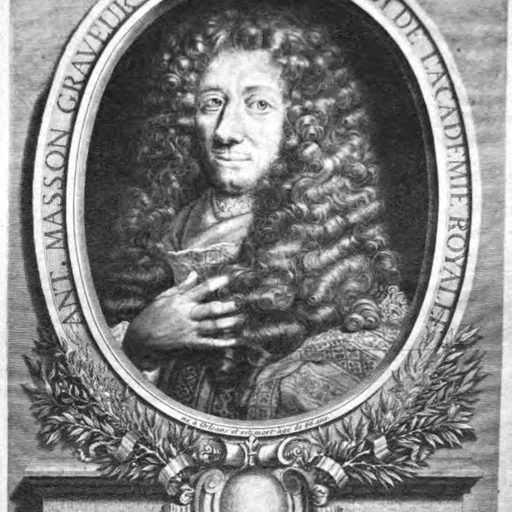
Artist
Antoine Masson (1636 – 30 May 1700, in Paris) was a French painter, but above all a line engraver, born at Loury, near Orléans.