Artwork
Portrait of Johanna Maria Parvé, Wife of Hendrik André Cornelis Tierens
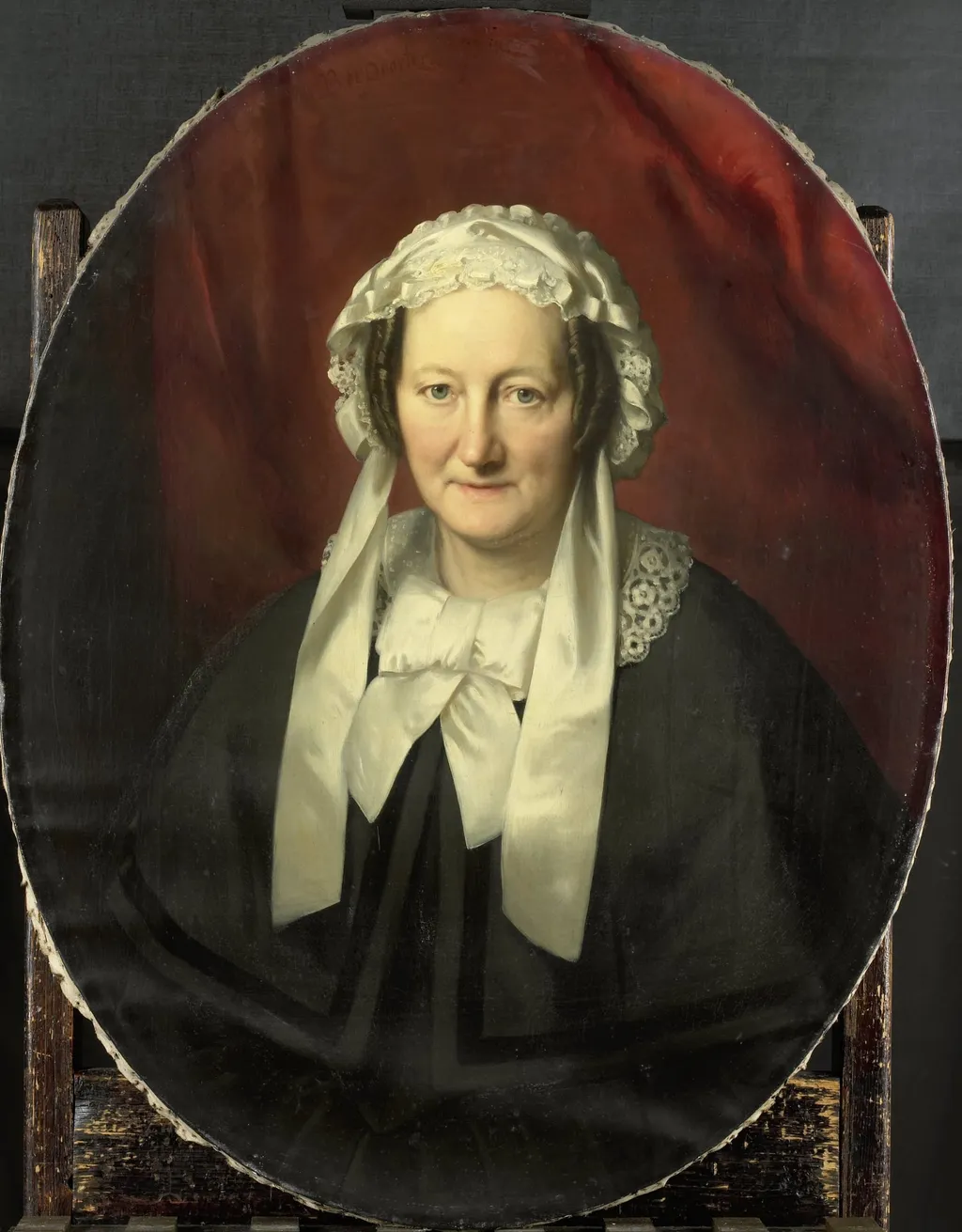
Portrait of Johanna Maria Parvé, Wife of Hendrik André Cornelis Tierens is an unspecified painting by the Biedermeier artist Unknown. It dates from 1857 and is held in the collection of the Rijksmuseum. Painted in 1857, this portrait depicts Johanna Maria Parvé, widow of Hendrik André Cornelis Tierens.
About this work
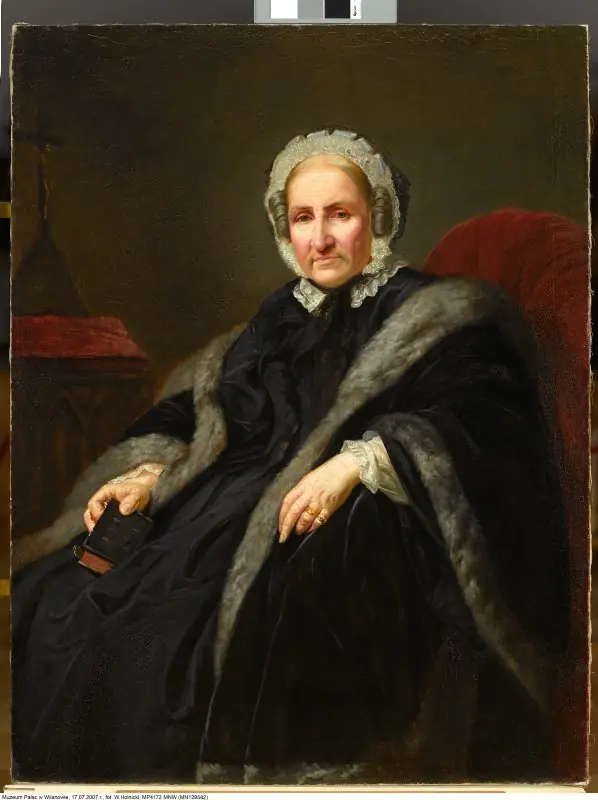
You see a woman in a dark dress with a white collar, her hands folded in her lap.
You see a woman in a dark dress with a white collar, her hands folded in her lap. Her face is calm, eyes looking right at you. The background is plain, so nothing distracts from her.
This painting was made in 1857, but we don’t know who painted it. It’s one half of a pair—her husband’s portrait would have hung beside it. That was common then, like a matched set.
To see more portraits like this, visit the Rijksmuseum.
Overview
Painted in 1857, this portrait depicts Johanna Maria Parvé, widow of Hendrik André Cornelis Tierens. It was created as a companion piece to her husband’s likeness, forming a matched pair typical of 19th-century Dutch portraiture. The work is unsigned, and the artist’s identity remains unknown. Executed in oil on panel, it is part of the Rijksmuseum’s collection and was intended for display alongside its counterpart in a domestic setting.
Subject & Meaning
Johanna Maria Parvé is portrayed in quiet dignity, dressed in a dark gown with a crisp white collar, her hands gently folded. Her direct gaze conveys composure and presence, reflecting the social standing of a widow of means. The absence of symbolic objects or elaborate settings emphasizes her personal character over status markers, aligning with a growing preference for restrained, introspective portraiture in mid-century Netherlands.
Technique & Style
The painting employs a restrained palette dominated by dark tones, with subtle highlights on the collar and skin to define form. The background is uniformly muted, directing focus entirely to the sitter’s face and posture. Brushwork is precise but unobtrusive, avoiding theatricality. The oval format, common for private portraits, enhances intimacy and frames the subject with classical balance, reflecting academic training without overt embellishment.
History & Provenance
The portrait entered the Rijksmuseum’s collection as part of a paired set with its husband’s likeness, both likely commissioned shortly after his death. Its provenance traces to the Tierens family, who maintained it in their home before its eventual donation or acquisition by the museum. Despite its clear context as a pendant, the artist’s name has not been documented in archival records or contemporary sources.
Context
In mid-19th-century Dutch society, paired portraits of married couples were customary, especially among the urban elite. These works served both as memorials and as assertions of familial continuity. After a spouse’s death, the surviving partner’s portrait often completed the set, reinforcing social identity through visual symmetry. This practice declined later in the century as individual portraiture gained prominence.
Legacy
Though unsigned and unattributed, the portrait remains a representative example of domestic portraiture from the period. Its preservation in the Rijksmuseum allows ongoing study of how personal identity was conveyed through restraint and composition. It contributes to broader understanding of gender, mourning, and visual culture in the Netherlands, offering insight into private life beyond public monuments or grand narratives.
Artist & collection

 Domestic Scene
 Giacomo and Cardinal Marco, investing Andrea, Abbot of San Zeno, with his Benefice
 The Nymph of Fontainebleau
 Portrait of a Woman
 Madonna and Child with Saints in the Enclosed Garden
 Venus and Minerva
 Family Group of Four on Sofa
 Wall painting from Room H of the Villa of P. Fannius Synistor at Boscoreale
 Portret de femeie
 Portrait of an Elderly Woman
 Frauenportrait
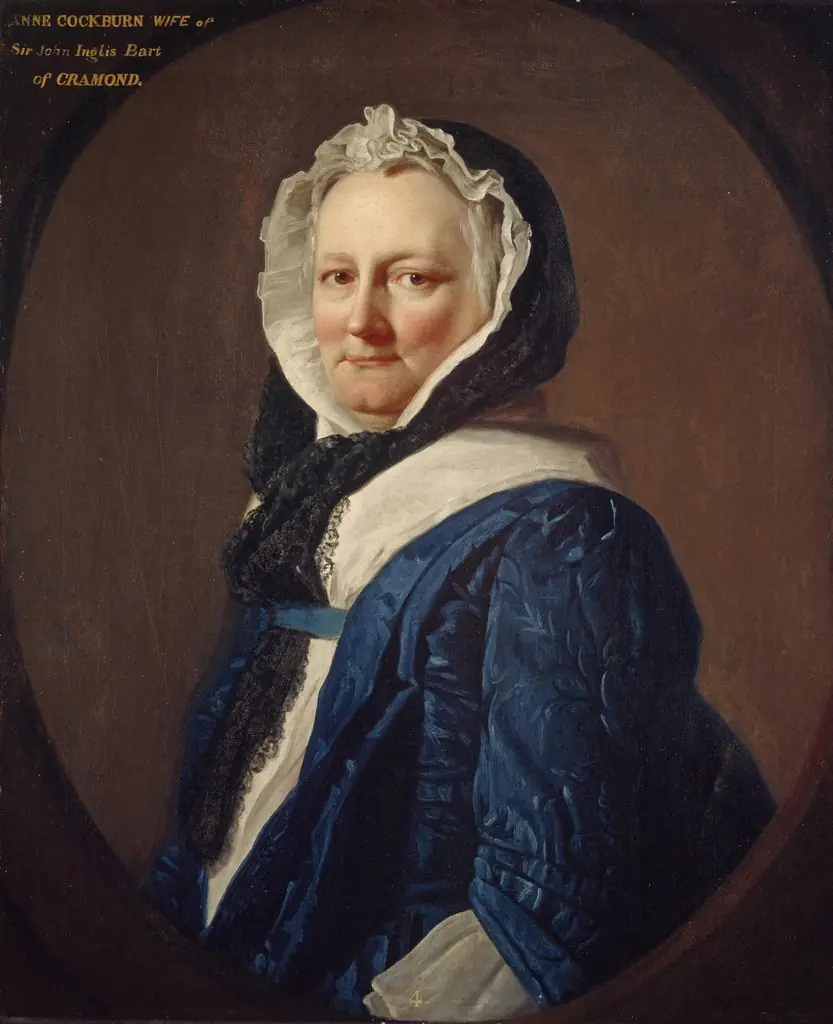 Anne Cockburn, Lady Inglis (died 1772)
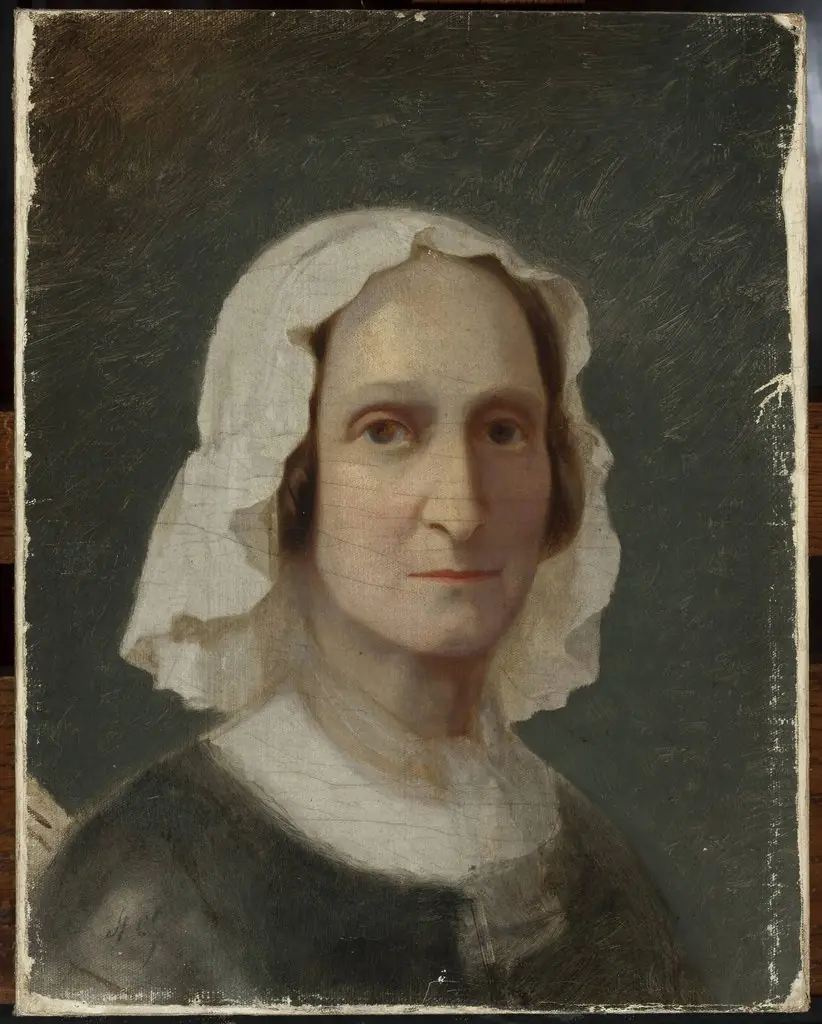 Portrait of Ludwika Czajkowska née Śniadecka (1802–1866), wife of Michał Sadyk Pasha
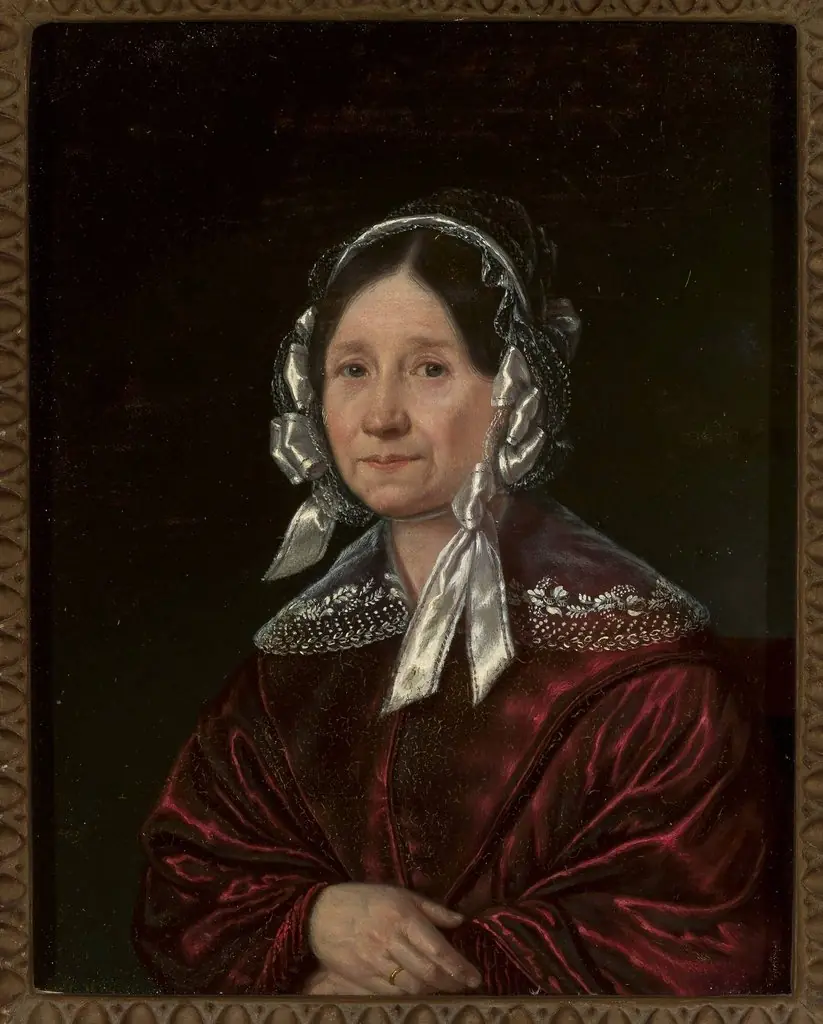 Portrait of Teresa Kicka
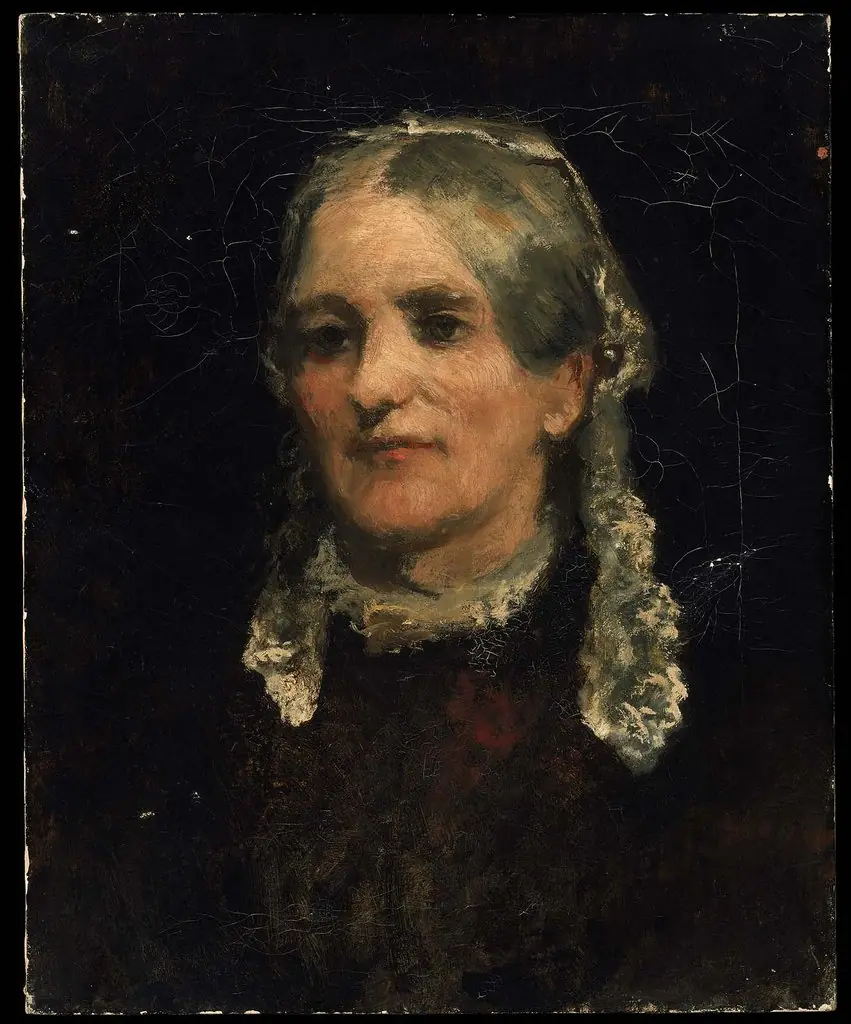 Portrait of a Lady
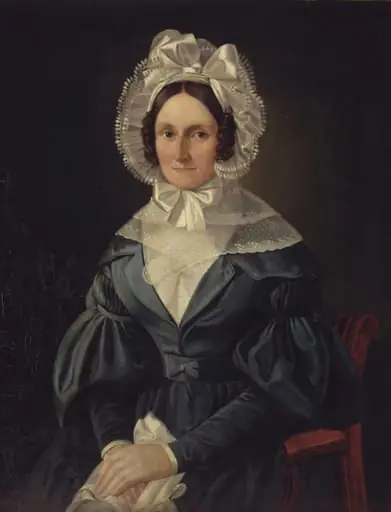 Anna Theodora Barbara Regenburg, f. Wetche
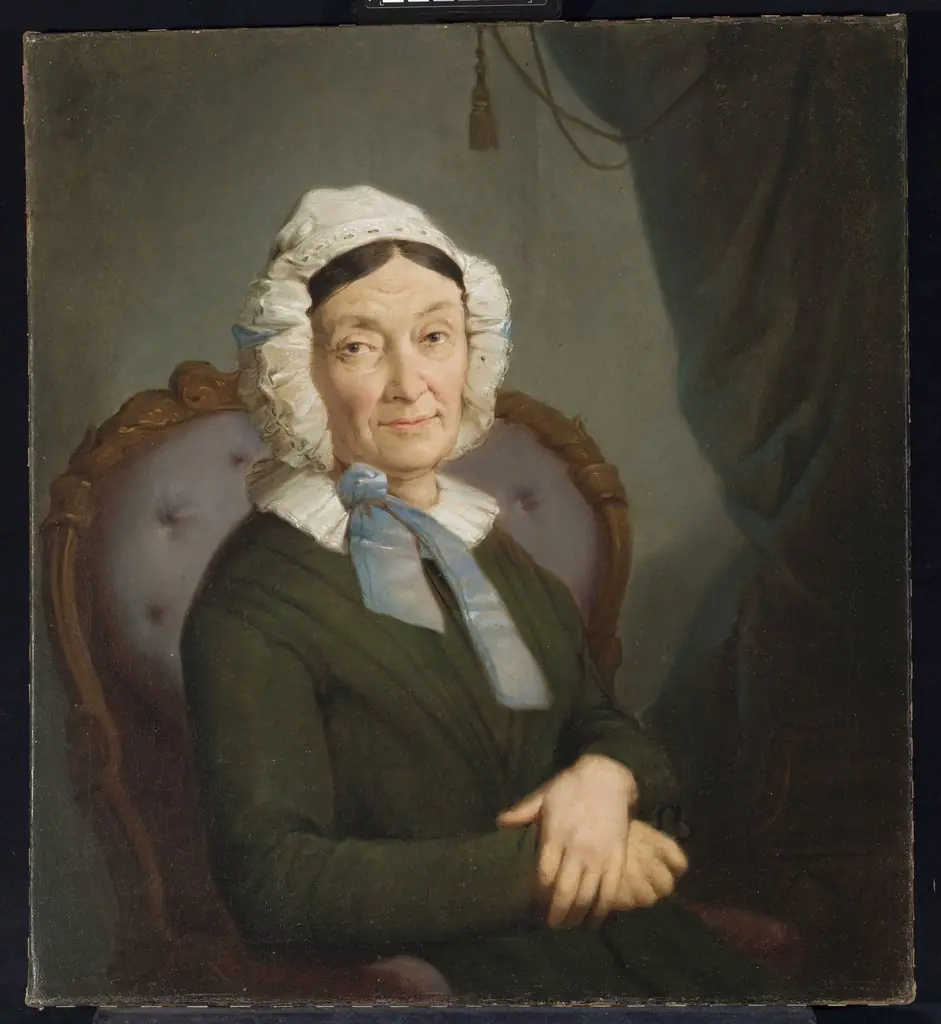 Portrait of Anna Kurpiewska née Olszakiewicz
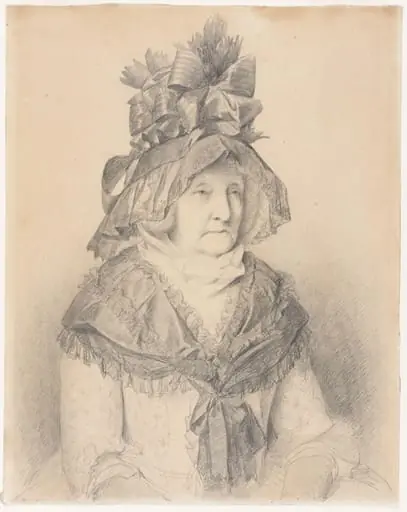 Portrait of Mrs Delany, born Granville
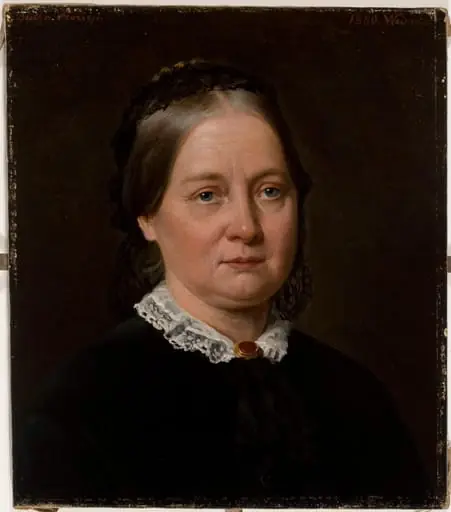 Victoria Åbergin muotokuva
 Portrait of countess Róża Sobańska