Artwork
Portrait of Marcin I Mikołaj Radziwiłł (1705–1782)
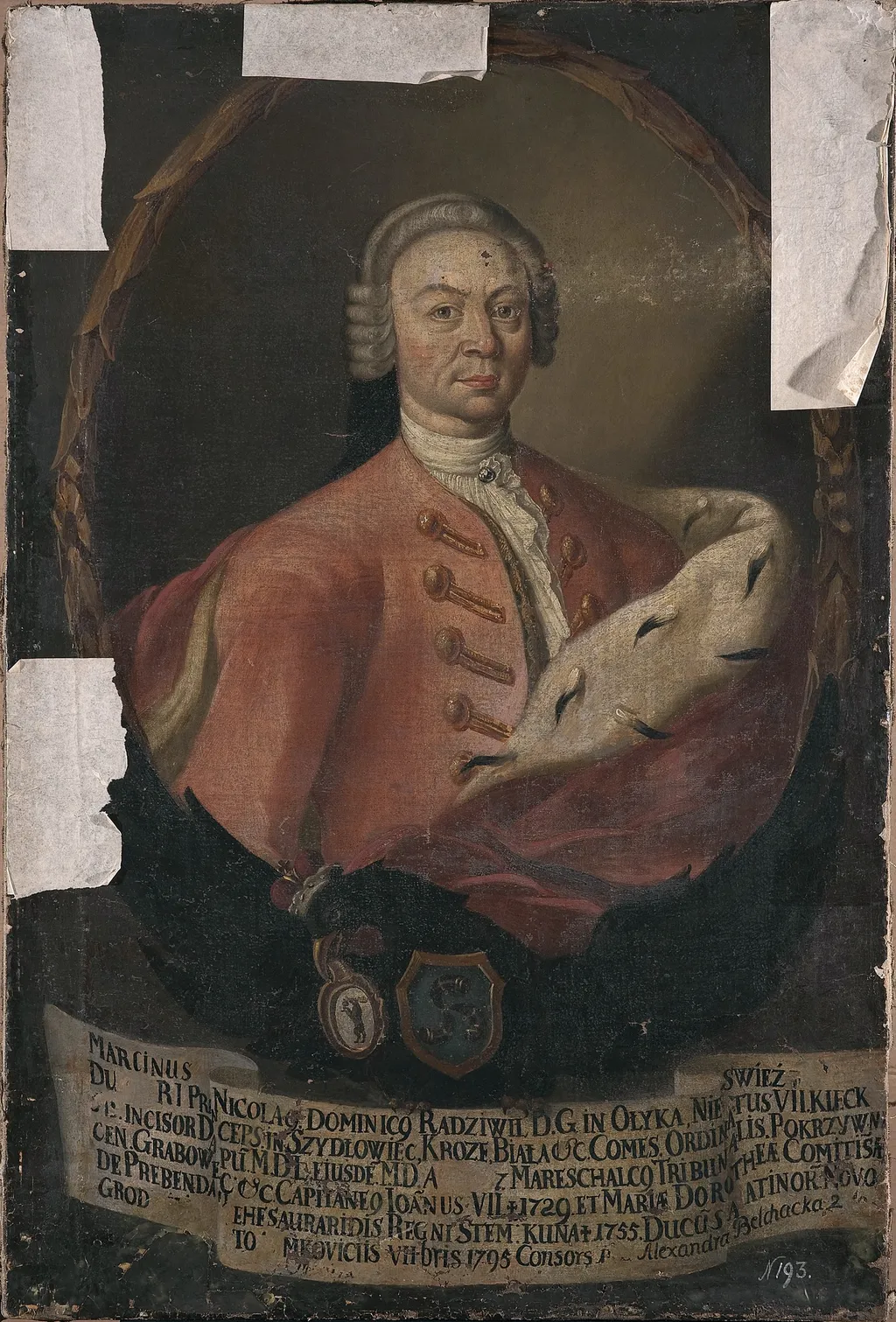
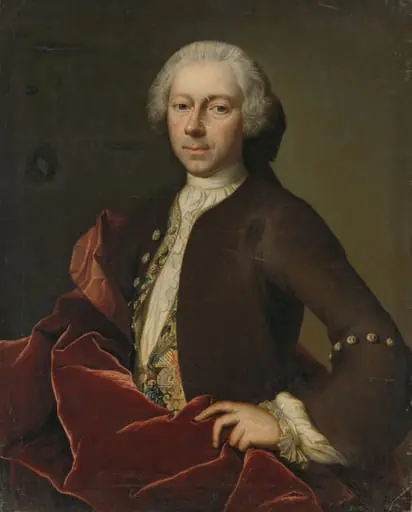
Portrait of Marcin I Mikołaj Radziwiłł (1705–1782) is an oil painting by the Rococo painting artist Unknown. It dates from 1742 and is held in the collection of the National Museum in Warsaw. The oil on canvas portrait depicts Marcin I Mikołaj Radziwiłł, a Polish-Lithuanian noble who lived from 1705 to 1782.
About this work
Overview
The oil on canvas portrait depicts Marcin I Mikołaj Radziwiłł, a Polish-Lithuanian noble who lived from 1705 to 1782. He is presented in a formal pose, wearing a dark red coat with white cuffs and a powdered wig, his left hand grasping a white cloth. The composition is set against an unadorned backdrop, framed by a dark oval border that isolates the figure.
Subject & Meaning
Marcin Radziwiłł, a member of the influential Radziwiłł family, is rendered with a sober expression that conveys the gravitas expected of a high-ranking aristocrat. The white cloth he holds may symbolize authority or a ceremonial role, reinforcing his status within the Commonwealth’s political and social hierarchy.
Technique & Style
Executed in oil paint, the portrait employs a restrained palette dominated by deep reds and muted tones. Fine brushwork defines the texture of the velvet coat and the sheen of the powdered wig, while the smooth handling of the background emphasizes the sitter’s three‑dimensional presence. The oval framing device reflects a late‑Baroque preference for intimate, portrait‑focused compositions.
History & Provenance
The work bears a Latin inscription at its base, now faded, that originally identified the sitter and possibly the artist. Over the centuries the painting entered the collection of the National Museum in Warsaw, where it remains on view as part of the museum’s holdings of Polish noble portraiture.
Context
Created during the mid‑18th century, the portrait aligns with the broader European tradition of aristocratic representation, where elaborate dress and controlled demeanor signaled lineage and power. Its formal qualities echo the conventions of Polish‑Lithuanian Commonwealth portraiture, which blended Western stylistic influences with local heraldic symbolism.
Artist & collection

 Domestic Scene
 Giacomo and Cardinal Marco, investing Andrea, Abbot of San Zeno, with his Benefice
 The Nymph of Fontainebleau
 Portrait of a Woman
 Madonna and Child with Saints in the Enclosed Garden
 Venus and Minerva
 Family Group of Four on Sofa
 Wall painting from Room H of the Villa of P. Fannius Synistor at Boscoreale
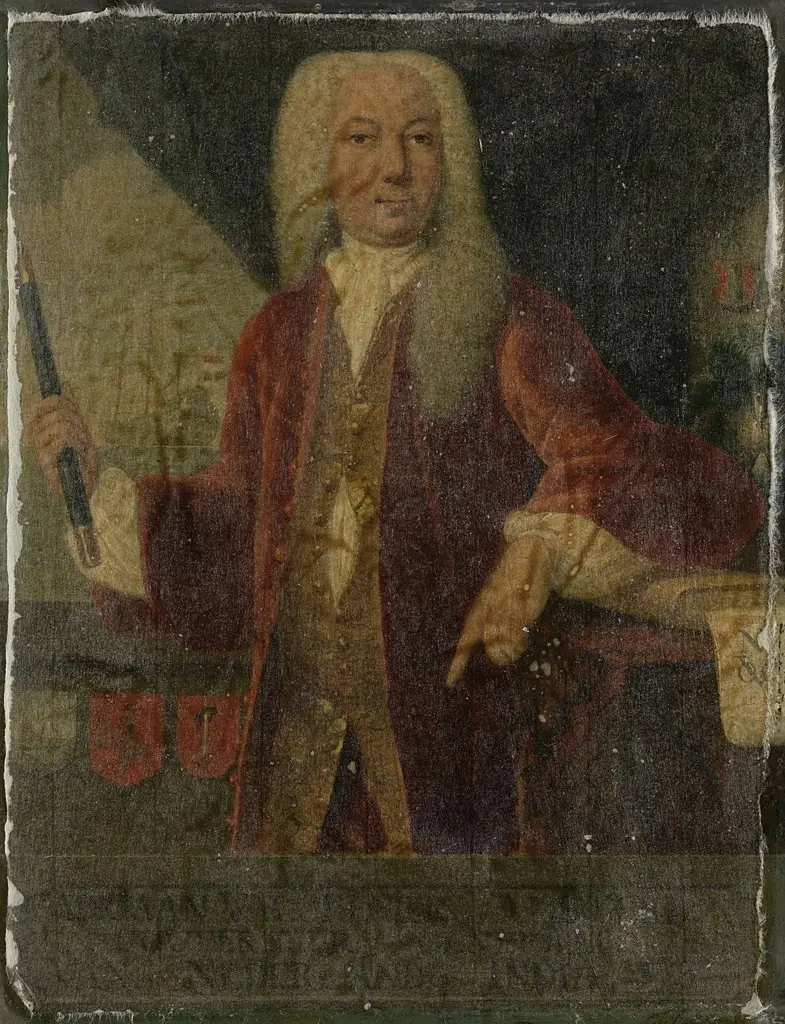 Portrait of Adriaan Valckenier (1695-1751), Gouverneur-generaal (1737-41)
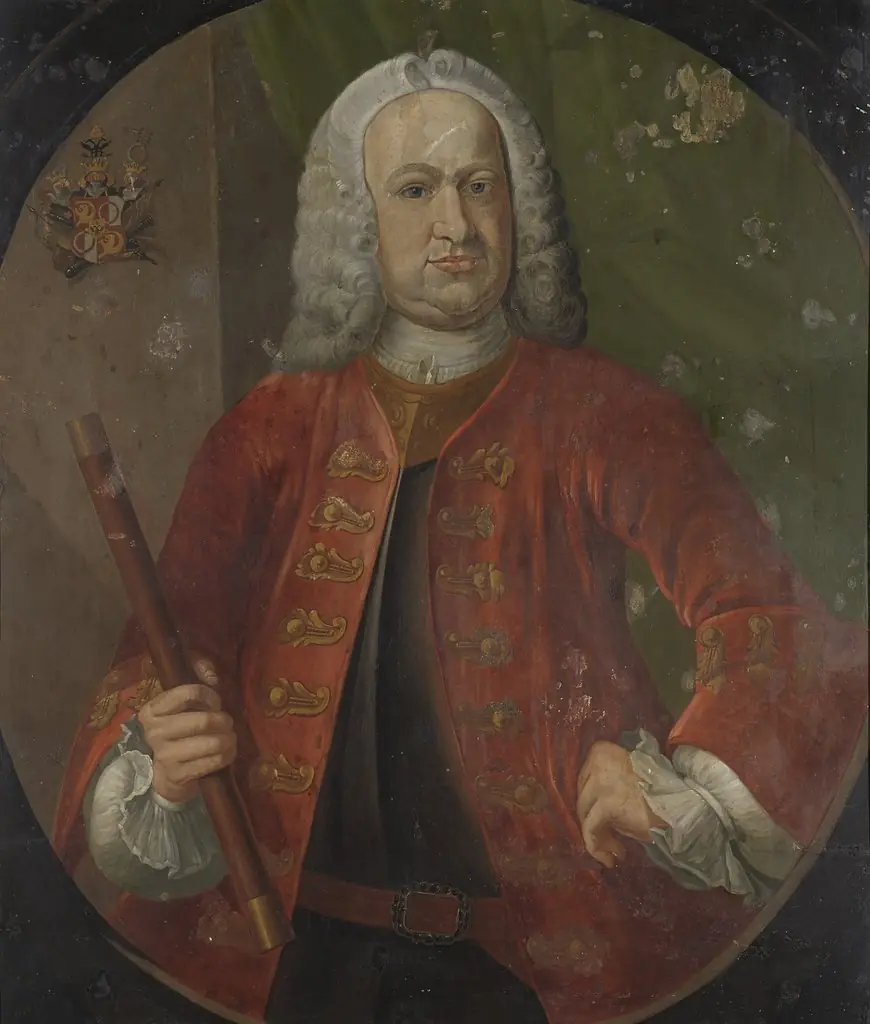 Portrait of Gustaaf Willem, Baron van Imhoff, Governor-General of the Dutch East India Company
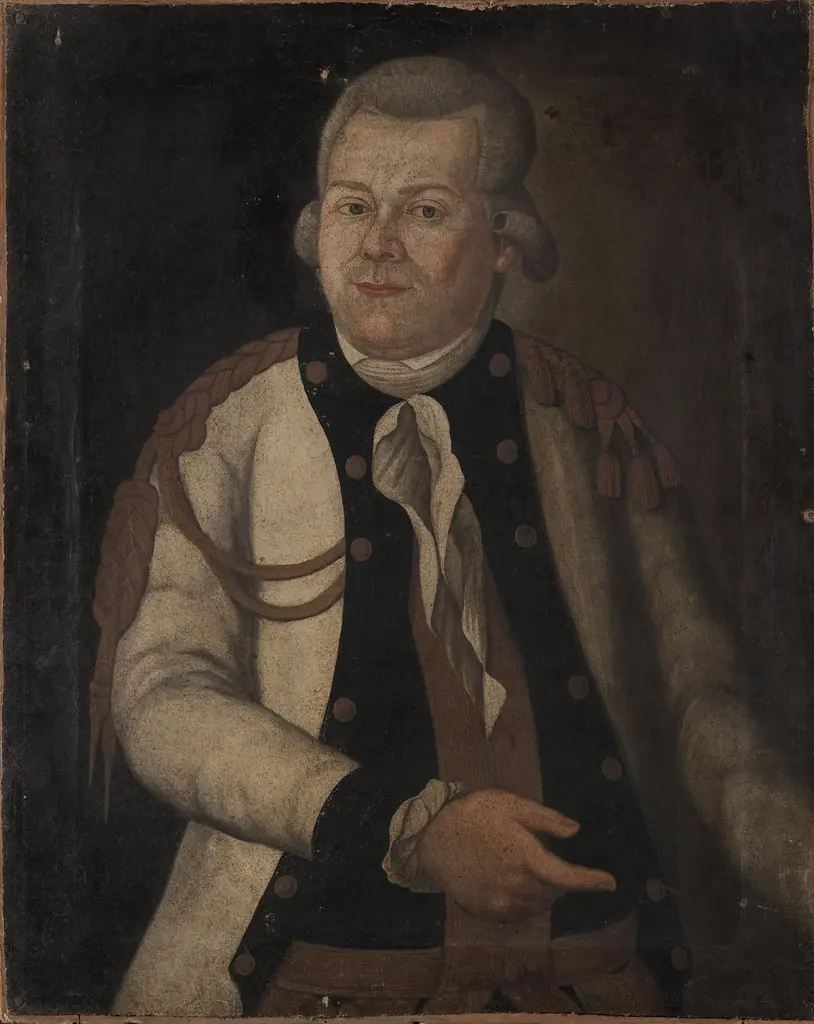 Portrait of Józef Morykoni
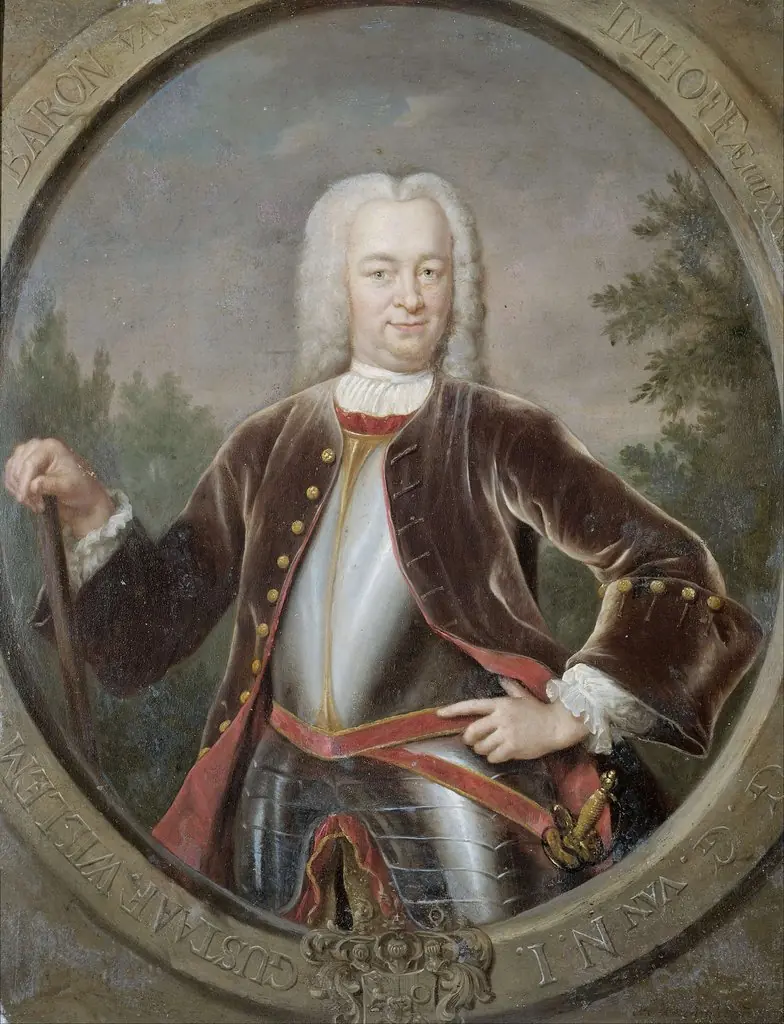 Portrait of Gustaaf Willem, Baron van Imhoff, Governor-General of the Dutch East India Company
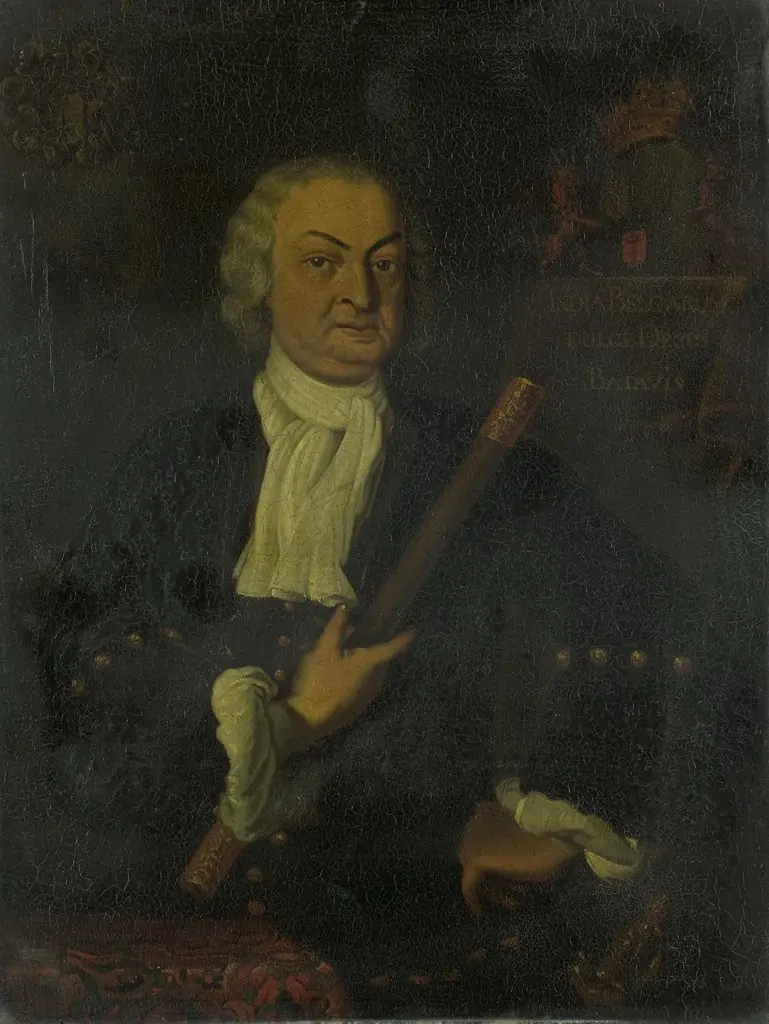 Hendrik Swaardecroon (1667-1728). Gouverneur-generaal (1718-25)
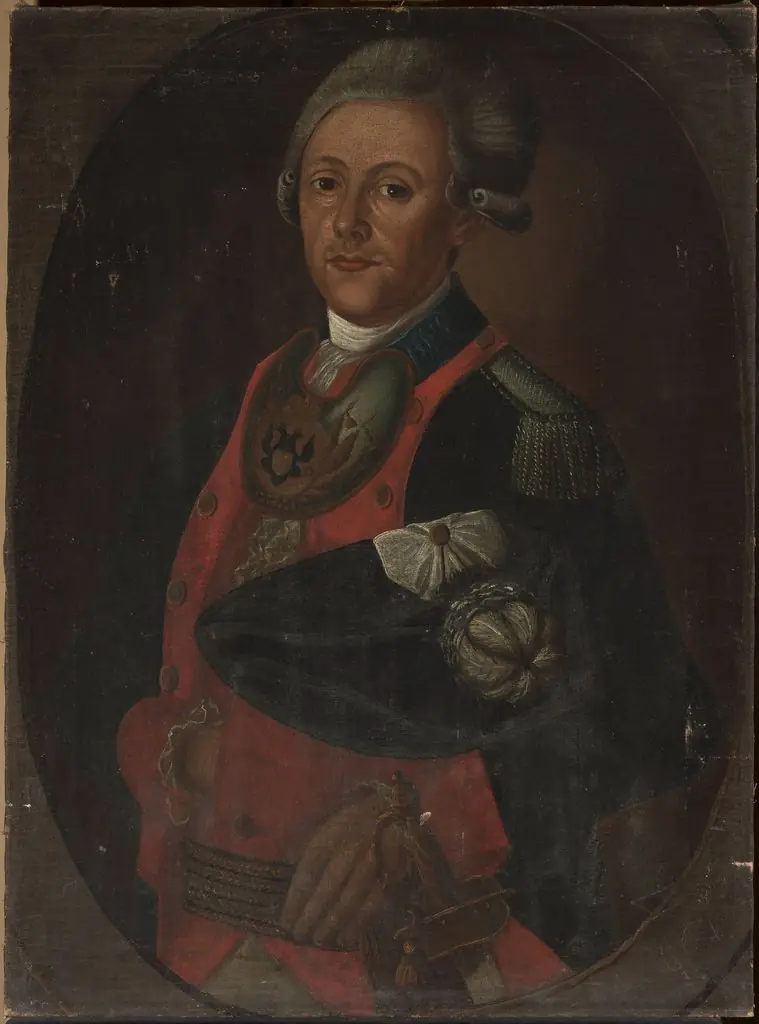 Portrait of a military man
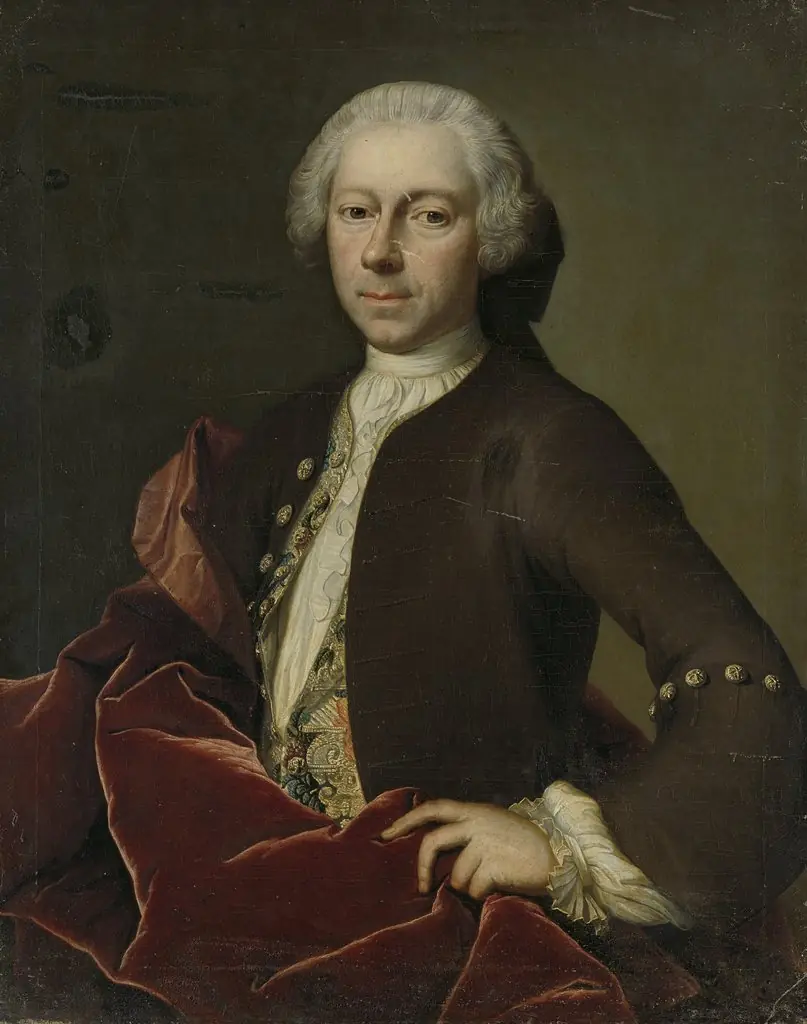 Portrait of Pieter Parker, Alderman, Burgomaster and Councilor of Goes
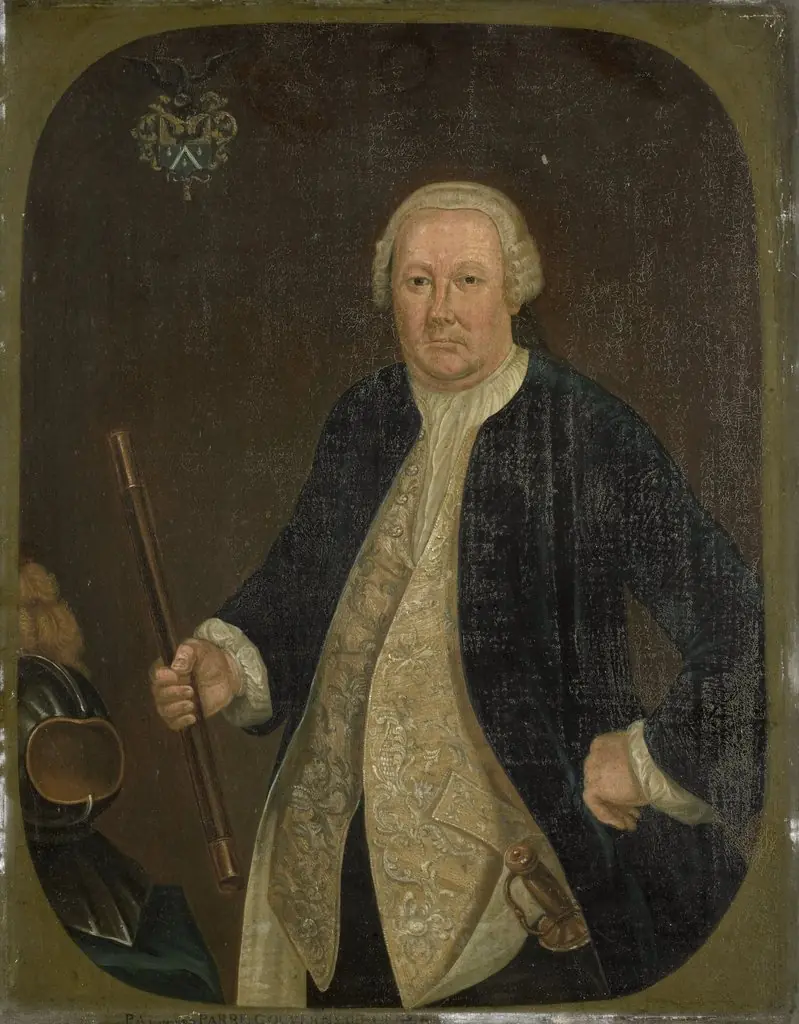 Portrait of Petrus Albertus van der Parra (1714-1775)
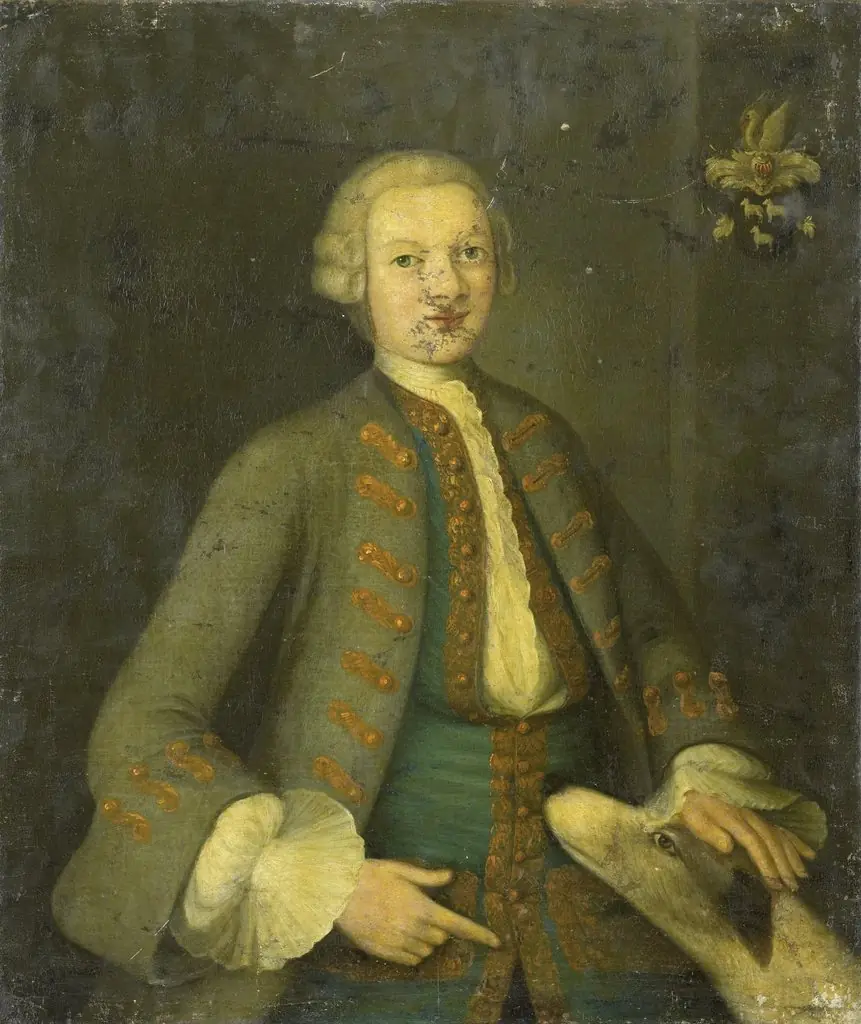 Portret van een man
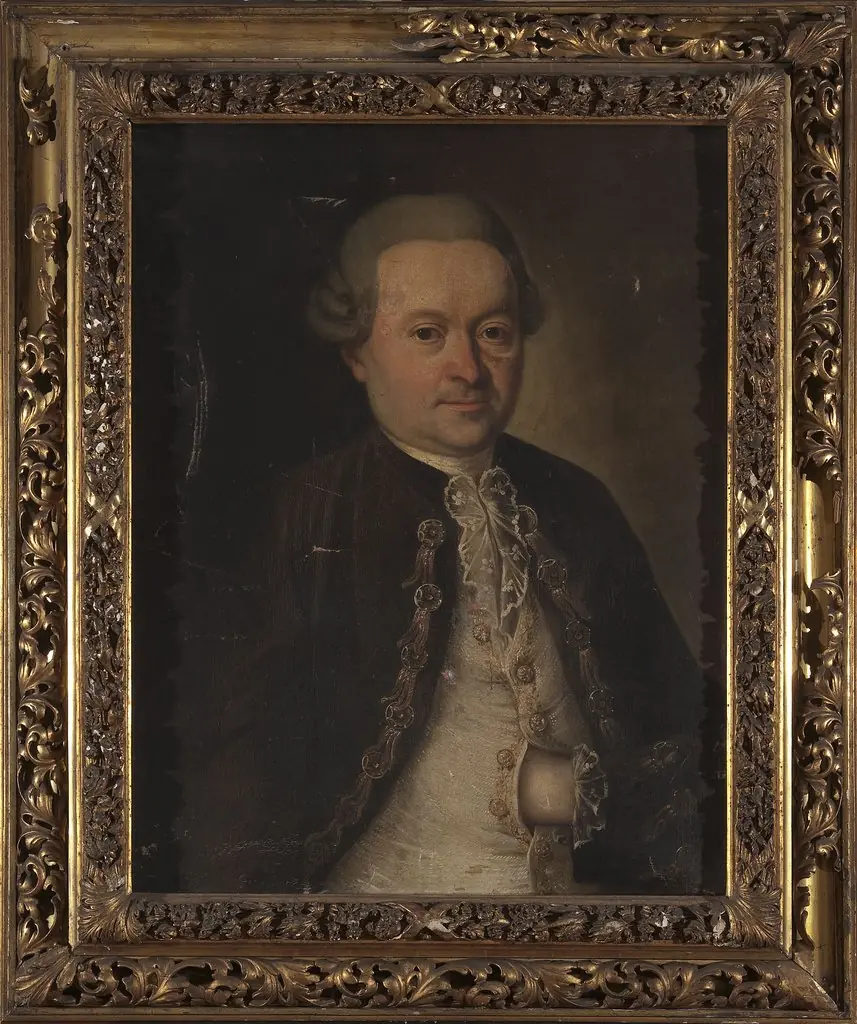 Portrait of Franciszek Halka-Ledóchowski
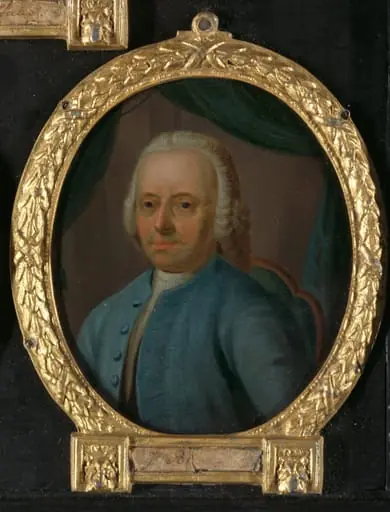 Portrait of Joannes Badon, Poet from Vlaardingen
 Portrait of Pieter Parker, Alderman, Burgomaster and Councilor of Goes