Artwork
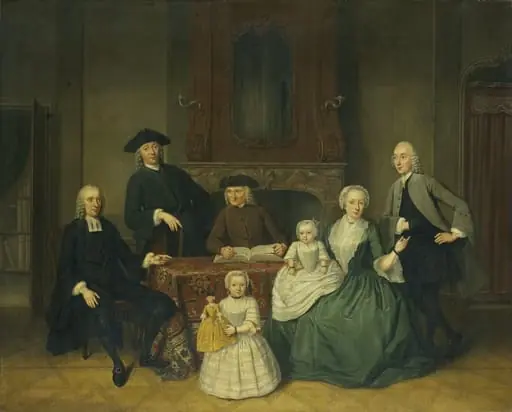
Portrait of the Meebeeck Cruywagen Family near the Gate of their Country Home on Uitweg near Amsterdam
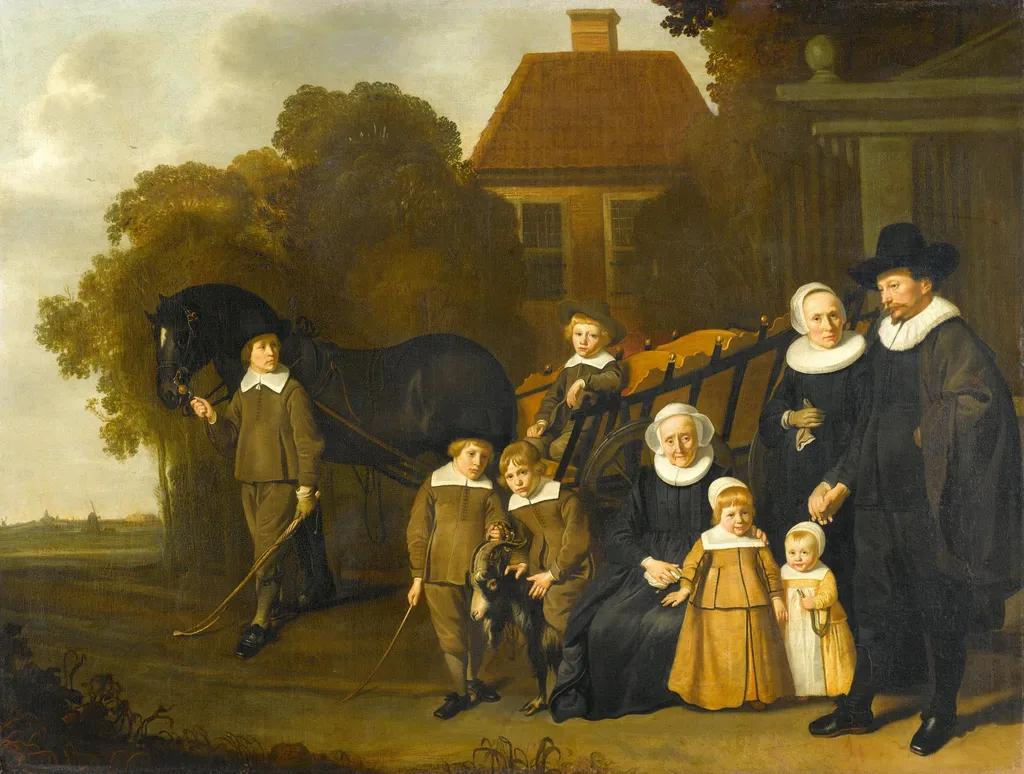
Portrait of the Meebeeck Cruywagen Family near the Gate of their Country Home on Uitweg near Amsterdam is an unspecified painting by the Dutch Golden Age artist Unknown. It dates from 1640 and is held in the collection of the Rijksmuseum.
About this work
Overview
Portrait of the Meebeeck Cruywagen Family is a group portrait painting depicting ten members of the Meebeeck Cruywagen family posed outside their country home on Uitweg near Amsterdam. The scene includes a horse-drawn wagon, a dog, and the family's brick residence, conveying a sense of domesticity and prosperity.
Subject & Meaning
The painting showcases the family's social status through the inclusion of a horse and wagon, symbols of wealth. The formal arrangement of family members, with two boys playfully incorporated on the wagon, suggests a deliberate display of unity and affluence, characteristic of 17th-century Dutch group portraits.
Technique & Style
While specific artistic techniques are not detailed in the provided facts, the painting's composition—featuring a lined-up arrangement of subjects, meticulous depiction of attire, and the integration of domestic and natural elements—aligns with the detailed, realistic tradition of Dutch Golden Age painting.
History & Provenance
The painting's historical context and provenance are not extensively outlined in the provided information. However, it is noted to be part of the Rijksmuseum's collection, implying its recognition as a significant work within Dutch art heritage.
Context
Created during a time when group portraits served as testimonials to a family's status, this work reflects the societal values of 17th-century Netherlands, where wealth, family unity, and domestic life were highly valued and often depicted in art.
Legacy
As part of the Rijksmuseum's collection, the portrait contributes to the museum's narrative of Dutch Golden Age art and family life, offering insights into the social dynamics and values of the period. Its inclusion suggests its importance in illustrating the era's artistic and cultural practices.
Artist & collection

 Domestic Scene
 Giacomo and Cardinal Marco, investing Andrea, Abbot of San Zeno, with his Benefice
 The Nymph of Fontainebleau
 Portrait of a Woman
 Madonna and Child with Saints in the Enclosed Garden
 Venus and Minerva
 Family Group of Four on Sofa
 Wall painting from Room H of the Villa of P. Fannius Synistor at Boscoreale
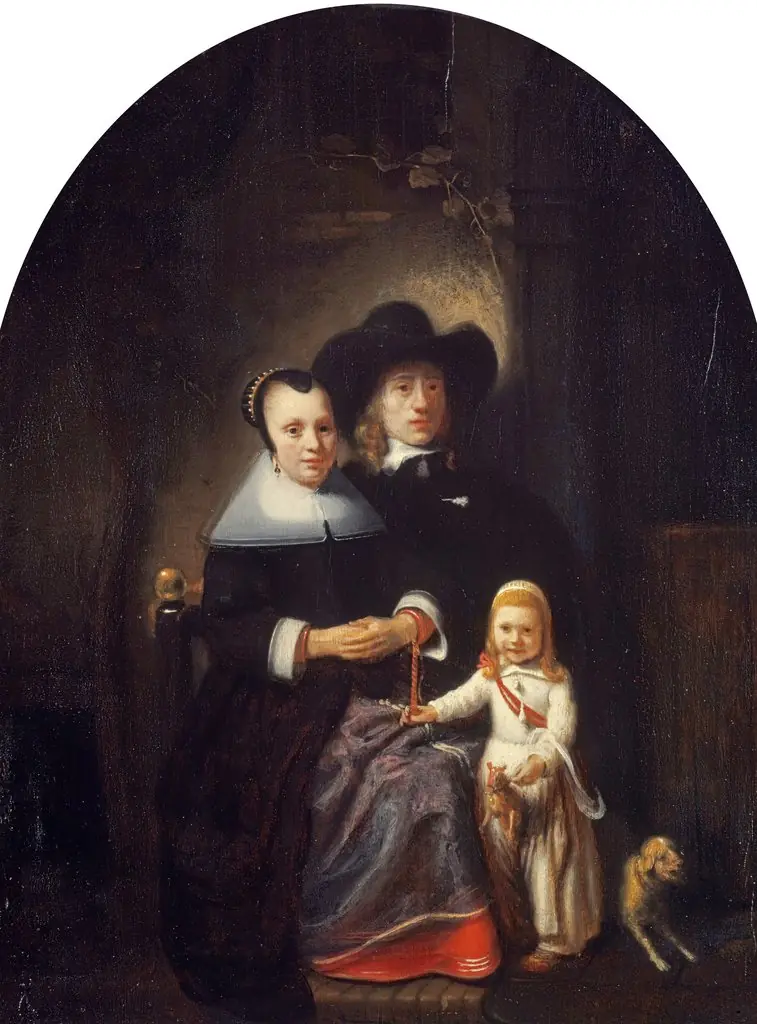 A Dutch Family Group
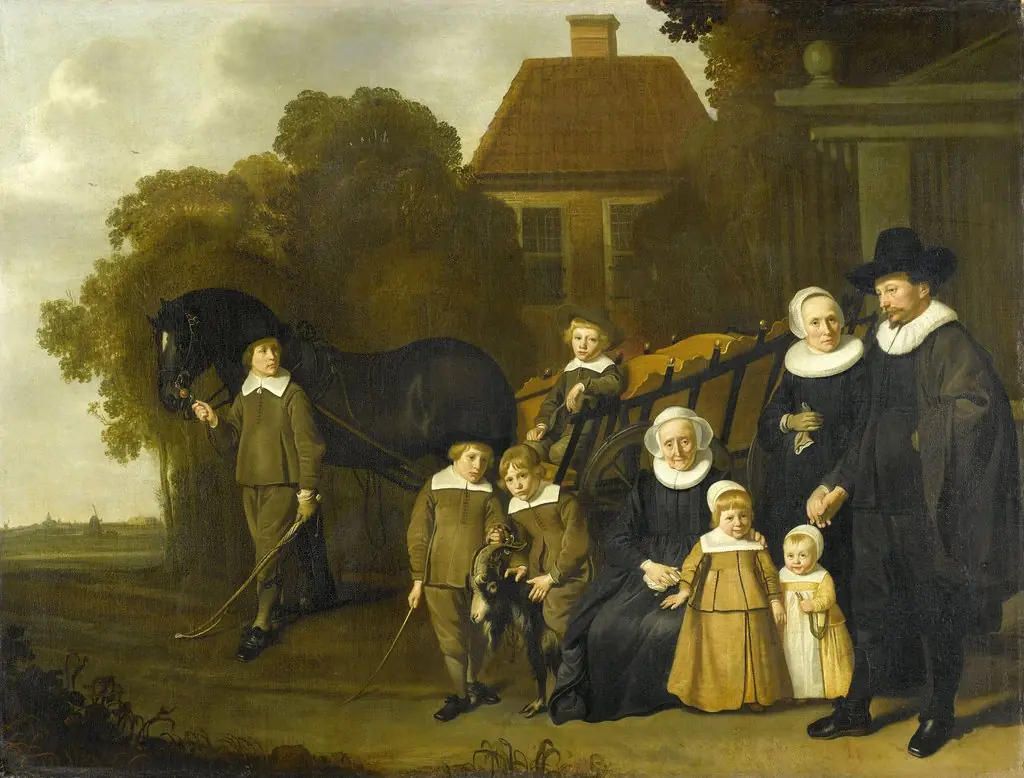 The Meebeeck Crywagen family near the gate of their country home on the Uitweg near Amsterdam
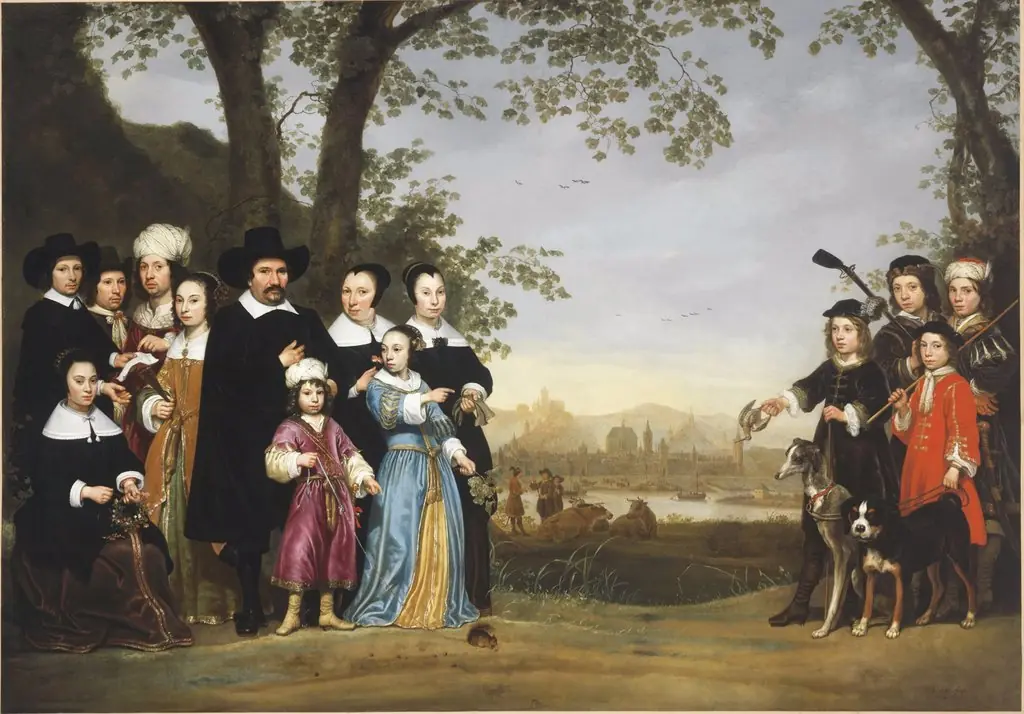 Portrait of the Sam Family
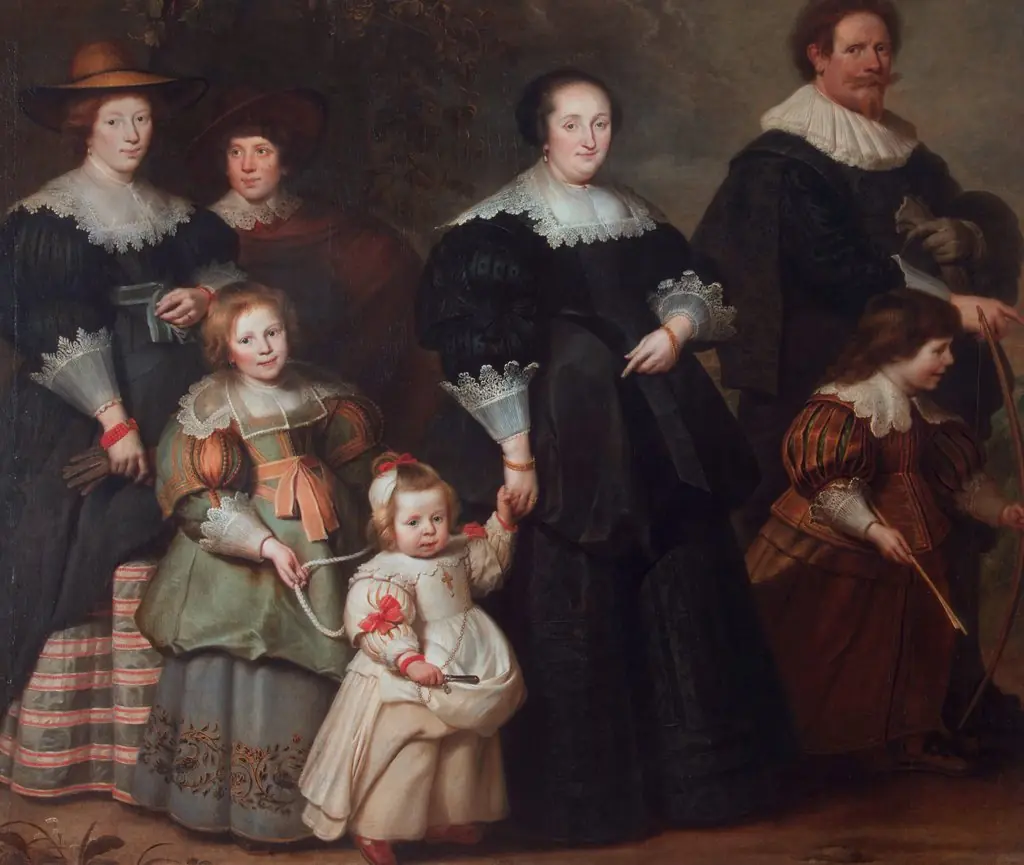 Self-Portrait of the Artist with his Wife Suzanne Cock and their Children
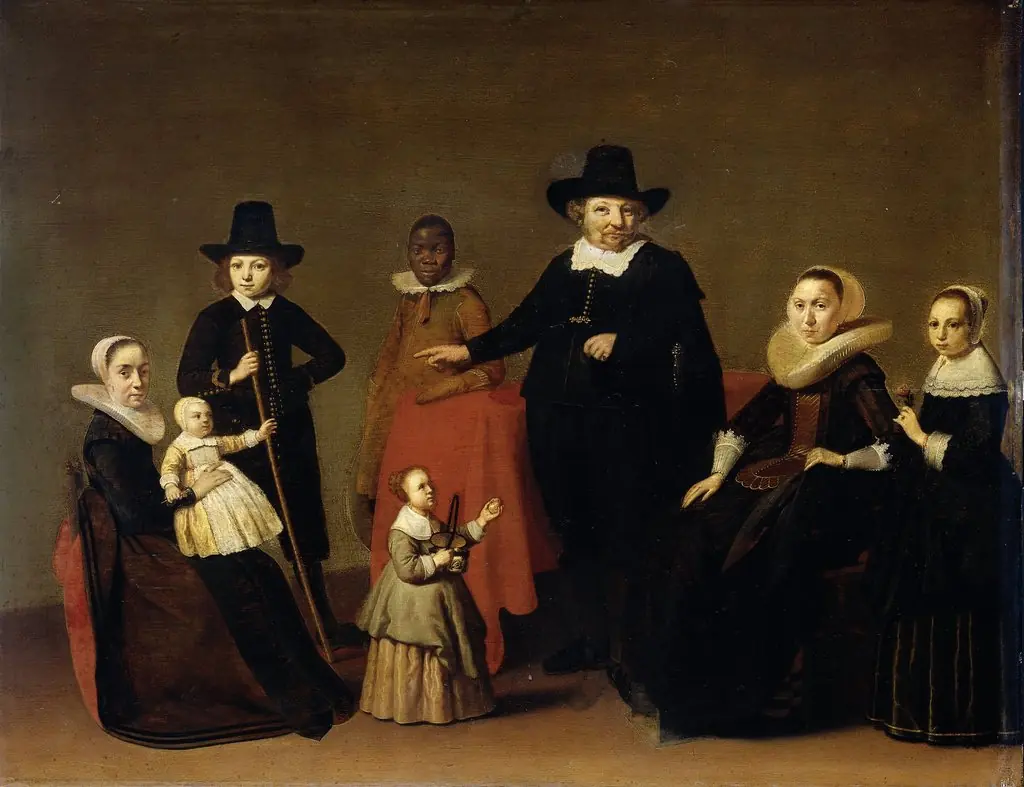 Family group with a black man
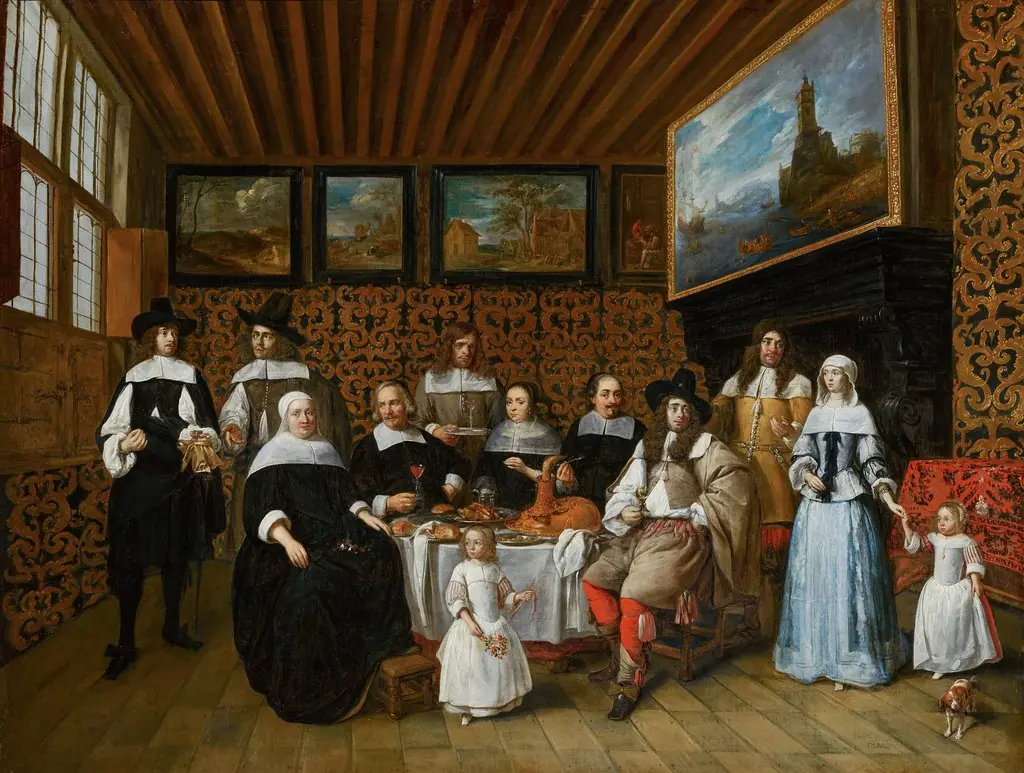 Family Portrait
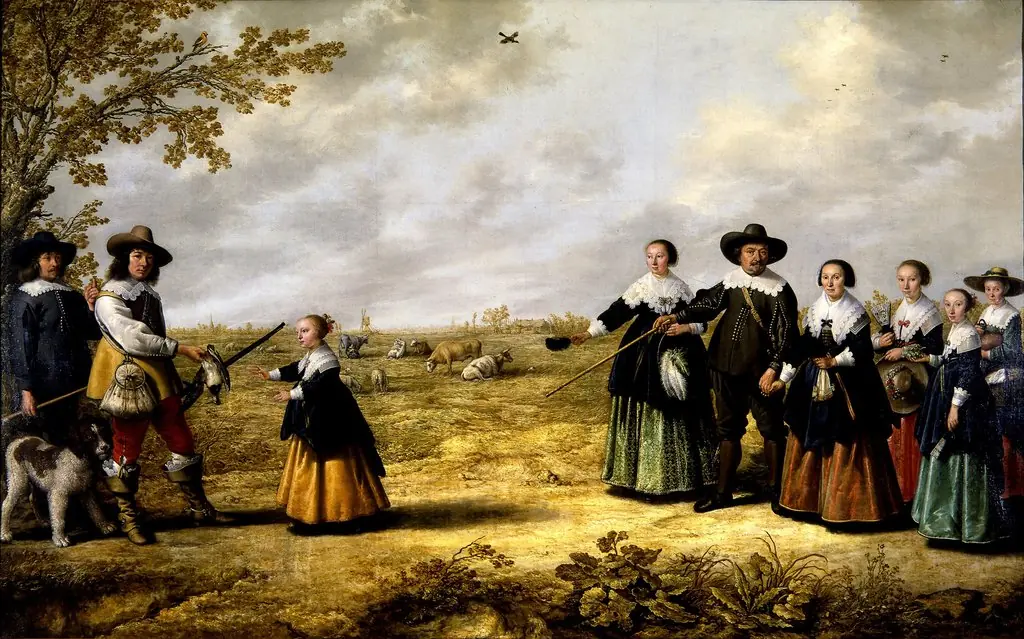 Portrait of a Family in a Landscape
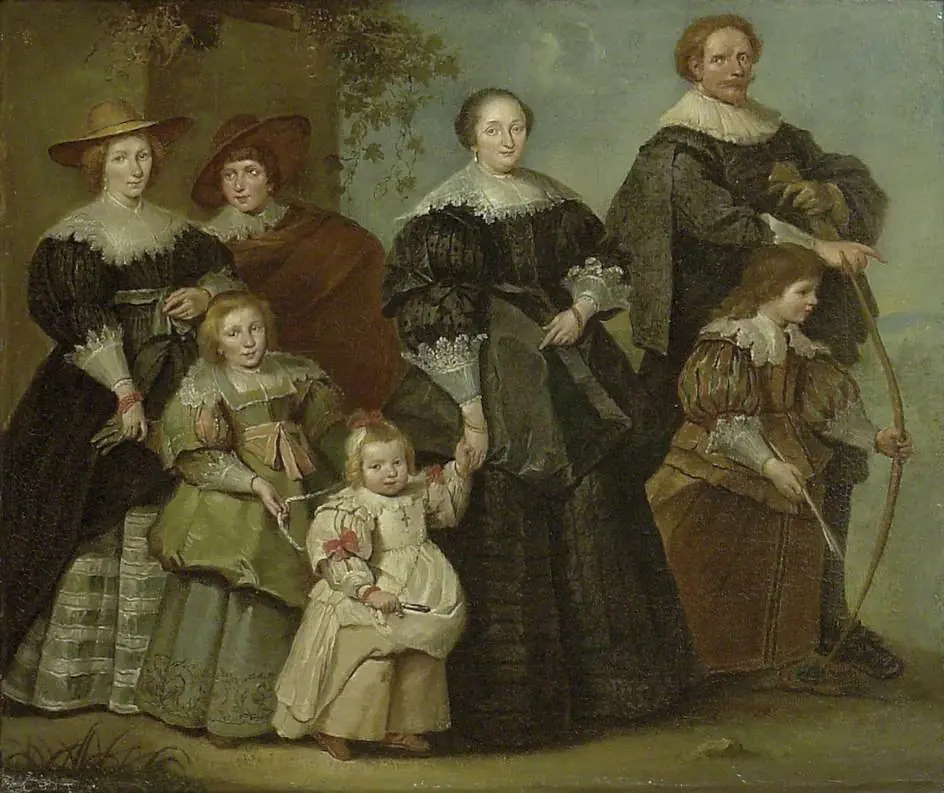 Self-Portrait of the Artist with his Wife Suzanne Cock and their Children
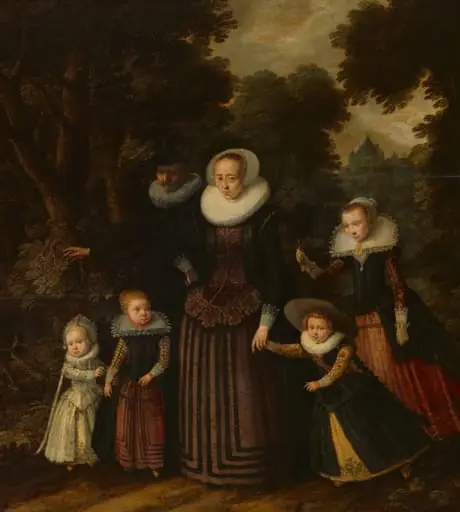 Untitled
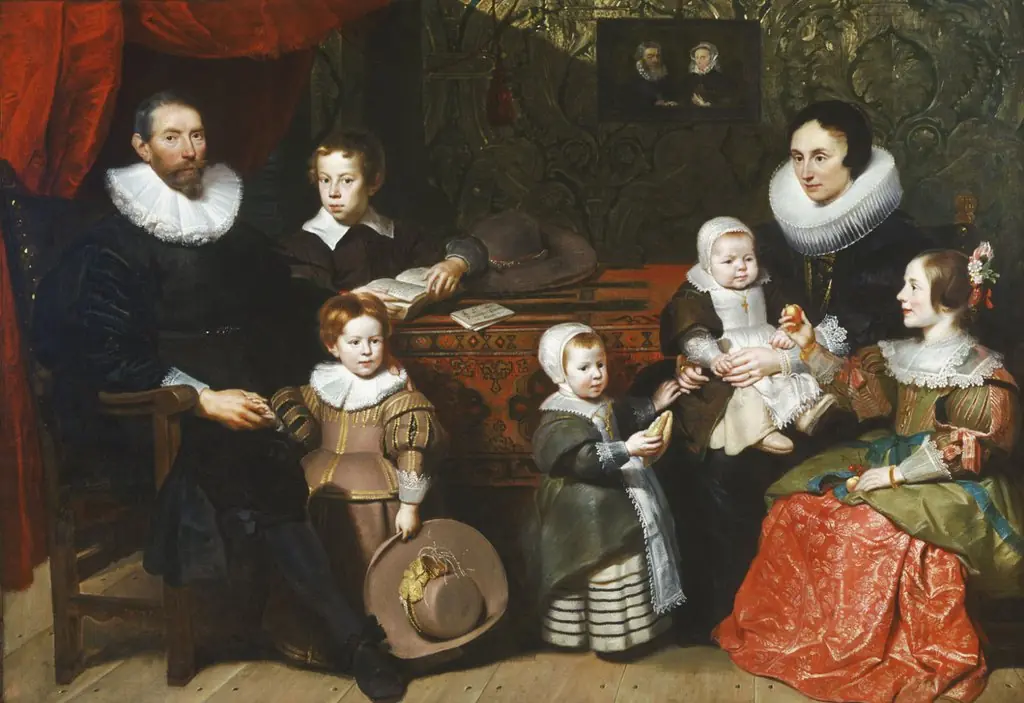 Portrait of Anthony Reyniers and His Family
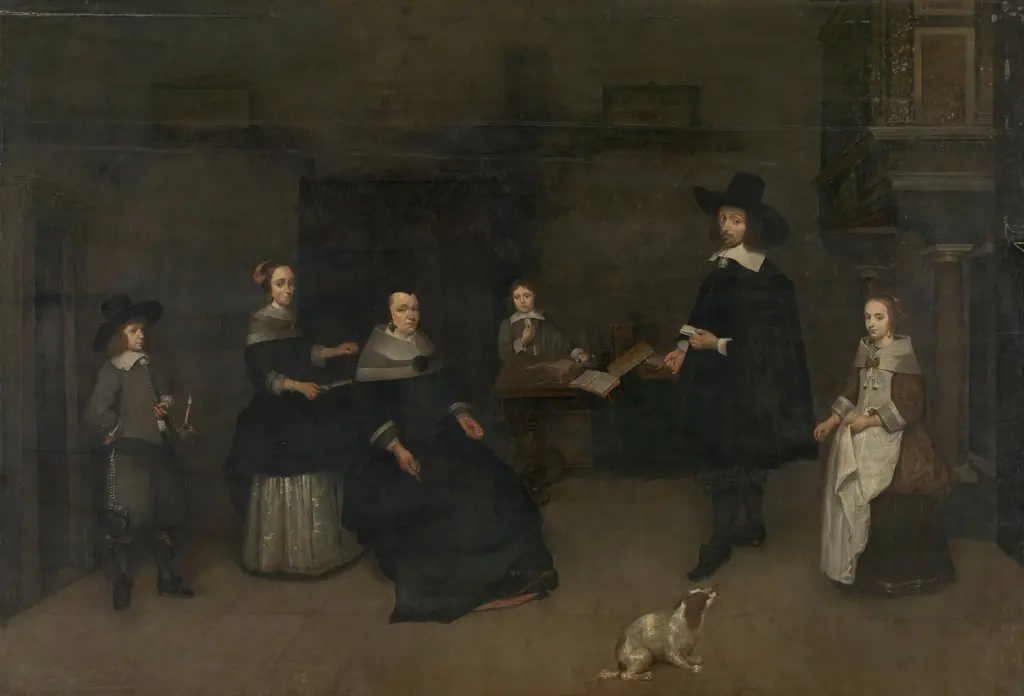 Family scene
 Portrait of the Brak Family, Amsterdam Mennonites