Artwork
宋人富貴花狸 軸
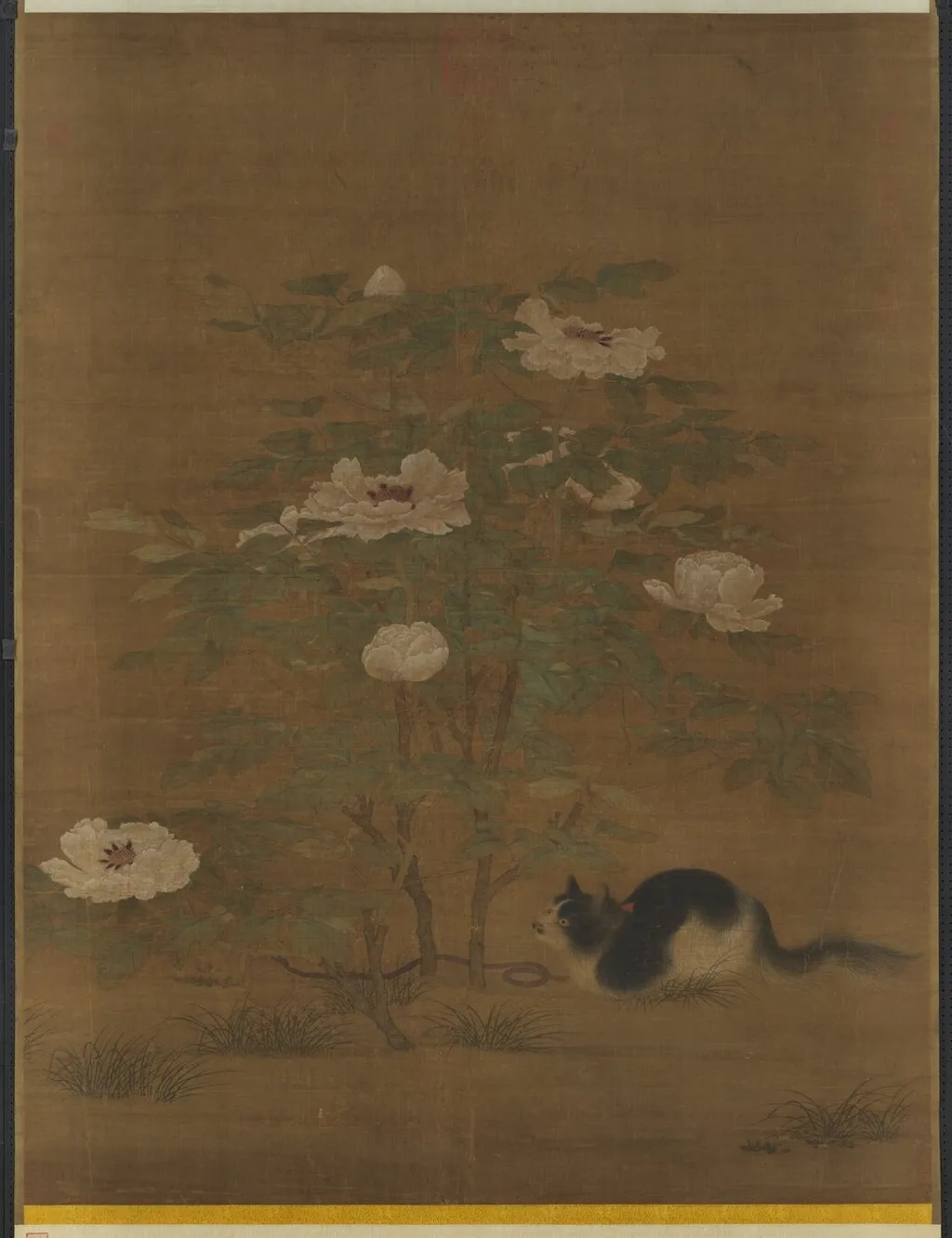
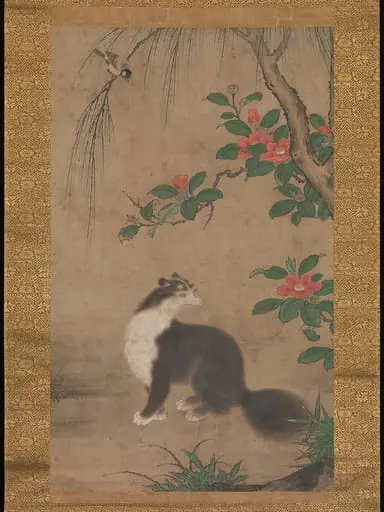
宋人富貴花狸 軸 is an unspecified painting by Unknown. It dates from 1850 and is held in the collection of the National Palace Museum. The work, titled “宋人富貴花狸,” is a silk painting that presents a quiet domestic tableau.
About this work
Overview
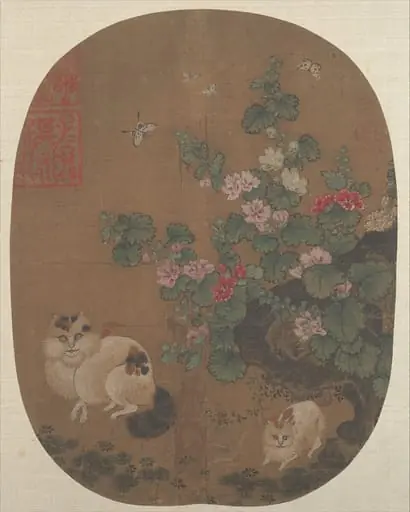
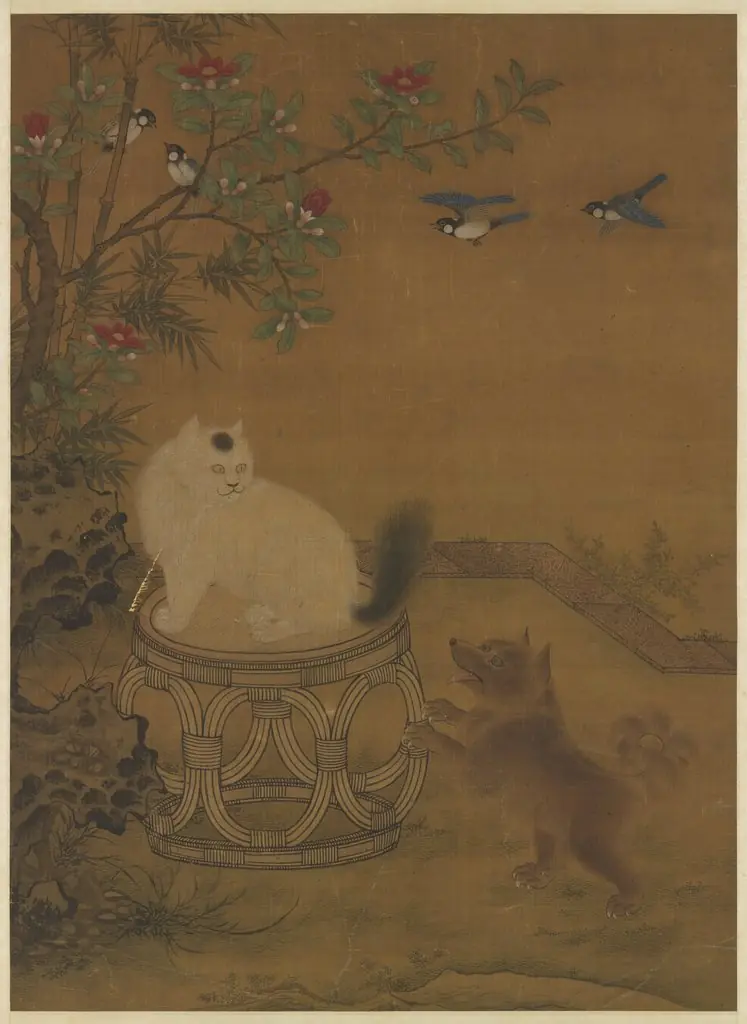
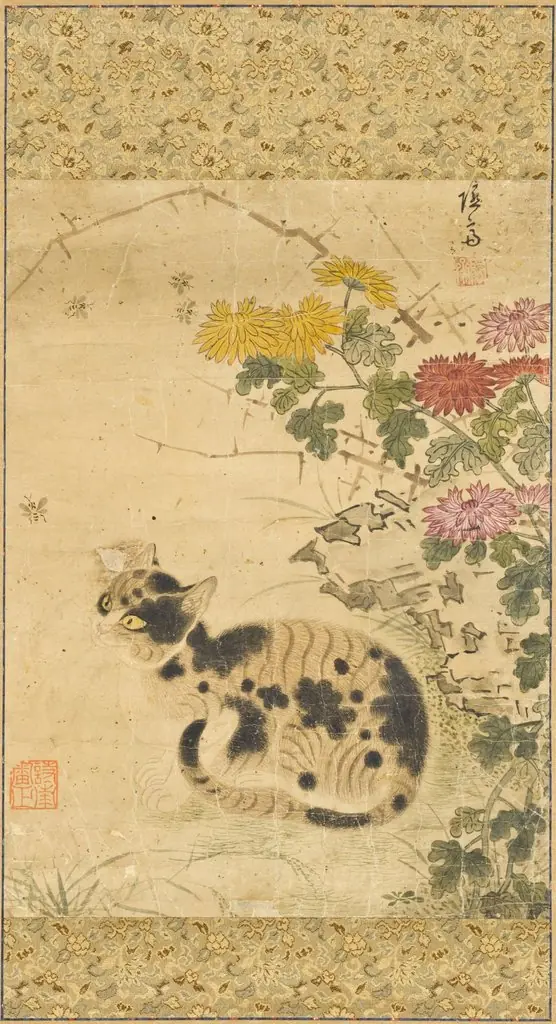
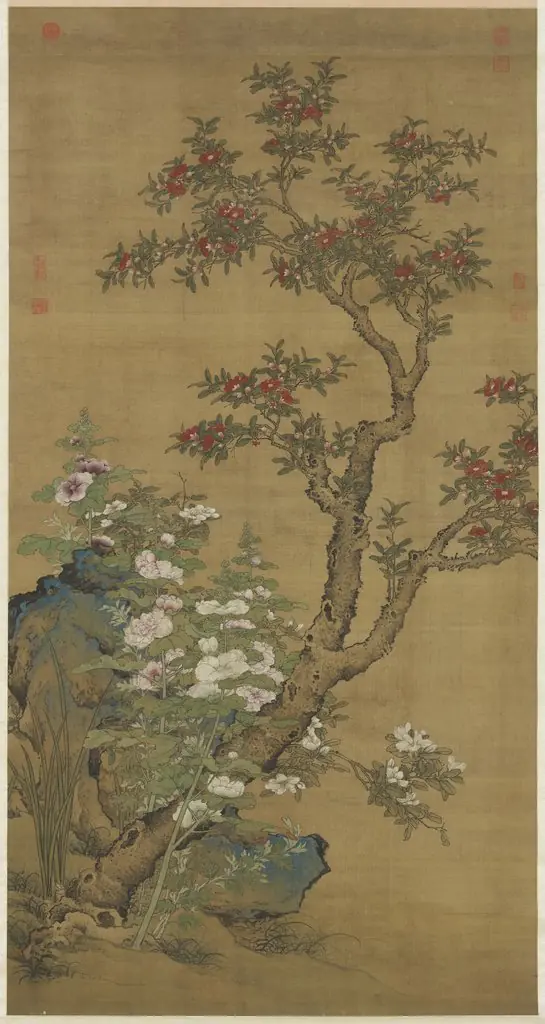
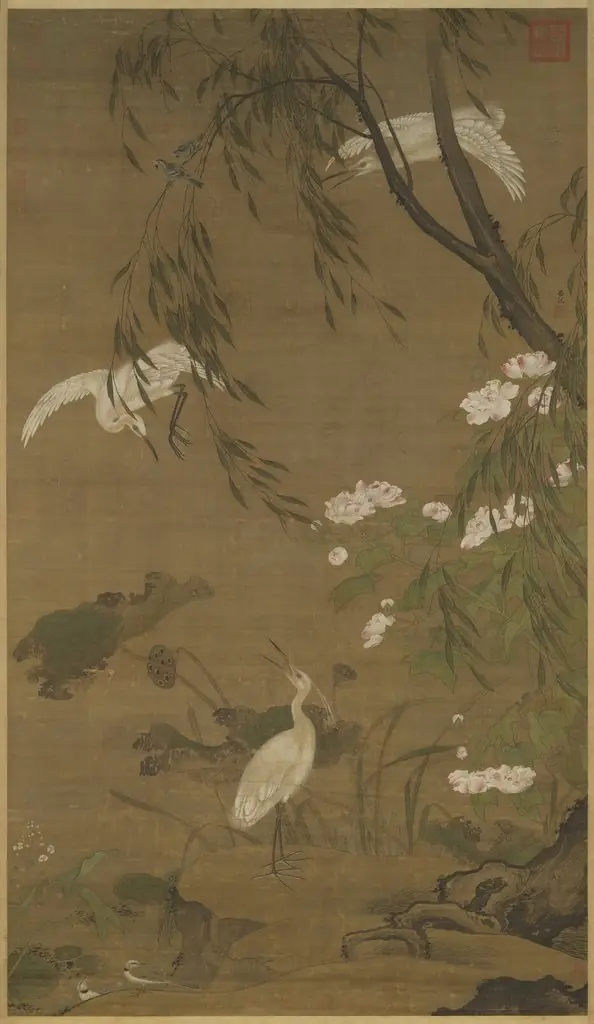
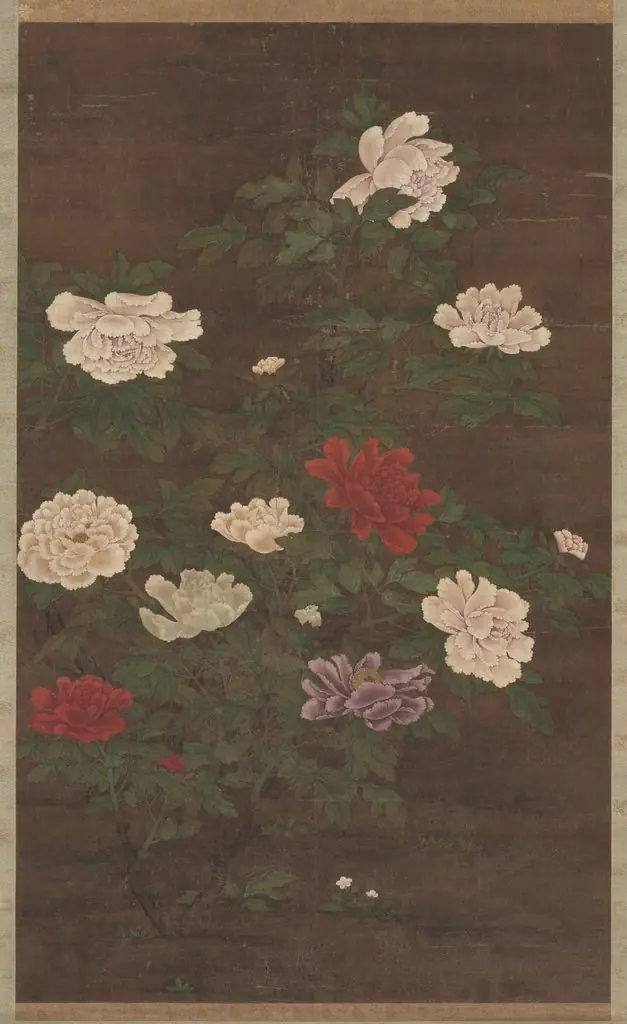
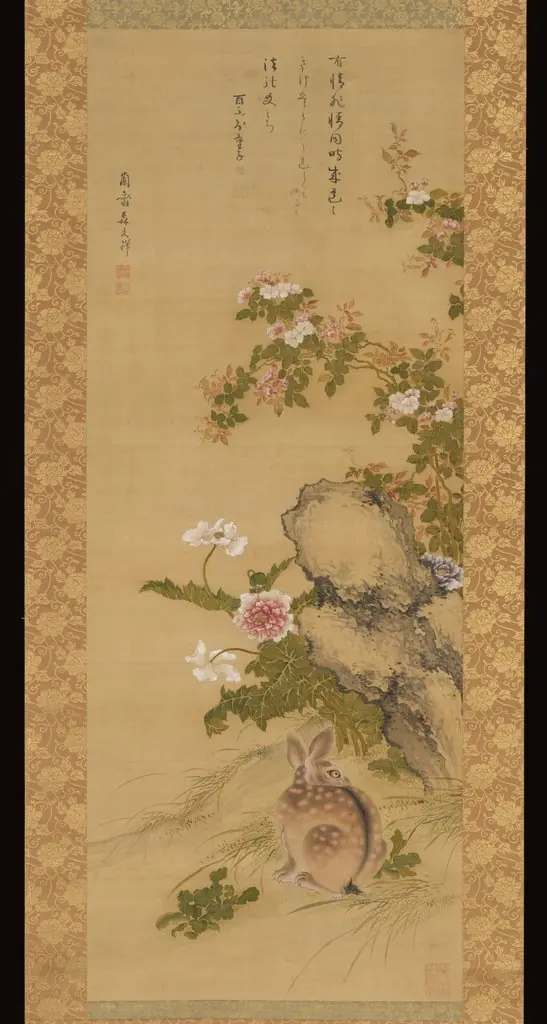
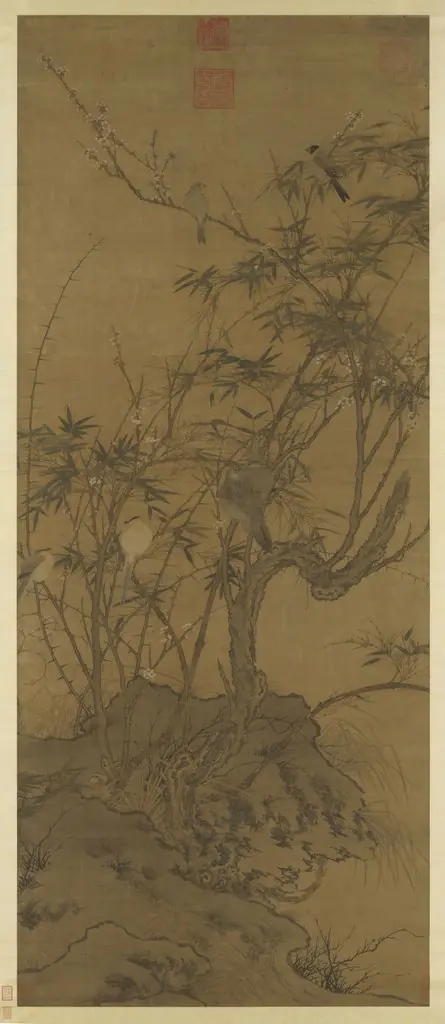
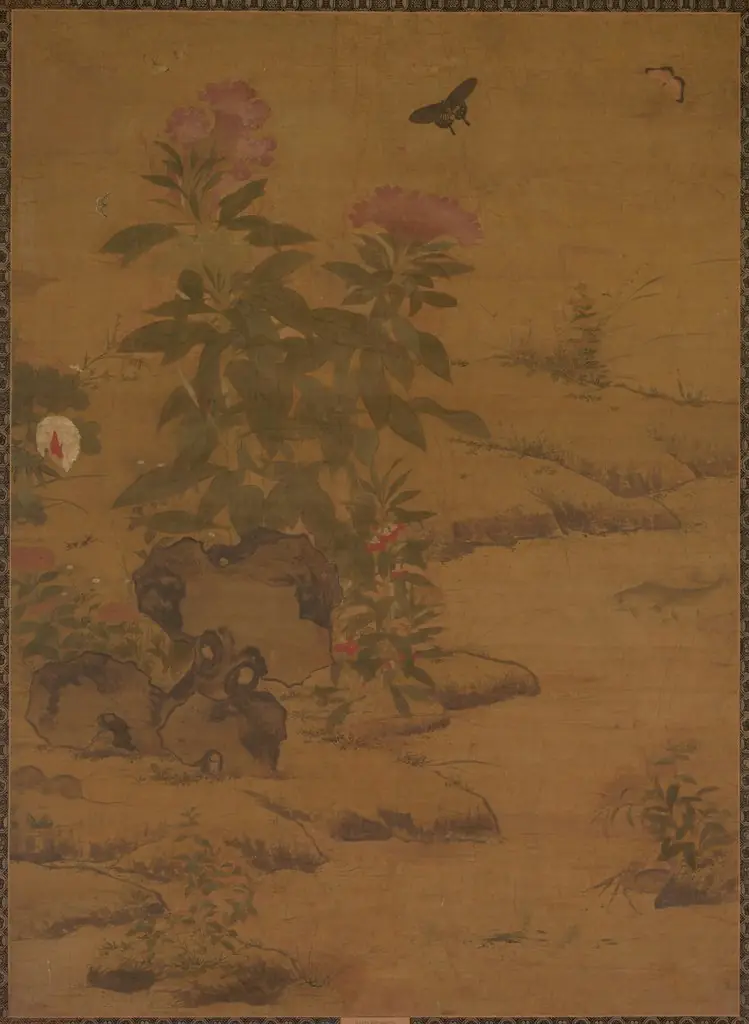
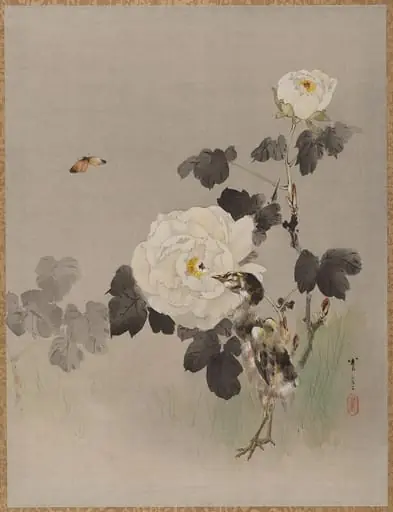
The work, titled “宋人富貴花狸,” is a silk painting that presents a quiet domestic tableau. Central to the composition is a luxuriant peony in full bloom, its white petals set against deep green foliage. In the lower right corner a black‑and‑white cat gazes toward the flower, while a few blades of grass frame the bottom edge, contributing to the overall sense of repose.
Subject & Meaning
The juxtaposition of the feline figure with the peony invokes traditional Chinese symbolism: cats often represent protection and domestic comfort, whereas peonies are associated with wealth and honor. Their combined presence suggests a harmonious wish for prosperity and peaceful household life.
Technique & Style
Executed on silk, the painting employs delicate brushwork typical of Song‑period court aesthetics. The artist renders the peony’s petals with layered washes that convey translucency, while the cat’s fur is delineated through fine, contrasting strokes that emphasize its black and white pattern.
History & Provenance
The piece belongs to a corpus of Song dynasty paintings that celebrate refined leisure. Though specific ownership records are lacking, its title references the “宋人” (Song person) tradition of depicting affluent, cultured scenes, indicating it was likely created for an educated patron.
Context
During the Song era, botanical subjects and domestic animals were common motifs in literati art, reflecting an appreciation for nature’s subtle beauty. The peony, in particular, was a favored subject for its ornamental qualities and symbolic resonance within elite circles.
Artist & collection

 Domestic Scene
 Giacomo and Cardinal Marco, investing Andrea, Abbot of San Zeno, with his Benefice
 The Nymph of Fontainebleau
 Portrait of a Woman
 Madonna and Child with Saints in the Enclosed Garden
 Venus and Minerva
 Family Group of Four on Sofa
 Wall painting from Room H of the Villa of P. Fannius Synistor at Boscoreale