Artwork
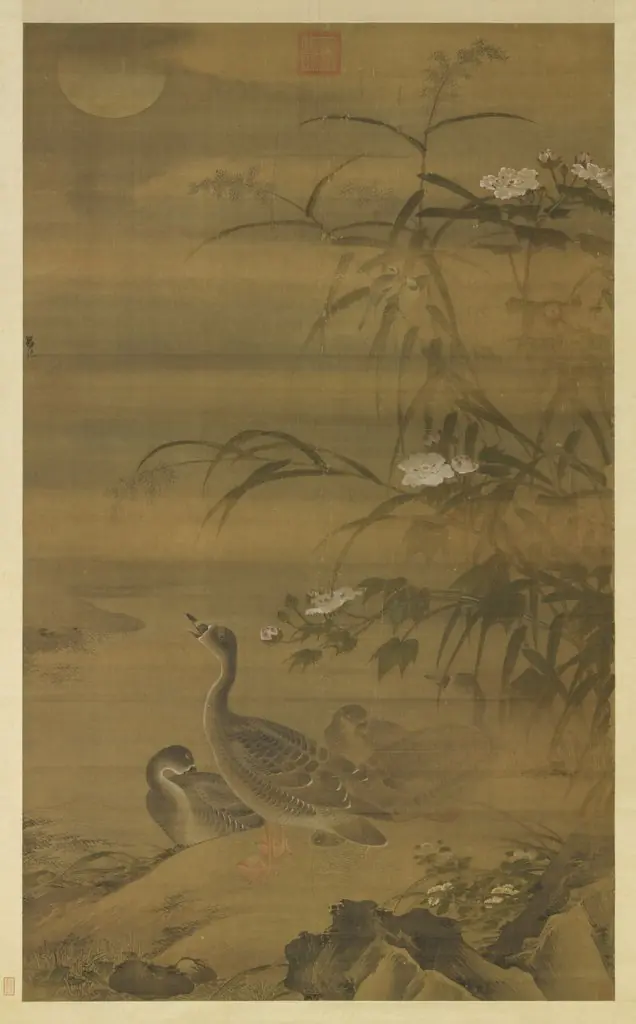
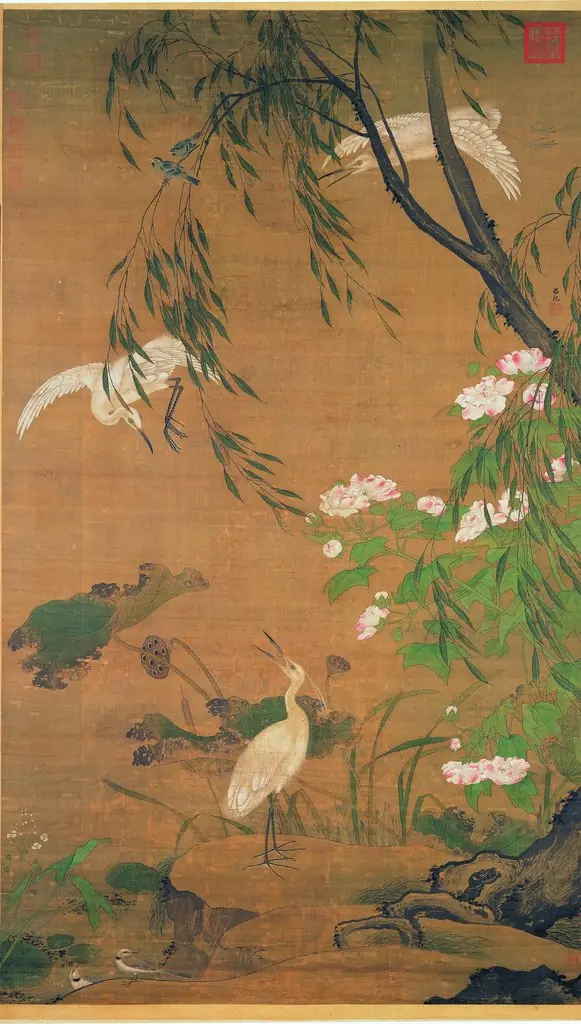
明呂紀秋鷺芙蓉圖 軸
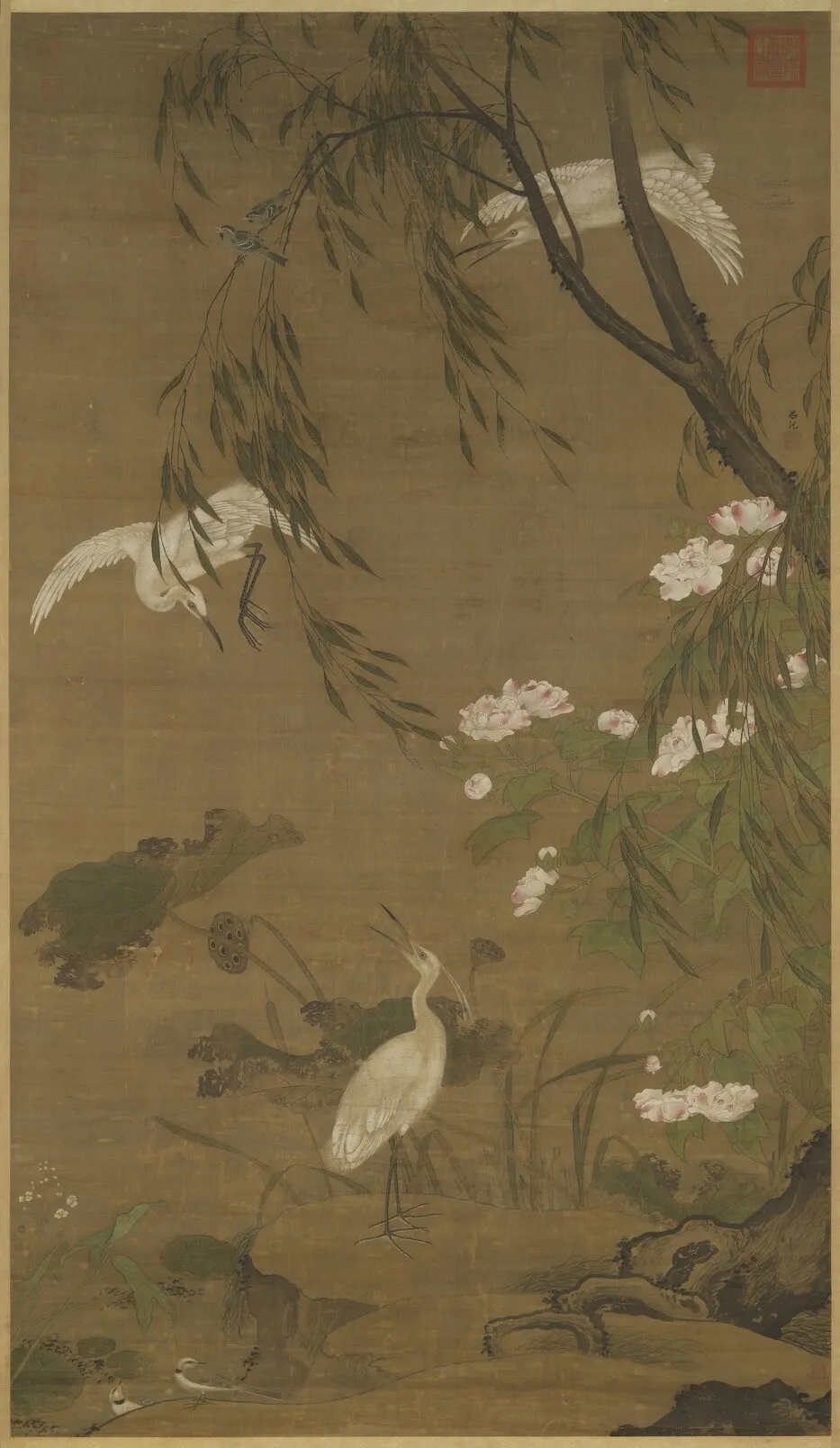
明呂紀秋鷺芙蓉圖 軸 is an unspecified painting by the Ming dynasty painting artist Lü Ji. It dates from 1439 and is held in the collection of the National Palace Museum.
About this work
Overview
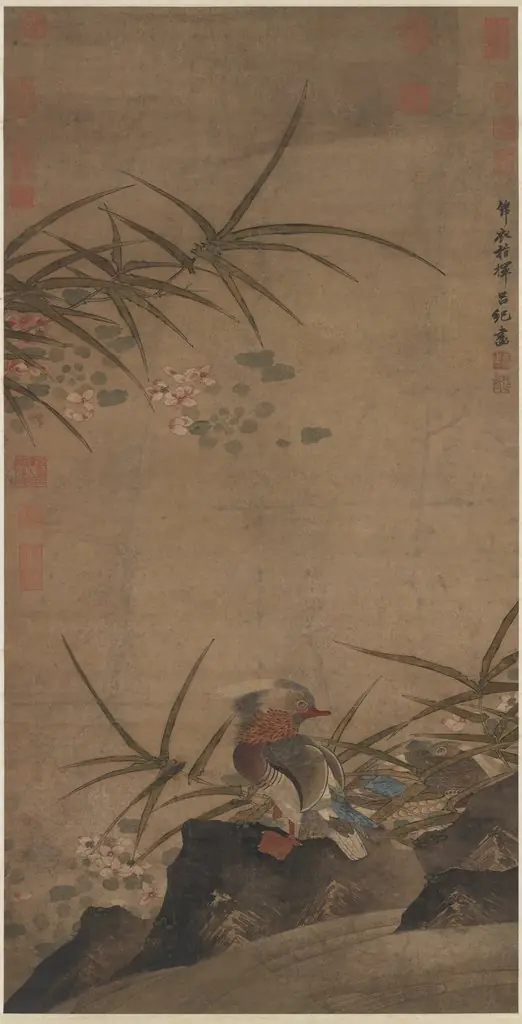
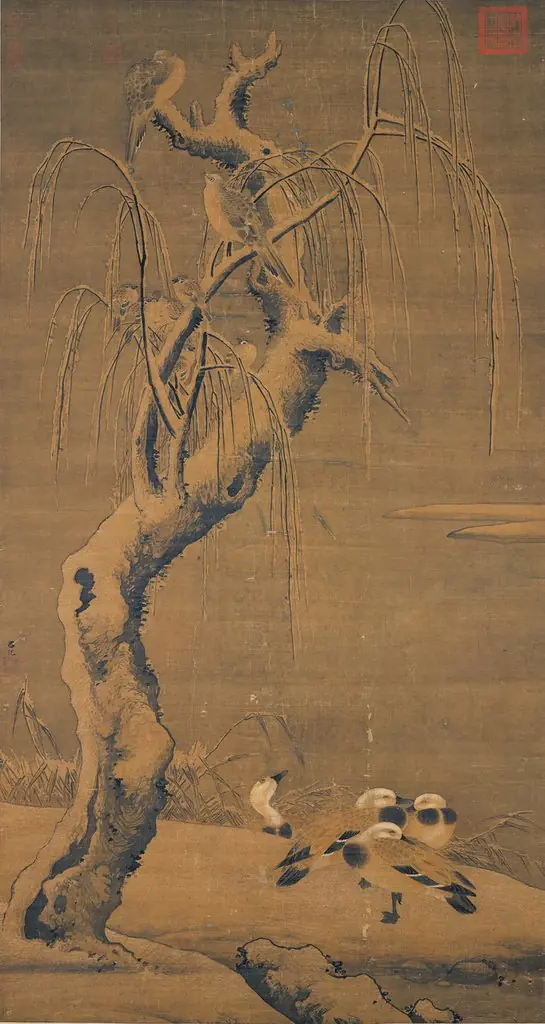
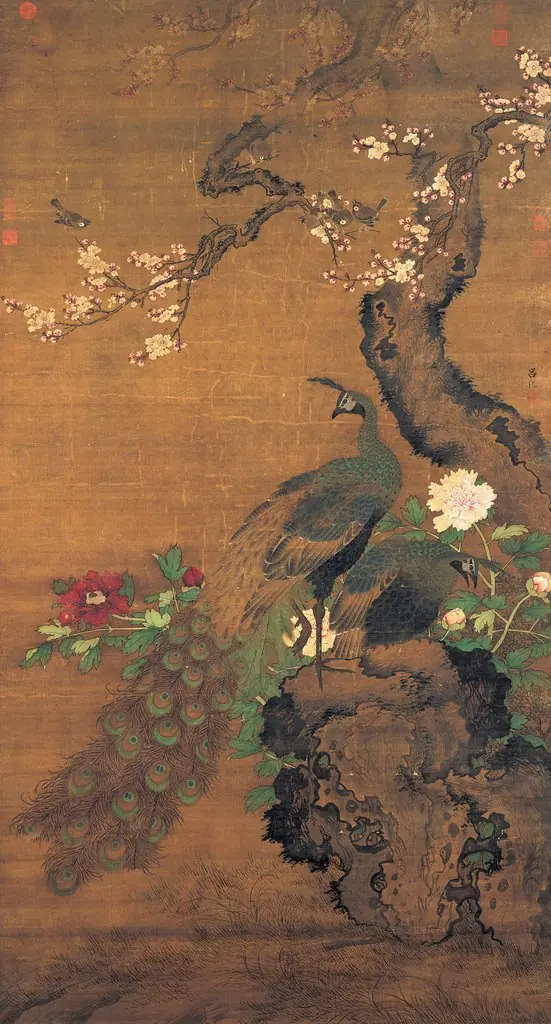
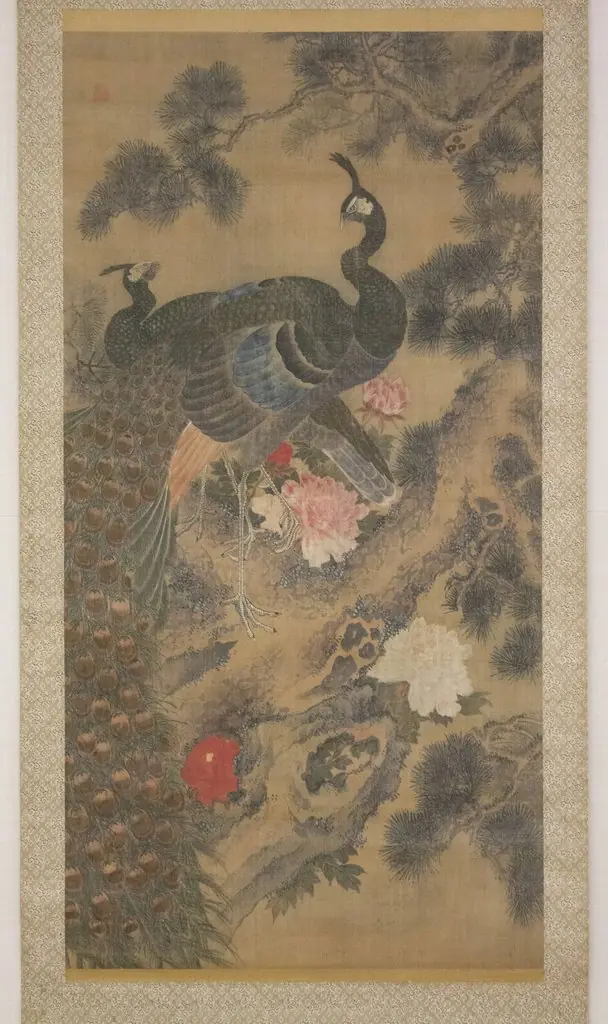
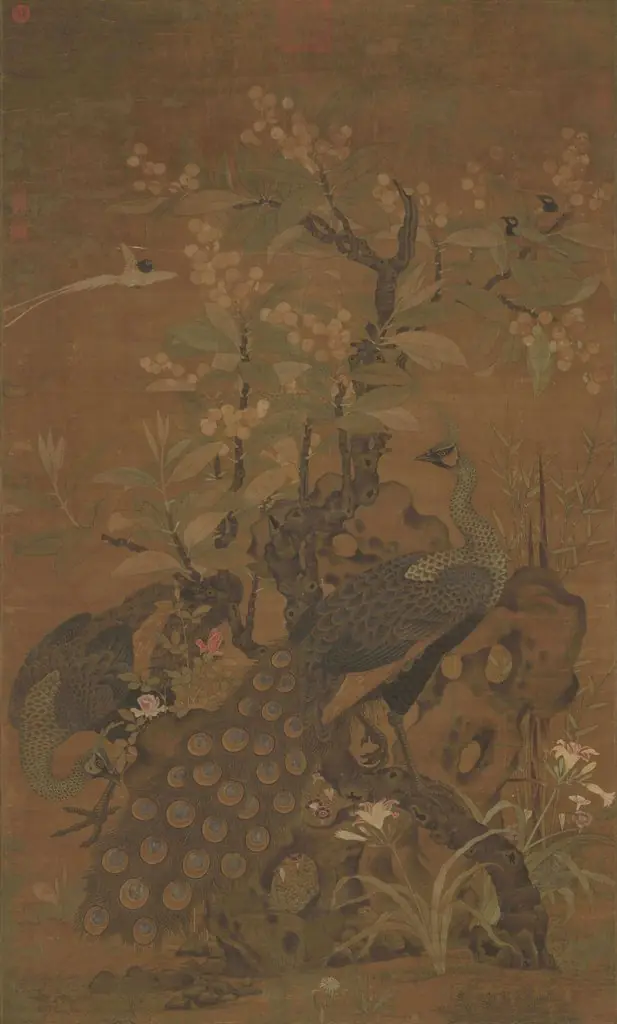
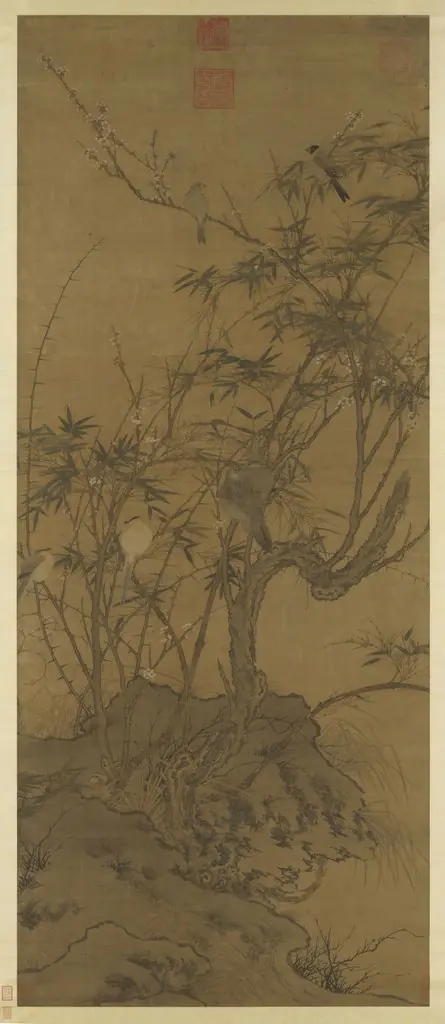
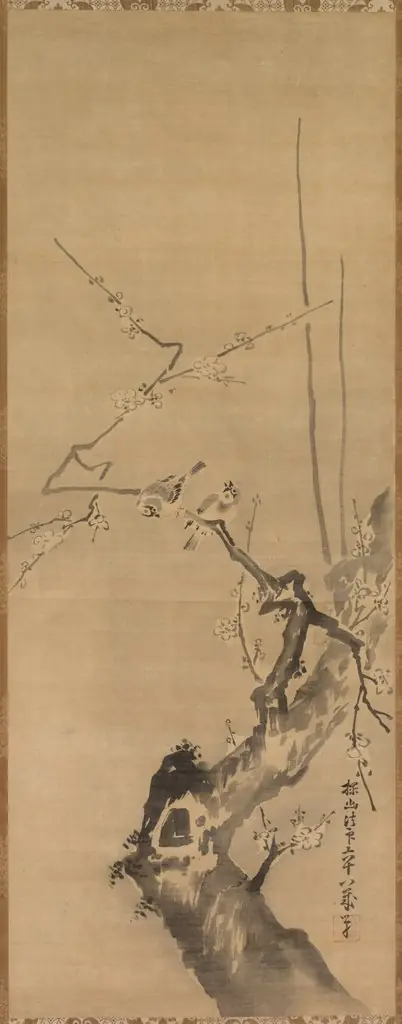
Created in 1439 by the Ming‑court painter Lü Ji, this silk painting measures a vertical scroll and is part of the National Palace Museum’s collection. The work presents a quiet natural scene, rendered in a restrained palette that emphasizes subtle tonal contrasts.
Subject & Meaning
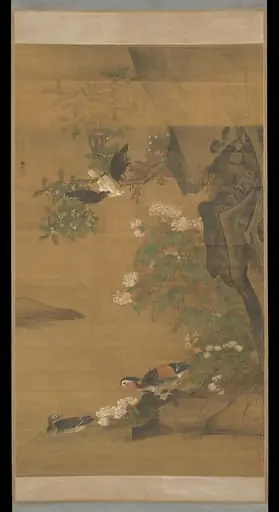
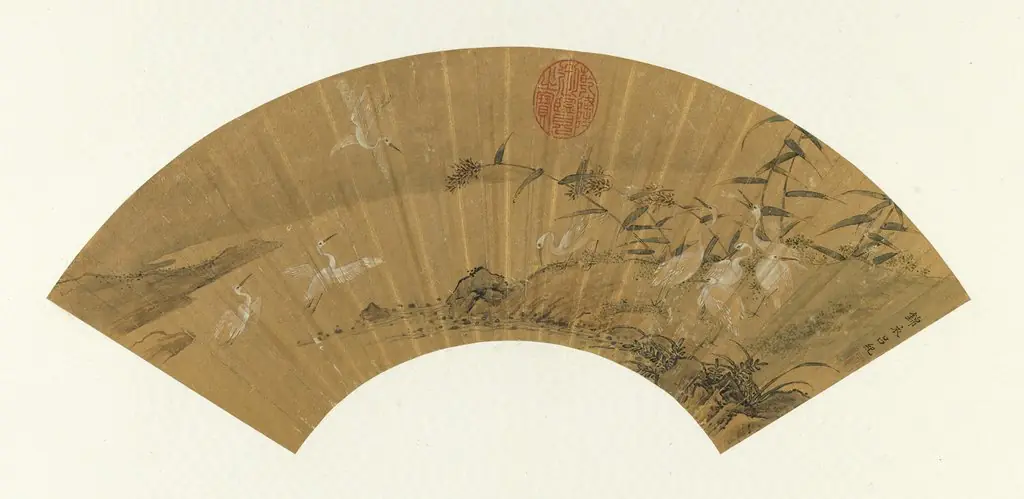
The composition centers on a group of white waterbirds—likely egrets or herons—set among dense foliage and blooming flowers. The birds are shown in varied postures, some in mid‑flight, others perched, suggesting a moment of peaceful coexistence between fauna and flora.
Technique & Style
Executed on silk, Lü Ji employs fine brushwork to delineate the delicate plumage of the birds and the intricate leaves. A muted brown ground underlies the vibrant greens, creating depth while allowing the white figures to stand out without harsh contrast.
History & Provenance
The scroll has remained in imperial collections before entering the National Palace Museum, where it is displayed as an example of early Ming court painting. Its attribution to Lü Ji is supported by stylistic analysis and historical records linking the artist to the 1430s court.
Context
During the early Ming period, court painters often depicted idealized natural scenes that reflected Confucian ideals of harmony. Lü Ji’s work aligns with this tradition, using restrained coloration and balanced composition to evoke a tranquil, ordered landscape.
Artist & collection