Artwork
Reyer Reyersz van der Burch (1630-1695), Ammunition Officer attached to the Arsenal of the States-General, Delft, with his Wife Geertruid Graswinckel and their Children Frank, Cornelis, Reyer, Maria and Alida
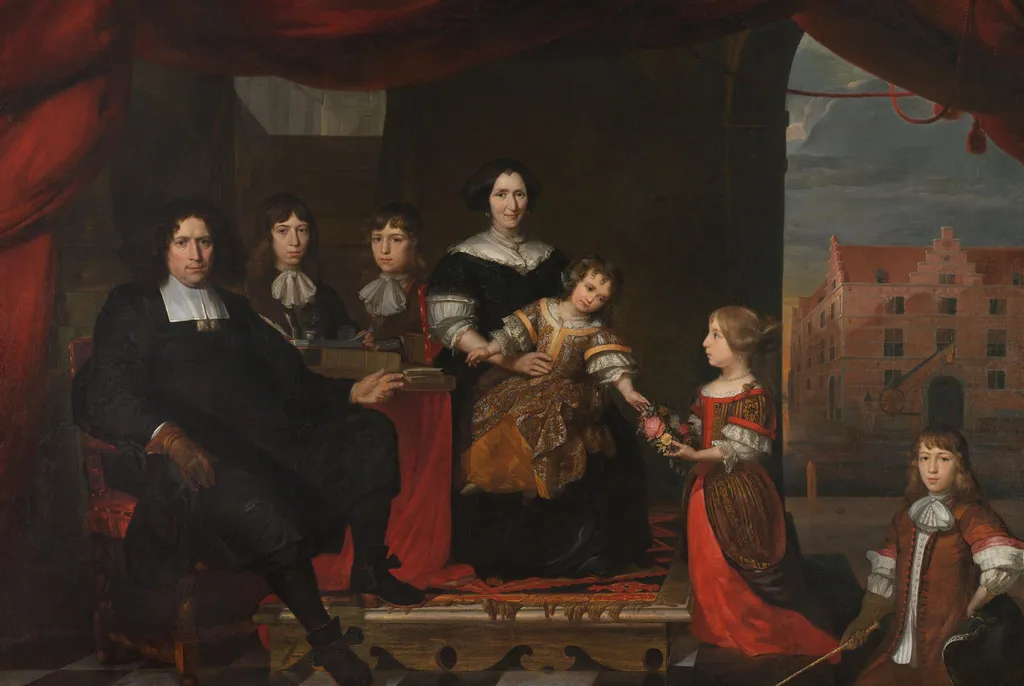
Reyer Reyersz van der Burch (1630-1695), Ammunition Officer attached to the Arsenal of the States-General, Delft, with his Wife Geertruid Graswinckel and their Children Frank, Cornelis, Reyer, Maria and Alida is an unspecified painting by the Dutch Golden Age artist Unknown. It dates from 1675 and is held in the collection of the Rijksmuseum. The painting depicts a family group in formal attire, arranged in a stiff pose.
About this work
Overview
The painting depicts a family group in formal attire, arranged in a stiff pose. The scene includes a man, his wife, and their five children, along with a table holding books and an inkwell, and a view of a brick building outside.
Subject & Meaning
The subjects are identified as Reyer Reyersz van der Burch, his wife Geertruid Graswinckel, and their children, with the children's birth years included in the painting. The scene conveys the family's status and the father's occupation as an ammunition officer.
Context
The background view of the Delft arsenal, known as the Tuighuis, serves as a visual reference to Van der Burch's workplace, reinforcing his professional identity.
Artist & collection

 Domestic Scene
 Giacomo and Cardinal Marco, investing Andrea, Abbot of San Zeno, with his Benefice
 The Nymph of Fontainebleau
 Portrait of a Woman
 Madonna and Child with Saints in the Enclosed Garden
 Venus and Minerva
 Family Group of Four on Sofa
 Wall painting from Room H of the Villa of P. Fannius Synistor at Boscoreale
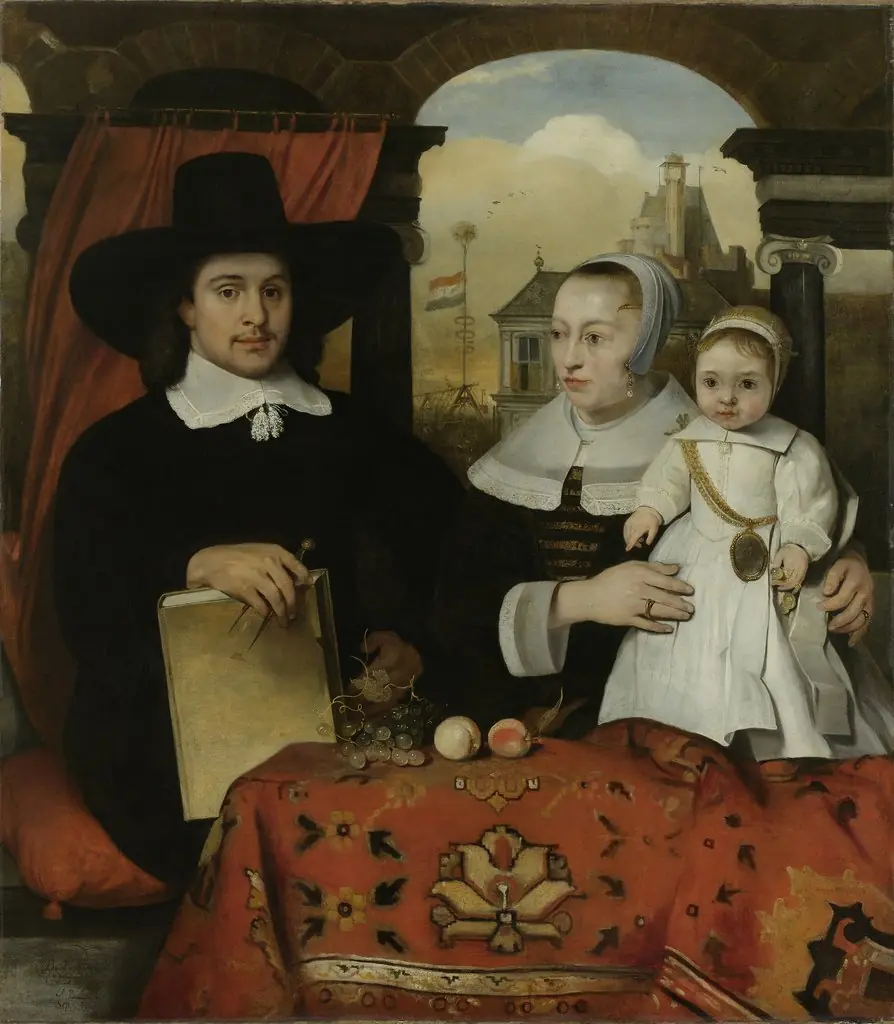 Willem van der Helm (ca 1625-75). Municipal architect of Leiden, with his wife Belytgen Cornelisdr van de Schelt and their son Leendert
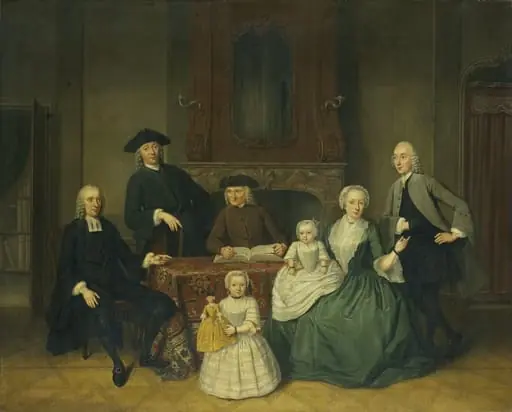 Portrait of the Brak Family, Amsterdam Mennonites
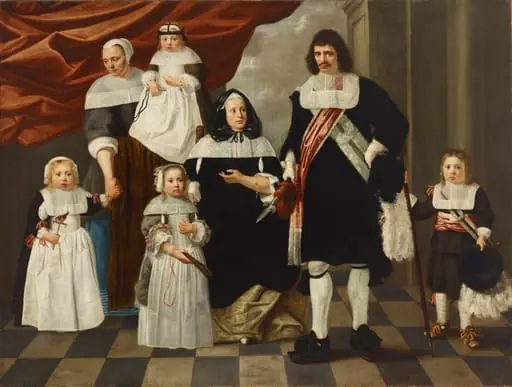 Perhemuotokuva
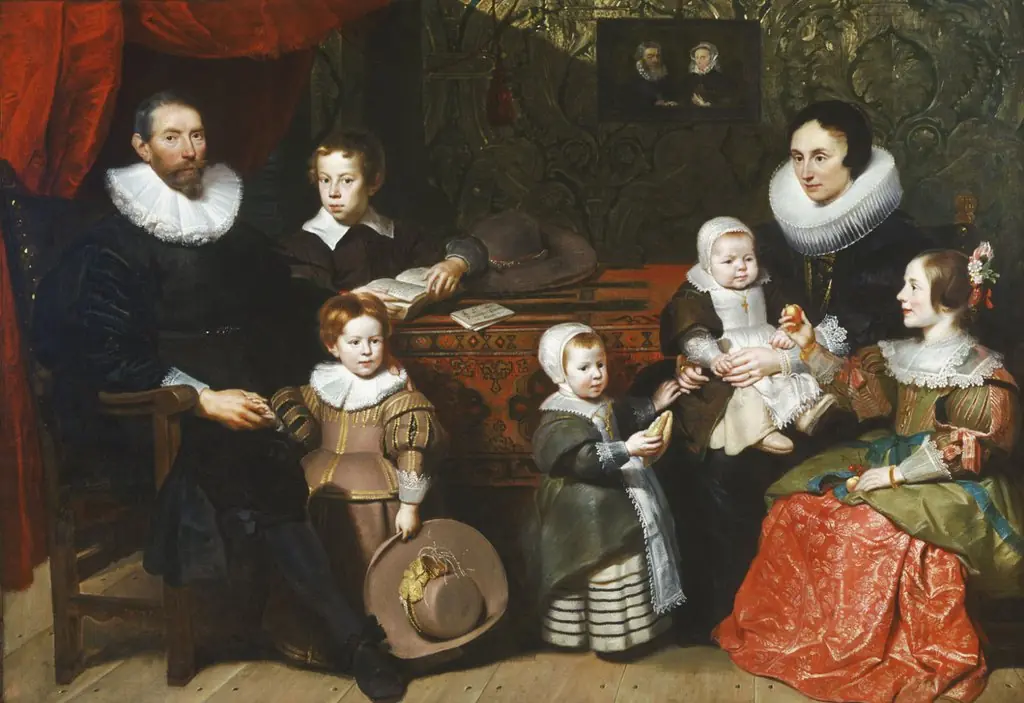 Portrait of Anthony Reyniers and His Family
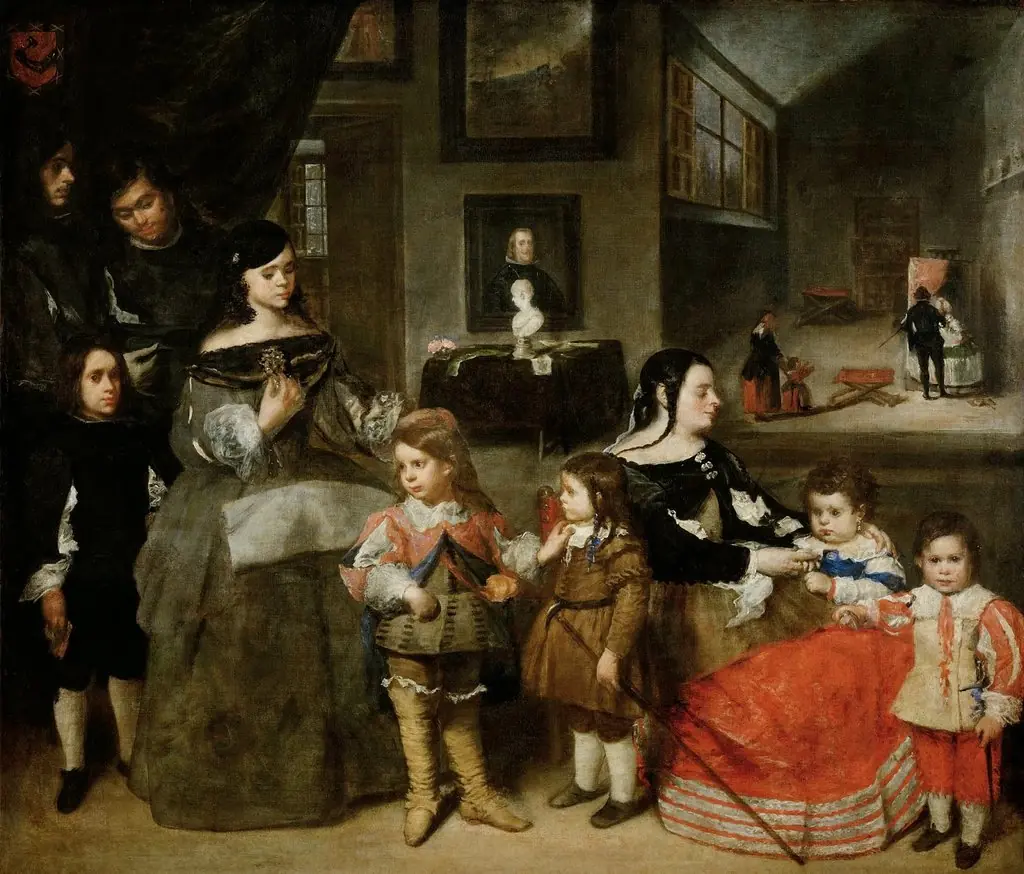 The Artist's Family
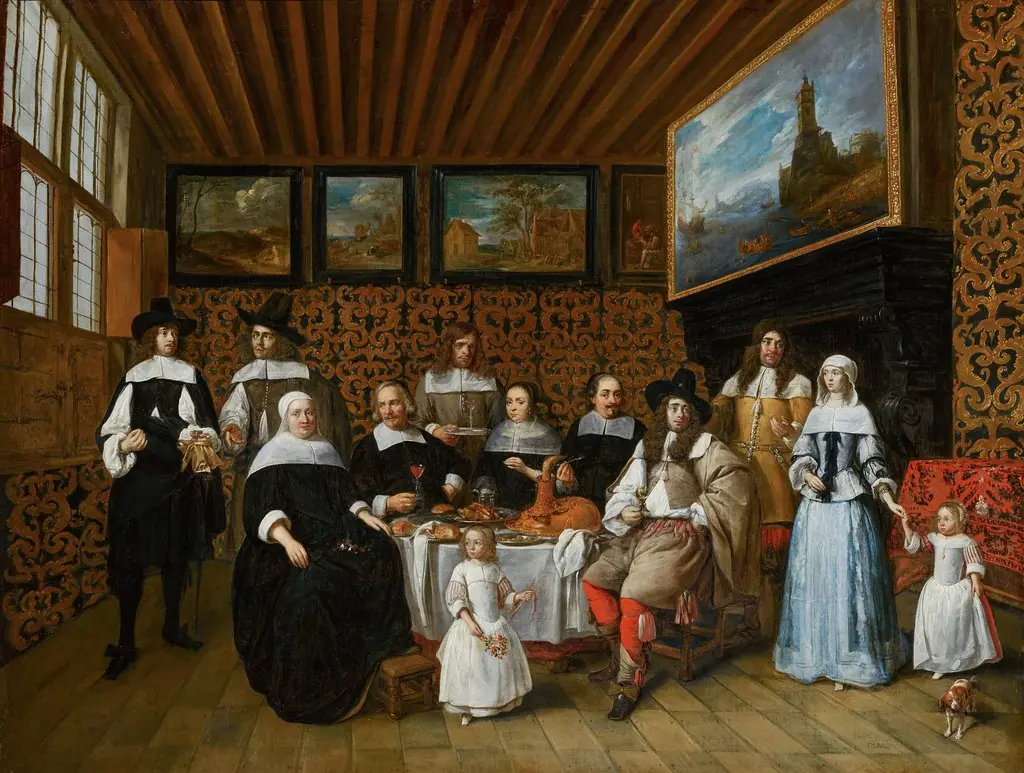 Family Portrait
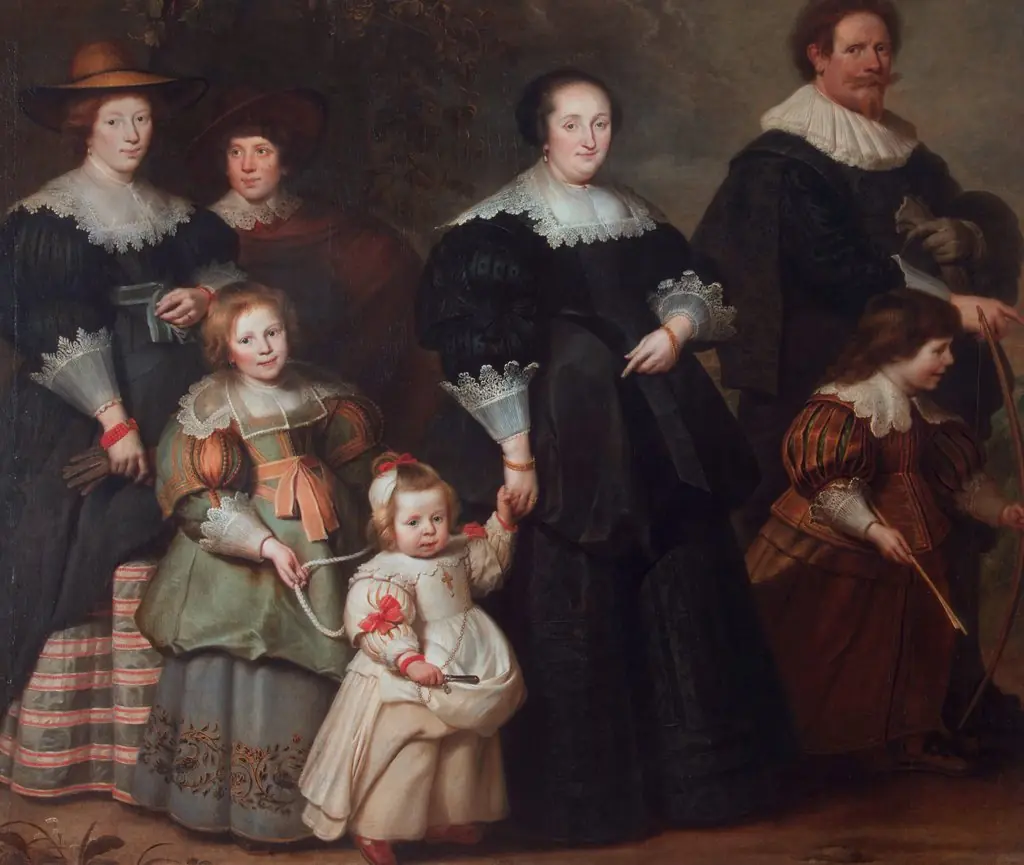 Self-Portrait of the Artist with his Wife Suzanne Cock and their Children
 Family Portrait
 Pieter Cnoll, Cornelia van Nijenrode, their Daughters and Two Enslaved Servants