Artwork
Seated Beauty
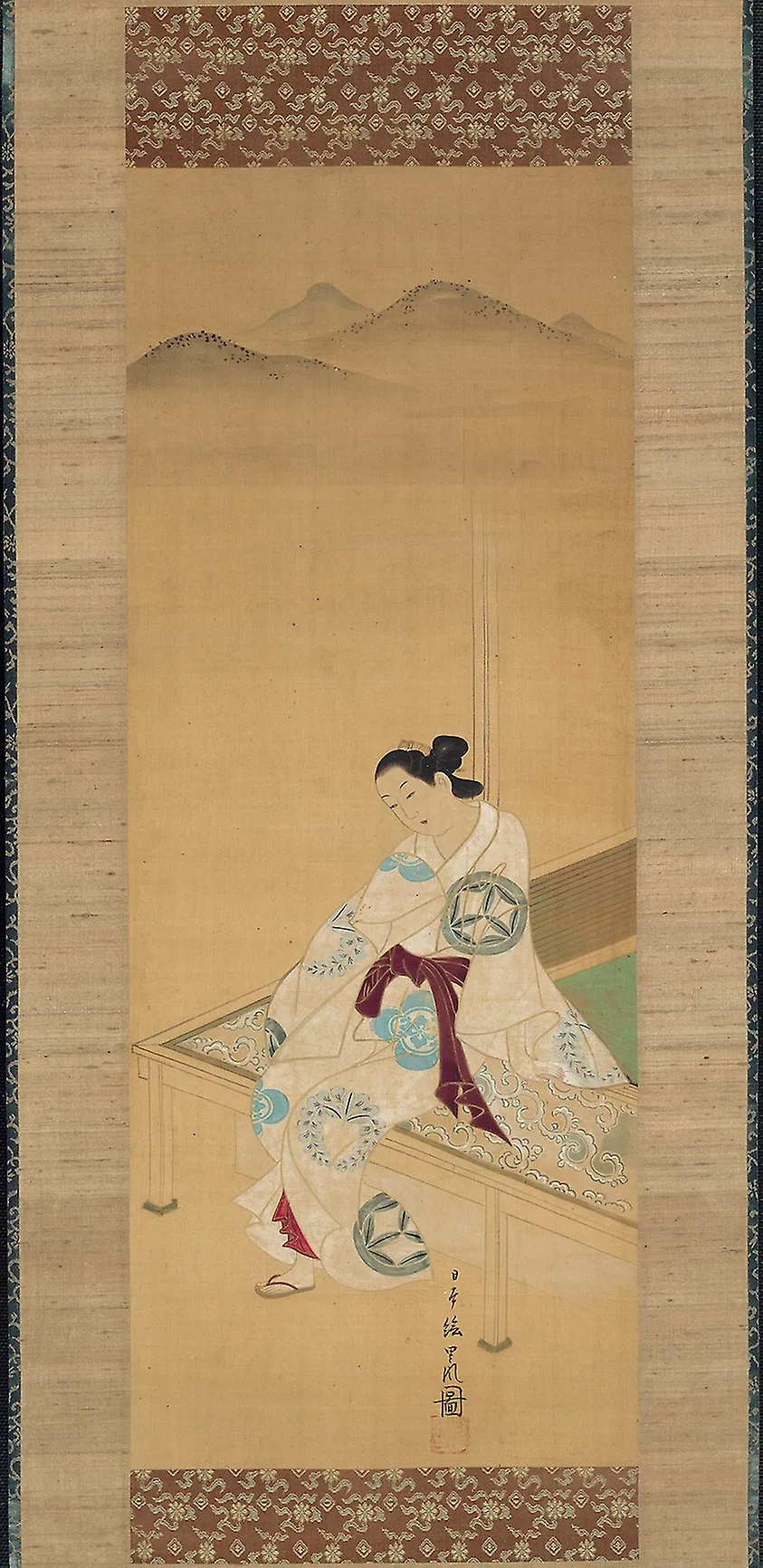
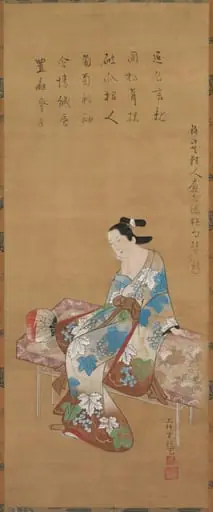
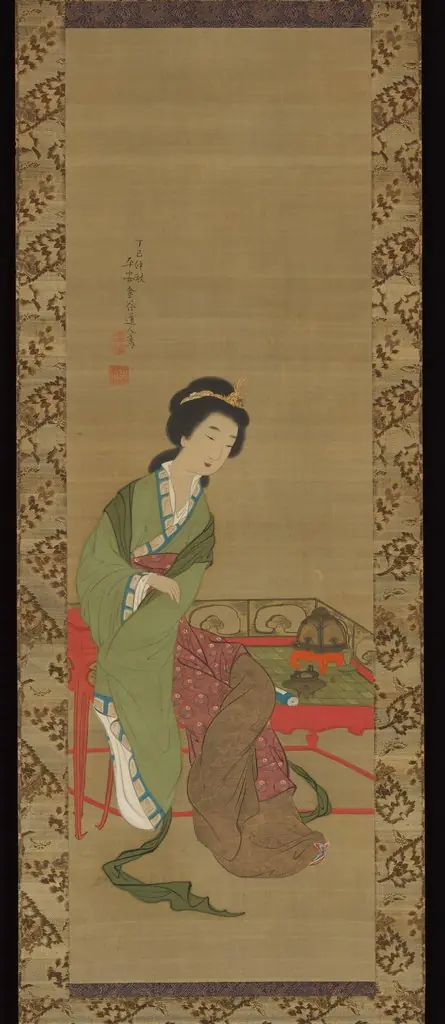
Seated Beauty is an unspecified painting by the Rococo painting artist Unknown. It dates from 1730 and is held in the collection of the Art Institute of Chicago. This painting depicts a woman seated calmly on a patterned bench, dressed in a flowing white robe adorned with blue and red motifs.
About this work
Overview
This painting depicts a woman seated calmly on a patterned bench, dressed in a flowing white robe adorned with blue and red motifs.
This painting depicts a woman seated calmly on a patterned bench, dressed in a flowing white robe adorned with blue and red motifs. Her black hair is gathered into a bun, and she holds a circular object in her lap. Barefoot, she rests with quiet composure against a muted background of soft browns and subtle greens. The composition emphasizes stillness, with no overt narrative or dramatic elements, inviting quiet contemplation.
Subject & Meaning
The figure appears to embody an idealized sense of serenity, possibly representing a literary or mythological woman of refined demeanor. The round object in her lap may symbolize a mirror, fruit, or ritual item, though its exact significance remains ambiguous. Her attire and posture suggest a context of leisure or spiritual repose, aligning with traditions that associate stillness with inner harmony.
Technique & Style
The artist employs soft, even brushwork to render the robe’s delicate patterns and the bench’s textured surface. Color is restrained, with the white fabric contrasting gently against warm earth tones. Shadows are minimal, enhancing the flat, tranquil plane of the scene. The lack of perspective or depth reinforces a meditative, almost decorative quality.
History & Provenance
The painting’s origin and creator are not documented in available records. It does not appear in major museum catalogs or scholarly publications, suggesting it may be a lesser-known or privately held work. Its current location and acquisition history remain unverified, limiting contextual understanding beyond its visual elements.
Context
The composition echoes East Asian aesthetic principles—simplicity, asymmetry, and quiet elegance—though no specific cultural origin is confirmed. Similar imagery appears in late 19th- to early 20th-century decorative arts, where figures in tranquil poses were used to convey refined taste. The absence of overt symbolism invites interpretation rooted in mood rather than narrative.
Legacy
The painting has not been widely exhibited or studied, and no significant influence on later artists is recorded. Its preservation appears to rely on private or institutional collections not publicly cataloged. While it lacks a prominent art-historical footprint, it continues to resonate through its understated visual calm.
Artist & collection

 Domestic Scene
 Giacomo and Cardinal Marco, investing Andrea, Abbot of San Zeno, with his Benefice
 The Nymph of Fontainebleau
 Portrait of a Woman
 Madonna and Child with Saints in the Enclosed Garden
 Venus and Minerva
 Family Group of Four on Sofa
 Wall painting from Room H of the Villa of P. Fannius Synistor at Boscoreale