Artwork
Seated couple in mourning attire
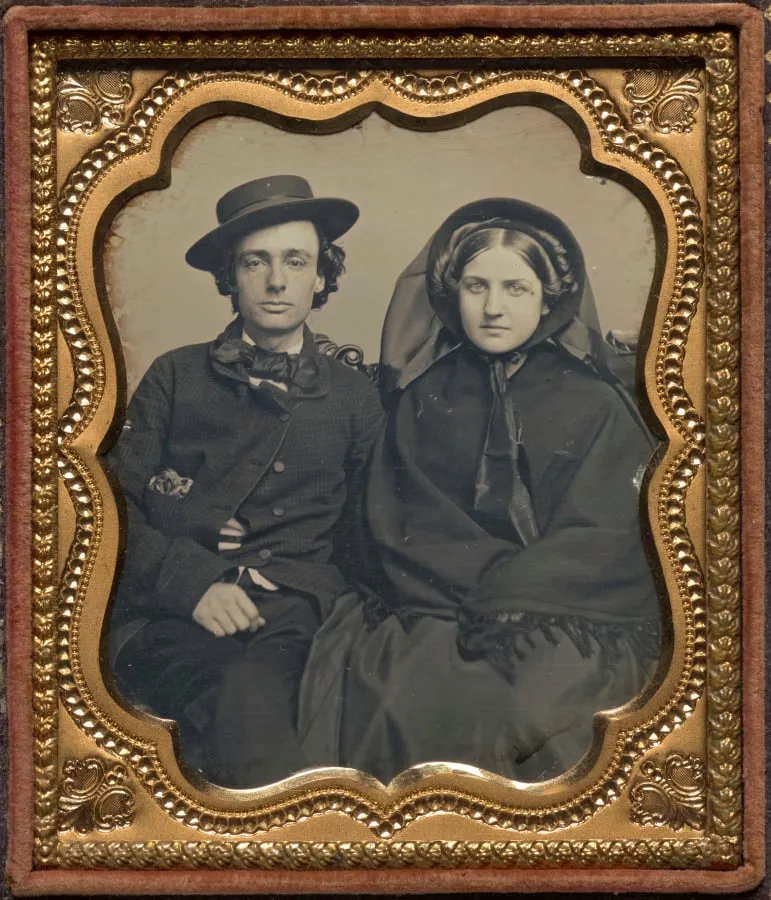
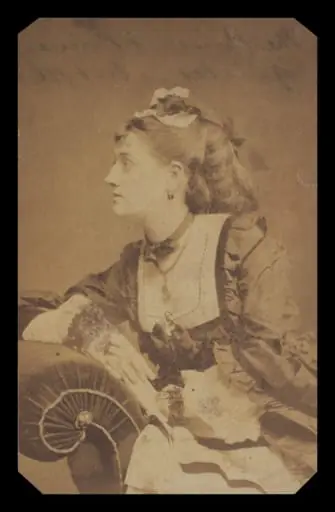
Seated couple in mourning attire is a photography by the Impressionist artist Unknown. It dates from 1857 and is held in the collection of the Cleveland Museum of Art. A black-and-white photograph captures a seated couple dressed in formal mourning attire.
About this work
Overview
The woman’s dress features fine textile detail, while the man holds his hat loosely beneath his arm, suggesting a pause in ritual.
A black-and-white photograph captures a seated couple dressed in formal mourning attire. Their posture is upright yet restrained, conveying quiet grief. The composition emphasizes stillness, with minimal movement and subdued lighting. The woman’s dress features fine textile detail, while the man holds his hat loosely beneath his arm, suggesting a pause in ritual. The image avoids overt expression, reinforcing a tone of reserved sorrow.
Subject & Meaning
The couple represents a private moment of bereavement, likely following the death of a close family member. Their matching dark clothing aligns with 19th-century mourning customs, where dress signaled social obligation and emotional restraint. The absence of visible tears or gestures underscores cultural norms that valued composure over public display. The image becomes a document of grief as performance, not just feeling.
Technique & Style
The photograph employs soft tonal gradations and controlled lighting to enhance its somber mood. Details in the woman’s sleeve pattern are rendered with clarity, suggesting a high-resolution negative and careful printing. The lack of sharp contrasts and the muted textures create a sense of quiet intimacy, avoiding dramatic effect in favor of restrained realism.
History & Provenance
The photograph likely dates from the mid-to-late 1800s, when postmortem portraiture and mourning imagery were common in domestic photography. It may have been commissioned by the family to commemorate loss, a practice widespread before the rise of commercial studios. No known exhibition or collector history is documented, suggesting it remained within private hands.
Context
In the Victorian era, mourning rituals were highly codified, with specific dress codes and durations based on familial relationships. Photography provided a new medium to record these rituals, bridging the gap between personal grief and public expectation. This image reflects how emotional expression was channeled through material culture rather than facial display.
Legacy
The photograph stands as a quiet testament to the ways grief was visually managed in the 19th century. It contributes to the broader archive of domestic photography that documented life’s solemn transitions. Its understated nature invites reflection on how societal norms shaped personal expression, rather than offering a direct window into inner emotion.
Artist & collection

 Domestic Scene
 Giacomo and Cardinal Marco, investing Andrea, Abbot of San Zeno, with his Benefice
 The Nymph of Fontainebleau
 Portrait of a Woman
 Madonna and Child with Saints in the Enclosed Garden
 Venus and Minerva
 Family Group of Four on Sofa
 Wall painting from Room H of the Villa of P. Fannius Synistor at Boscoreale
 Mother and Child
 Guy Little Theatrical Photograph
 Husband and Wife
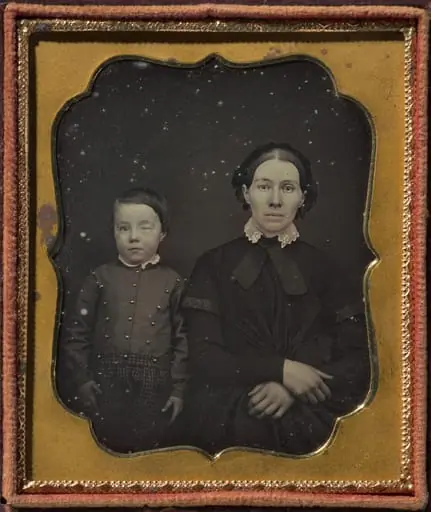 Mother with son with blind right eye
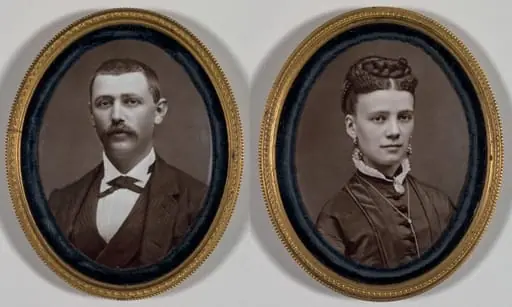 Untitled (Pair of Portraits)
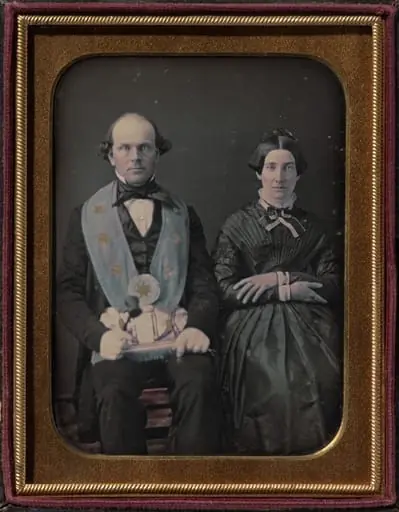 Seated Masonic lodge master and wife
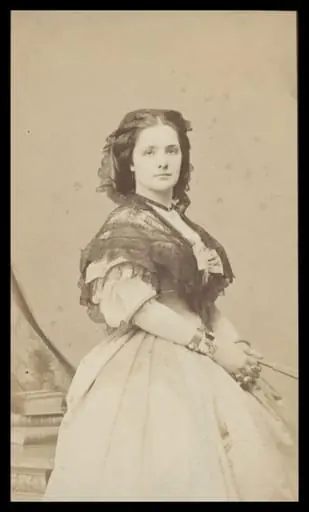 Guy Little Theatrical Photograph
 Workman in Red Flannel Shirt and Suspenders
 Untitled (marriage portrait)
 Miner
Miner Portrait of a Woman
 Guy Little Theatrical Photograph