Artwork
Smell
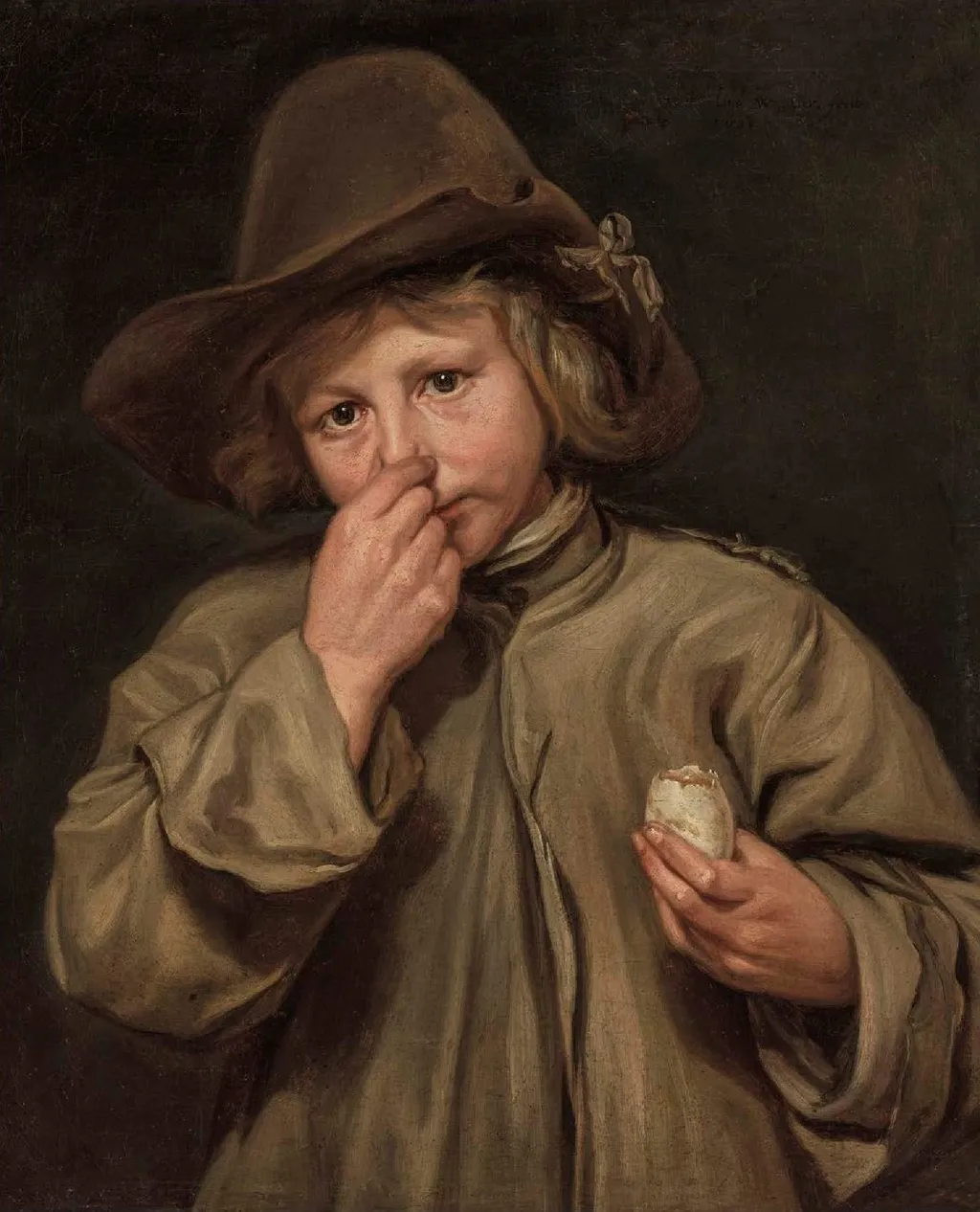
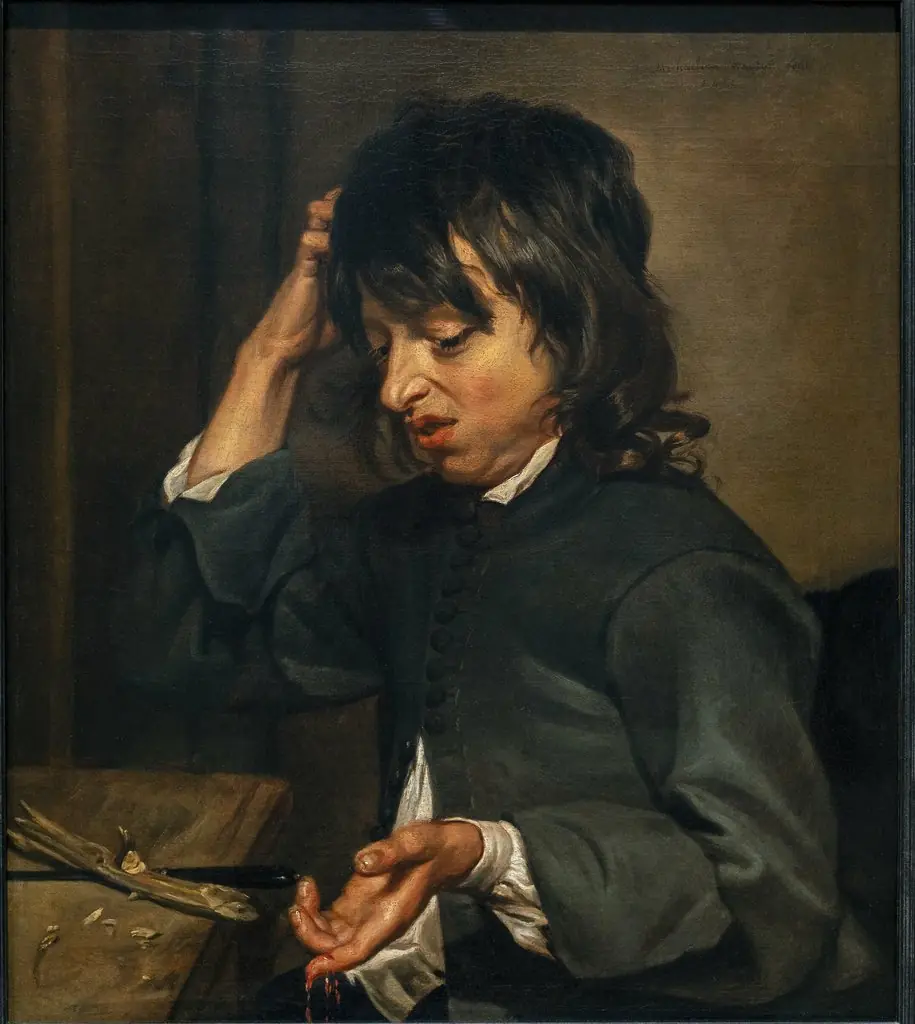
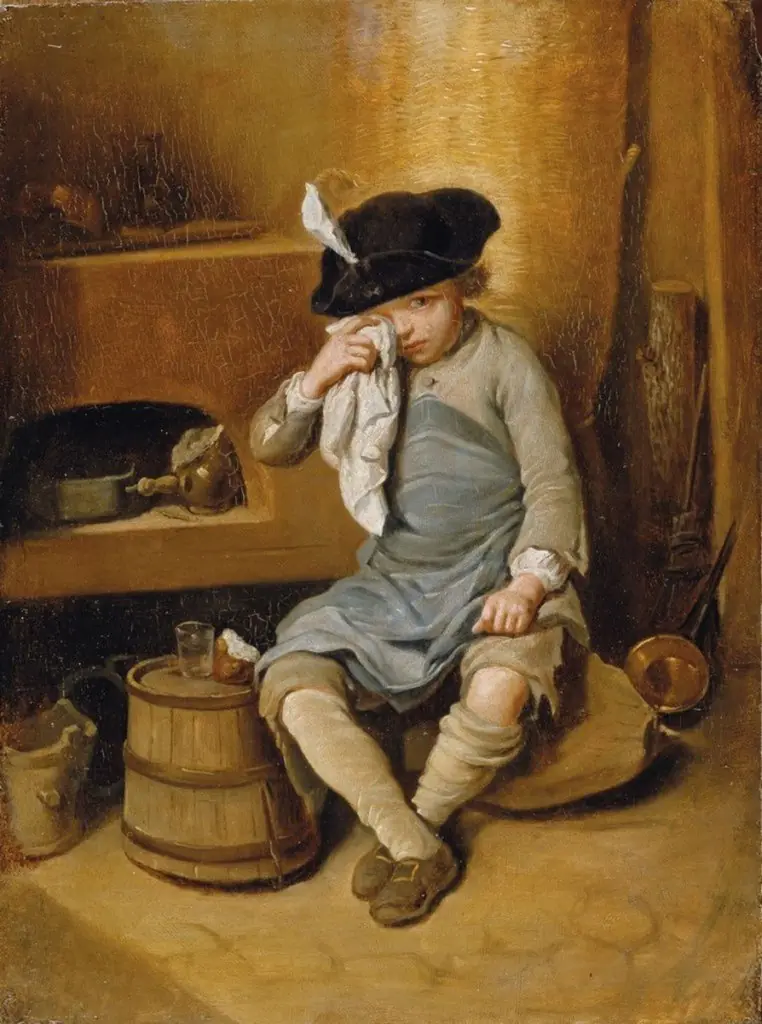
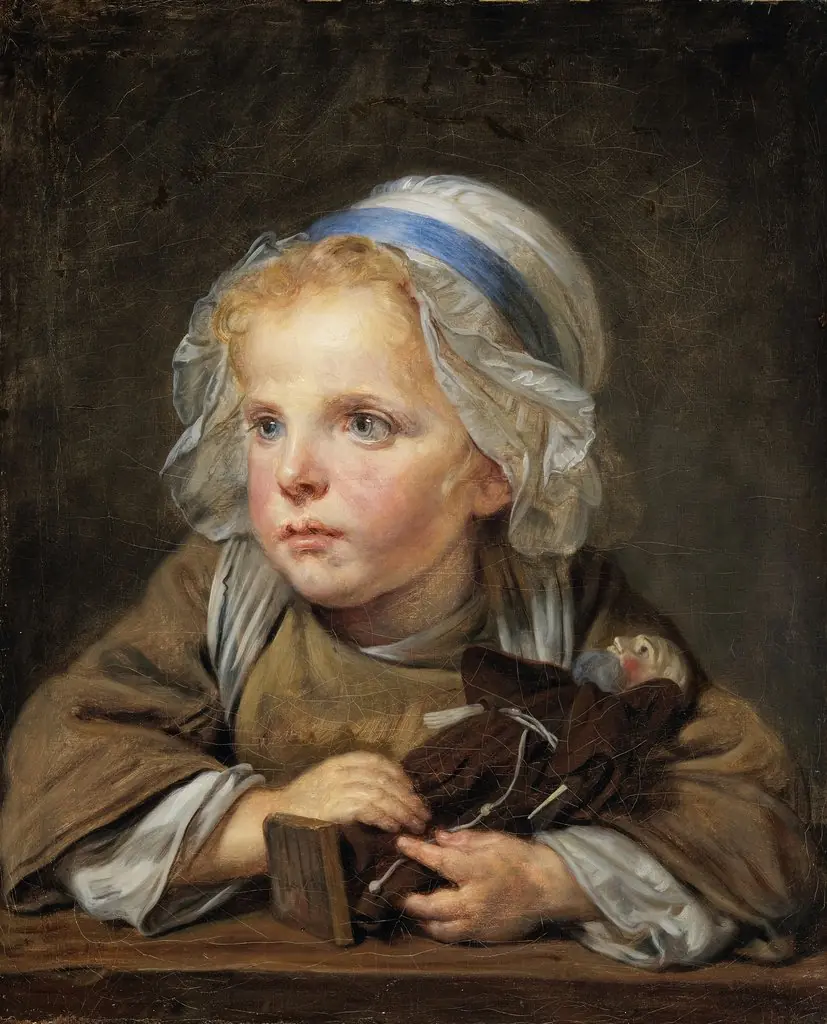
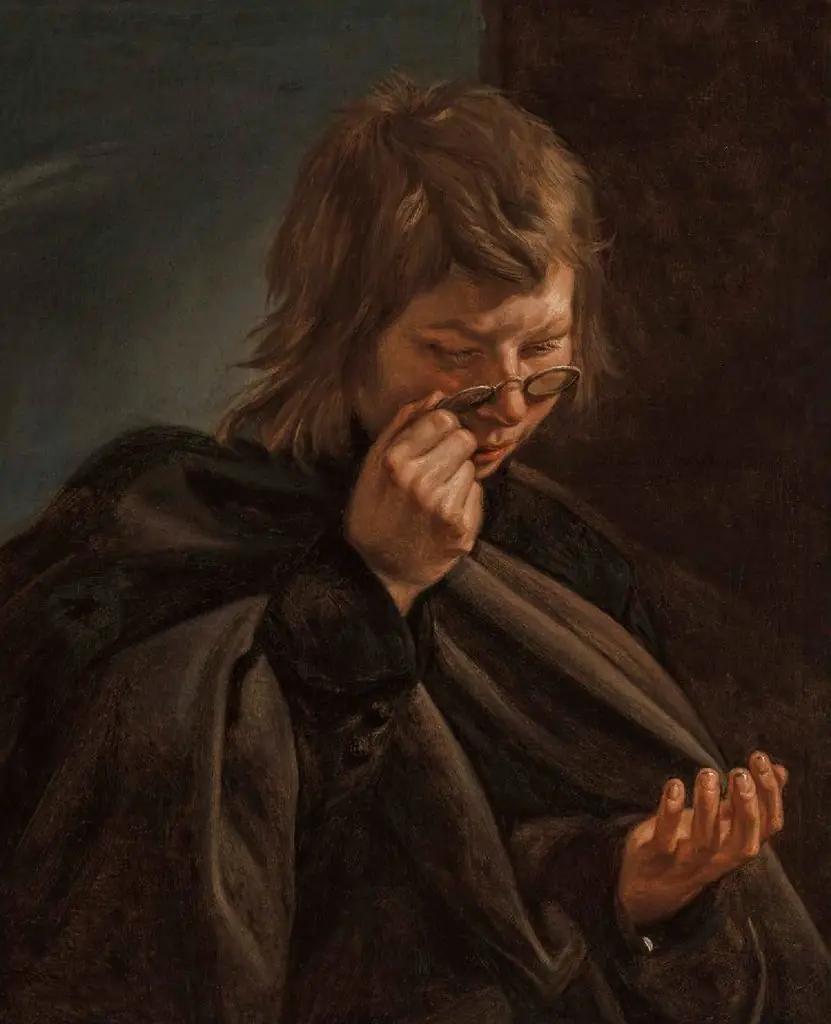
Smell is an oil painting by the Early Baroque Italian artist Unknown. It dates from 1650 and is held in the collection of the Rose-Marie and Eijk van Otterloo Collection. This oil painting depicts a child holding a partially peeled onion and covering their nose with one hand.
About this work
Overview
The composition emphasizes the child’s expression and gesture, drawing attention to the sensory reaction implied by the subject.
This oil painting depicts a child holding a partially peeled onion and covering their nose with one hand. The figure is rendered against a deep, unbroken background that isolates them visually. The composition emphasizes the child’s expression and gesture, drawing attention to the sensory reaction implied by the subject. The lighting and modeling suggest a deliberate focus on realism and emotional immediacy.
Subject & Meaning
The child’s action—pinching the nose while holding an onion—suggests a moment of involuntary physical response to a pungent odor. The gesture is neither theatrical nor symbolic but grounded in everyday experience. The painting captures a fleeting, unguarded moment, possibly reflecting domestic life or childhood curiosity. The onion, a common household item, becomes the catalyst for a quiet, relatable human reaction.
Technique & Style
The artist employs chiaroscuro to define the child’s face and hands, using strong contrasts between light and shadow to create volume and depth. The folds in the clothing are rendered with subtle gradations, suggesting soft fabric and natural movement. The dark background eliminates distraction, focusing the viewer’s attention on the figure’s expression and the tactile quality of the onion’s skin.
History & Provenance
The painting’s origin and early ownership are undocumented in available records. It lacks a signature or inscription, making attribution difficult. Its survival suggests it was preserved within a private collection, possibly due to its intimate scale and observational quality. No exhibition history or documented sale is known prior to its modern cataloging.
Context
Created during a period when genre scenes of ordinary life gained popularity, the work aligns with a broader interest in depicting unidealized human moments. Unlike grand historical or religious subjects, this image values quiet observation over narrative drama. The focus on a child’s spontaneous reaction reflects a growing cultural attention to the private, domestic sphere.
Legacy
The painting contributes to a tradition of intimate portraiture that values psychological nuance over grandeur. Its restrained composition and emphasis on sensory realism anticipate later developments in naturalist painting. Though not widely reproduced, it remains a quiet example of how everyday gestures can be rendered with emotional and technical precision.
Artist & collection

Museum
Rose-Marie and Eijk van Otterloo Collection
Continue through works from the same source collection.
 Domestic Scene
 Giacomo and Cardinal Marco, investing Andrea, Abbot of San Zeno, with his Benefice
 The Nymph of Fontainebleau
 Portrait of a Woman
 Madonna and Child with Saints in the Enclosed Garden
 Venus and Minerva
 Family Group of Four on Sofa
 Wall painting from Room H of the Villa of P. Fannius Synistor at Boscoreale