Artwork
Tamil female water carrier
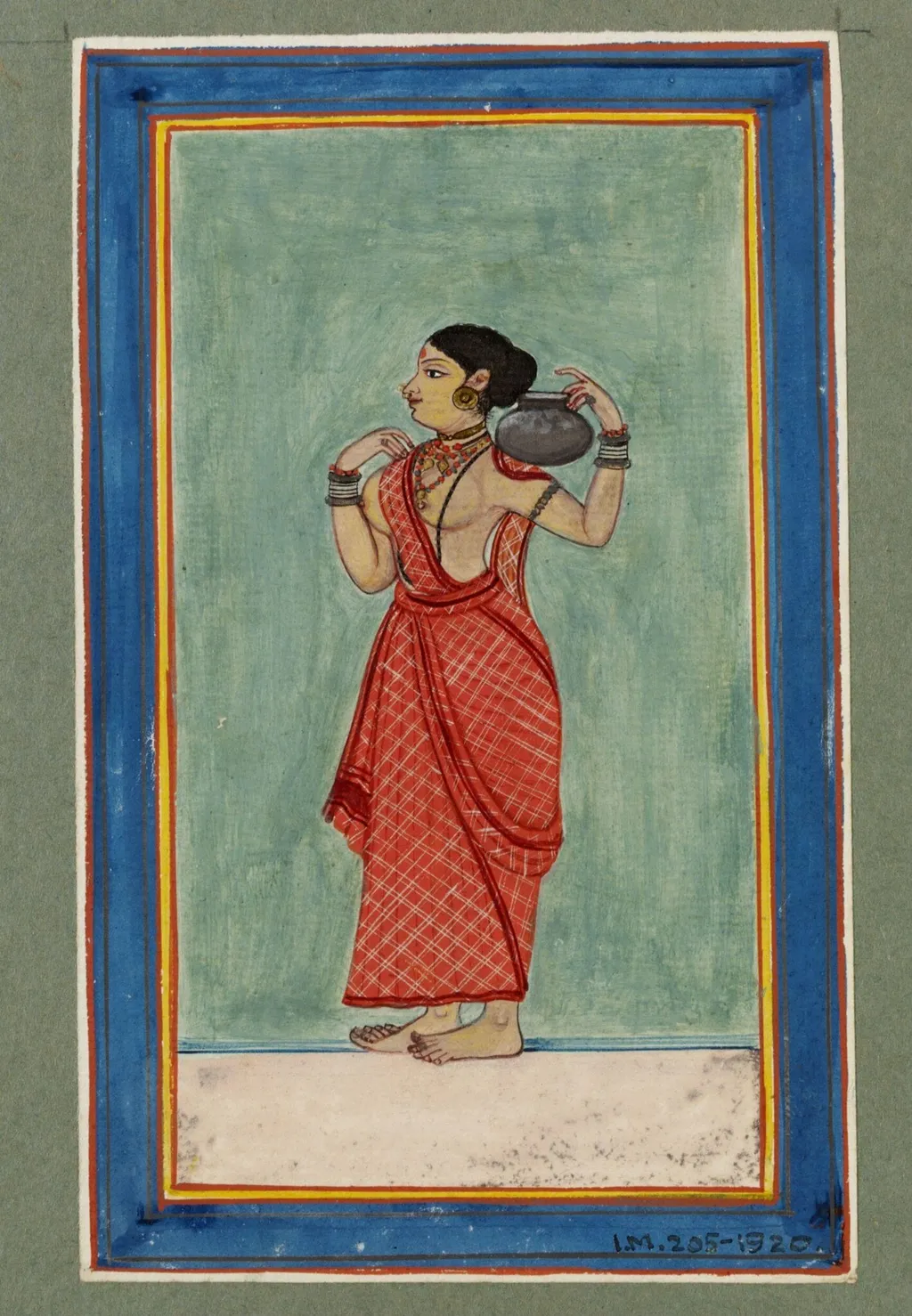
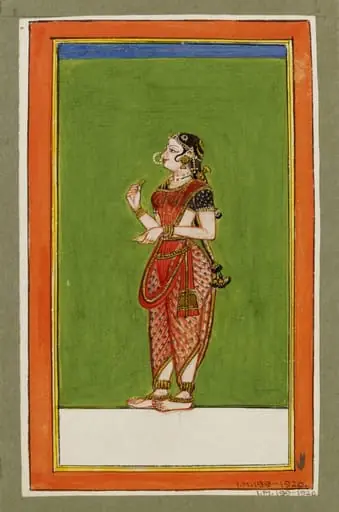
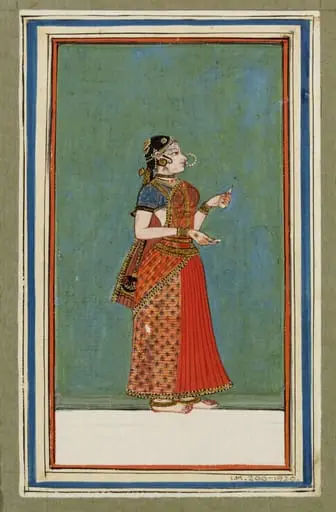
Tamil female water carrier is a paint painting by the Rococo painting artist Unknown. It dates from 1780 and is held in the collection of the Victoria and Albert Museum. This watercolor painting, dated approximately 1780, portrays a Tamil woman engaged in the daily task of carrying water.
About this work
Overview
This watercolor painting, dated approximately 1780, portrays a Tamil woman engaged in the daily task of carrying water. Rendered in a delicate, detailed style, it forms part of a small series documenting regional laborers and social types. The work was later acquired by a British family and donated to a public collection in 1920, though its creation predates their ownership by decades.
Subject & Meaning
The figure is depicted as a water carrier, a common occupation for women in southern India during the late 18th century. Her bare upper body reflects regional dress norms of the time, while her jewelry and adornments suggest a specific social or caste identity. The pose and focus on labor convey dignity in routine work, without overt idealization or narrative.
Technique & Style
Executed in watercolor on paper, the painting uses precise linework and flat, saturated hues to define form and pattern. The woman’s sari features a white grid motif, contrasted with a red sash and jewelry rendered in fine detail. The background is a muted greenish-blue, framed by a decorative border in red, yellow, and white, typical of regional manuscript traditions.
History & Provenance
It was donated to a public institution in 1920, likely as part of a broader collection of South Asian artworks gathered during the colonial period.
Though created around 1780, the painting entered a British family collection in the mid-19th century, with provenance dated between 1840 and 1849. It was donated to a public institution in 1920, likely as part of a broader collection of South Asian artworks gathered during the colonial period. Its journey reflects the movement of cultural artifacts from India to European private and public holdings.
Context
The painting belongs to a set of eight works commissioned to document regional occupations and social groups in southern India. These images were likely produced for British colonial audiences interested in ethnographic classification. They reflect both observational accuracy and the aesthetic conventions of Company painting, blending Indian techniques with European expectations of documentation.
Legacy
As part of a rare surviving series of 18th-century South Asian labor portraits, the work offers insight into how local identities were visually recorded during colonial encounters. It remains a quiet testament to the visibility of everyday labor, preserved not as exotic spectacle but as a matter-of-fact record of social life in a specific time and place.
Artist & collection

 Domestic Scene
 Giacomo and Cardinal Marco, investing Andrea, Abbot of San Zeno, with his Benefice
 The Nymph of Fontainebleau
 Portrait of a Woman
 Madonna and Child with Saints in the Enclosed Garden
 Venus and Minerva
 Family Group of Four on Sofa
 Wall painting from Room H of the Villa of P. Fannius Synistor at Boscoreale