Artwork
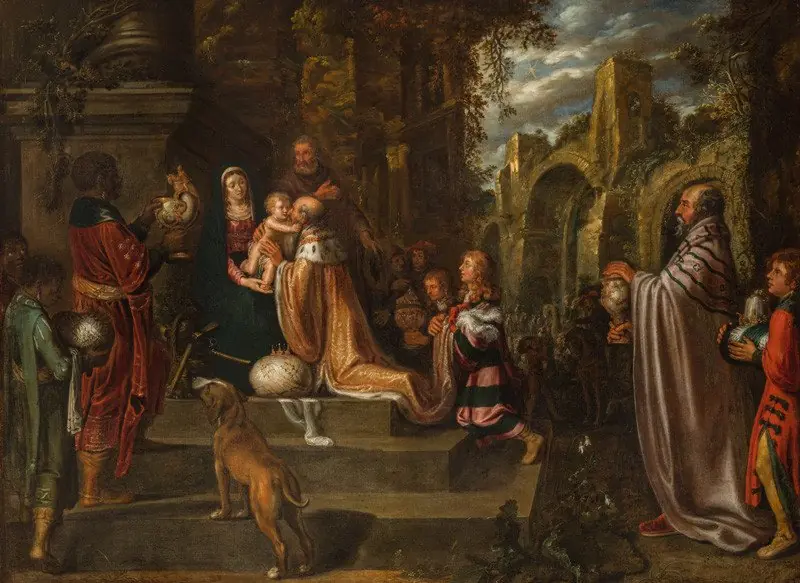
The Adoration of the Magi
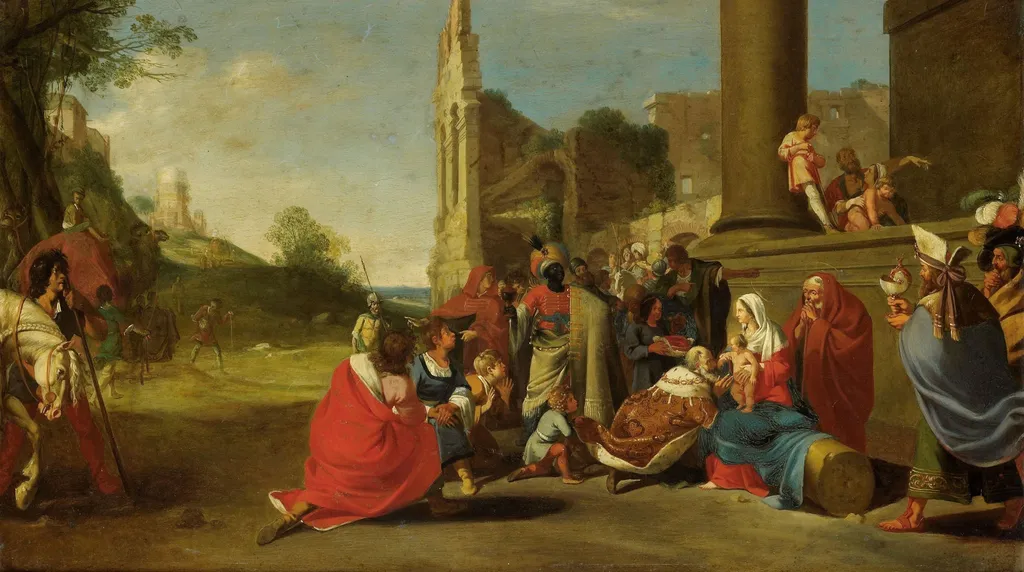
The Adoration of the Magi is an unspecified painting by the Early Baroque Italian artist Unknown. It dates from 1640 and is held in the collection of the Rijksmuseum.
About this work
Overview
The work depicts the Nativity scene in which the infant Jesus is surrounded by the Holy Family, three Magi, and a group of shepherds within the remnants of an ancient temple. The composition places the figures amid crumbling columns and arches, creating a juxtaposition of sacred birth and historical decay.
Subject & Meaning
The gathering of the three kings, traditionally identified as the Magi, alongside humble shepherds emphasizes the universal acknowledgment of the newborn Christ. Their presence together in a ruined sanctuary may symbolize the transition from old religious orders to the new covenant introduced by Christianity.
Technique & Style
Executed in a period when painters frequently referenced earlier models, the artist employs a detailed rendering of architectural ruin to evoke antiquity. The inclusion of a nautilus-shell cup, rendered with precise highlights, demonstrates the painter’s skill in depicting luxurious materials and reflects contemporary tastes for exotic objects.
History & Provenance
The painting originates from an era when copying and adapting older compositions was common practice among artists. The depiction of the nautilus cup, a known luxury item of the time, situates the work within the material culture of its creation, though specific ownership records remain limited.
Context
By situating the biblical episode within a decayed temple, the artist aligns the narrative with a visual language that underscores the timelessness of the story. The ruin evokes a sense of historical depth, linking the Christian event to a broader continuum of sacred architecture.
Artist & collection

 Domestic Scene
 Giacomo and Cardinal Marco, investing Andrea, Abbot of San Zeno, with his Benefice
 The Nymph of Fontainebleau
 Portrait of a Woman
 Madonna and Child with Saints in the Enclosed Garden
 Venus and Minerva
 Family Group of Four on Sofa
 Wall painting from Room H of the Villa of P. Fannius Synistor at Boscoreale
 The adoration of the Magi
 The Adoration of the Magi
 The Adoration of the Magi
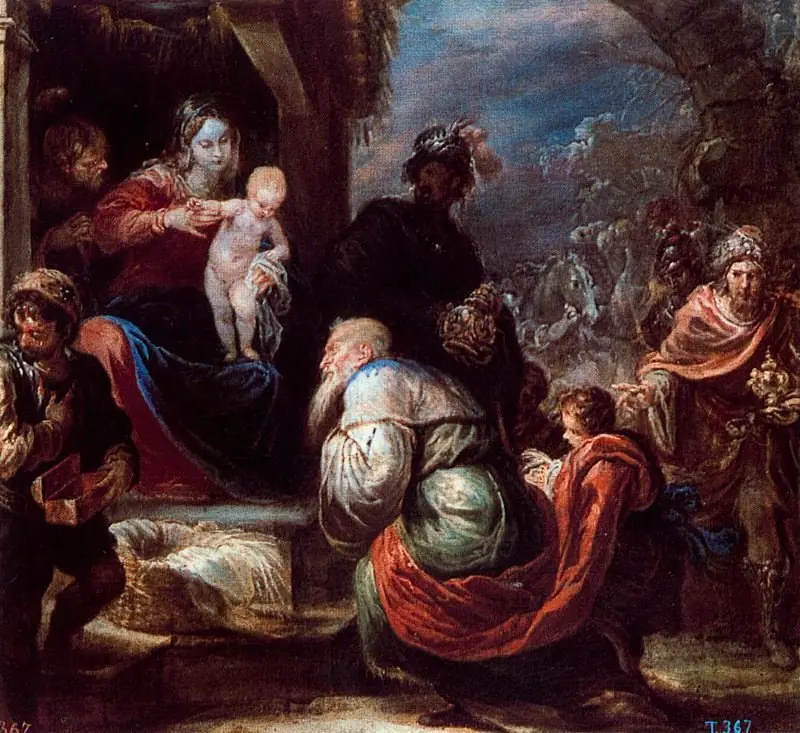 The Adoration of the Magi
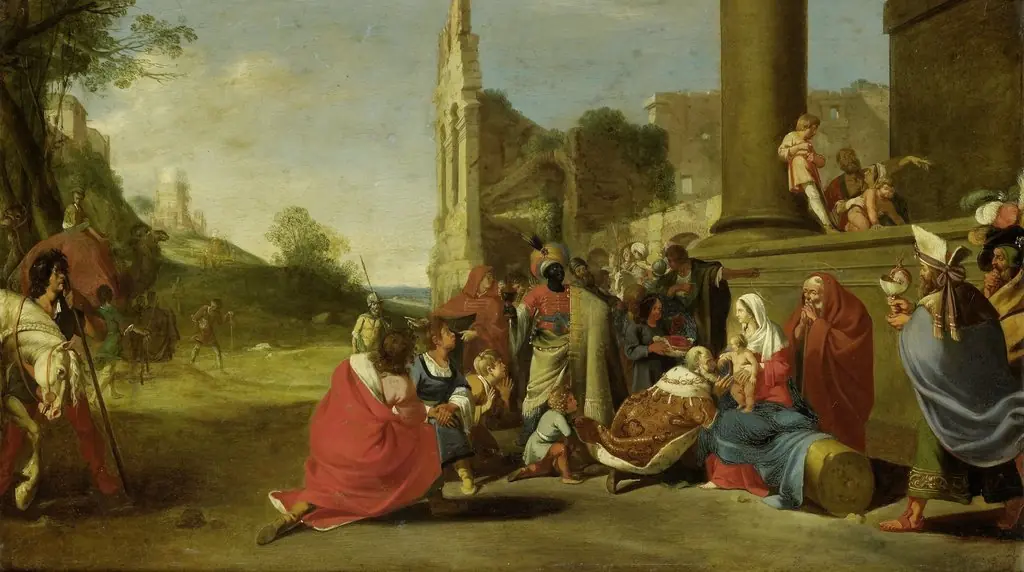 The adoration of the magi
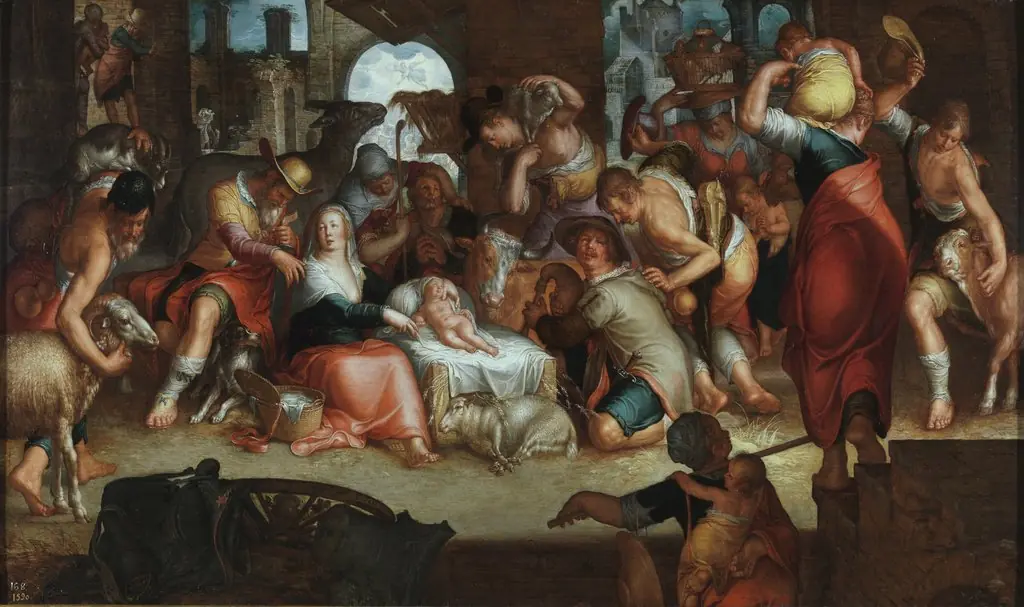 Adoration of the Shepherds
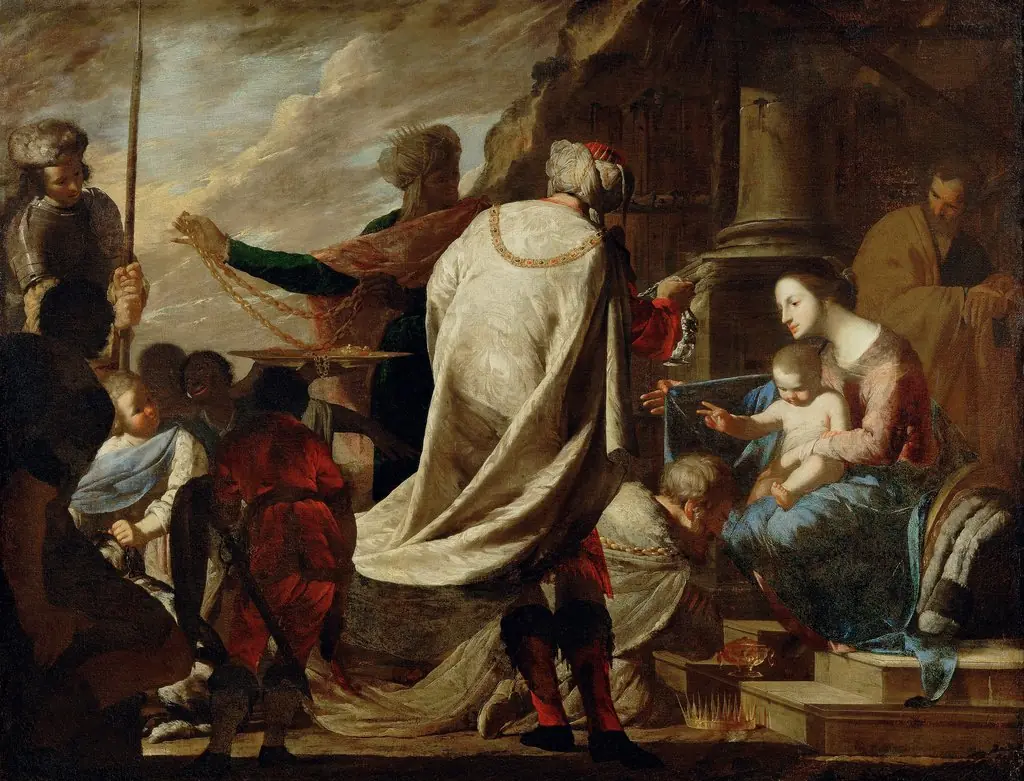 Adoration of the Magi
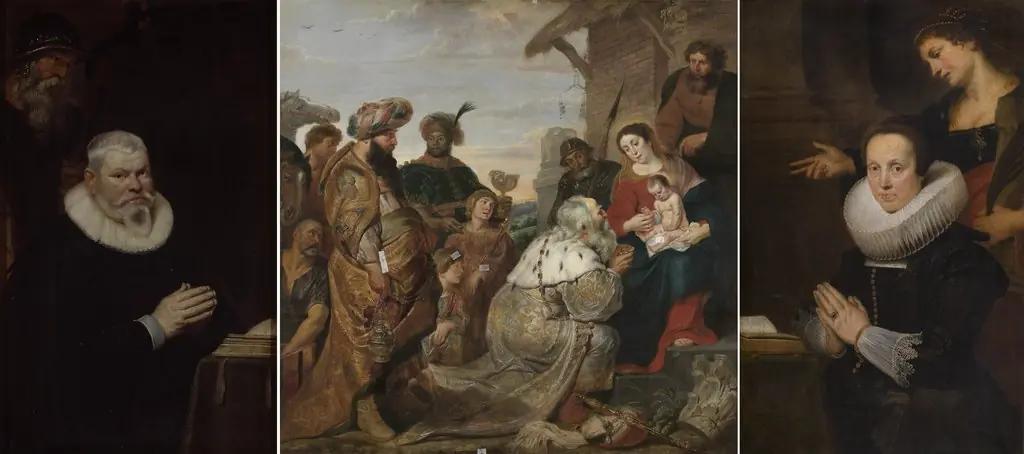 Epitaph of Willem van Meerbeeck and His Wife Barbara Kegeleers
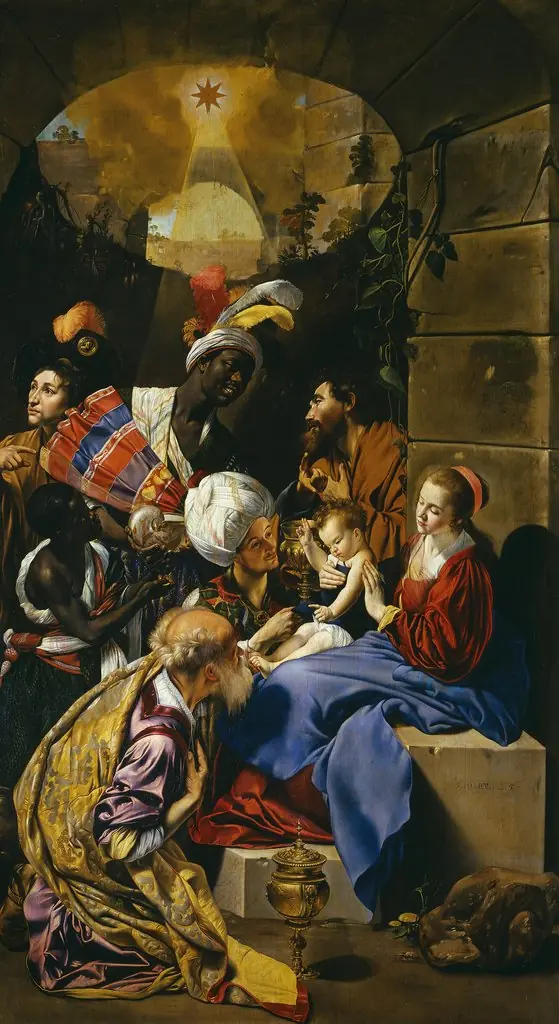 The Adoration of the Magi
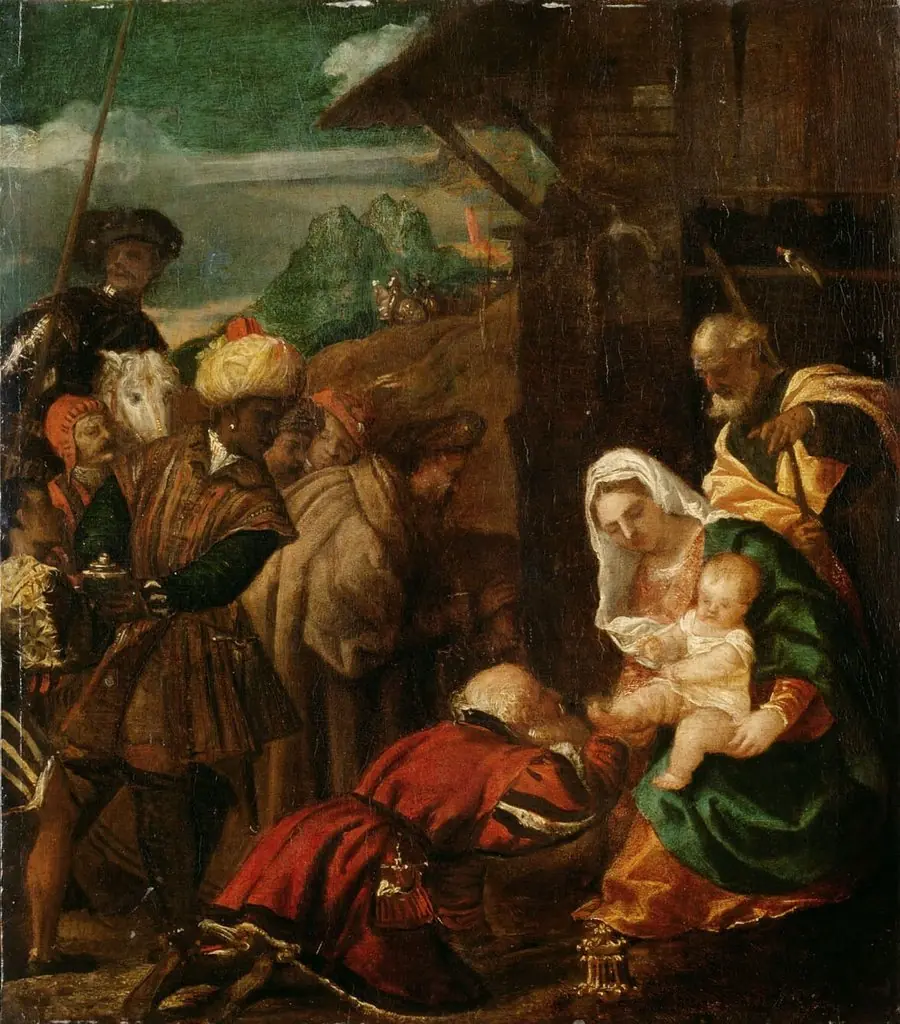 Adoration of the Magi
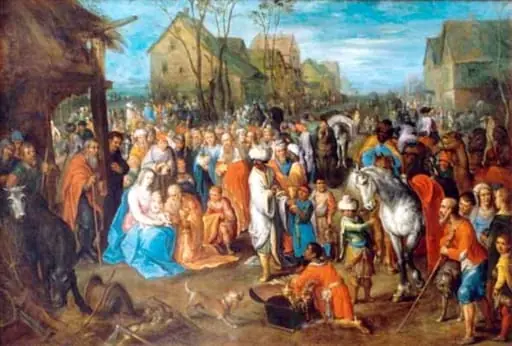 Închinarea magilor
 The adoration of the kings