Artwork
The Five Guardian Generals (O Bang Jang Kun)
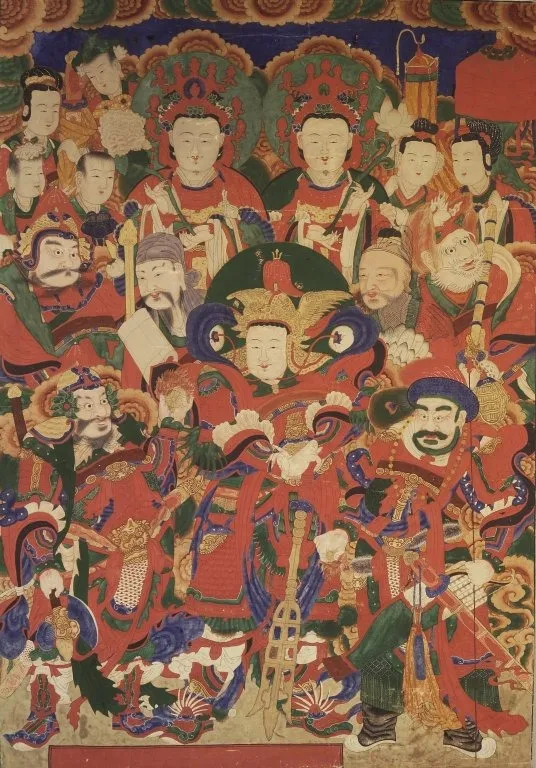
The Five Guardian Generals (O Bang Jang Kun) is an unspecified painting by Unknown. It dates from 1850 and is held in the collection of the Brooklyn Museum.
About this work
Overview
The Five Guardian Generals (O Bang Jang Kun) is a painting depicting five deified generals from Korean mythology, each associated with a direction (north, south, east, west, and center) and an element. The work showcases a blend of religious and military themes.
Subject & Meaning
The subjects are revered for protecting the nation and symbolizing balance and harmony. Their depiction in a single composition emphasizes unity and collective guardianship, reflecting the societal values of protection, stability, and the interplay of elemental forces.
Technique & Style
Executed in a traditional Korean painting style, the work features bold, expressive brushstrokes and vibrant colors on silk. The generals are rendered in formal, dignified poses, with attention to detail in their armor and attributes, indicating a high level of craftsmanship.
History & Provenance
Originating from the late Joseon Dynasty (18th-19th century), the painting's exact artist remains unknown, which is common for many traditional Korean works. It is believed to have been created for a shrine or a noble family's ancestral hall.
Context
Created during a period of relative peace, the painting may have served as a symbolic reinforcement of national security and spiritual protection. It reflects the era's religious syncretism, combining elements of Buddhism, Taoism, and indigenous Korean beliefs.
Legacy
The Five Guardian Generals contributes to the understanding of late Joseon Dynasty's artistic and religious practices. It is valued for its representation of traditional Korean mythology and its role in preserving cultural heritage, influencing later depictions of mythological subjects in Korean art.
Artist & collection

 Domestic Scene
 Giacomo and Cardinal Marco, investing Andrea, Abbot of San Zeno, with his Benefice
 The Nymph of Fontainebleau
 Portrait of a Woman
 Madonna and Child with Saints in the Enclosed Garden
 Venus and Minerva
 Family Group of Four on Sofa
 Wall painting from Room H of the Villa of P. Fannius Synistor at Boscoreale
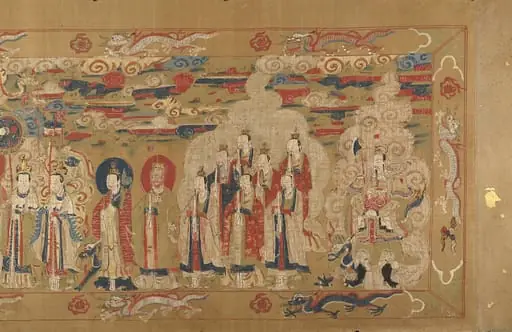 明 佚名 奉神圖 卷|Canonization scroll of Li Zhong
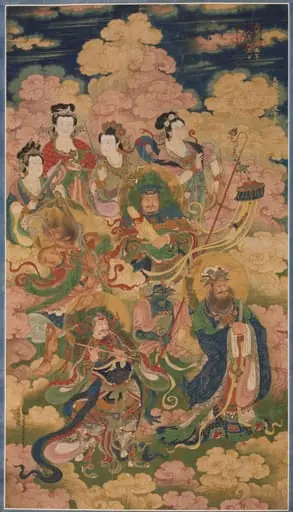 The Eight Hosts of Deva, Naga, and Yakshi
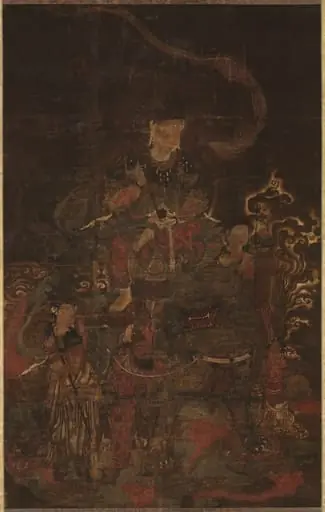 Monju Riding Lion with Attendants
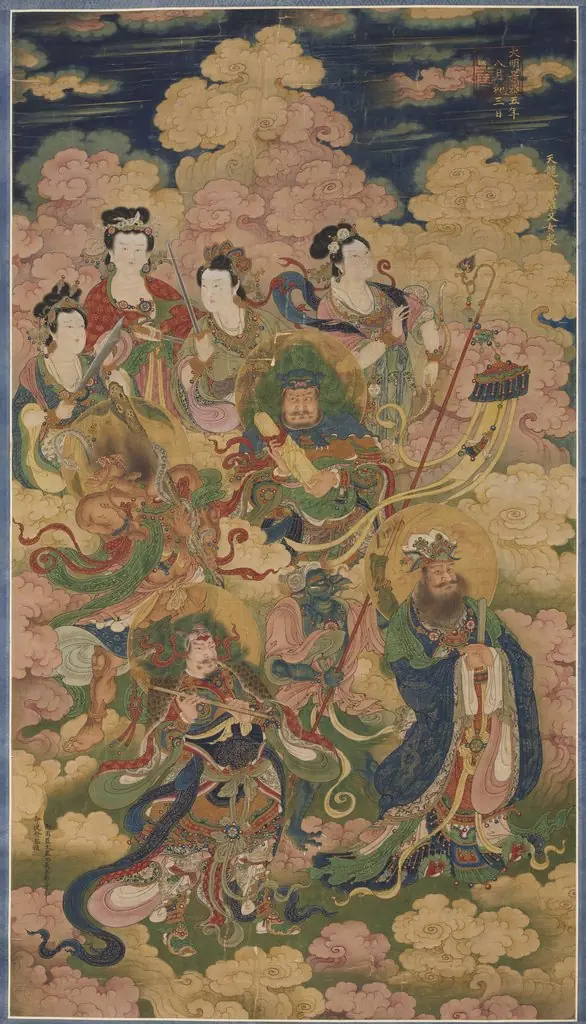 The Eight Hosts of Deva, Naga, and Yakshi
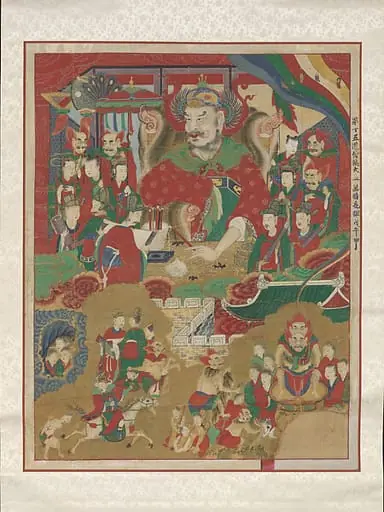 Untitled
 The Assembly of Tejaprabha Buddha
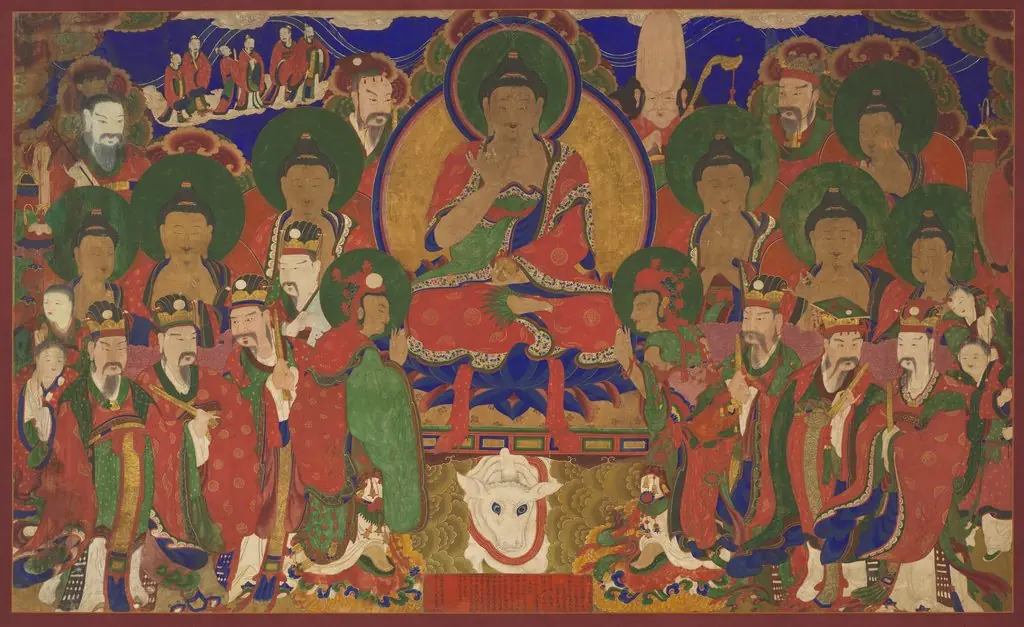 The Assembly of Tejaprabha Buddha
 Tejaprabhā Buddha and the Five Planets
 明嘉靖 佚名 王元帥圖 軸|Marshal Wang
 Untitled