Artwork
Ōtsu-e Nirvana of the Buddha (Ōtsu-e Butsu Nehanzu)
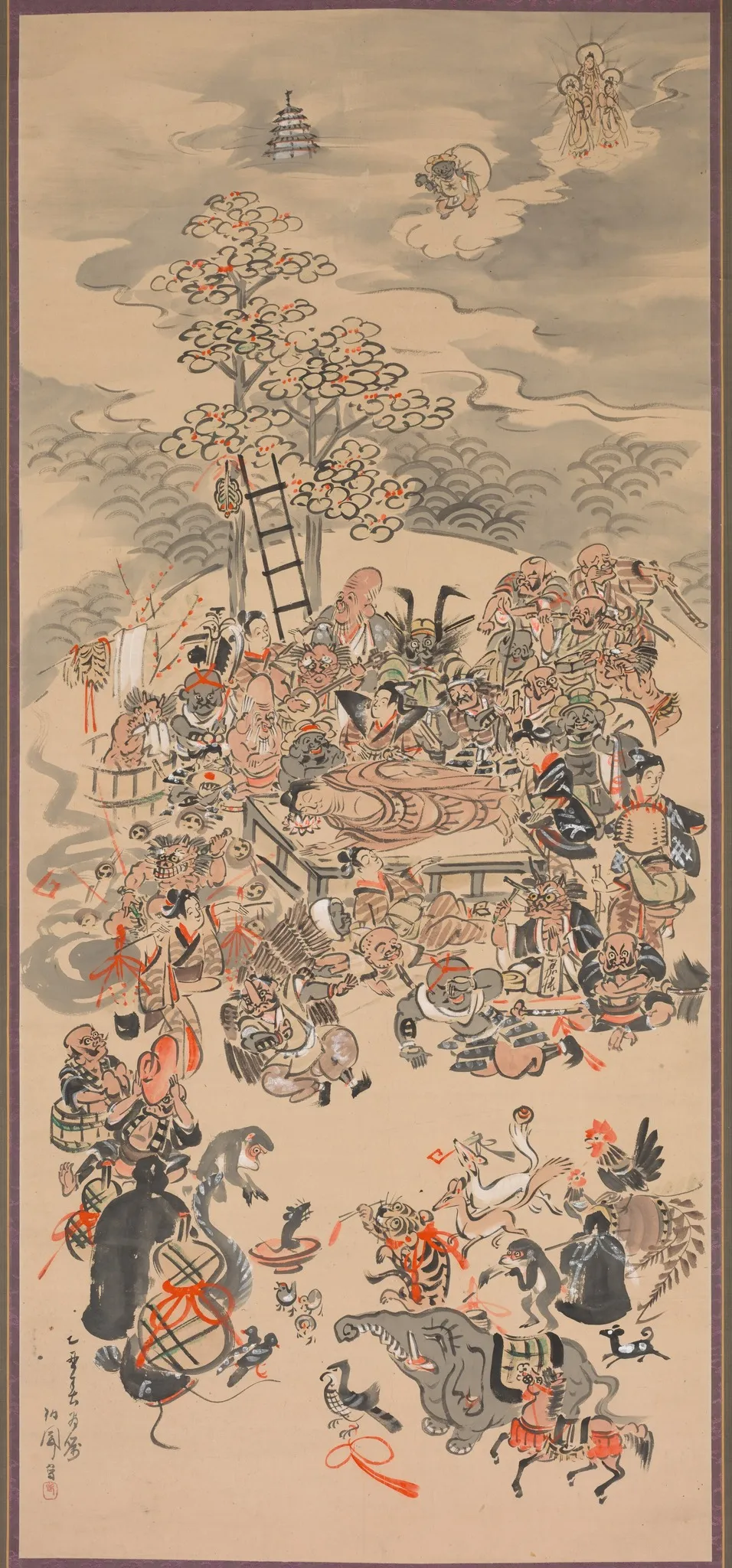
Ōtsu-e Nirvana of the Buddha (Ōtsu-e Butsu Nehanzu) is an unspecified painting by Unknown. It dates from 1849 and is held in the collection of the Cleveland Museum of Art. Ōtsu-e Nirvana of the Buddha is a painted work that presents a densely populated scene centered around a large tree.
About this work
Overview
A ladder ascends the trunk, while figures crowd beneath it, engaged in various activities that suggest a festive or ritual gathering.
Ōtsu-e Nirvana of the Buddha is a painted work that presents a densely populated scene centered around a large tree. A ladder ascends the trunk, while figures crowd beneath it, engaged in various activities that suggest a festive or ritual gathering. Above the assembly, ethereal beings hover, and the lower ground is populated by demons and animals in motion, rendered in striking red and black against a pale backdrop.
Subject & Meaning
The composition juxtaposes earthly revelry with supernatural observation, hinting at a narrative where mortal participants are observed by celestial entities. The inclusion of demons and animals alongside human figures may reflect themes of chaos and order, or the coexistence of the sacred and profane within a single visual field.
Technique & Style
Executed in the Ōtsu-e folk painting tradition, the work employs bold outlines and a limited palette dominated by vivid reds and deep blacks. The flat application of color and the crowded arrangement of figures create a dynamic, almost theatrical visual rhythm characteristic of popular religious prints of the period.
History & Provenance
The painting originates from the Ōtsu-e school, a regional style that flourished in the vicinity of Lake Biwa during the Edo period. Specific details of its creation, ownership, or museum acquisition are not recorded in the available sources.
Context
Ōtsu-e artworks were commonly produced for pilgrims and travelers, offering accessible religious imagery. This piece’s depiction of a chaotic gathering beneath a sacred tree aligns with the genre’s tendency to blend devotional subjects with lively, narrative scenes that appealed to a broad audience.
Artist & collection

 Domestic Scene
 Giacomo and Cardinal Marco, investing Andrea, Abbot of San Zeno, with his Benefice
 The Nymph of Fontainebleau
 Portrait of a Woman
 Madonna and Child with Saints in the Enclosed Garden
 Venus and Minerva
 Family Group of Four on Sofa
 Wall painting from Room H of the Villa of P. Fannius Synistor at Boscoreale
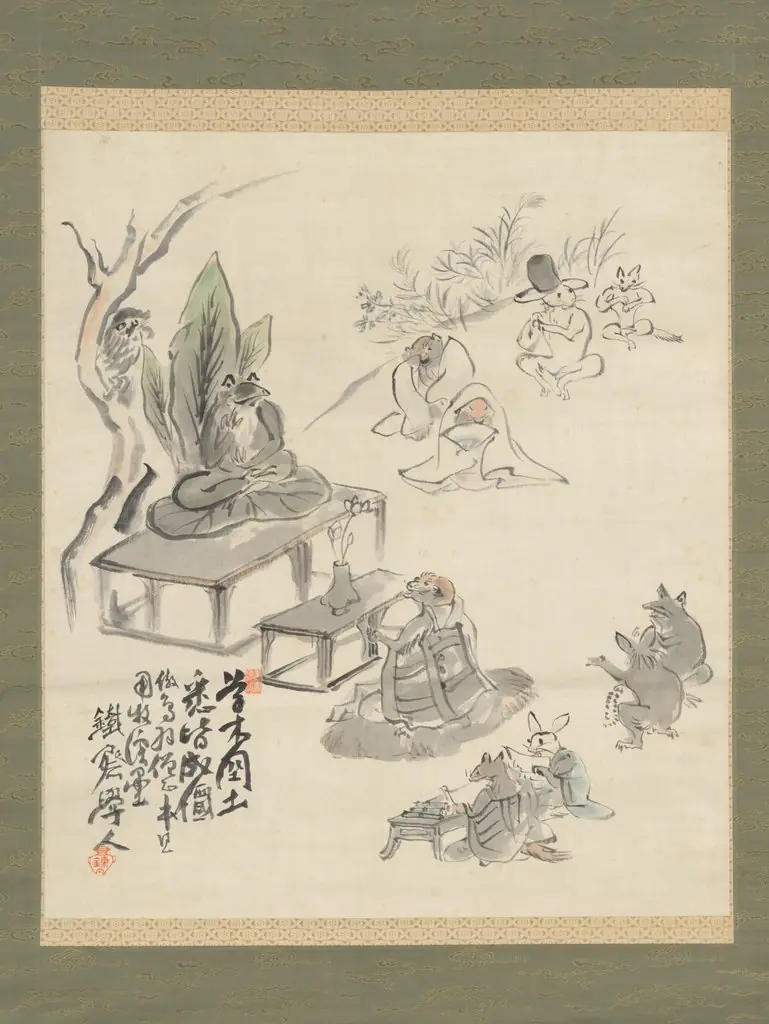 Scene Inspired by the Scrolls of Frolicking Animals and Humans
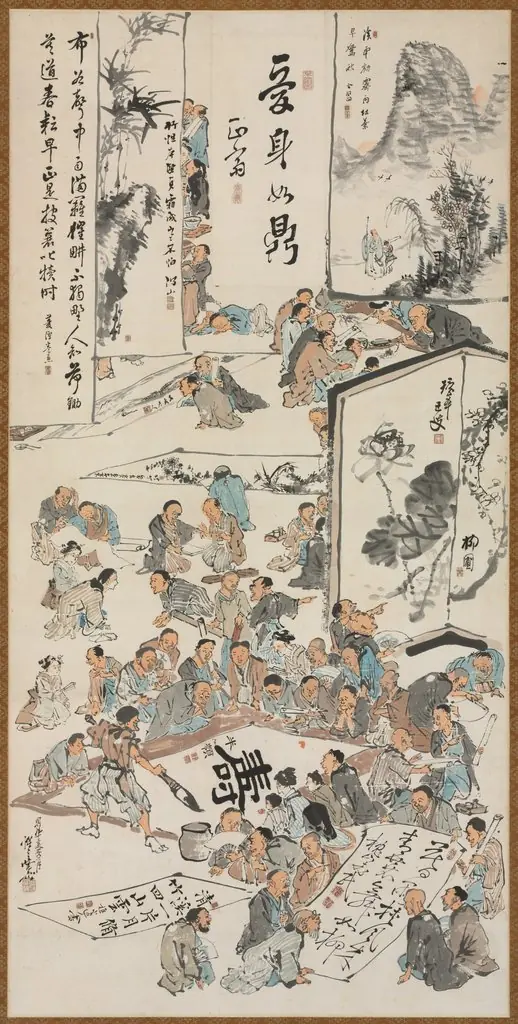 Painting Party
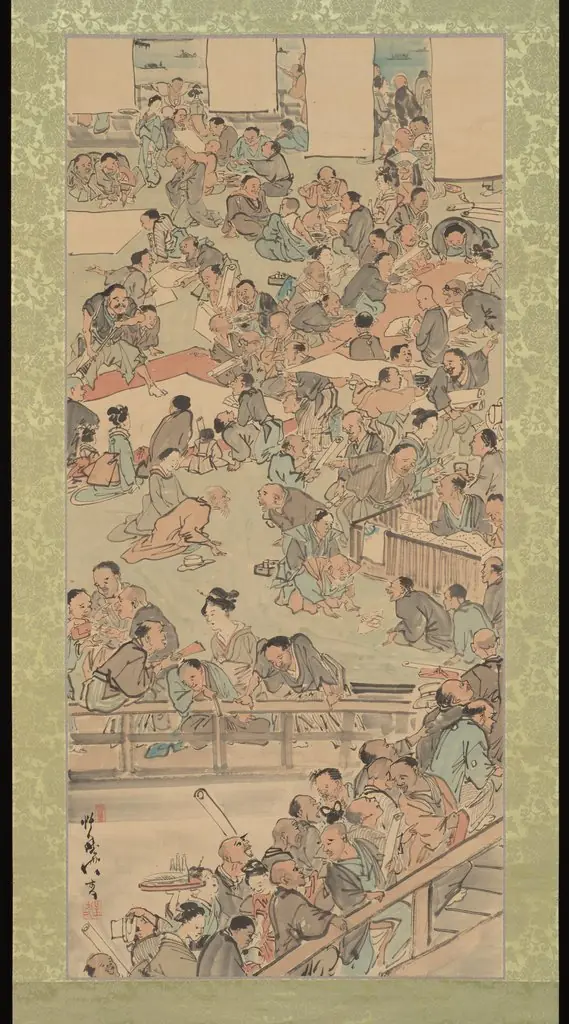 Painting and Calligraphy Gathering at the Nakamurarō in Ryōgoku 両国中村楼書画会之図 (Ryōgoku Nakamurarō shogakai no zu)
 長澤蘆洲筆 七福神図|Seven Gods of Good Fortune
 Operating on Guan Yu's Arm
 Bathing of the Buddha Festival
 Untitled
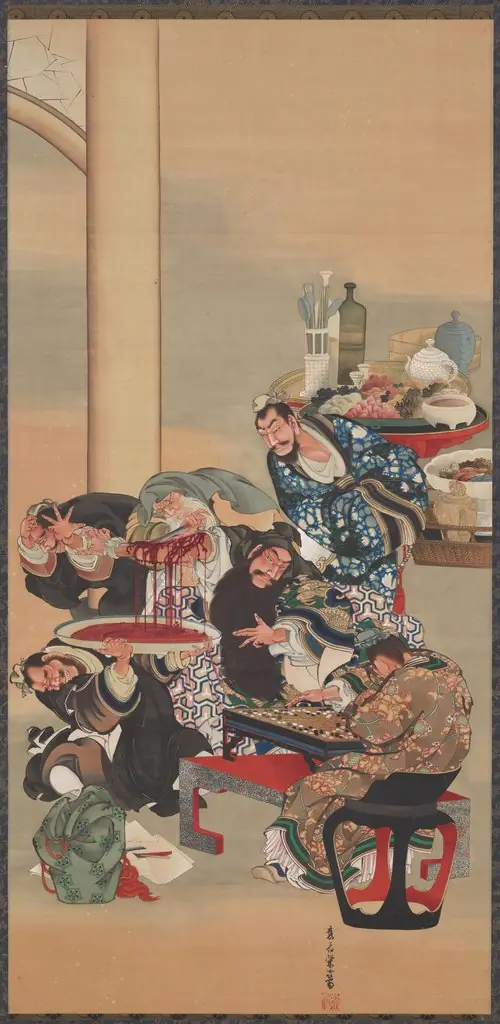 Operating on Guan Yu's Arm
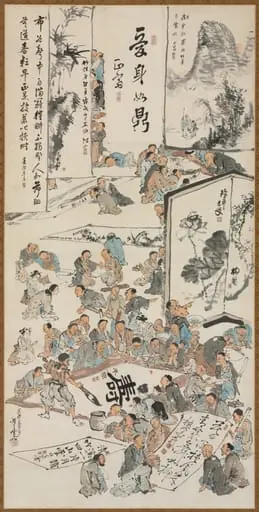 Painting Party
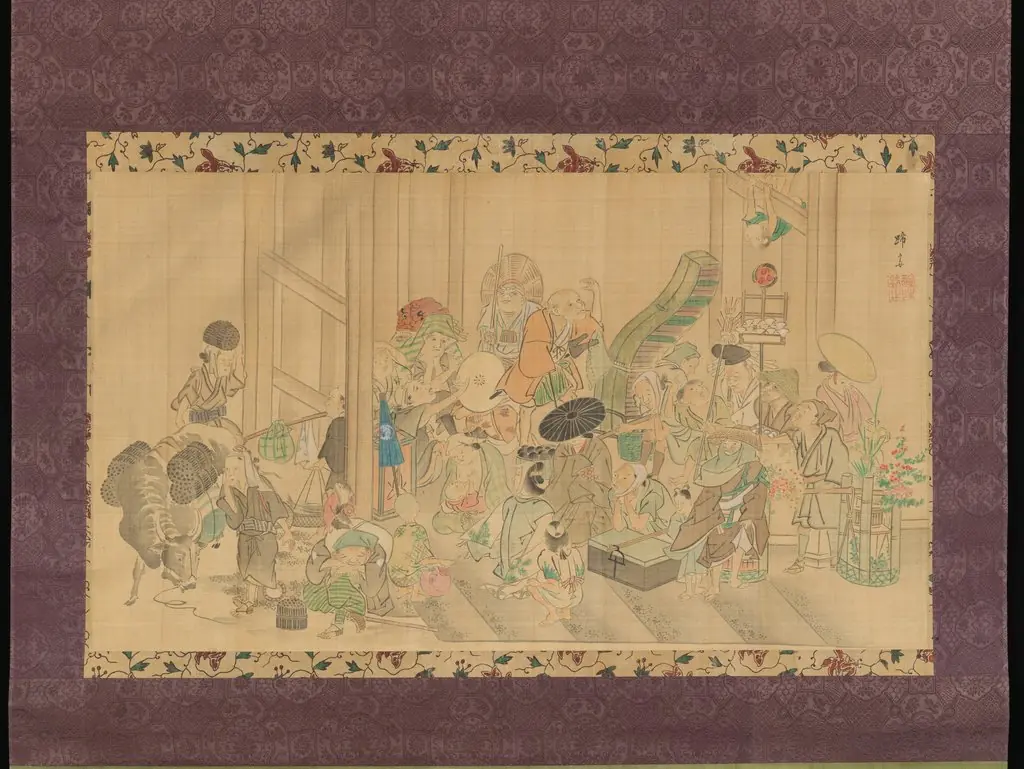 Taking Shelter from the Rain