Artwork
Untitled
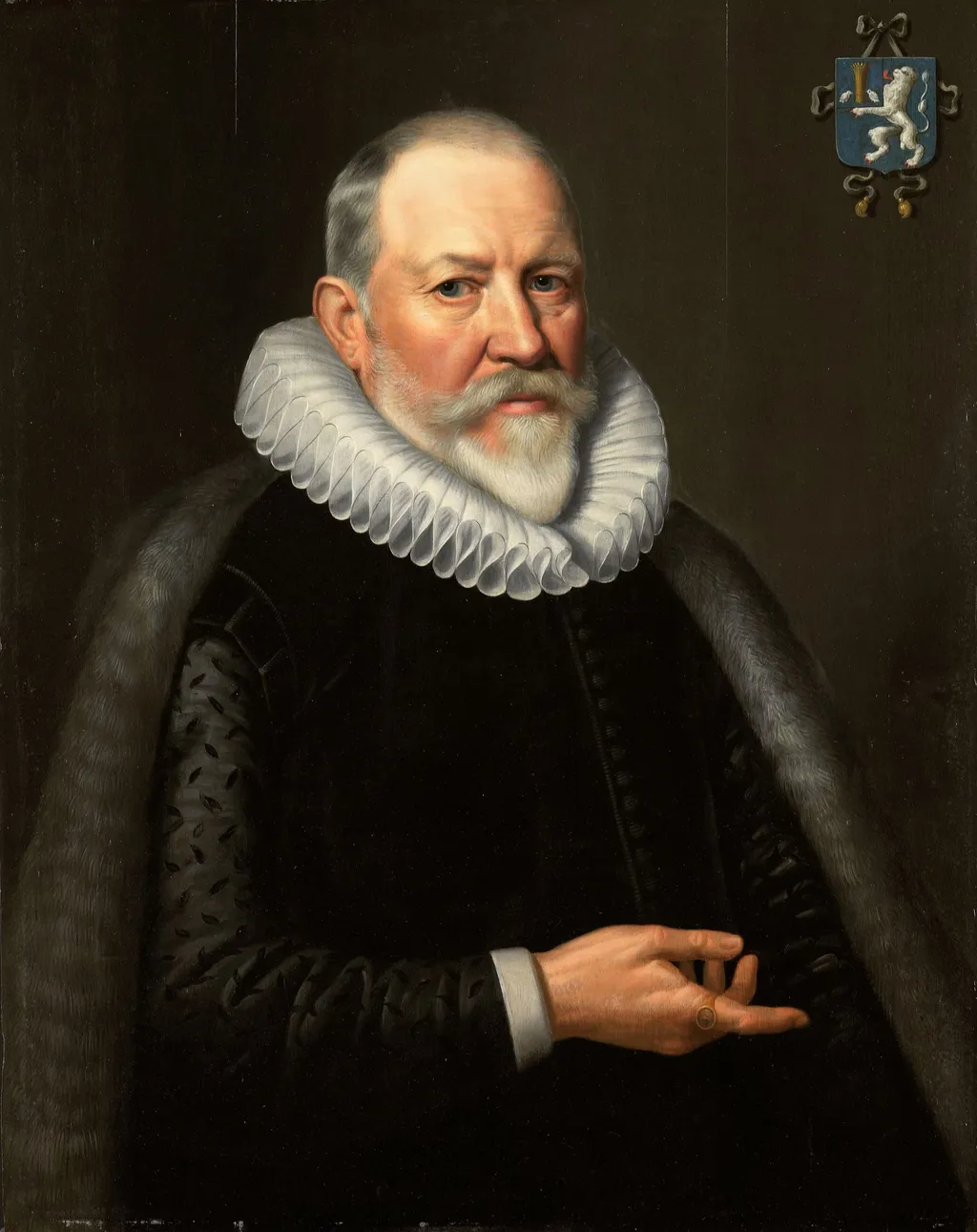
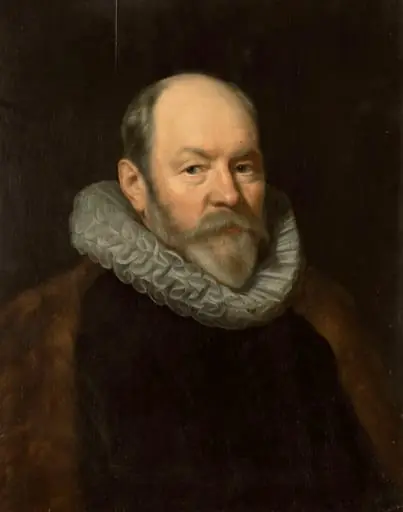
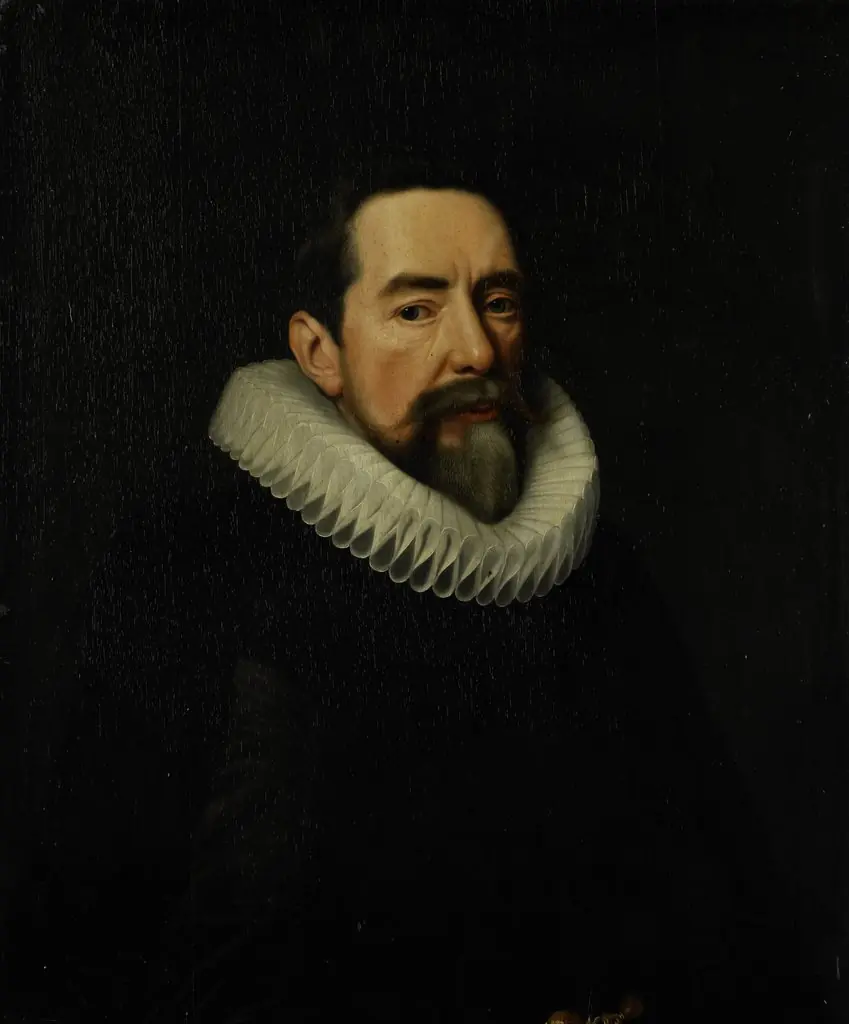
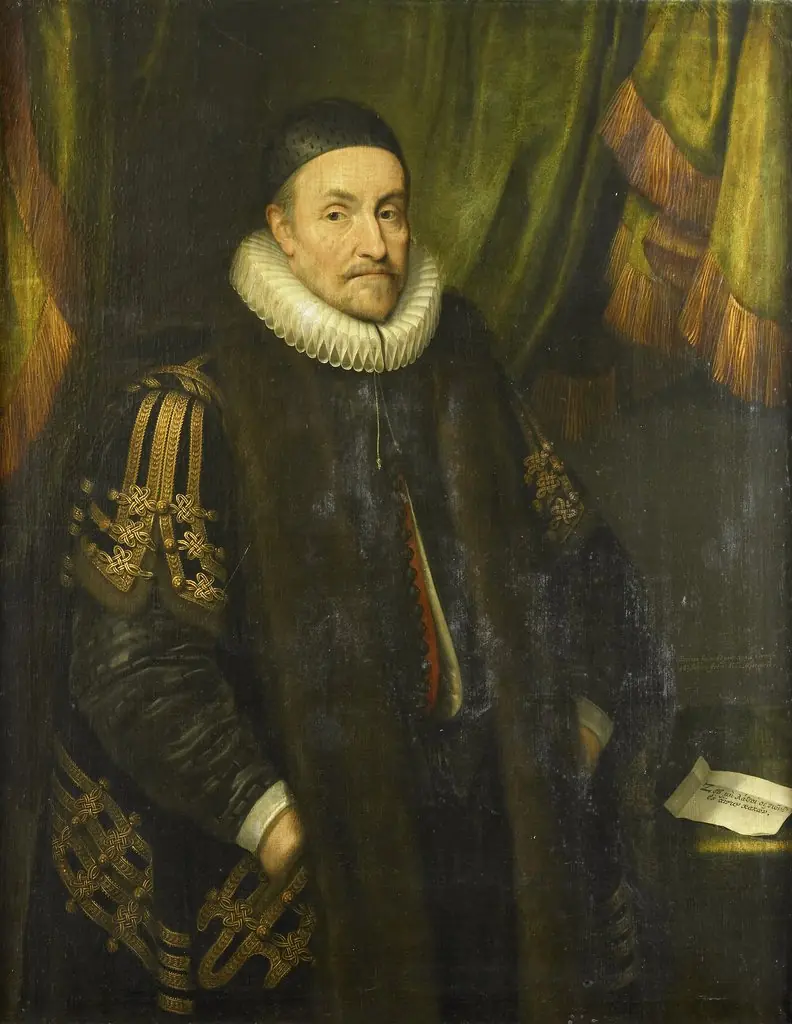
Untitled is an unspecified painting by the Early Baroque Italian artist Unknown. It dates from 1653 and is held in the collection of the Rijksmuseum. This portrait depicts an elderly man of apparent nobility, rendered in oil on canvas.
About this work
Overview
The composition is tightly focused on the figure, with minimal background detail, directing attention to his presence and regalia.
This portrait depicts an elderly man of apparent nobility, rendered in oil on canvas. His attire—dark garments, a fur-trimmed cape, and an elaborate white ruff—signals high social status. A heraldic shield in the upper right corner, bearing a white lion on a blue field, reinforces his aristocratic lineage. The composition is tightly focused on the figure, with minimal background detail, directing attention to his presence and regalia.
Subject & Meaning
The sitter is likely a member of the European aristocracy, possibly a nobleman or official. The ring he holds may symbolize authority, marriage, or a familial oath. The coat of arms serves as a visual claim to lineage and heritage, common in portraits of the elite during the late Renaissance or early Baroque period. His stern expression and formal posture convey dignity and gravitas, typical of portraiture meant to assert social standing.
Technique & Style
The painting employs subtle contrasts of light and shadow to model the face and fabric, suggesting an awareness of chiaroscuro. The texture of the fur trim and the sheen of the ruff are rendered with careful brushwork, emphasizing material wealth. The palette is restrained—dominated by dark tones with accents of white and gold—enhancing the figure’s solemnity. Background elements are muted, reinforcing the focus on the subject’s identity.
History & Provenance
The painting’s origin is not definitively documented, but its style and heraldic elements suggest a Northern European or Spanish origin, likely from the 16th or early 17th century. It may have been commissioned by the sitter’s family to commemorate status or legacy. Its survival through centuries implies it remained in private collections, possibly within the lineage it depicts, before entering institutional or public hands.
Context
During the late Renaissance and early Baroque periods, portraiture among European nobility often served political and dynastic purposes. Heraldic symbols were carefully included to assert lineage and alliances. Artists in regions like the Low Countries and Spain refined techniques to capture texture and presence, blending realism with symbolic elements to reinforce the sitter’s social and familial importance.
Legacy
This portrait exemplifies the tradition of aristocratic portraiture that prioritized identity, lineage, and decorum over individual expression. Its preservation offers insight into how visual culture reinforced social hierarchies. While the sitter’s name remains unknown, the work contributes to broader studies of early modern elite representation and the use of heraldry in personal imagery.
Artist & collection

 Domestic Scene
 Giacomo and Cardinal Marco, investing Andrea, Abbot of San Zeno, with his Benefice
 The Nymph of Fontainebleau
 Portrait of a Woman
 Madonna and Child with Saints in the Enclosed Garden
 Venus and Minerva
 Family Group of Four on Sofa
 Wall painting from Room H of the Villa of P. Fannius Synistor at Boscoreale
 Portrait of Maerten Ruychaver, Burgomaster of Haarlem
 Portrait of Maerten Ruychaver (1545-1626)
 Portrait of Johan von Megen
 Portrait of Paulus Cornelisz van Beresteyn, Burgomaster of Delft
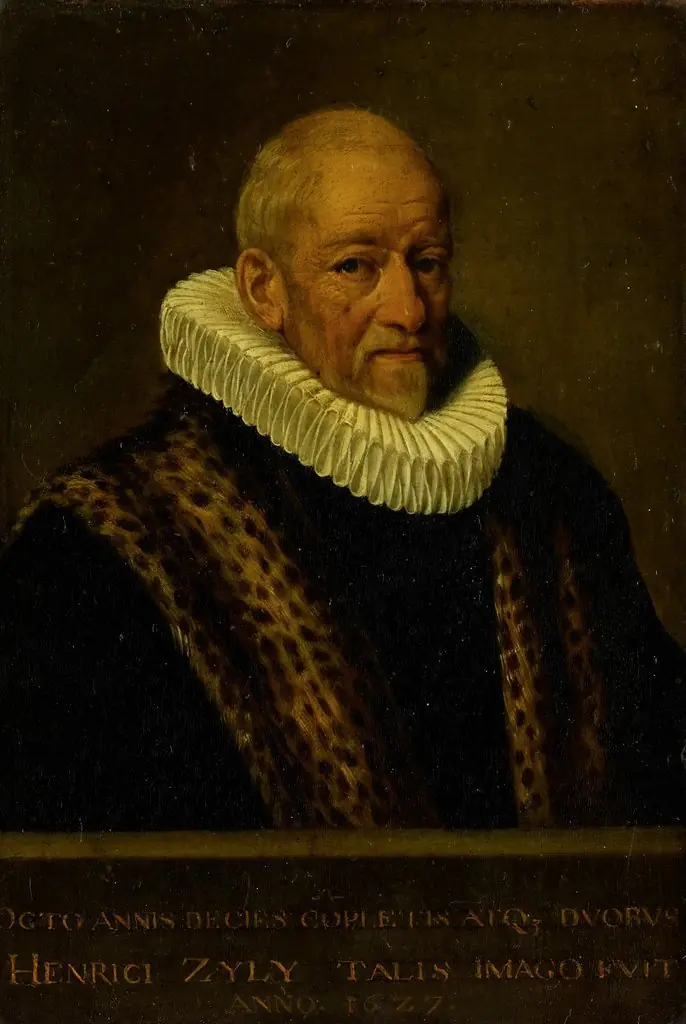 Portrait of Henricus van Zijl (1545-1627)
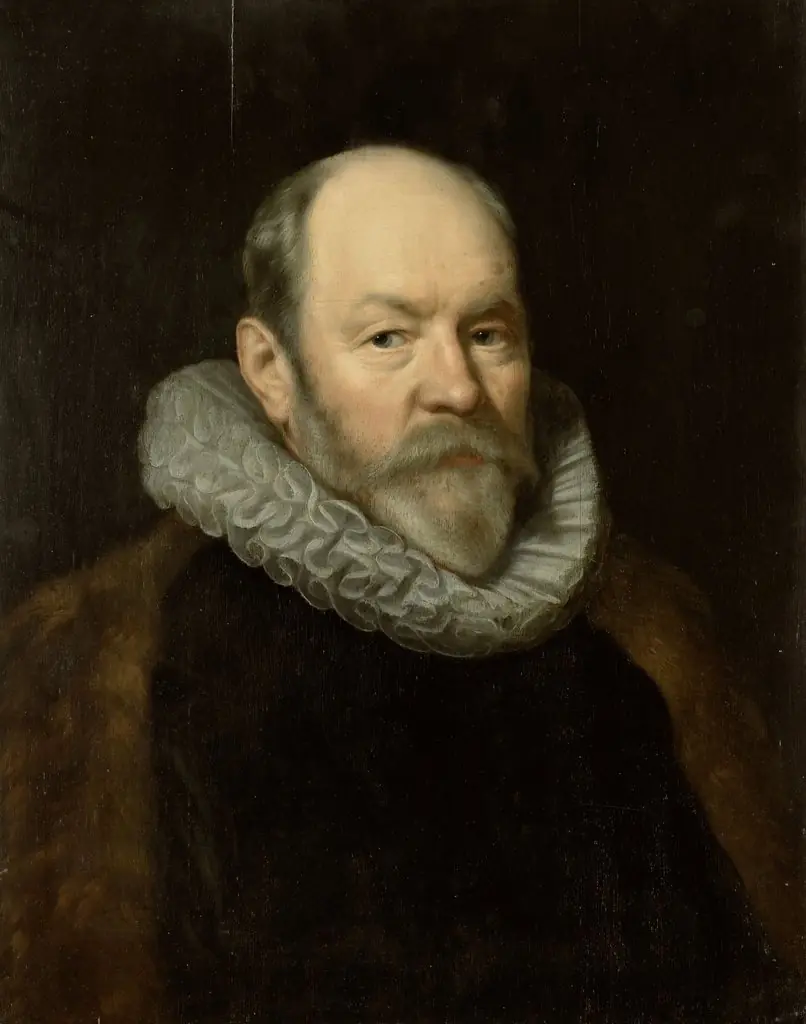 Portrait of Paulus Cornelisz van Beresteyn (1548-1625)
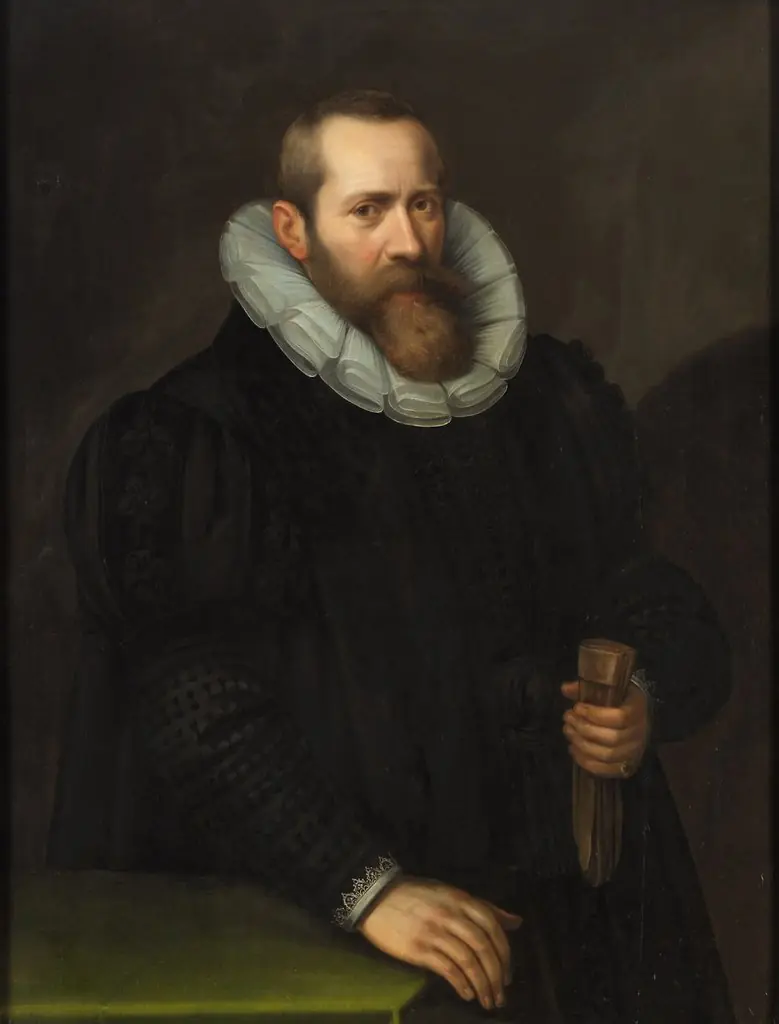 Portrait of a man
 Portrait of a man
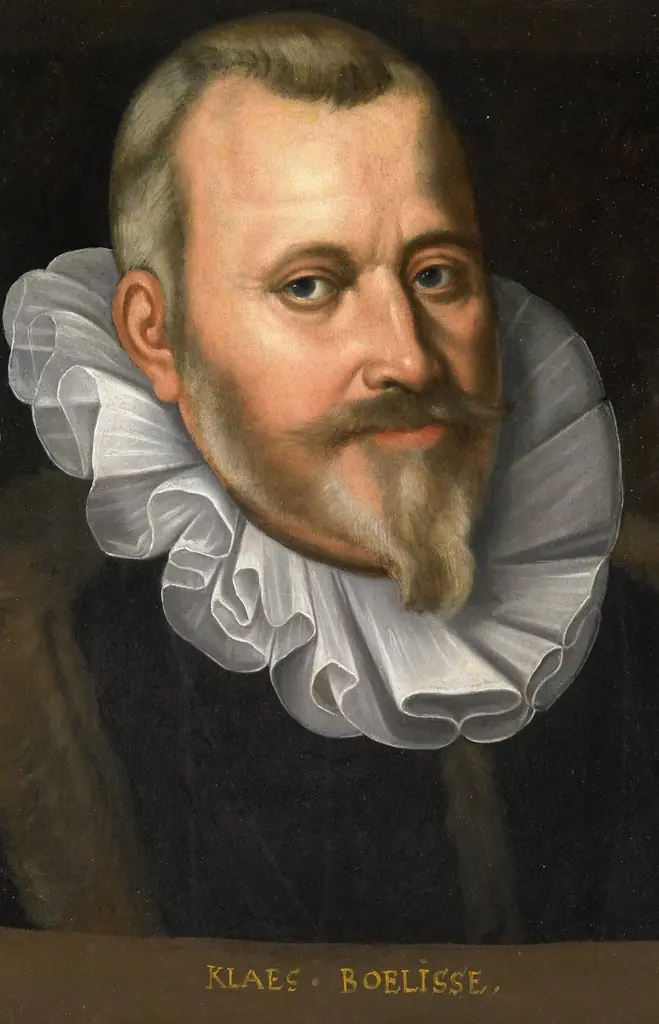 Portrait of Claes Allertsz Boelens (1550-1615)
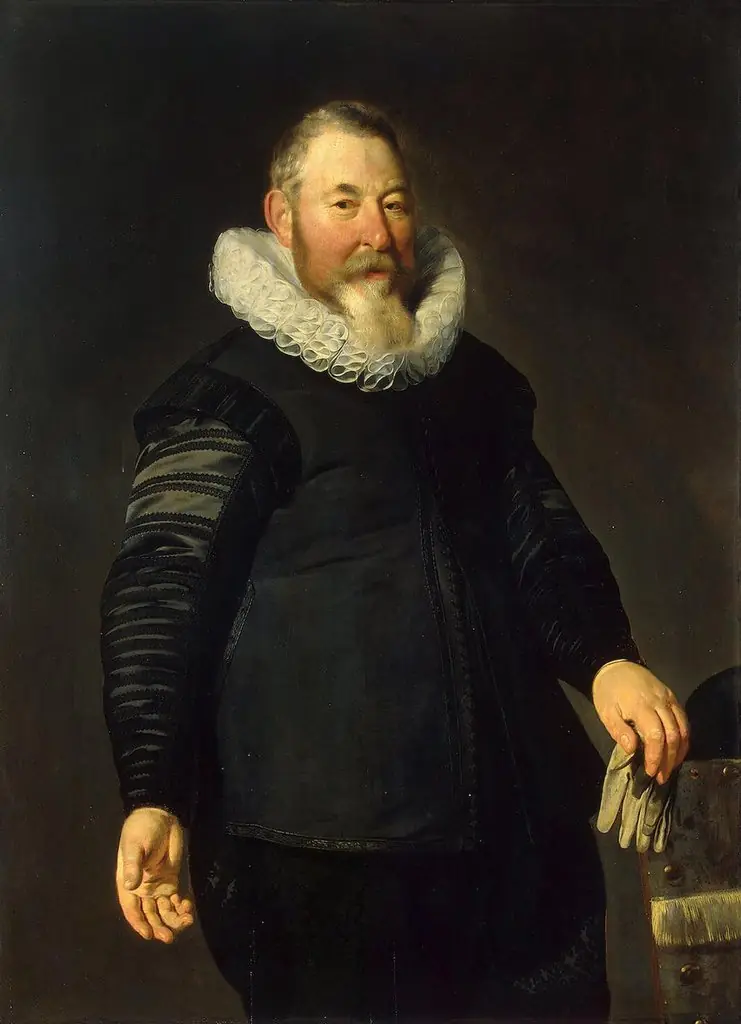 Portrait of a Man
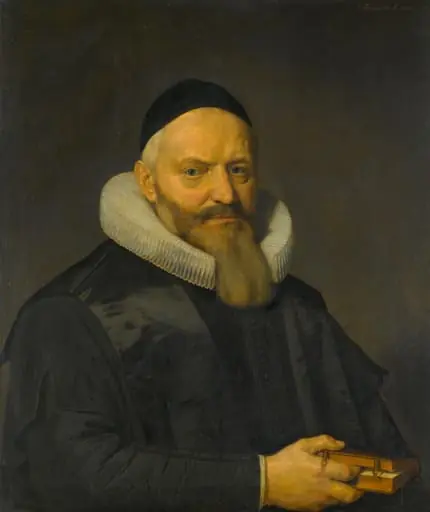 Untitled
 Portrait of Willem I (1533-84), prince of Orange, called William the Silent