Artwork
Untitled
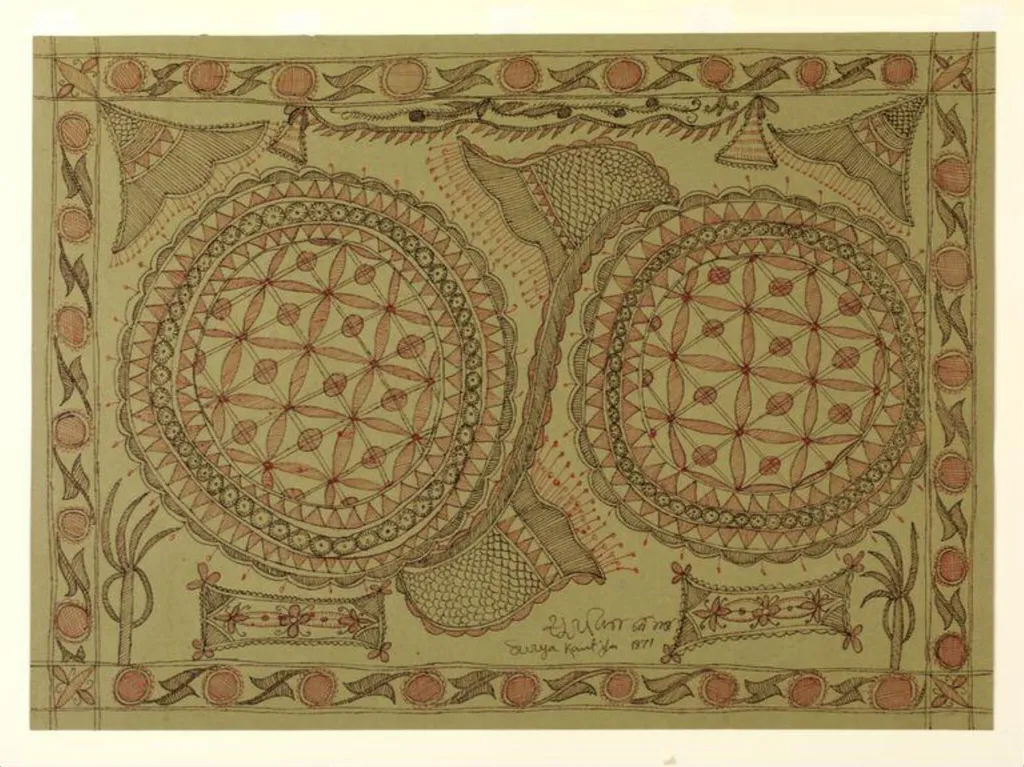
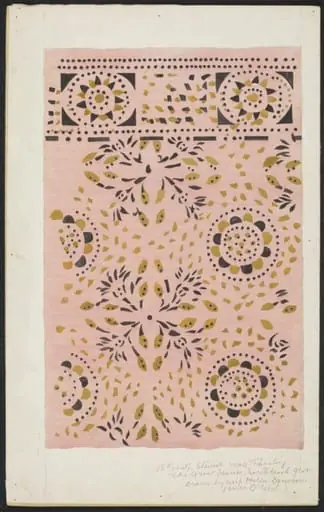
Untitled is a paint painting by Unknown. It dates from 1971 and is held in the collection of the Victoria and Albert Museum. This 1971 ink-on-paper work is a product of the Madhubani tradition, a regional art form from Mithila in northern Bihar.
About this work
Overview
Executed in the aripana style, it reflects the transition of wall-based ritual designs into portable paper formats during the mid-20th century.
This 1971 ink-on-paper work is a product of the Madhubani tradition, a regional art form from Mithila in northern Bihar. Executed in the aripana style, it reflects the transition of wall-based ritual designs into portable paper formats during the mid-20th century. The composition centers on two large, intricately filled circles, surrounded by delicate linear motifs that echo natural and textile patterns, rendered in restrained earth tones.
Subject & Meaning
The paired circular forms may allude to ritual objects such as baskets or woven nets, common symbols in Madhubani art associated with abundance and protection. Their dense, lace-like interiors suggest craftsmanship and care, while the surrounding swirls, leaves, and floral elements connect the imagery to fertility and the natural world. Though non-narrative, the piece carries the symbolic weight of domestic and spiritual practices traditionally observed by women in the region.
Technique & Style
The work employs fine, unbroken ink lines to create precise, repetitive patterns typical of aripana. Tiny shapes within the circles are meticulously arranged, evoking textile weaving or embroidery. Colors are limited to soft browns, reds, and creams, applied with controlled brushwork. The border features a continuous vine-and-oval motif, reinforcing the composition’s rhythmic structure and adherence to traditional decorative conventions.
History & Provenance
Madhubani art originated as temporary wall paintings made by women of Brahmin and Kayastha communities during religious ceremonies. After the 1934 Bihar earthquake prompted external documentation by W.G. Archer, artists began adapting the style for paper to sustain income. By the 1960s, this shift enabled commercial production, and this 1971 piece reflects that era’s transition from ritual to market-based practice.
Context
The artwork emerges from a living tradition rooted in the domestic spaces of rural Mithila, where women preserved cultural memory through patterned designs. Its move to paper coincided with broader efforts to preserve and sustain indigenous art forms amid economic change. While removed from its original ritual context, the piece retains the visual language and disciplined handwork characteristic of its origins.
Legacy
This work contributes to the documented evolution of Madhubani art from ephemeral wall decoration to a recognized graphic tradition. Its precision and restraint exemplify the aesthetic values upheld by practitioners who adapted their heritage for new mediums. Institutions such as the Victoria and Albert Museum hold similar works, helping to anchor this regional practice within broader narratives of South Asian folk art.
Artist & collection

 Domestic Scene
 Giacomo and Cardinal Marco, investing Andrea, Abbot of San Zeno, with his Benefice
 The Nymph of Fontainebleau
 Portrait of a Woman
 Madonna and Child with Saints in the Enclosed Garden
 Venus and Minerva
 Family Group of Four on Sofa
 Wall painting from Room H of the Villa of P. Fannius Synistor at Boscoreale
 Facsimile of a Mandan Robe
 Untitled
 Tantric Manuscript "Sangrahani Sutra"
 A Sacred Sheet Sent from Holy Mother Wisdom by Her Angel of Many Signs
 Αρχοντικό Νανζή, Καστοριά
 The Jagannath triad
 Tantric Manuscript "Sangrahani Sutra"
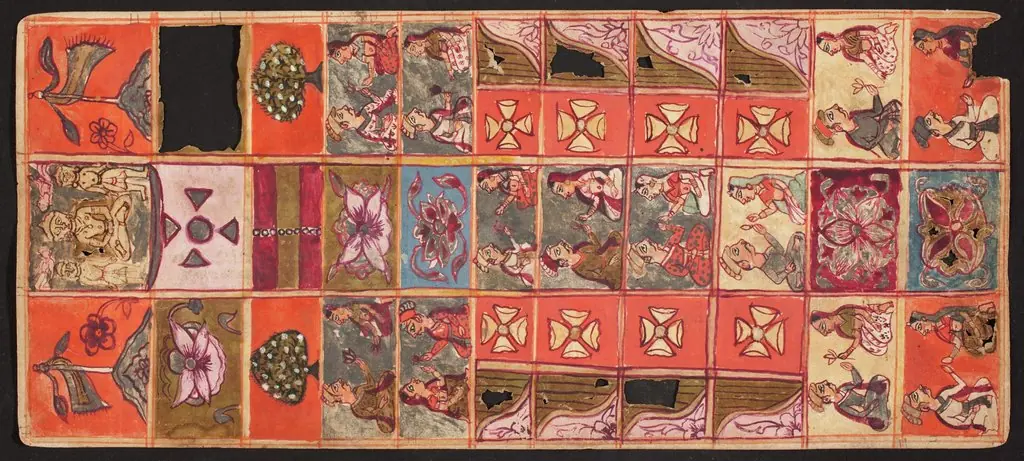 Tantric Manuscript, "Sangrahani Sutra"
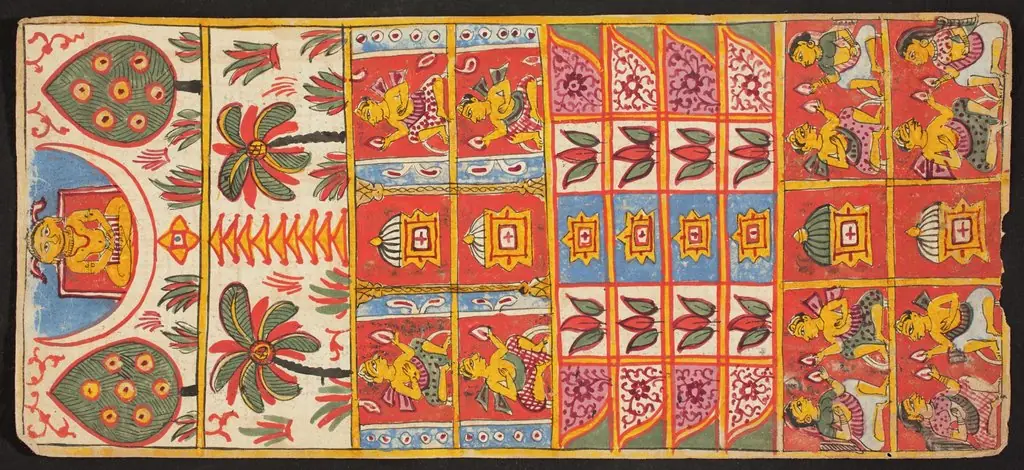 Tantric Manuscript "Sangrahani Sutra"
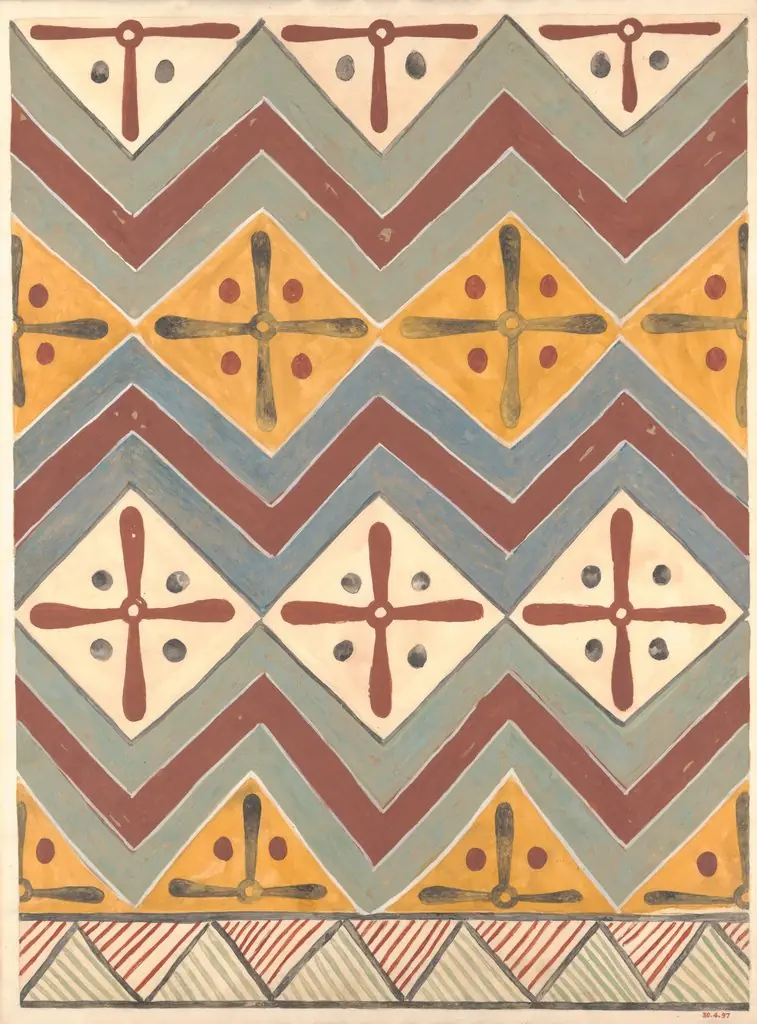 Ceiling Pattern, Tomb of Qenamun
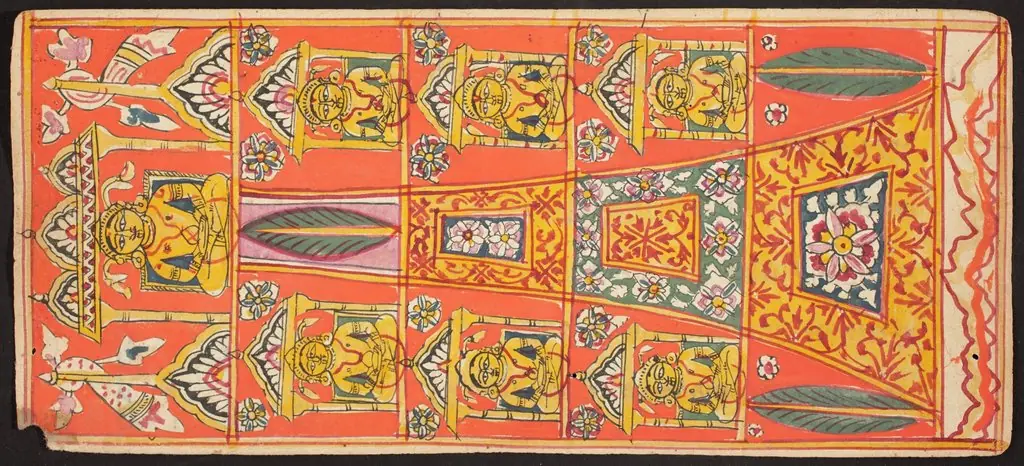 Tantric Manuscript "Sangrahani Sutra"
 Copy of a 18th century mural painting in the Great House, Northleach, Gloucestershire