Artwork
Tantric Manuscript "Sangrahani Sutra"
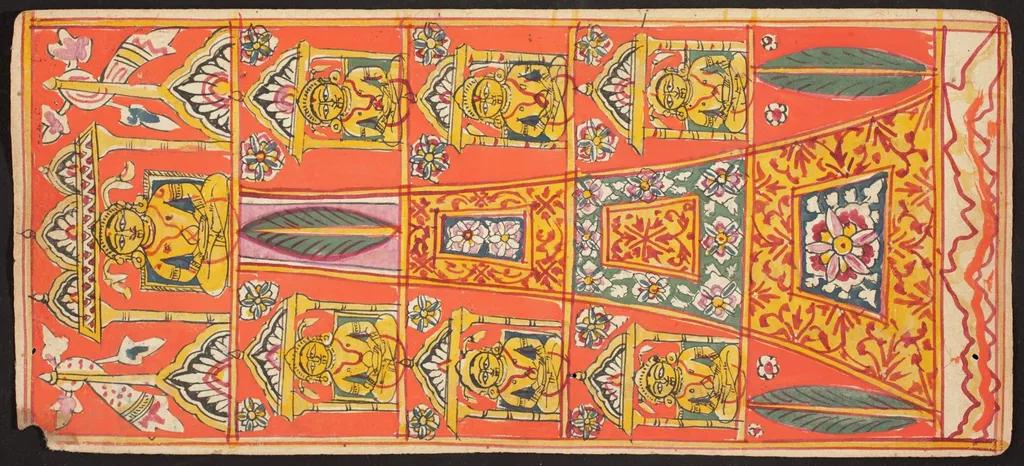
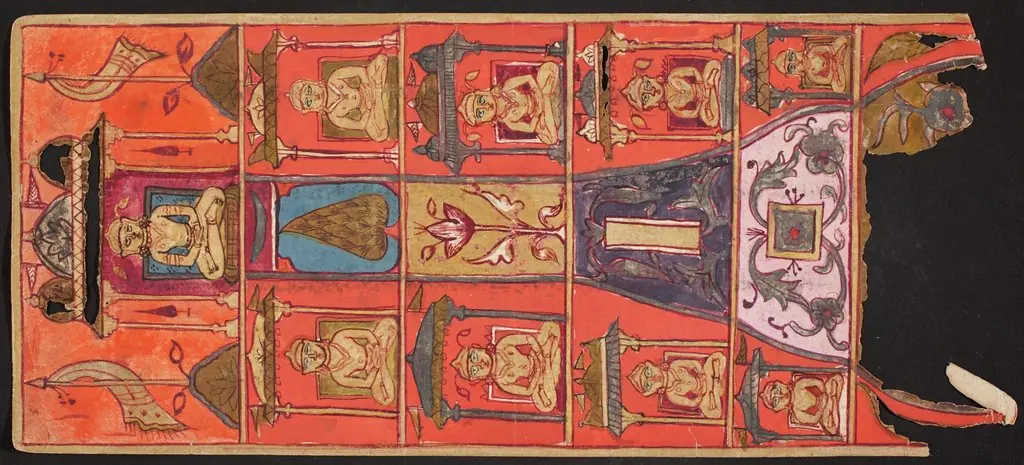
Tantric Manuscript "Sangrahani Sutra" is an unspecified painting by Unknown. It is held in the collection of the Detroit Institute of Arts.
About this work
Overview
The 'Sangrahani Sutra' is a painted manuscript originating from medieval India, likely produced in the eastern regions during the late medieval period.
The 'Sangrahani Sutra' is a painted manuscript originating from medieval India, likely produced in the eastern regions during the late medieval period. It belongs to the tantric Buddhist tradition and was created as a devotional and instructional object. The work combines scriptural text with intricate visual imagery, serving both liturgical and meditative functions within esoteric Buddhist practice.
Subject & Meaning
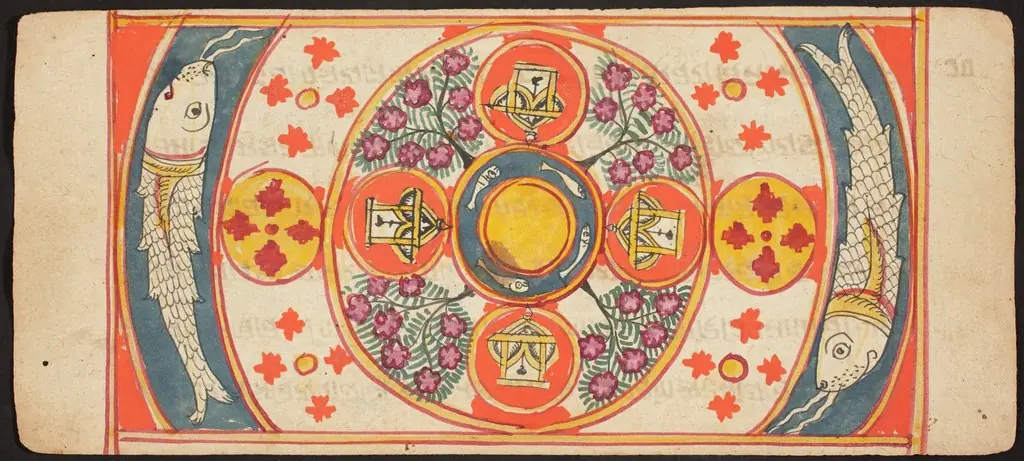
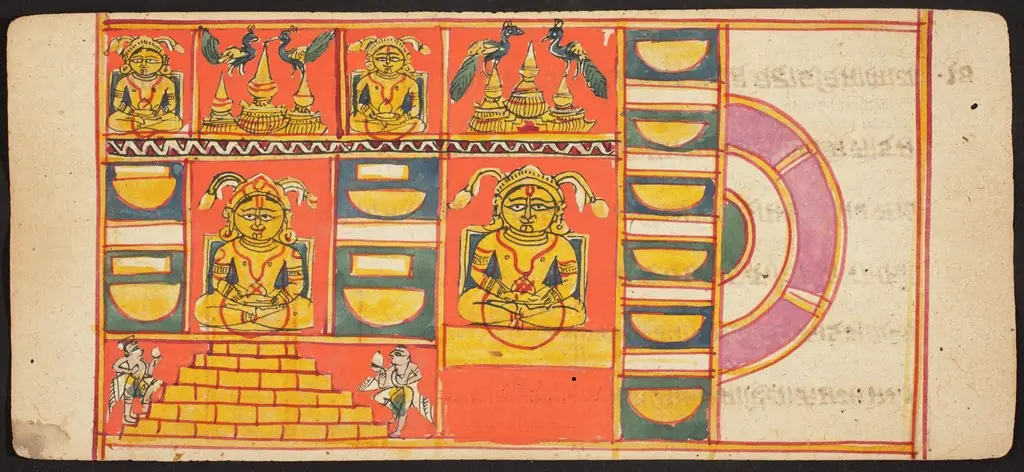
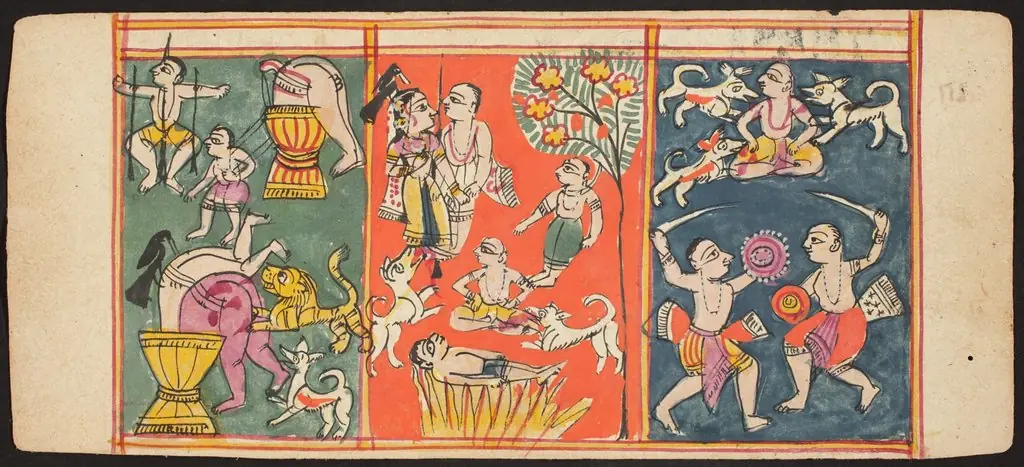
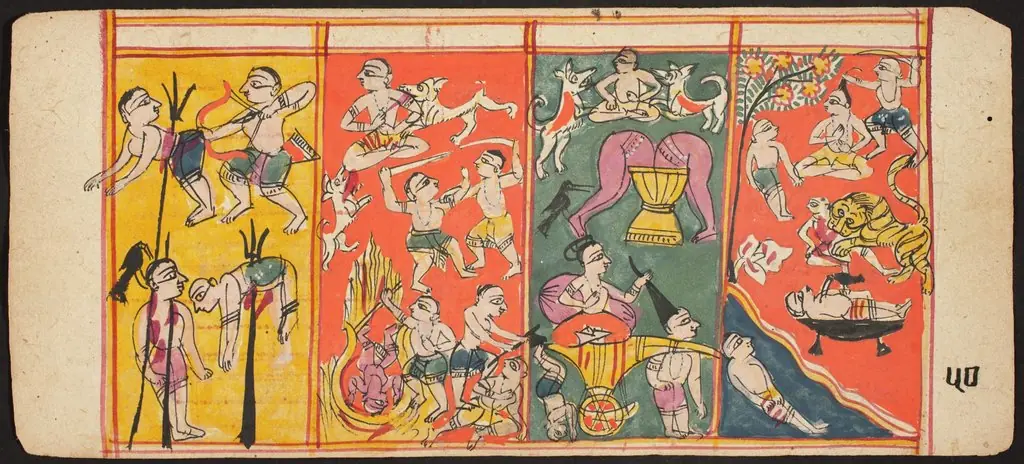
The manuscript illustrates key tantric concepts through symbolic figures and mandala-like compositions. Deities, mudras, and cosmic diagrams represent the union of wisdom and method, central to tantric philosophy. Each image functions as a visual aid for ritual visualization, guiding practitioners through complex spiritual pathways. The text and imagery together encode teachings meant for initiates, not general audiences.
Technique & Style
Painted in mineral pigments on palm leaf or paper, the work employs fine brushwork and flat, stylized forms typical of eastern Indian manuscript painting. Colors are muted yet deliberate, with gold accents highlighting sacred elements. Composition is tightly structured, emphasizing symmetry and hierarchical arrangement to reflect cosmic order and spiritual hierarchy.
History & Provenance
The manuscript likely originated in a monastic center in Bihar or Bengal, where tantric Buddhism flourished between the 10th and 13th centuries. Its survival suggests it was carefully preserved, possibly within a temple or scholarly lineage. Later collectors may have acquired it during colonial-era antiquities exchanges, though its early ownership remains undocumented.
Context
Produced during a period when tantric Buddhism was declining in India but thriving in Tibet and Nepal, the manuscript reflects a transitional phase in religious art. It aligns with broader trends in eastern Indian manuscript culture, where textual authority was reinforced through visual symbolism. Its creation coincided with the rise of devotional practices that integrated ritual, meditation, and iconography.
Legacy
Though not widely known outside specialist circles, the 'Sangrahani Sutra' contributes to understanding how esoteric Buddhist teachings were transmitted visually. It remains a key reference for scholars studying the intersection of text and image in tantric traditions. Its preservation offers insight into the material culture of monastic communities that valued both intellectual and sensory engagement with doctrine.
Artist & collection

 Domestic Scene
 Giacomo and Cardinal Marco, investing Andrea, Abbot of San Zeno, with his Benefice
 The Nymph of Fontainebleau
 Portrait of a Woman
 Madonna and Child with Saints in the Enclosed Garden
 Venus and Minerva
 Family Group of Four on Sofa
 Wall painting from Room H of the Villa of P. Fannius Synistor at Boscoreale
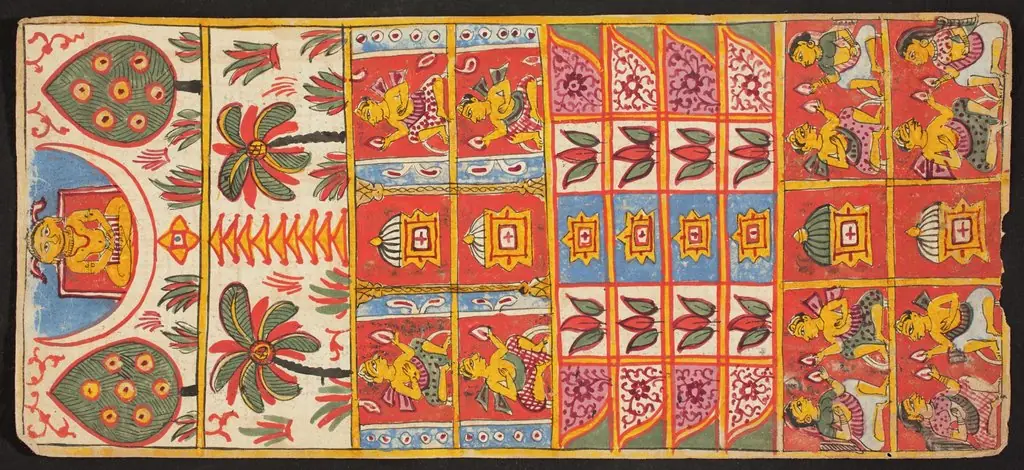 Tantric Manuscript "Sangrahani Sutra"
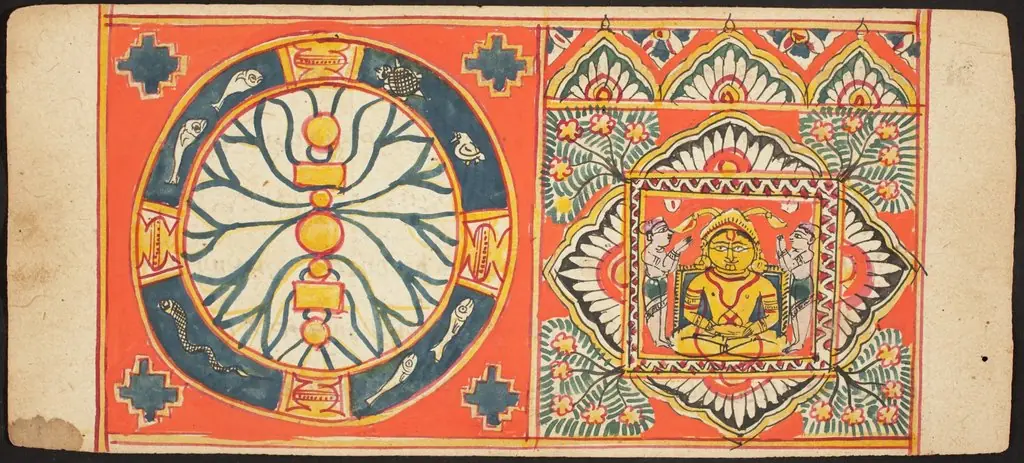 Tantric Manuscript "Sangrahani Sutra"
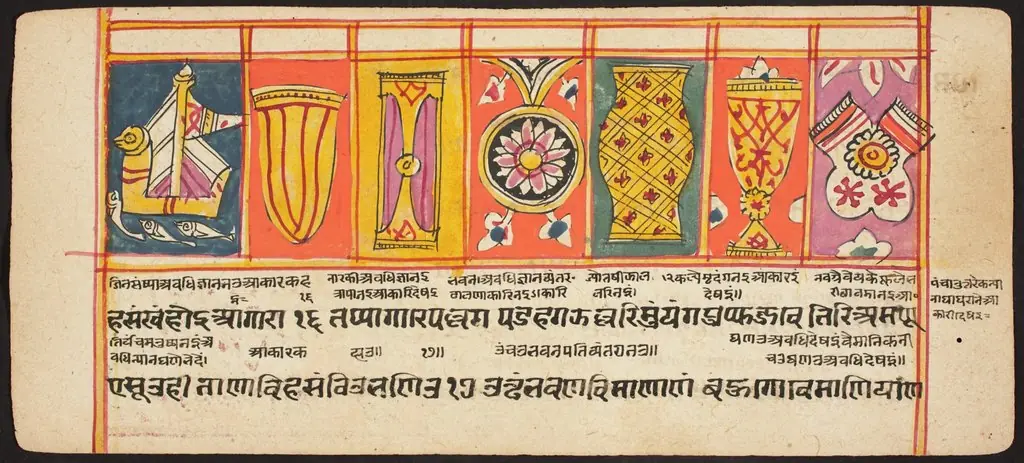 Tantric Manuscript "Sangrahani Sutra"
 Tantric Manuscript "Sangrahani Sutra"
 Tantric Manuscript "Sangrahani Sutra"
 Tantric Manuscript "Sangrahani Sutra"
 Tantric Manuscript "Sangrahani Sutra"
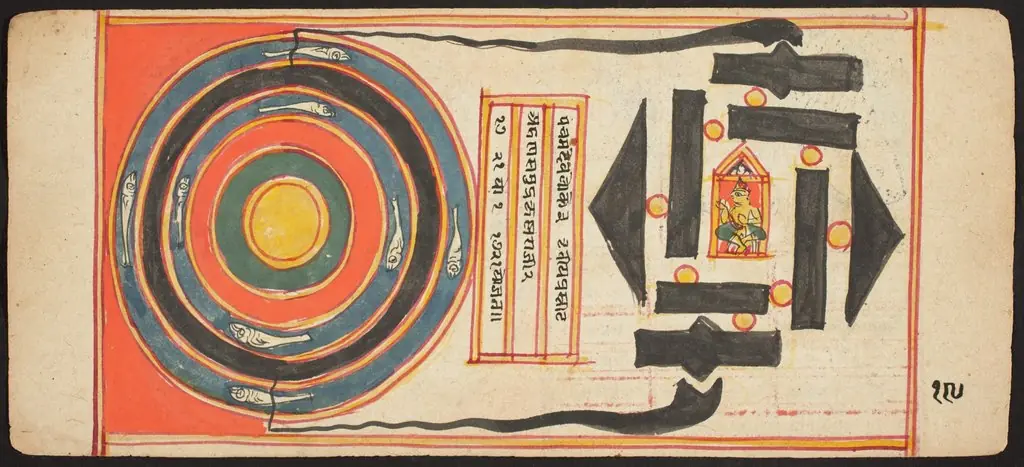 Tantric Manuscript "Sangrahani Sutra"
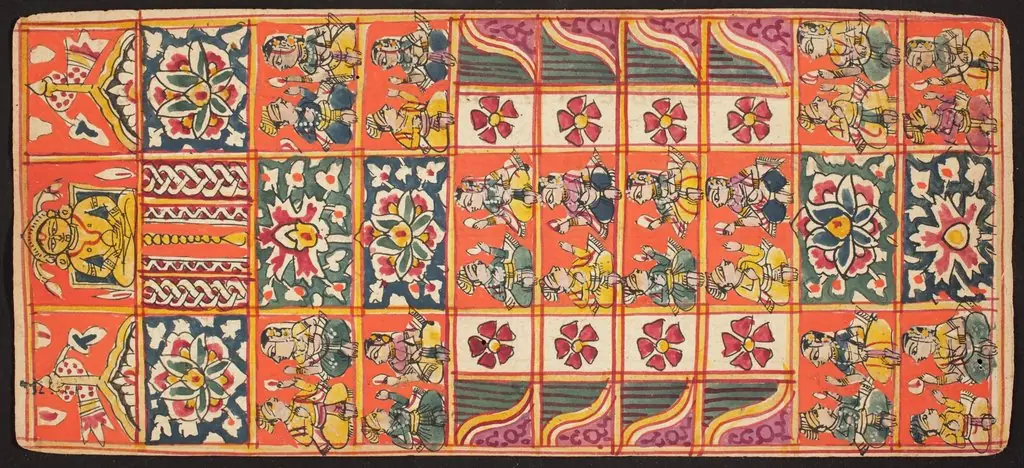 Tantric Manuscript "Sangrahani Sutra"
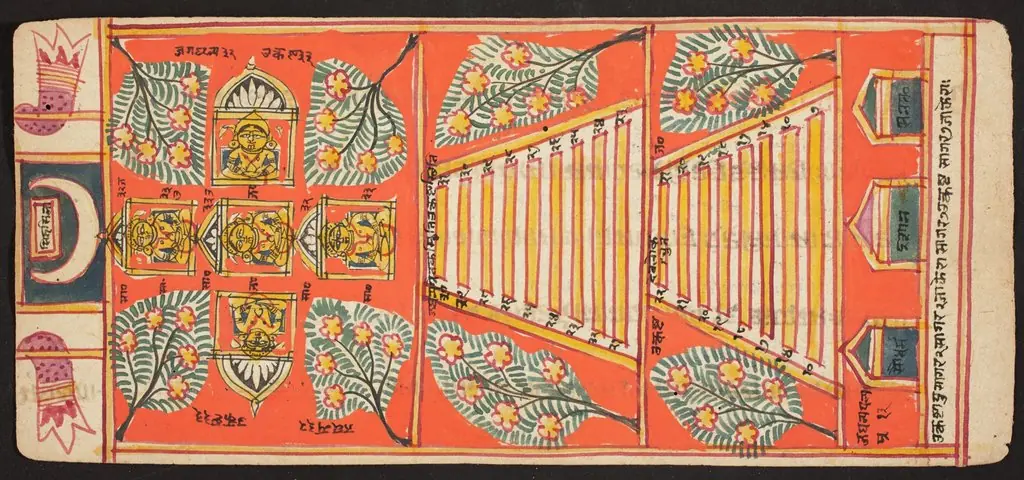 Tantric Manuscript "Sangrahani Sutra"
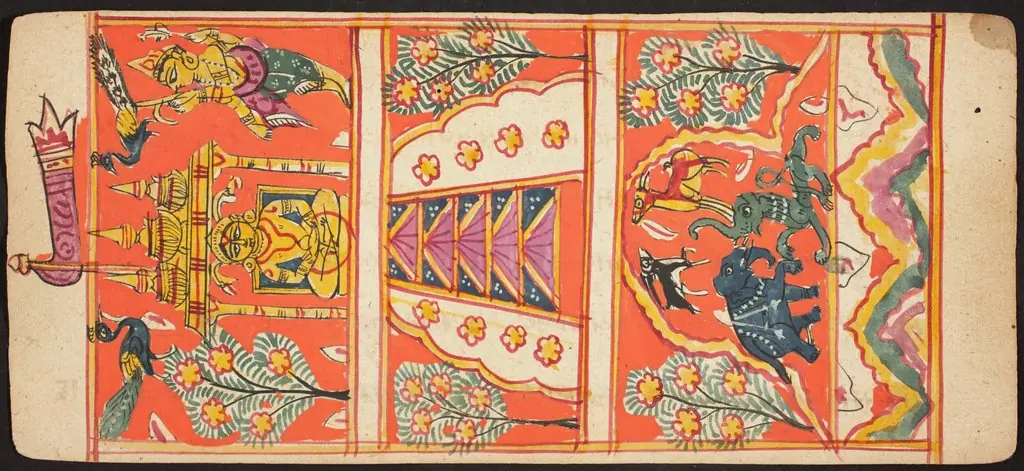 Tantric Manuscript "Sangrahani Sutra"
 Tantric Manuscript, "Sangrahani Sutra"