Artwork
Untitled
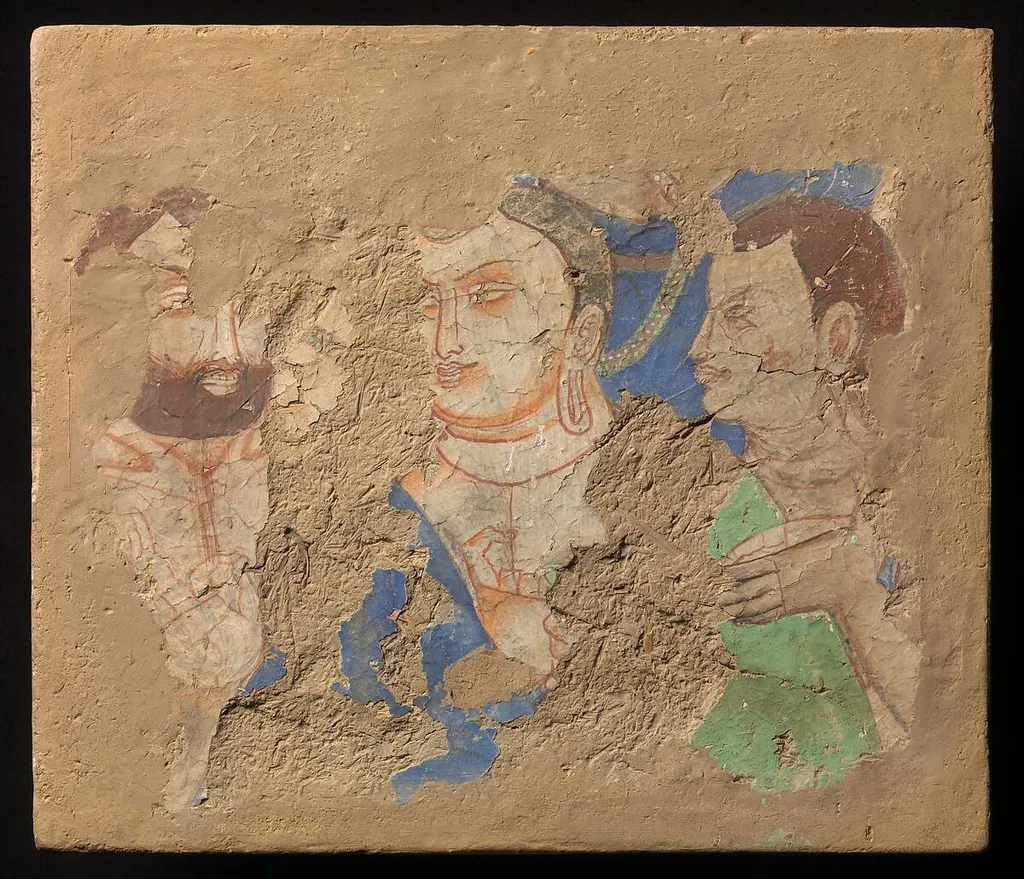
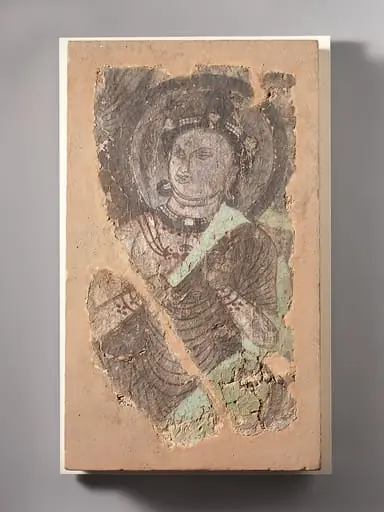
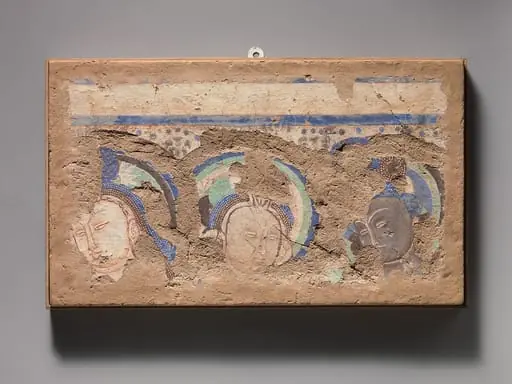
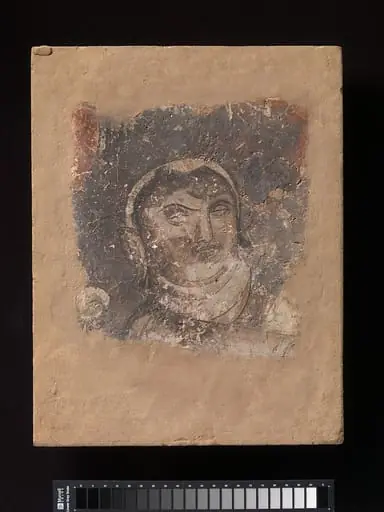
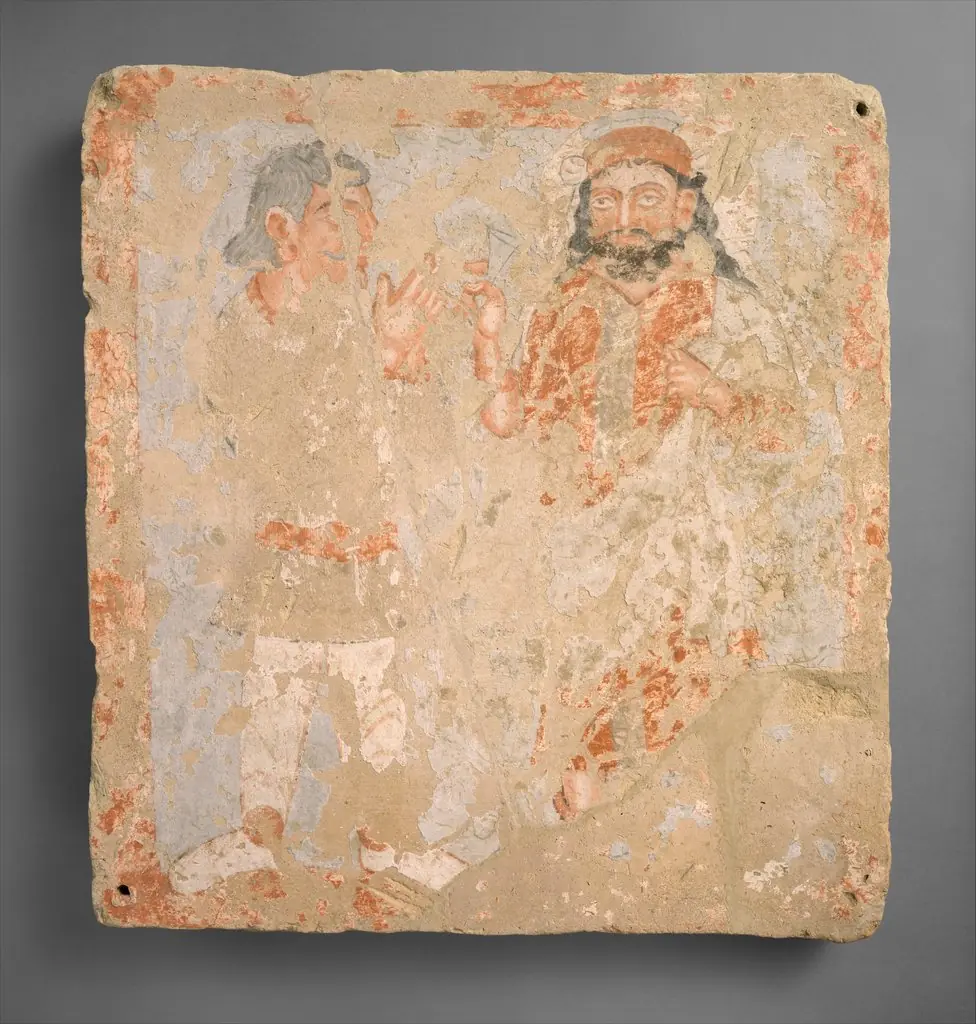
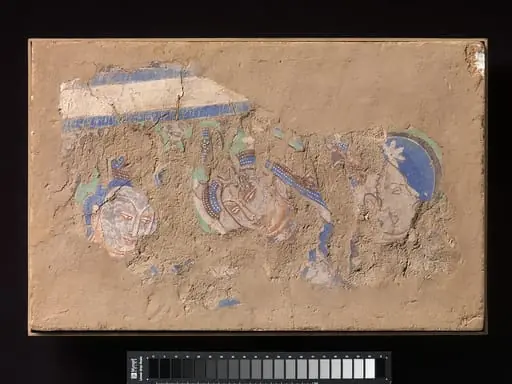
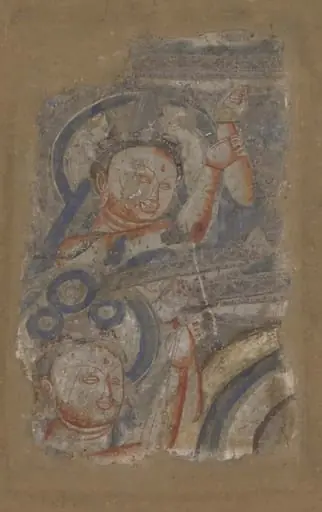
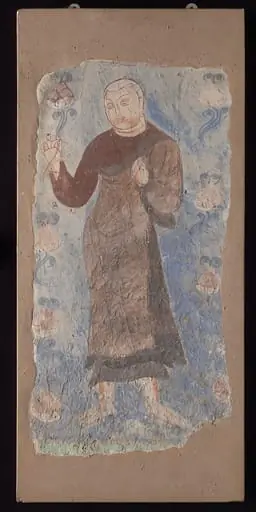
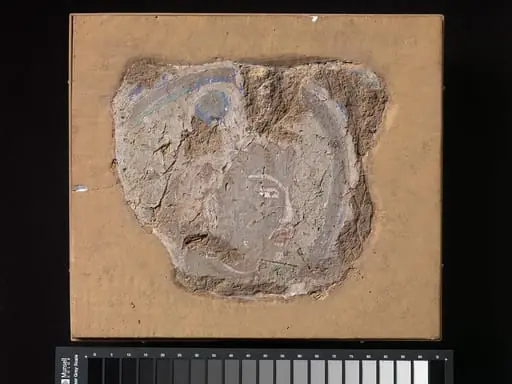
Untitled is an unspecified painting. It dates from 600 and is held in the collection of the Metropolitan Museum of Art. This mural, executed in pigments applied directly onto wet mud plaster, portrays a Buddha seated in the lotus position.
About this work
Overview
This mural, executed in pigments applied directly onto wet mud plaster, portrays a Buddha seated in the lotus position. The figure is depicted with one hand raised in a gesture associated with teaching, and the overall image appears faded due to age.
Subject & Meaning
The central figure is the Buddha, a common iconographic subject in Buddhist art. The cross‑legged posture on a lotus symbolizes enlightenment, while the raised hand conveys the transmission of doctrine, reflecting the work’s devotional purpose.
Technique & Style
The artist employed the fresco‑like method of painting on freshly laid mud plaster, allowing pigments to be absorbed as the surface dried. This technique, known for its durability, has preserved the colors for more than a millennium despite the cave’s later sealing.
History & Provenance
Created within a cave temple located in present‑day western China, the mural remained hidden after the cave was sealed and forgotten. Its survival through centuries of neglect attests to the resilience of the wet‑plaster painting method.
Context
Cave temples in western China served as important sites for Buddhist worship and artistic production. Murals such as this one contributed to the visual transmission of Buddhist teachings along Silk Road routes, linking local practice to broader religious networks.
Artist & collection