Artwork
Untitled
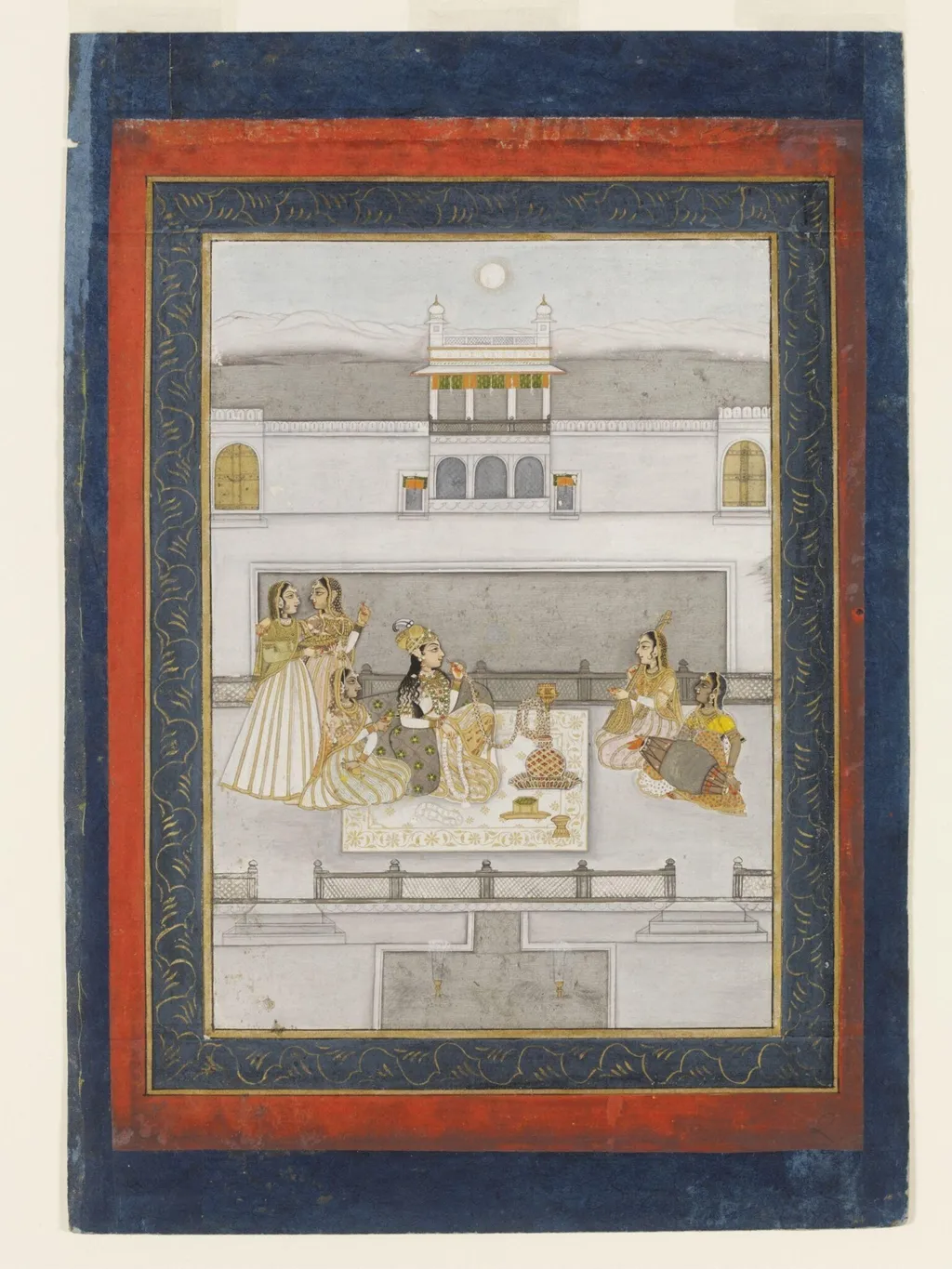
Untitled is a paint painting by the Patna School of Painting artist Unknown. It dates from 1760 and is held in the collection of the Victoria and Albert Museum.
About this work
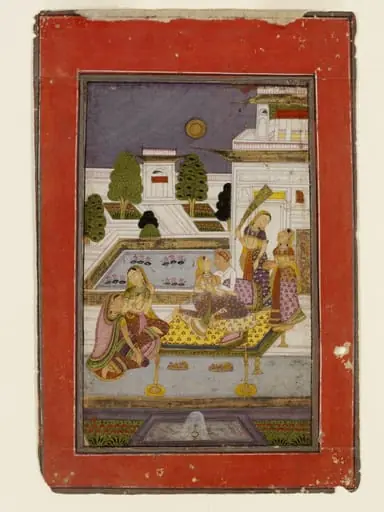
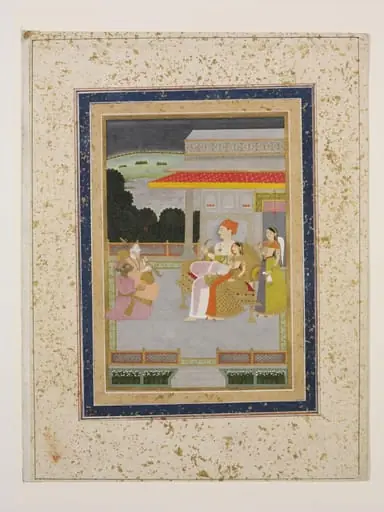
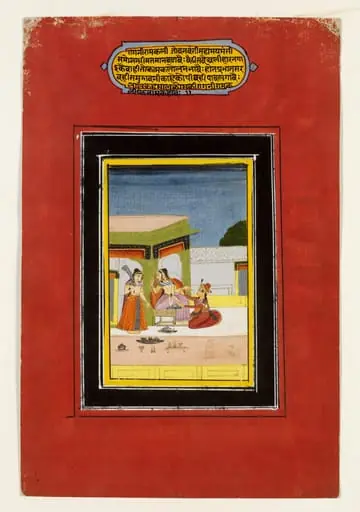
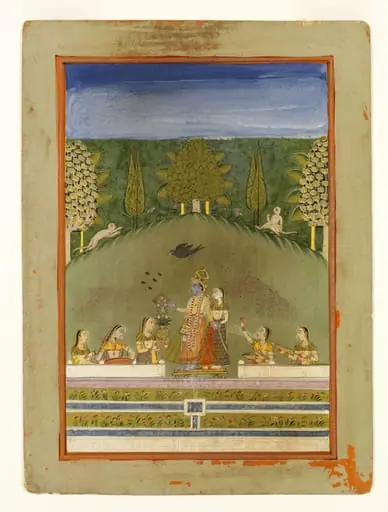
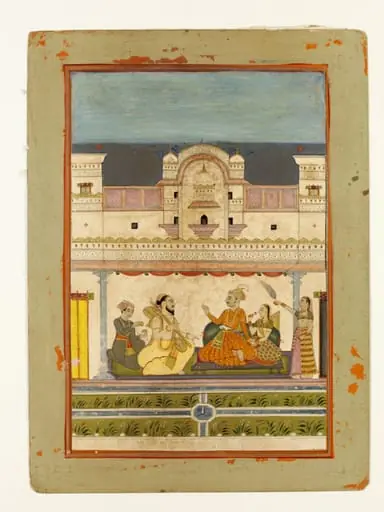
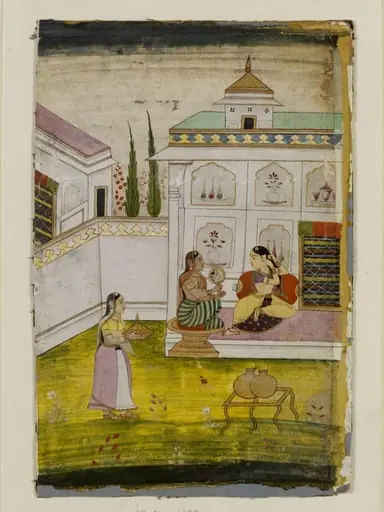
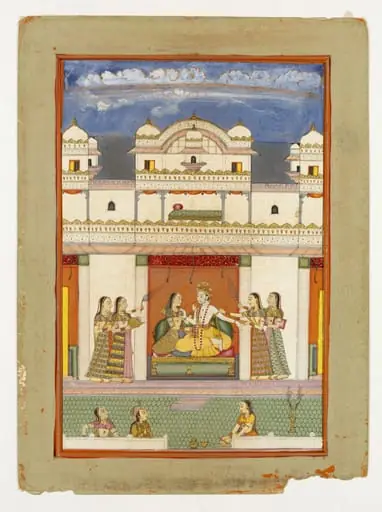
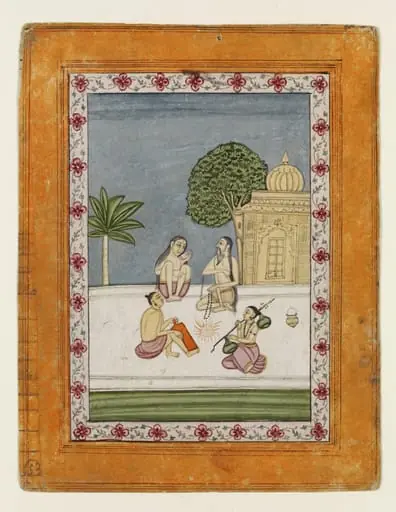
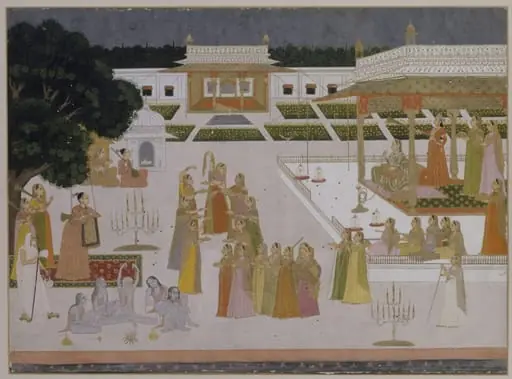
This painting shows a quiet scene with a silvery color palette.
It has a restrained mood, which is pretty unusual.
The painting's style is interesting because it's from the Murshidabad style of painting, which was popular in the mid 18th century.
This style is characterized by its calm and simple compositions.
You can learn more about this style by looking into the technique of chiaroscuro.
Overview
This painting, untitled, exemplifies the Murshidabad school’s aesthetic from the mid-18th century. Its subdued tonality and minimal narrative focus distinguish it from more ornate contemporary traditions. The work avoids dramatic action, instead favoring stillness and quiet observation, reflecting regional preferences for introspective composition.
Subject & Meaning
The scene depicts no identifiable figures or events, offering no clear story or symbolic message. Its power lies in atmosphere rather than narrative—empty spaces, muted gestures, and unadorned settings invite contemplation. This absence of explicit meaning aligns with Murshidabad’s broader tendency to prioritize mood over storytelling.
Technique & Style
The palette is dominated by soft grays, pale blues, and muted silver tones, applied with even brushwork that avoids sharp contrasts. Forms are simplified, outlines delicate, and light is diffused rather than modeled. While chiaroscuro is not employed, the subtle gradations of tone create depth without theatricality.
History & Provenance
The work originates from the courtly ateliers of Murshidabad, Bengal, during a period of political transition under Nawabi patronage. As Mughal influence waned, regional styles like this one emerged with distinct local sensibilities. Its survival suggests it was preserved within elite collections, though its exact provenance remains undocumented.
Context
Murshidabad painting developed as a regional offshoot of Mughal miniatures, adapting to local tastes and reduced imperial resources. Artists favored calm, spacious compositions over crowded court scenes. This shift mirrored broader cultural changes, where introspection and restraint replaced grandeur as markers of refined taste.
Legacy
The painting’s quietude influenced later regional styles in eastern India, particularly in the emphasis on tonal harmony and emotional restraint. Though not widely exhibited, it remains a touchstone for scholars studying the evolution of Bengali painting beyond Mughal conventions, illustrating how local identity reshaped artistic expression.
Artist & collection

 Domestic Scene
 Giacomo and Cardinal Marco, investing Andrea, Abbot of San Zeno, with his Benefice
 The Nymph of Fontainebleau
 Portrait of a Woman
 Madonna and Child with Saints in the Enclosed Garden
 Venus and Minerva
 Family Group of Four on Sofa
 Wall painting from Room H of the Villa of P. Fannius Synistor at Boscoreale