Artwork
Untitled
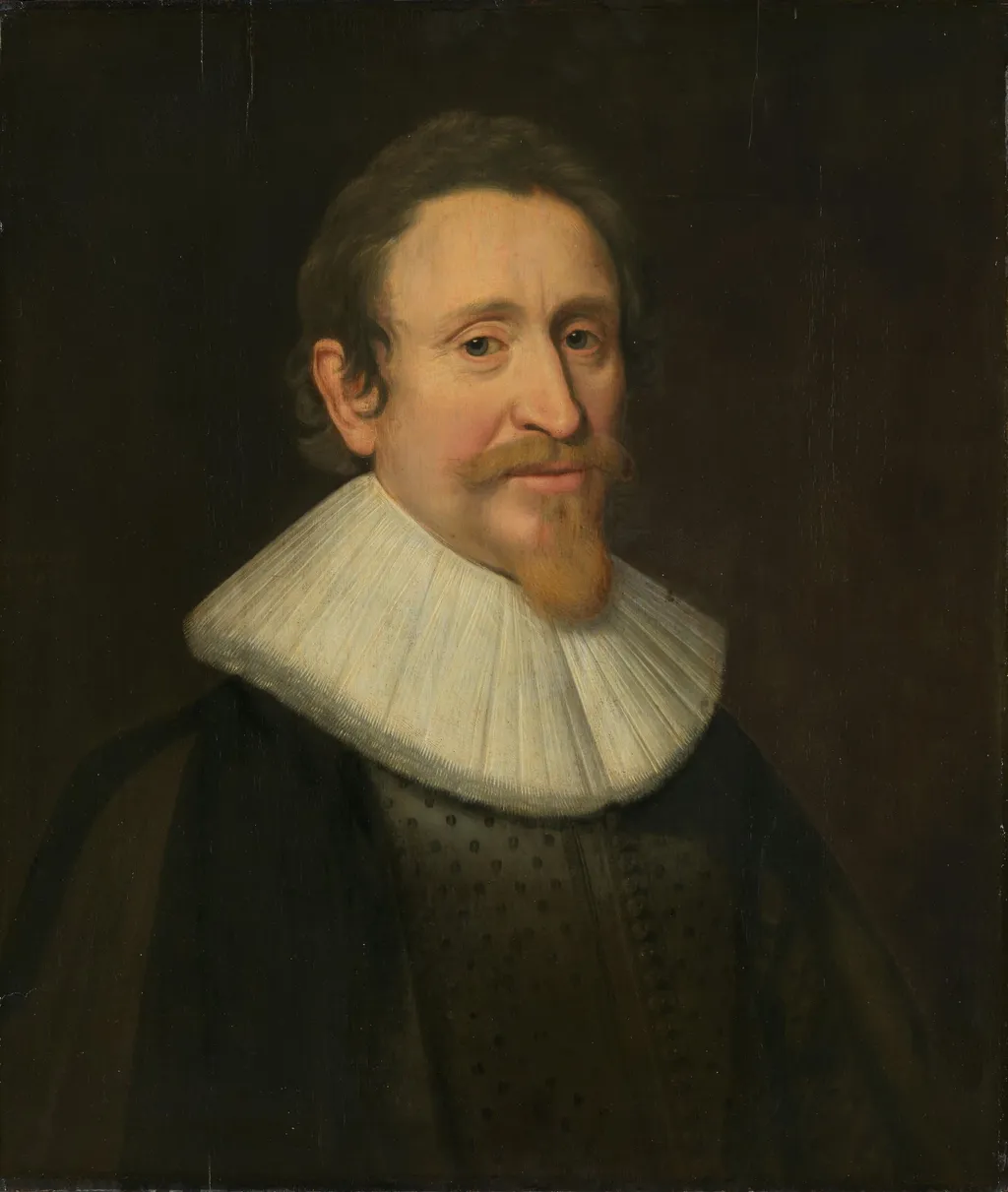
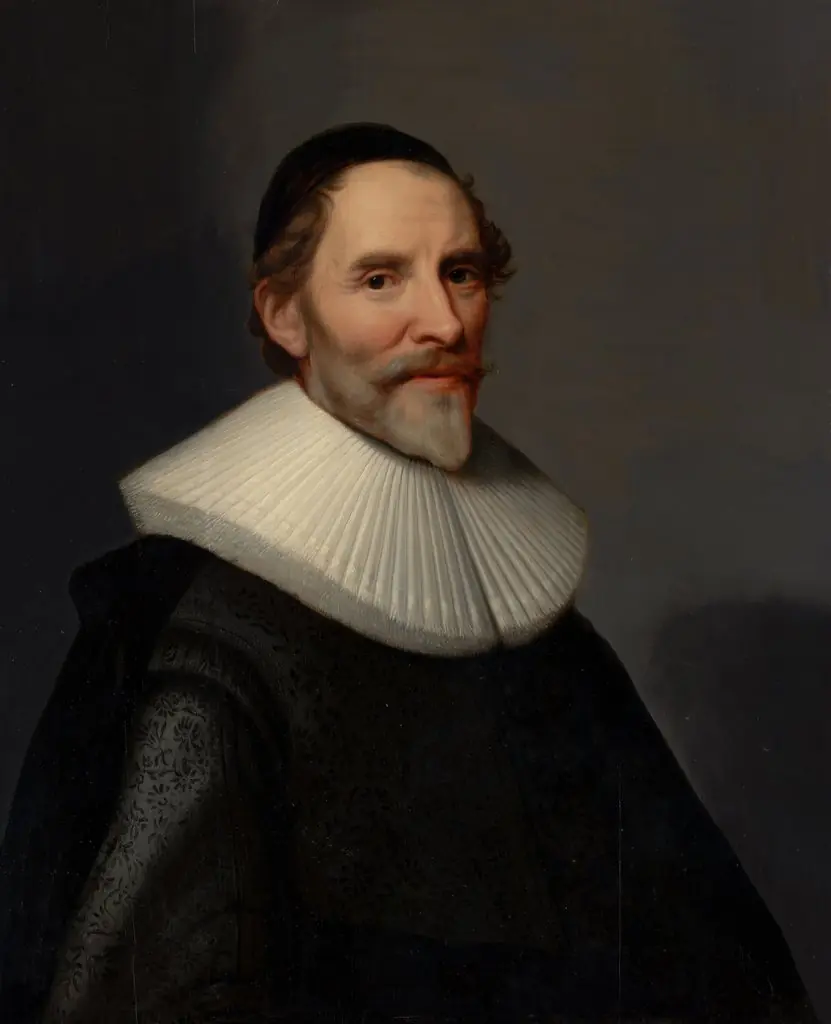
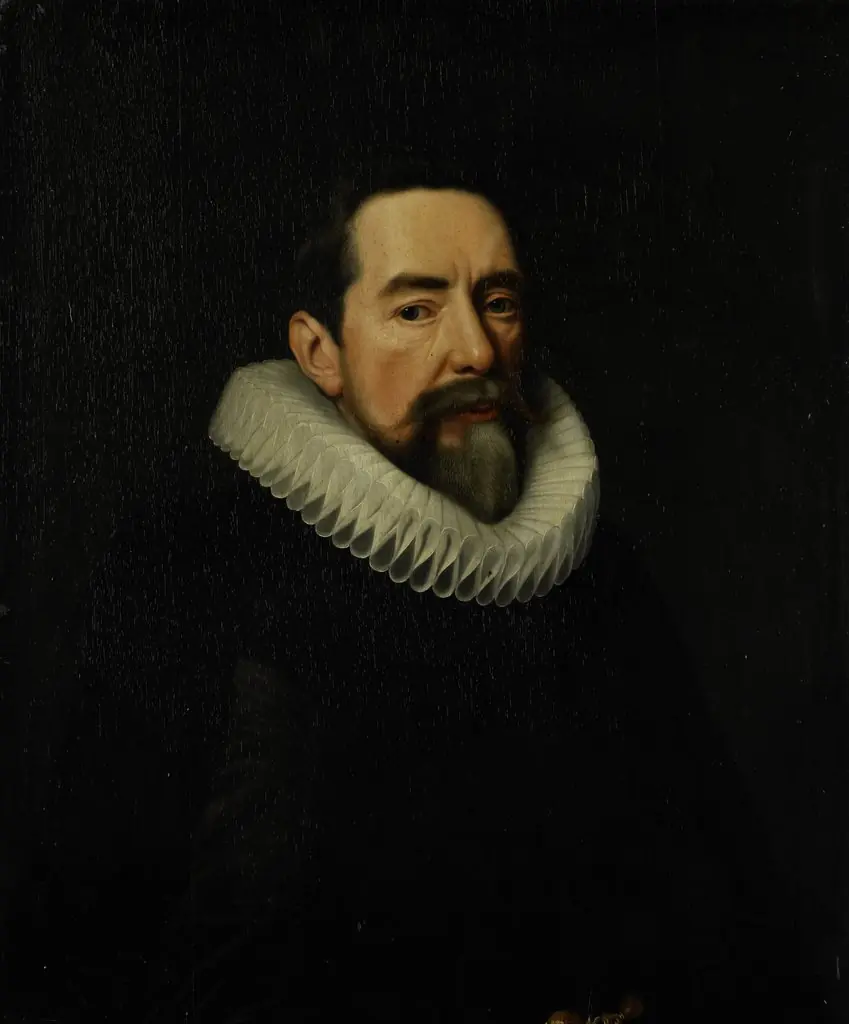
Untitled is an unspecified painting by the Dutch Golden Age artist Unknown. It dates from 1631 and is held in the collection of the Rijksmuseum. This small oil painting is a 17th-century copy of a portrait originally completed in 1631 by Michiel van Miereveld.
About this work
The original was painted in 1631, right after Grotius escaped house arrest—he was locked up for political reasons.
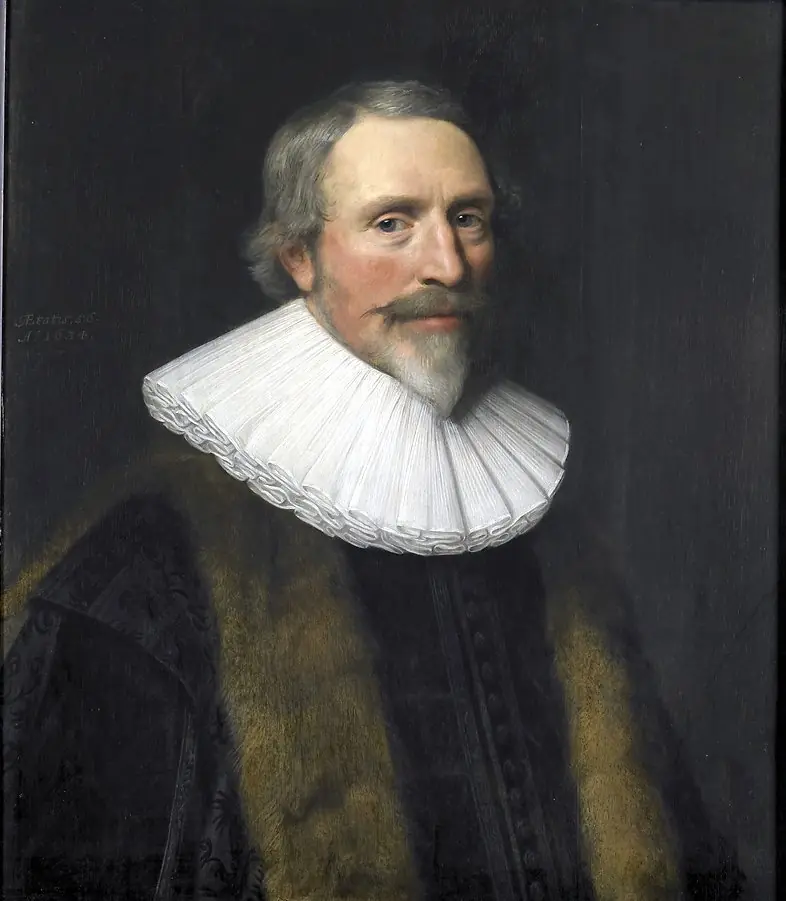
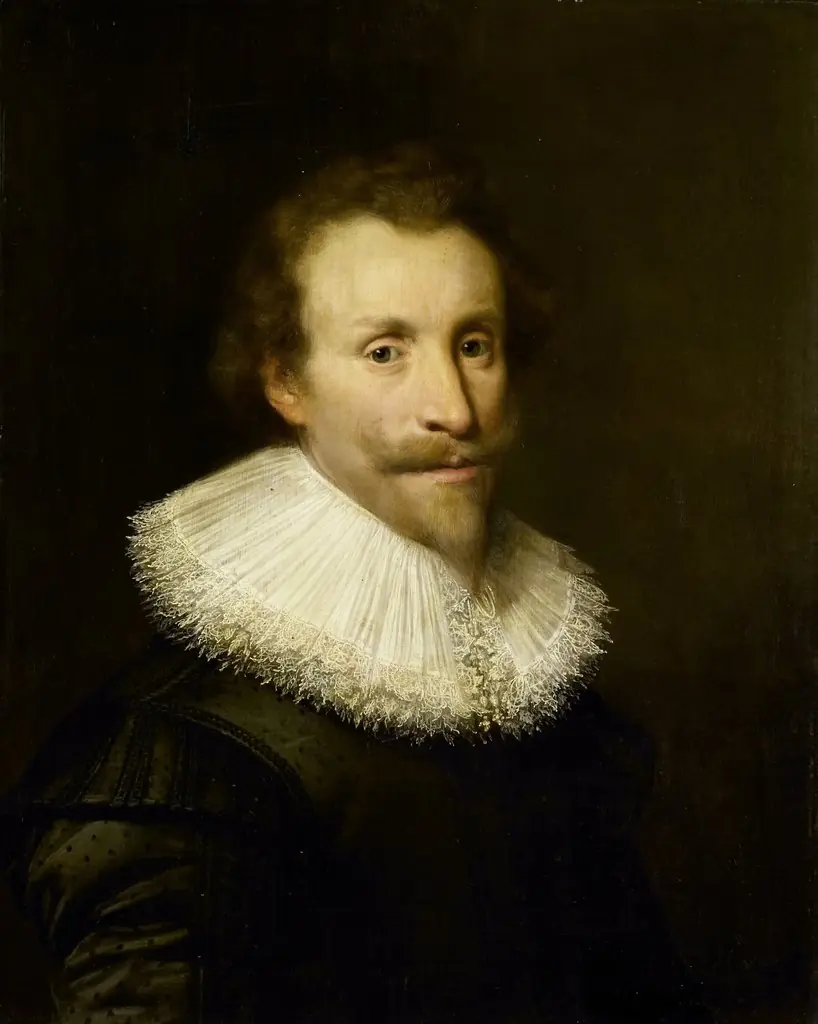
You see a man in a dark coat and white collar, his face calm and serious. The painting is small, almost like a passport photo.
This is a copy of a portrait of Hugo Grotius, a Dutch thinker who helped shape modern laws about war and the sea. The original was painted in 1631, right after Grotius escaped house arrest—he was locked up for political reasons. The copy might have been made to share his image with supporters.
To see more portraits like this, visit the Rijksmuseum.
Overview
This small oil painting is a 17th-century copy of a portrait originally completed in 1631 by Michiel van Miereveld. It depicts Hugo Grotius, a Dutch jurist and political thinker, shortly after his escape from imprisonment. The image was widely reproduced, reflecting his status as a symbol of intellectual resistance and legal scholarship during a turbulent period in Dutch history.
Subject & Meaning
Hugo Grotius was a leading figure in the development of international law, known for his writings on maritime freedom and the ethics of war. His arrest in 1618 and dramatic escape from Loevestein Castle in 1621 turned him into a political martyr. This portrait, made during a brief return to the Netherlands, captures his composure amid personal and ideological conflict, reinforcing his image as a rational, steadfast thinker.
Technique & Style
The painting follows the restrained Dutch portraiture tradition of the time: a dark, unadorned coat, a crisp white collar, and a neutral background focus attention on the sitter’s face. The small scale and intimate format suggest a personal or commemorative purpose rather than public display. The brushwork is precise but unembellished, emphasizing clarity and dignity over ornamentation.
History & Provenance
The original portrait was painted in 1631, after Grotius’s escape and during a short stay in the Dutch Republic before his permanent relocation to France. Multiple copies were made and circulated among his supporters and intellectual circles. This version likely served to disseminate his likeness as a symbol of scholarly resilience, though its specific provenance before modern collection remains undocumented.
Context
Grotius’s life unfolded amid the political and religious divisions of the Dutch Revolt. His arrest followed a power struggle between the States Party, which he supported, and Prince Maurice’s faction. His writings, especially De iure belli ac pacis, gained influence across Europe, making his image a valuable emblem for those advocating legal order over arbitrary authority during the early modern era.
Legacy
Grotius’s legal theories laid groundwork for modern international law, and his portrait became a recurring visual reference in scholarly and political contexts. Copies like this one helped sustain his public presence after his death, ensuring his face remained associated with the principles of justice, reason, and the rule of law across generations and borders.
Artist & collection

 Domestic Scene
 Giacomo and Cardinal Marco, investing Andrea, Abbot of San Zeno, with his Benefice
 The Nymph of Fontainebleau
 Portrait of a Woman
 Madonna and Child with Saints in the Enclosed Garden
 Venus and Minerva
 Family Group of Four on Sofa
 Wall painting from Room H of the Villa of P. Fannius Synistor at Boscoreale