Artwork
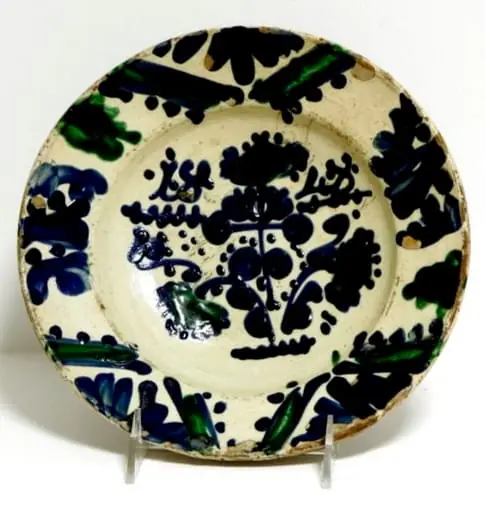
Vasul ceramic este de formă circulară, ușor adâncit, cu pereți evazați și ondulați. Decorul este amplasat pe două registre: primul registru se găsește la partea inferioară a buzei și se înscrie perimetral pe aceasta cu motive geometrice și florale (cercuri), al doilea registru este plasat central pe fundul vasului și prezintă același tip de motive. Cromatică: fond: alb-crem; motive: albastru; galben; verde; maro.
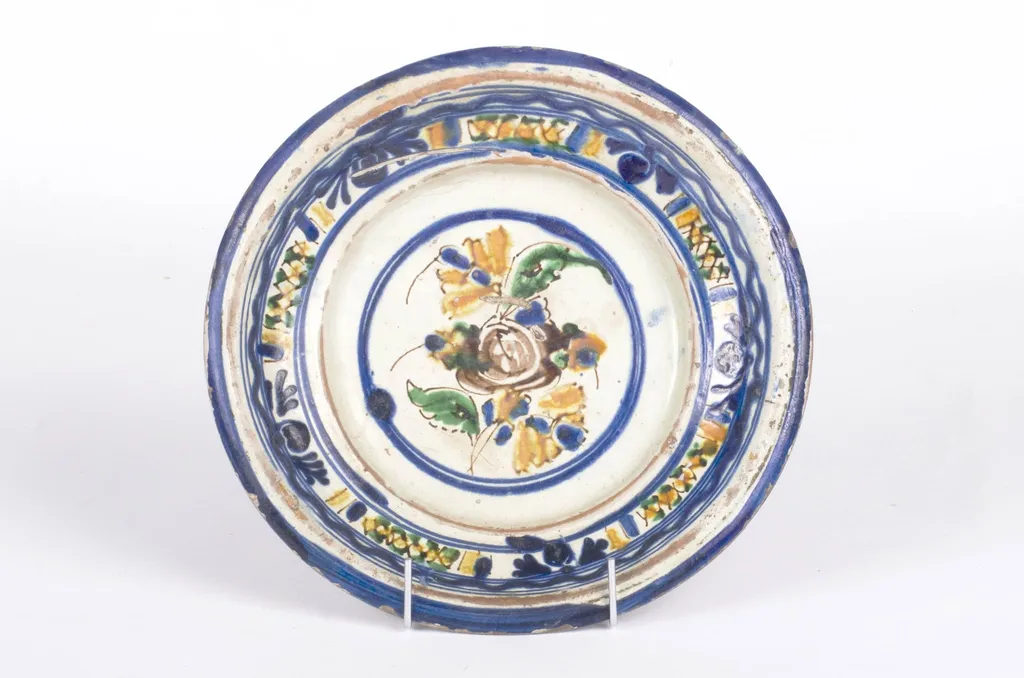
Vasul ceramic este de formă circulară, ușor adâncit, cu pereți evazați și ondulați. Decorul este amplasat pe două registre: primul registru se găsește la partea inferioară a buzei și se înscrie perimetral pe aceasta cu motive geometrice și florale (cercuri), al doilea registru este plasat central pe fundul vasului și prezintă același tip de motive. Cromatică: fond: alb-crem; motive: albastru; galben; verde; maro. is an unspecified painting by the Byzantine icon painting artist Unknown. It dates from 1850 and is held in the collection of the ASTRA National Museum Complex. The object is a shallow, circular ceramic vessel with a slightly indented profile and gently undulating walls.
About this work
Overview
The object is a shallow, circular ceramic vessel with a slightly indented profile and gently undulating walls. Its decorative scheme is organized in two horizontal bands: a lower register encircles the rim, while a central register occupies the interior floor. The palette is limited to a creamy white ground accented by bright blue, yellow, green and brown pigments.
Subject & Meaning
The ornamentation combines geometric and vegetal motifs. Repeating circles and stylized flowers are arranged in rhythmic sequences, reflecting a decorative tradition that emphasizes balance and symmetry rather than narrative content.
Technique & Style
The piece was painted with mineral pigments applied over a white slip, then fired to fix the colors. The use of bold outlines in cobalt‑blue to define motifs is characteristic of a regional ceramic style that favors clear, graphic surfaces and a limited chromatic range.
Context
Such vessels were typically used for serving or presenting food in domestic settings. The dual‑register layout and the combination of floral and circular designs align the work with broader patterns observed in historic pottery from the area, where functional forms were often embellished with stylized, non‑representational decoration.
Artist & collection

 Domestic Scene
 Giacomo and Cardinal Marco, investing Andrea, Abbot of San Zeno, with his Benefice
 The Nymph of Fontainebleau
 Portrait of a Woman
 Madonna and Child with Saints in the Enclosed Garden
 Venus and Minerva
 Family Group of Four on Sofa
 Wall painting from Room H of the Villa of P. Fannius Synistor at Boscoreale
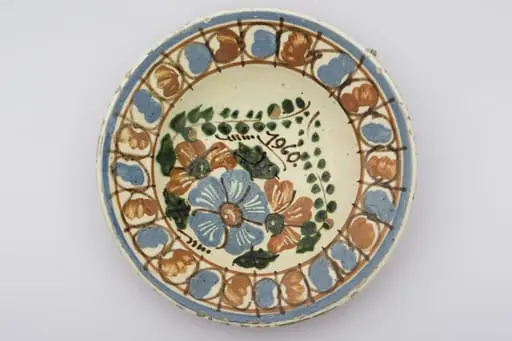 Recipient ceramic smălțuit, de formă tronconică, cu baza plată, pereții ușor ridicați și buza profilată. Peste stratul alb de angobă au fost realizate două registre ornamentate cu motive geometrizante și fitomorfe stilizate. Primul registru, situat pe fundul vasului este format din trei flori: una, centrală cu mijlocul maro și petalele albastre, celelalte două de culoare maro roșcat. Crenguțelor, pe care sunt poziționate florile, li se unesc vârfurile, deasupra cărora a fost trecută datare: „1960”. Marginal a fost realizat cel de-al doilea registru, format din boboci de culoare albastru și maro roșcat, despărțiți de linii verticale drepte. Două linii circulare drepte încadrează ultimul registru. Farfuria era utilizată în gospodărie pentru decorarea interioarelor. Prezintă uzură funcțională. Cromatică: fond: alb; motive: albastru; maro roșcat; verde.
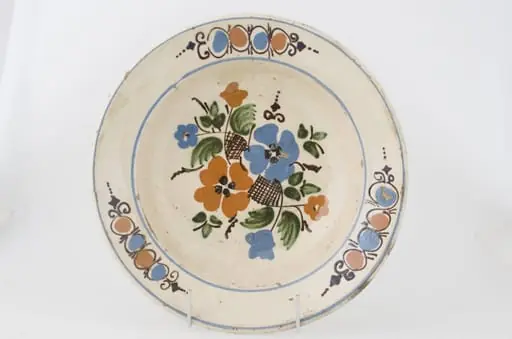 Farfuria este lucrată la roată, prezintă marginea evazată în plan orizontal fiind smălțuit în interior. Pe suprafața interioară a vasului se identifică registre decorative floral-vegetale dispuse pe fundul vasului și pe marginea interioară. Registrele sunt delimitate de două cercuri realizate prin pictare și dispuse pe buza vasului și spre interiorul acestuia. Cromatică: fond: alb; motive: roșu; albastru; verde; brun; maro.
 farfurie
 blid
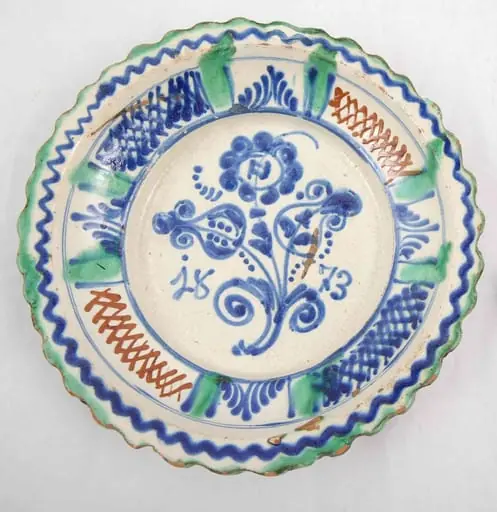
blid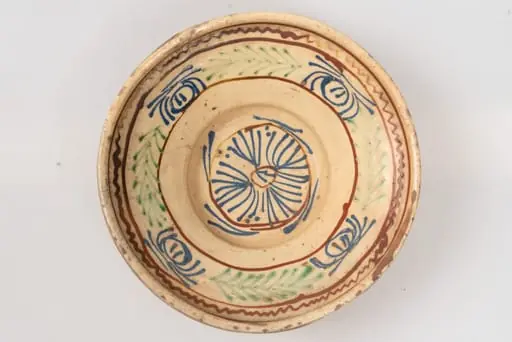 Farfurie adâncă, de tip castron, cu fund îngust, corp tronconic și buză dreaptă, verticală; este angobată pe fața interioară și pe suprafața exterioară a buzei cu un strat de humă albă. Este decorată prin pictare cu cornul cu motive florale și fitomorfe geometrizate: pe fundul farfuriei este pictată o floare cu petalele din linii subțiri albastre și centrul marcat cu un cerc mic maro, încadrată într-un cerc de asemenea de culoare maro. Peretele farfuriei este decorat cu patru grupuri de motive formate din linii verzi, sugerând o ramură cu frunze, intercalate de patru flori geometrizate, realizate din linii albastre. Decorul este completat cu trei linii circulare simple și o linie circulară ondulată. Suprafața ornamentată a farfuriei este acoperită cu un strat de smalț transparent. Cromatica: alb, verde, albastru, maro.
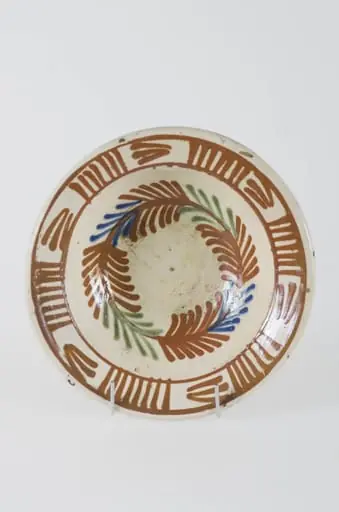 Blid de formă tronconică, lucrat la roată fiind smălțuit la interior cu smalț alb. Prezintă la exterior scurgeri de smalț și de vopsea. Buza este puternic profilată, îngroșată. Motivele decorative sunt vegetale, motivul brăduțului, pe fundul vasului, dispuse într-un registru circular, iar pe buza interioară se identifică un alt registru circular în interiorul căruia sunt pictate linii verticale paralele. Cromatică: fond: alb-gălbui; motive: cărămiziu; albastru; verde.
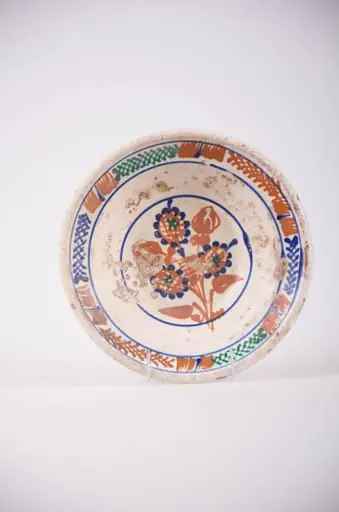 Farfurie de formă tronconică cu deschidere mare. Smălțuit în interior și ornamentat cu motive geometrice: cercuri; motive florale, pete de culoare și motiv vegetal: brăduț. Motivul floral se află pe fundul vasului și este înscris într-un cerc. Motivele vegetale și petele de culoare sunt amplasate pe marginea farfuriei și sunt încadrate de două cercuri. Cromatică: fond: alb; motive: maro; verde; albastru.