Artwork
Welcoming Descent of Jizō
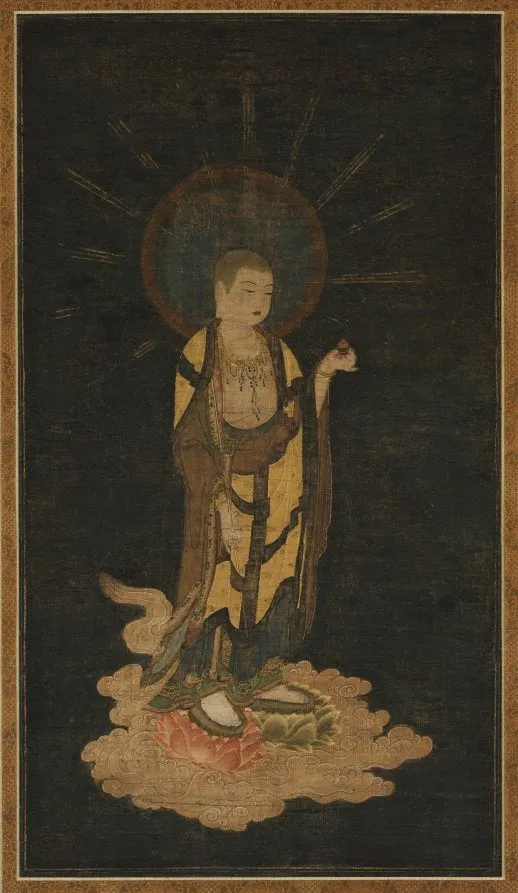
Welcoming Descent of Jizō is an unspecified painting by Unknown. It dates from 1204 and is held in the collection of the Cleveland Museum of Art.
About this work
The painting was made in Japan around 800 years ago, when artists often showed holy figures this way—calm, kind, and ready to help.
A golden-robed monk floats on clouds, one foot on a lotus blossom. He holds a glowing jewel in one hand and a staff in the other. Below him, a tiny figure kneels in prayer.
This is Jizō, a Buddhist helper who chooses to stay behind and rescue people from suffering. The painting was made in Japan around 800 years ago, when artists often showed holy figures this way—calm, kind, and ready to help. The lotus under his feet isn’t just decoration; it stands for purity in a messy world.
If you like this, look up *Japan, Kamakura period (1185–1333)* for more art from this time.
Overview
Welcoming Descent of Jizō is a Japanese painting from the Kamakura period (1185–1333), depicting the bodhisattva Jizō in a scene of compassionate intervention.
Subject & Meaning
Jizō, an enlightened being who forgoes Buddhahood to aid others, is shown rescuing a suffering believer. His attributes—a wish-fulfilling jewel and a staff with rings—emphasize his role in alleviating suffering and guiding towards enlightenment.
Technique & Style
The work features a golden-robed Jizō calmly floating on clouds, with one foot on a lotus blossom, conveying purity amidst turmoil. The composition reflects the period's artistic conventions, portraying holy figures as serene and benevolent.
History & Provenance
Created in Japan around 800 years ago, the painting's exact provenance is not specified, though its style is characteristic of the Kamakura period.
Context
The lotus beneath Jizō's feet symbolizes purity, a key Buddhist concept. The painting's themes and depiction align with the period's artistic and religious practices, highlighting Jizō's popular role in rescuing believers from suffering.
Legacy
As a representation of Jizō's compassionate nature, the painting contributes to the enduring artistic and religious significance of this bodhisattva in Japanese Buddhist tradition.
Artist & collection

 Domestic Scene
 Giacomo and Cardinal Marco, investing Andrea, Abbot of San Zeno, with his Benefice
 The Nymph of Fontainebleau
 Portrait of a Woman
 Madonna and Child with Saints in the Enclosed Garden
 Venus and Minerva
 Family Group of Four on Sofa
 Wall painting from Room H of the Villa of P. Fannius Synistor at Boscoreale
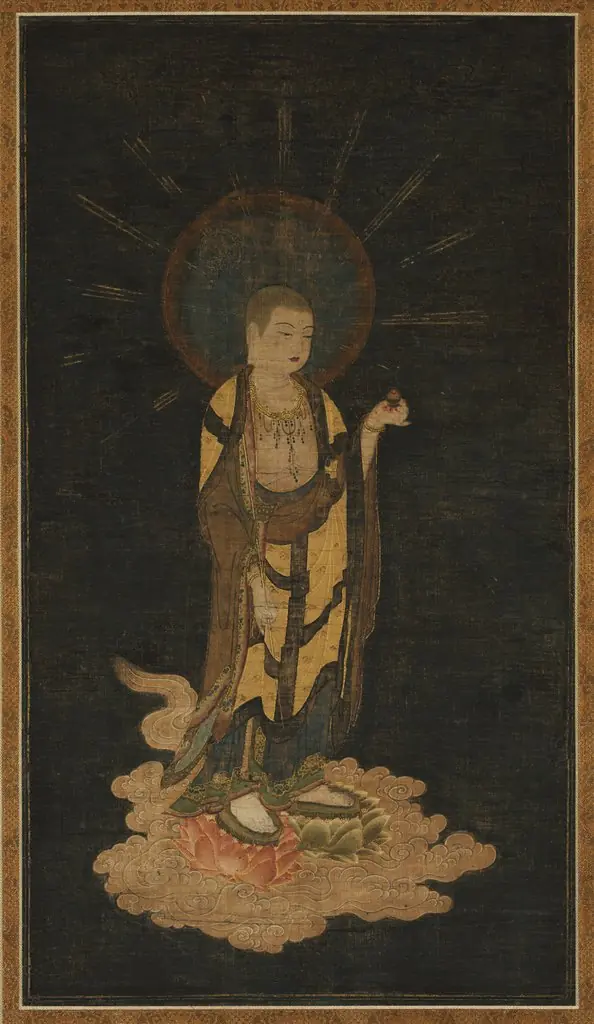 Welcoming Descent of Jizō
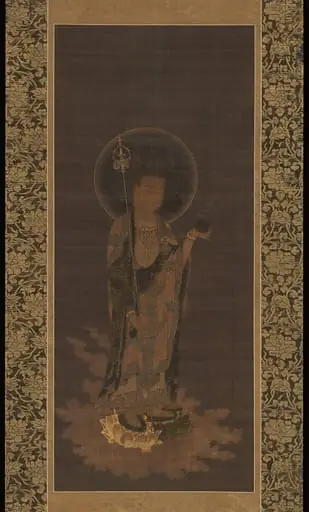 地蔵菩薩来迎図|Welcoming Descent of the Bodhisattva Jizō
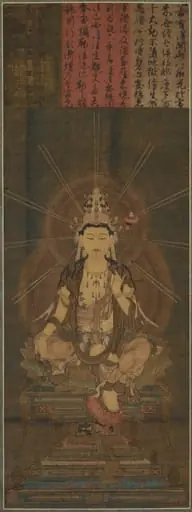 Miroku (Maitreya)
 Kannon
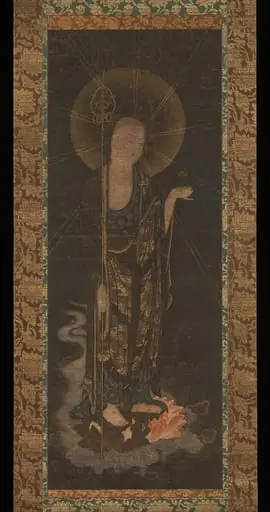 地蔵来迎図|Welcoming Descent of Jizō
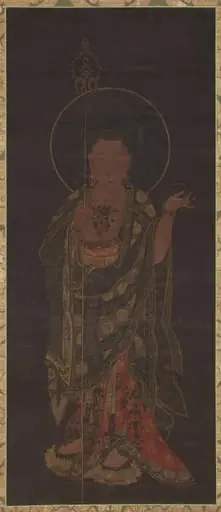 Standing Ksitigarbha
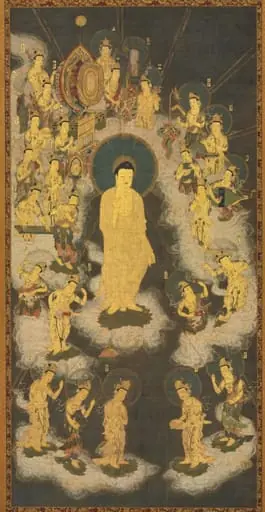 Welcoming Descent of Amida (Amida Raigō)
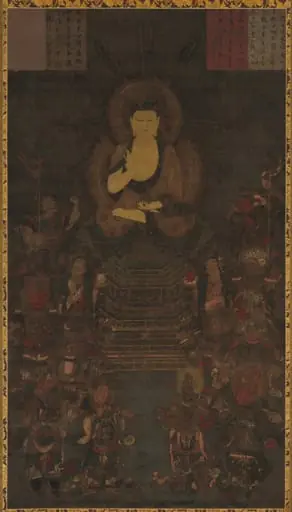 Medicine Master Buddha and the Twelve Divine Generals
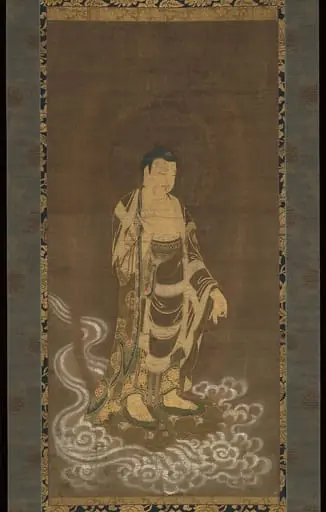 阿弥陀如来像|Welcoming Descent of Amida Buddha
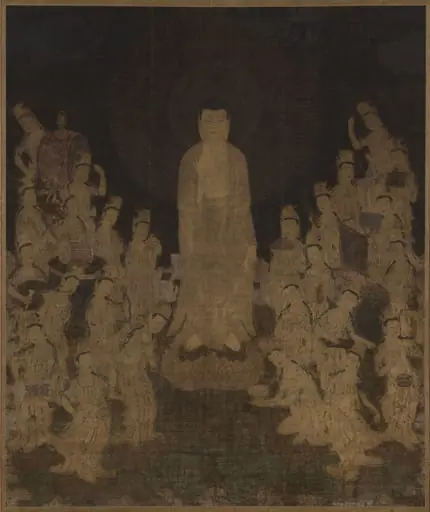 Welcoming Descent of Amida with Twenty-Five Bodhisattvas
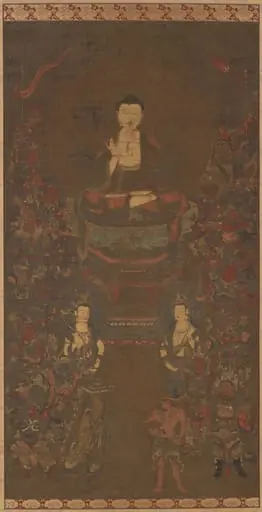 Shakyamuni with the Sixteen Benevolent Deities
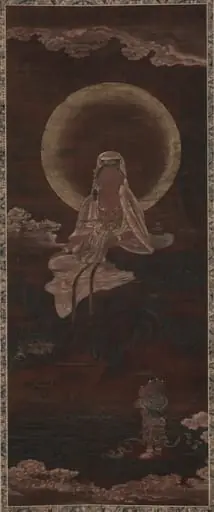 Water-Moon Kannon (Suigetsu Kannon)