Artwork
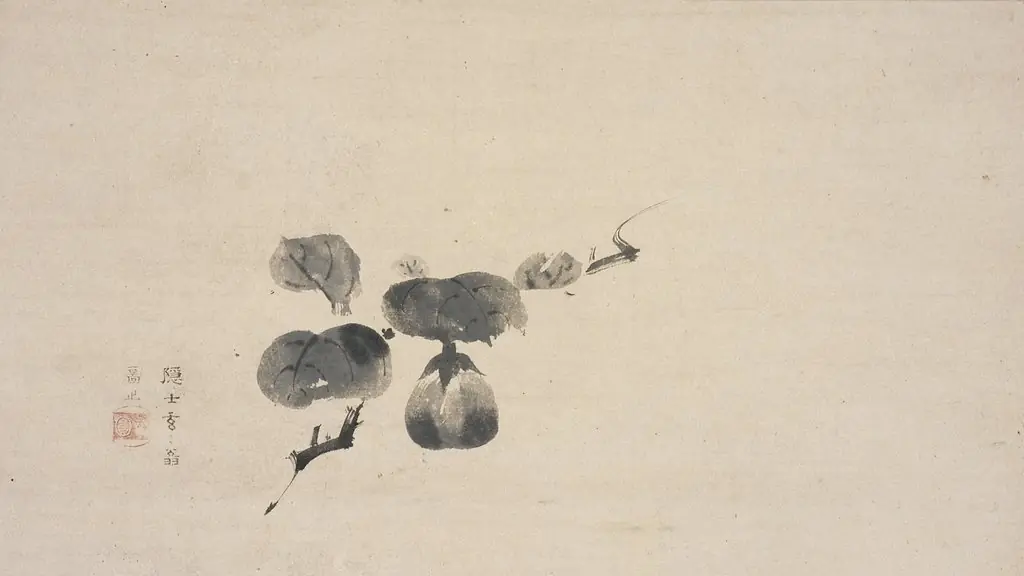
Eggplants and Poem
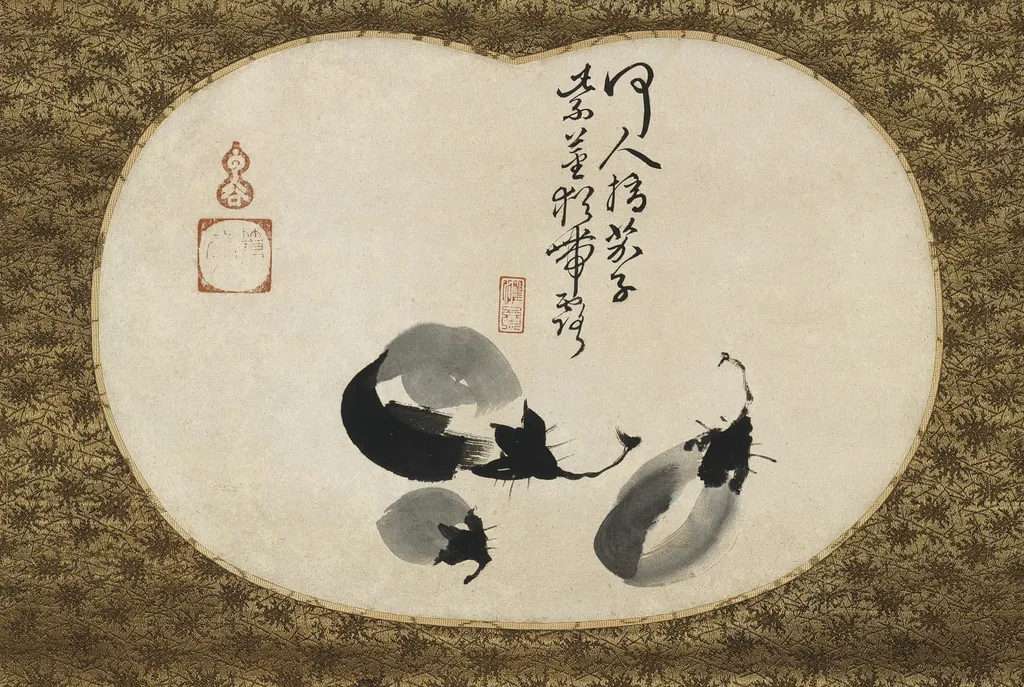
Eggplants and Poem is an unspecified painting by Unkoku Tōeki. It dates from 1600 and is held in the collection of the Detroit Institute of Arts.
About this work
Overview
Created around 1600 by the Japanese painter Unkoku Tōeki, “Eggplants and Poem” is a modestly sized work in the collection of the Detroit Institute of Arts.
Created around 1600 by the Japanese painter Unkoku Tōeki, “Eggplants and Poem” is a modestly sized work in the collection of the Detroit Institute of Arts. The composition centers on two dark‑toned eggplants rendered with visible brushwork, set against a pale beige ground. A vertical line of calligraphic characters and two red seals complete the image, producing a restrained yet balanced visual statement.
Subject & Meaning
The painting juxtaposes a simple still‑life of eggplants with a column of Japanese script, presumably a poem, suggesting a dialogue between visual and literary arts. The eggplants, common in Japanese cuisine, may symbolize abundance or seasonal change, while the accompanying verse invites contemplation, reinforcing a harmonious relationship between everyday objects and poetic expression.
Technique & Style
Tōeki employs a monochromatic palette for the vegetables, allowing the texture of the brushstrokes to convey form and volume. The light background provides a subtle contrast, emphasizing the dark fruit. The red seals—one square, one circular—are applied with a distinct, slightly raised ink, typical of Japanese artist’s marks that authenticate and personalize the work.
History & Provenance
The work dates to the early 17th century, a period when Japanese ink painting was transitioning toward more personal and poetic subjects. It entered the Detroit Institute of Arts’ collection through a mid‑20th‑century acquisition, though earlier ownership details remain undocumented, reflecting the often fragmentary record of works that moved from Japan to Western institutions.
Context
Unkoku Tōeki was a disciple of the Kanō school, known for integrating Chinese literati ideals with Japanese aesthetics. “Eggplants and Poem” exemplifies this synthesis, merging a modest still‑life with calligraphic text, a practice common among scholar‑artists who valued the interplay of painting, poetry, and seal carving as a unified artistic expression.
Artist & collection

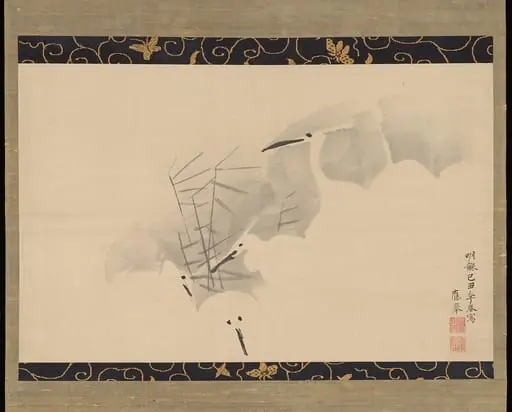 円山応挙筆 白鷺図|White Herons
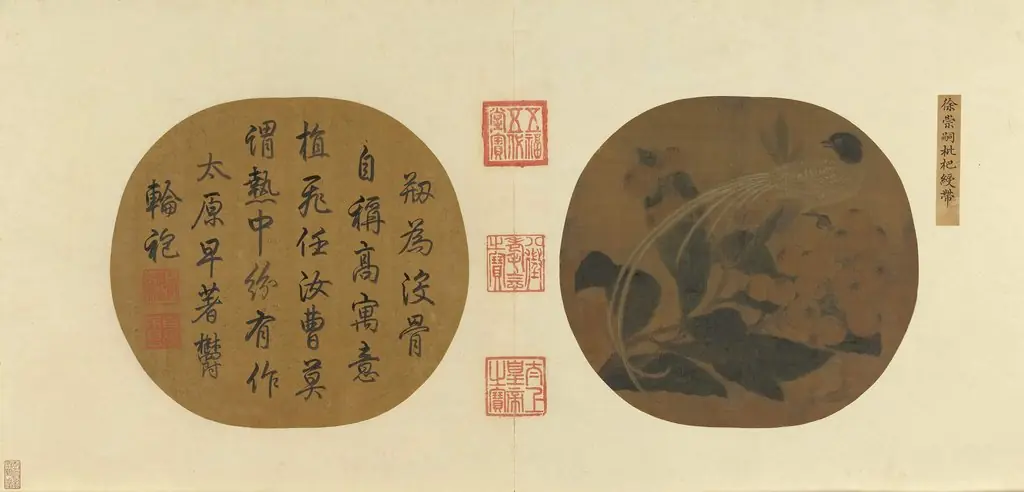 Flycatcher and Loquats
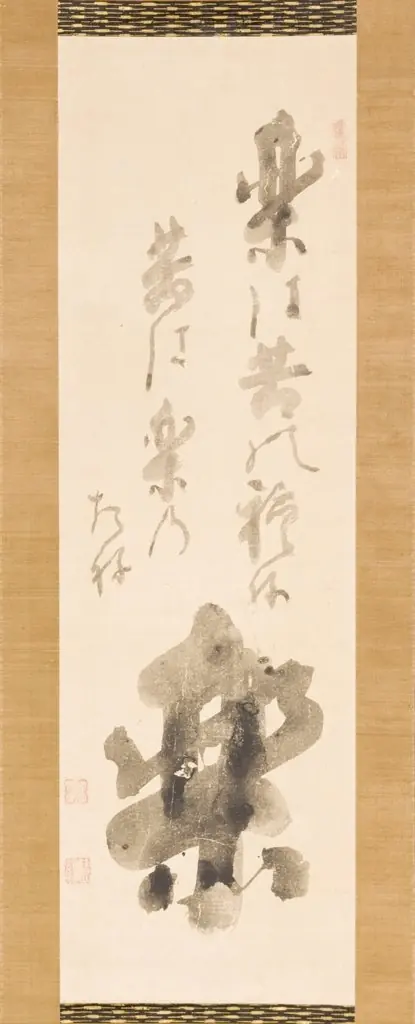 'JOY: In joy lie the seeds of sufferings; in sufferings lie the seeds of joy (RAKU: Raku wa kū no tane; Kū wa raku no tane)'
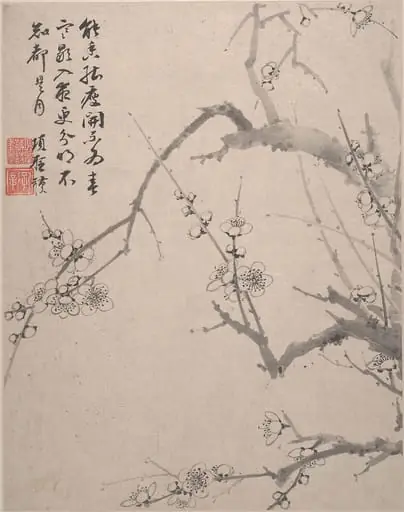 明/清 項聖謨 山水花鳥圖 冊|Landscapes, Flowers and Birds
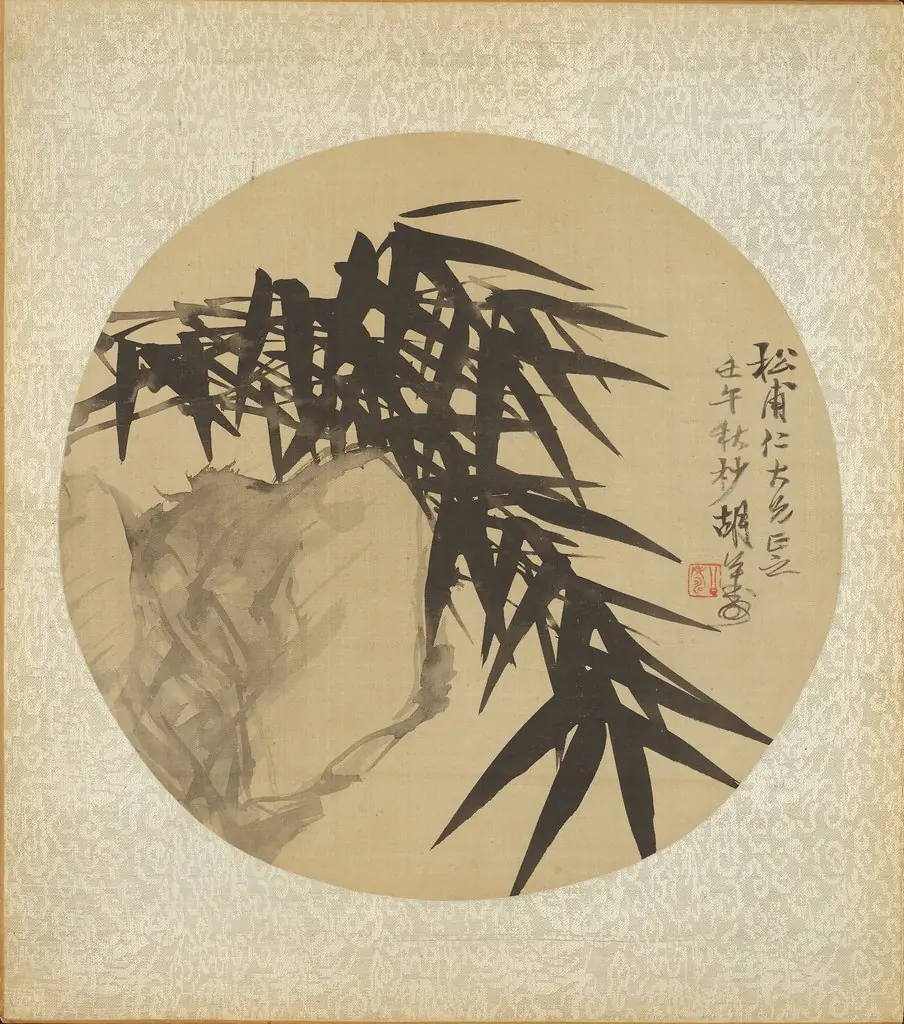 One of Sixteen Album Leaves
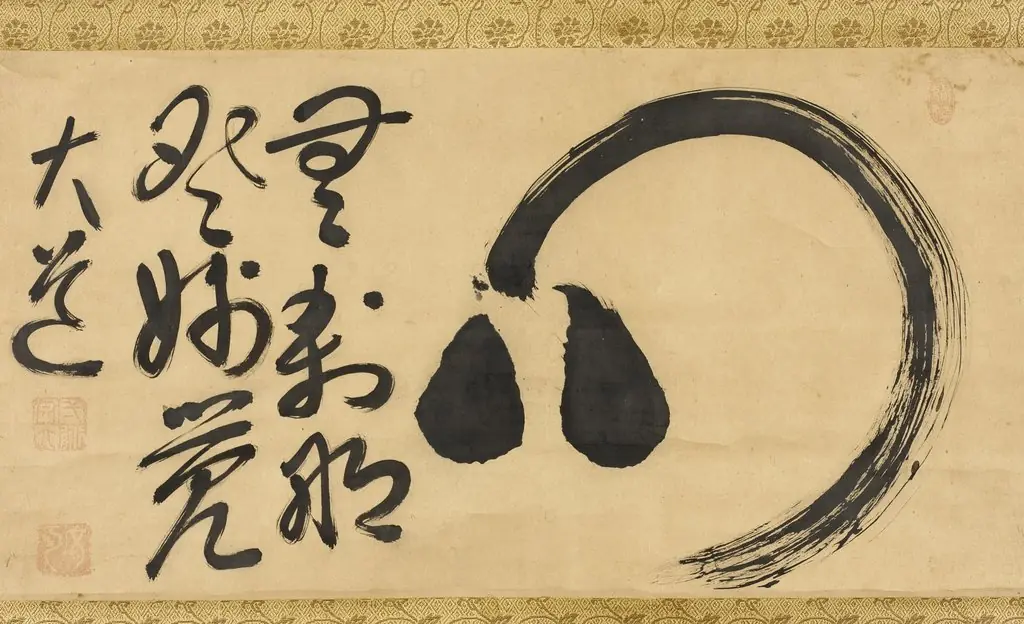 The Character for "Heart/Mind" as an Ensō
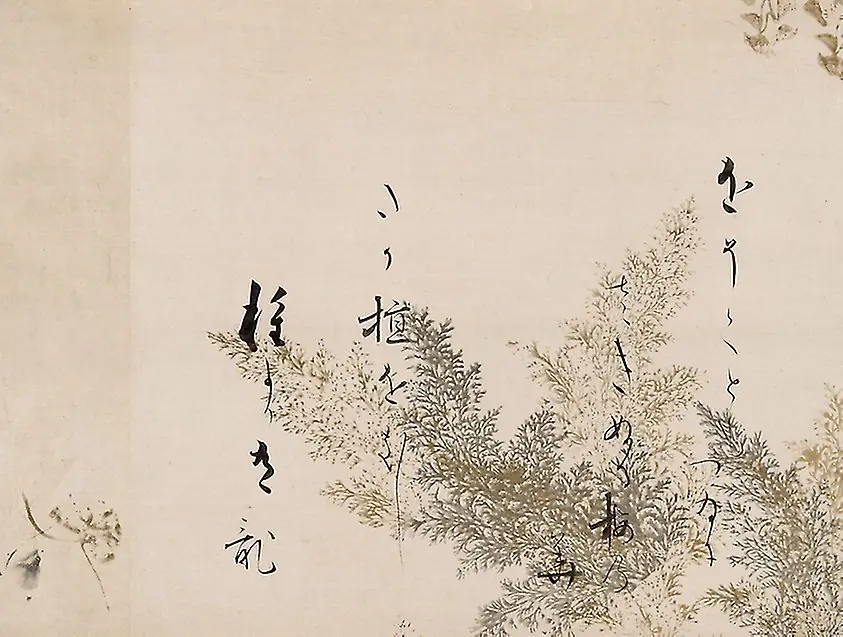 A Poem from the Shin Kokinshu with Design of Shinobugusa Grasses
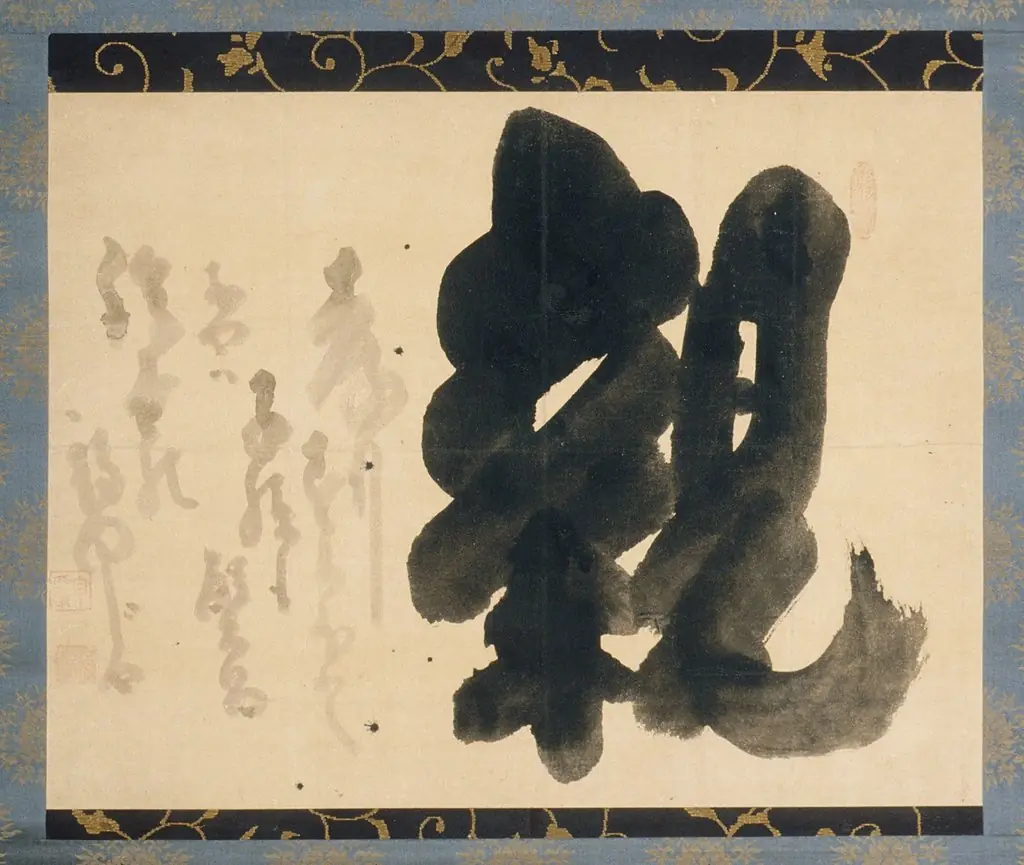 Oyakōkō: Love for One's Parents
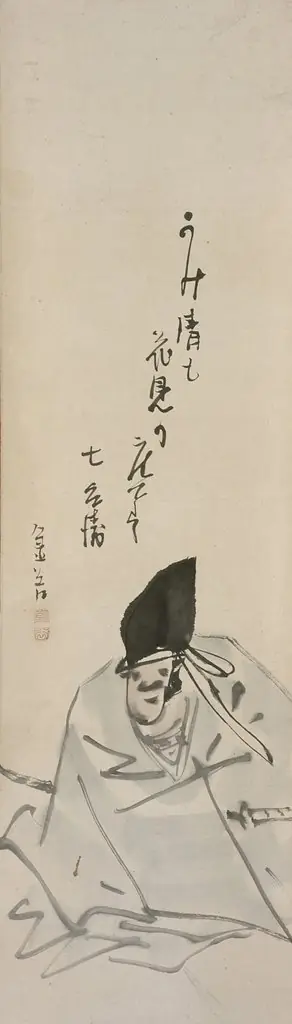 Warrior Kagekiyo
 本阿弥光悦書・俵屋宗達下絵 小倉百人一首和歌巻断簡|Two Poems from One Hundred Poems by One Hundred Poets
 瑞巖龍惺・竹香全悟・九淵龍賝・南江宗沅・ 翺之慧鳳賛 東坡笠屐図|Su Shi (Dongpo) in a Bamboo Hat and Clogs
 Eggplants