Artwork
Wild Bridge, Poet's Walk
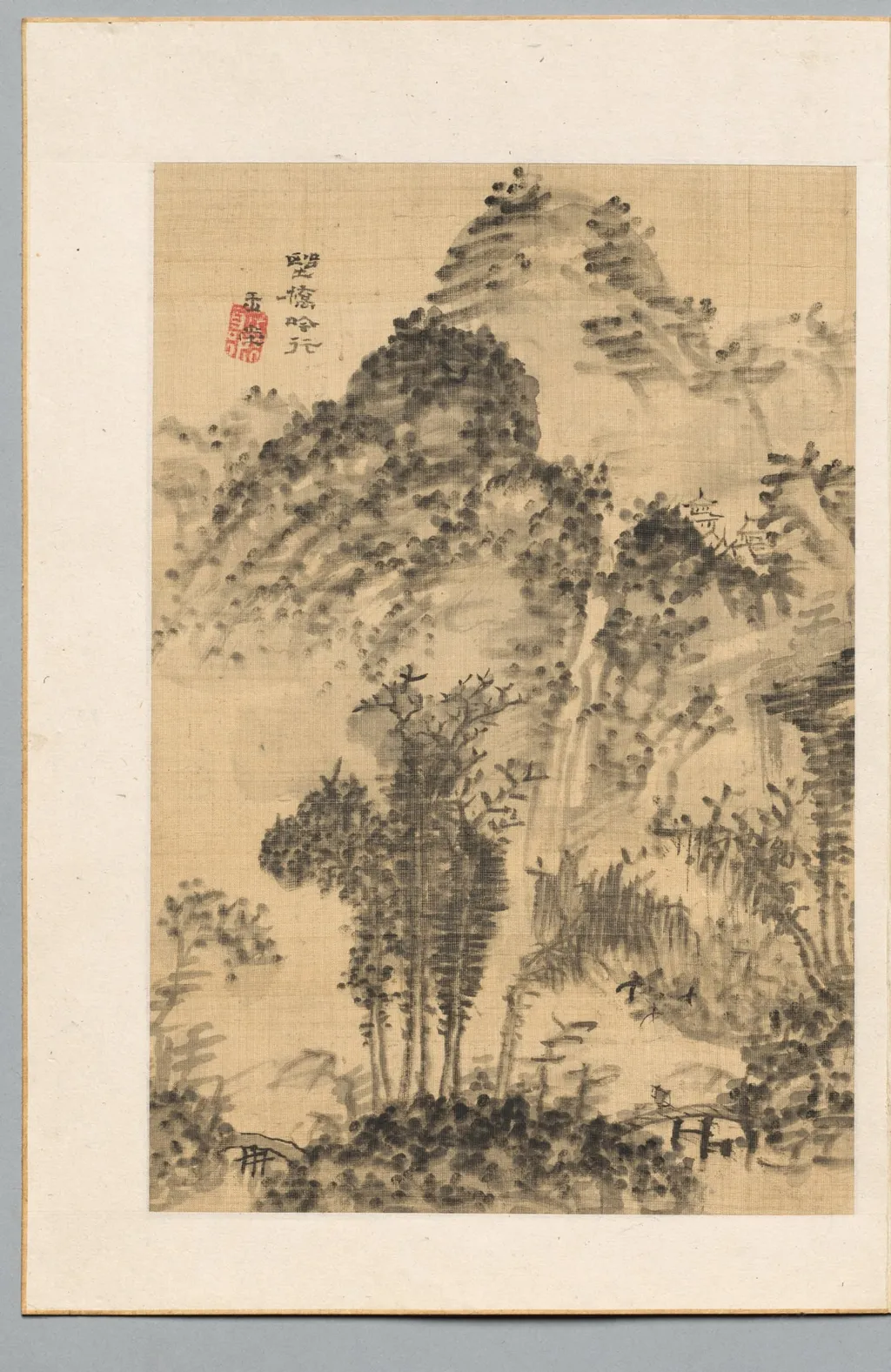
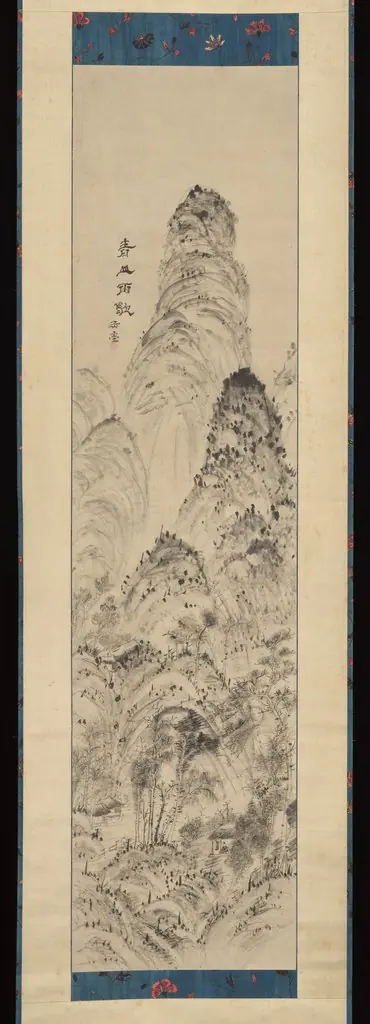
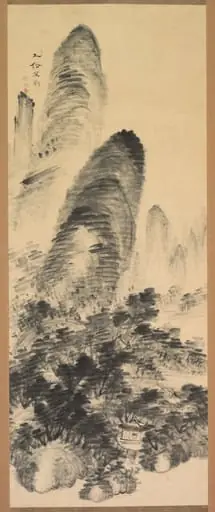
Wild Bridge, Poet's Walk is a work on paper by the Romanticist artist Uragami Gyokudō. It dates from 1792 and is held in the collection of the Cleveland Museum of Art.
About this work
Overview
Uragami Gyokudō, active in late 18th-century Japan, was primarily recognized during his lifetime as a performer of the qin, a Chinese seven-string zither.
Uragami Gyokudō, active in late 18th-century Japan, was primarily recognized during his lifetime as a performer of the qin, a Chinese seven-string zither. His painting *Wild Bridge, Poet’s Walk*, completed in 1792, belongs to a portfolio of ink works that gained broader recognition only after his death. Though trained in scholarly traditions, his visual style diverged from conventional refinement, favoring spontaneity and rhythmic abstraction.
Subject & Meaning
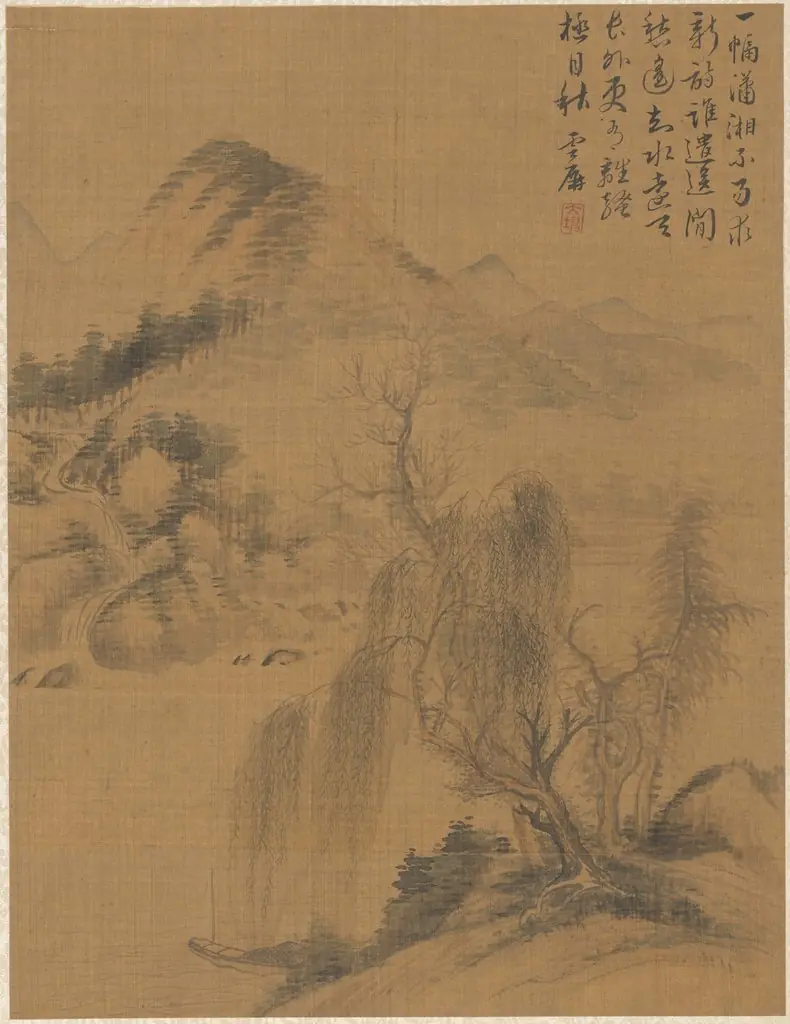
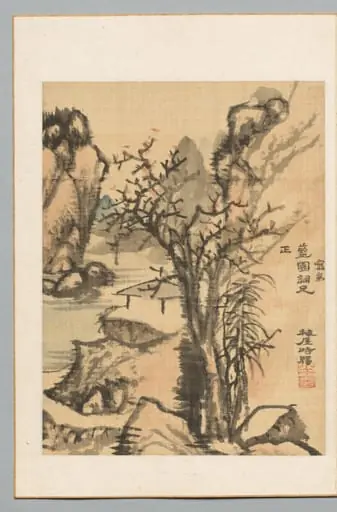
The scene portrays a narrow path winding through a mist-shrouded valley, leading toward a slender bridge that vanishes into atmospheric haze. Bare trees, rendered with minimal strokes, frame the route, suggesting solitude and transience. The composition evokes a contemplative journey, aligning with poetic ideals of nature as a space for quiet reflection, rather than a literal depiction of place.
Technique & Style
Gyokudō employed rapid, economical brushwork, using diluted ink washes and bold, irregular strokes to suggest form without detail. The pale, uneven background enhances the sense of mist, while dark, fluid lines define trees and bridge. A small red seal near the upper edge serves as his only signature, consistent with his preference for understated authorship. His technique echoes the cadence of his musical performances.
History & Provenance
Created in 1792, the work was part of a private portfolio, likely circulated among intellectual circles in Kyoto. It remained largely unknown outside these circles during Gyokudō’s life. Posthumous interest emerged in the 19th century as collectors began valuing his unorthodox style, distinguishing him from more formal ink painters of the Edo period.
Context
Gyokudō operated at the intersection of literati traditions and personal expression, rejecting the polished aesthetics favored by official academies. His work reflects the influence of Chinese Southern Song ink painting, filtered through a distinctly Japanese sensibility for impermanence and restraint. Unlike contemporaries who emphasized technical precision, he prioritized emotional resonance and rhythmic flow.
Legacy
Though not widely celebrated in his time, Gyokudō’s approach influenced later generations of artists seeking alternatives to academic norms. His fusion of musical rhythm with visual form contributed to a broader reevaluation of ink painting as an expressive, rather than merely representational, medium. His works are now studied for their quiet innovation within Edo-period art.
Artist & collection
Artist
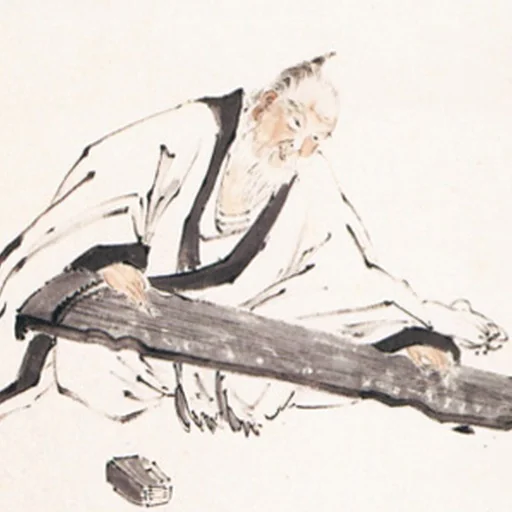
Uragami Gyokudō or Urakami Gyokudō (浦上玉堂 1745 - October 10, 1820) was a Japanese musician, painter, poet and calligrapher.

 Colors and Sound of Autumn
 Landscape
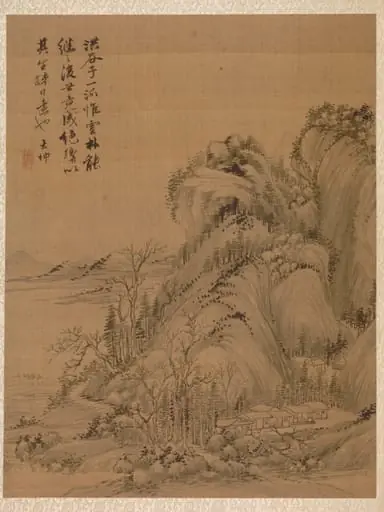 Landscape in the Style of Ching Hao
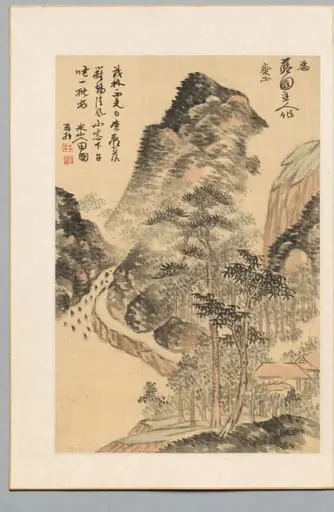 Short Nap on a Long Summer Day
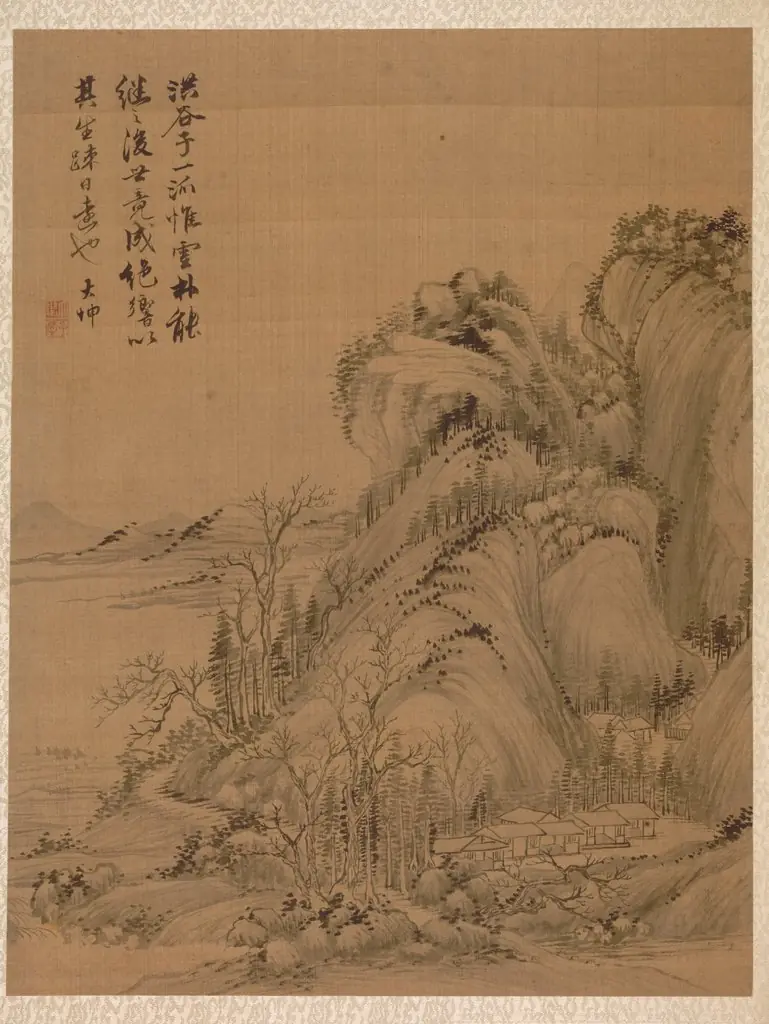 Landscape in the Style of Ching Hao
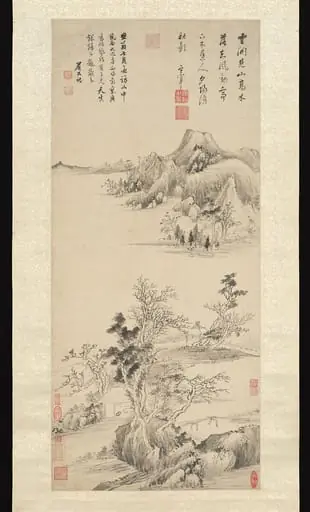 明 董其昌 秋山圖 軸|Autumn Mountains
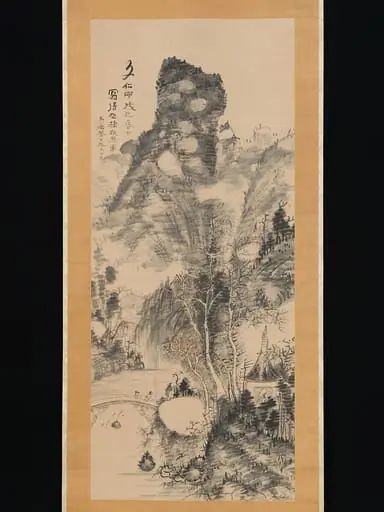 Untitled
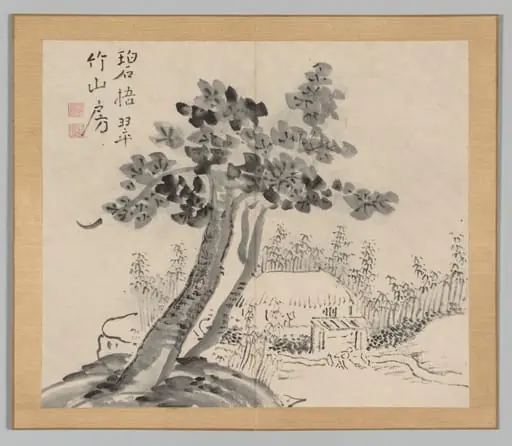 Reverberations of Taiga, Volume 2 (leaf 32)
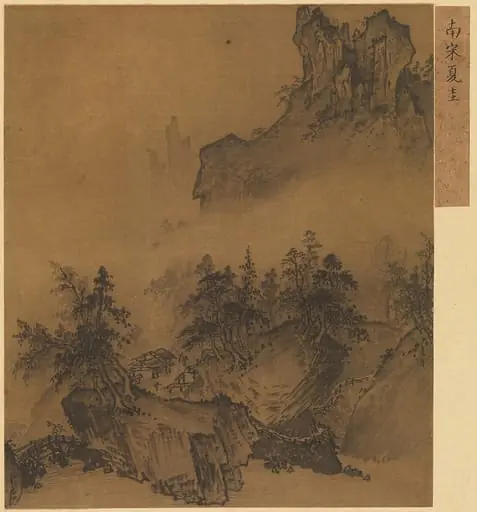 南宋 夏珪 山市晴嵐圖 冊頁|Mountain Market, Clearing Mist
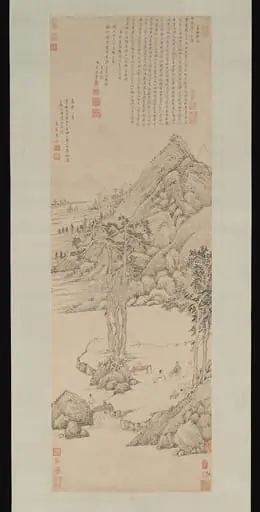 明 文嘉 為項元汴作山水圖 軸|Landscape dedicated to Xiang Yuanbian
 Landscape
 Landscape