Artwork
Landscape
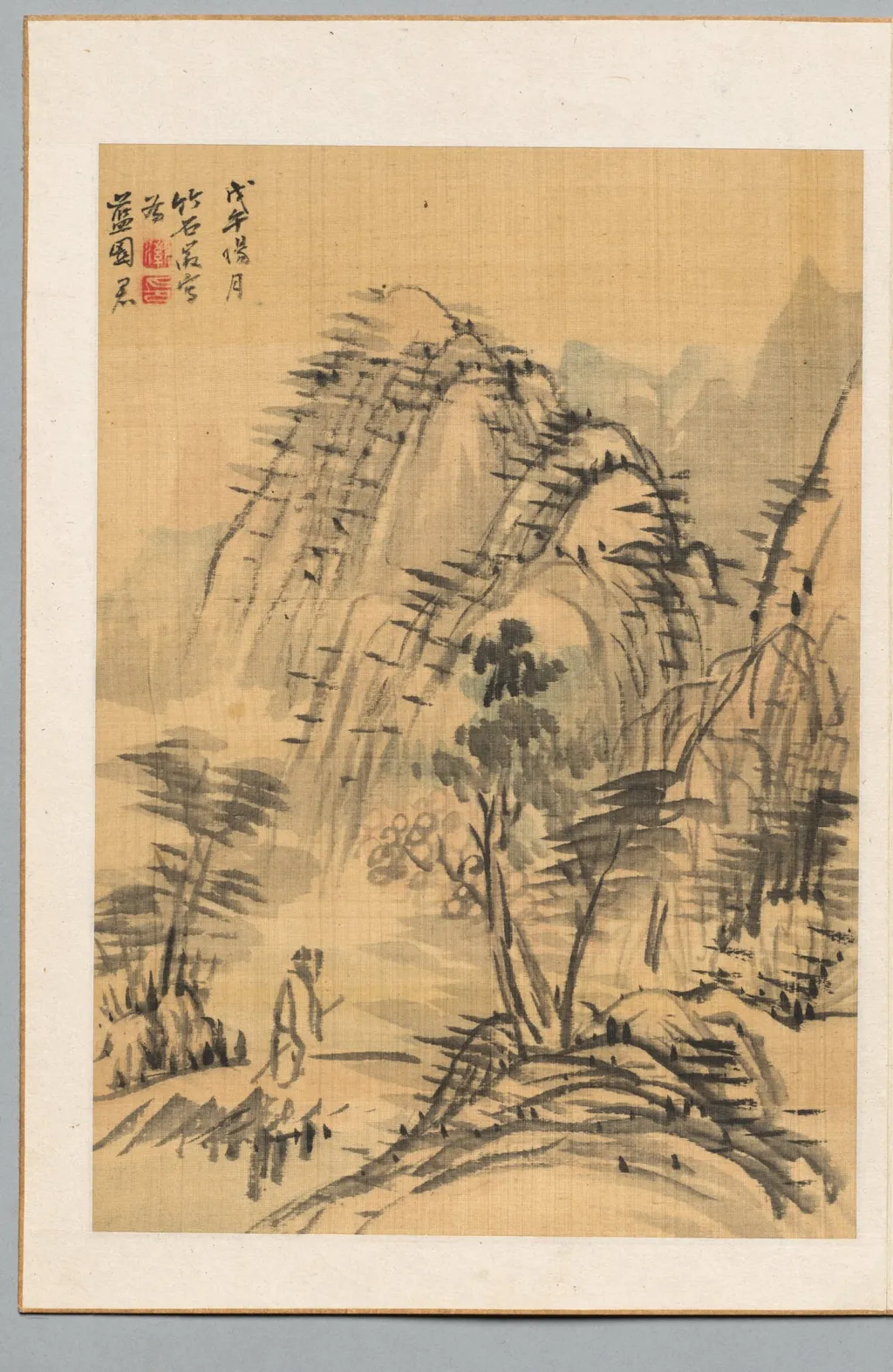
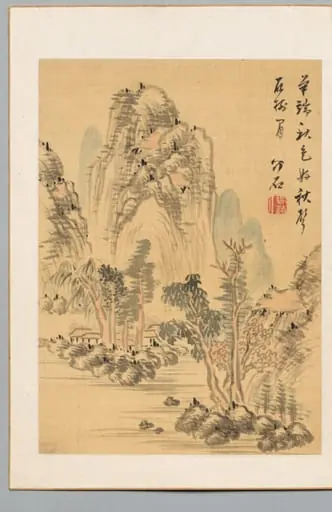
Landscape is a work on paper by the Romanticist artist Nagamachi Chikuseki. It dates from 1798 and is held in the collection of the Cleveland Museum of Art.
About this work
Overview
Created in 1798 by Nagamachi Chikuseki, this ink landscape is part of a portfolio of works reflecting the literati tradition in Edo-period Japan. Executed in monochrome ink on paper, it captures a solitary traveler navigating a rugged terrain. The composition emphasizes atmosphere over detail, using minimal strokes to evoke the vastness and quiet solitude of the natural world.
Subject & Meaning
The lone figure, burdened by a bundle, moves along a winding path beneath towering cliffs. This imagery aligns with classical East Asian themes of pilgrimage and retreat, suggesting a journey not just physical but introspective. The sparse vegetation and austere landscape imply detachment from worldly concerns, inviting contemplation rather than narrative.
Technique & Style
Chikuseki employed rapid, expressive brushwork to convey texture and motion, avoiding precise outlines. Ink is applied in varying densities—light washes for distance, darker layers for rock faces—creating depth through tonal contrast rather than detail. Sparse splashes suggest foliage and clouds, leaving much to the viewer’s imagination in the manner of Southern Song ink painting.
History & Provenance
The work entered The Cleveland Museum of Art’s collection as part of a larger portfolio of Chikuseki’s ink landscapes. Its provenance traces back to Japanese collectors who valued literati art for its scholarly aesthetic. The piece remained in private hands until its acquisition by the museum, where it is preserved as an example of late 18th-century Japanese ink painting.
Context
Chikuseki worked during a period when Japanese artists increasingly drew from Chinese literati ideals, valuing spontaneity and personal expression over technical polish. This landscape reflects the influence of Chinese masters like Ni Zan, adapted through a distinctly Japanese sensibility. Such works were often created for intimate gatherings, meant to be viewed slowly and meditatively.
Legacy
Chikuseki’s approach influenced later generations of Japanese ink painters who sought to balance restraint with emotional resonance. While not widely known outside specialist circles, his works remain important for understanding the evolution of literati aesthetics in Edo Japan. This piece exemplifies how minimal means could convey profound stillness and natural harmony.
Own this work as a print
Artist & collection

 Wild Bridge, Poet's Walk
 Short Nap on a Long Summer Day
 Landscape in the Style of Ching Hao
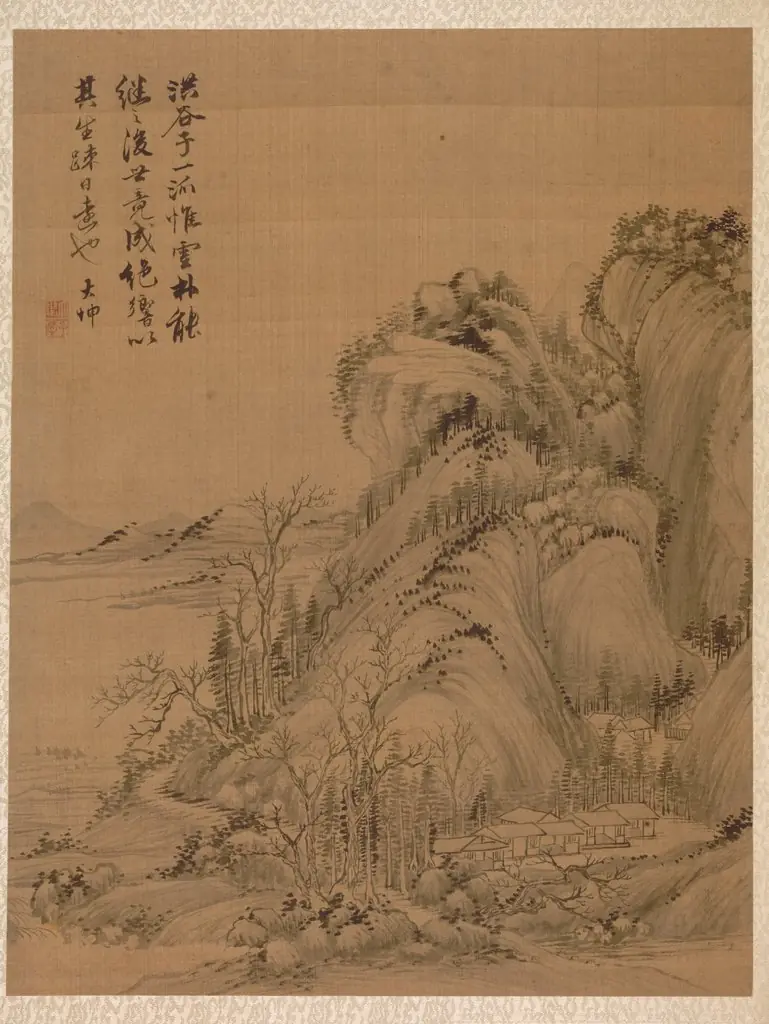 Landscape in the Style of Ching Hao
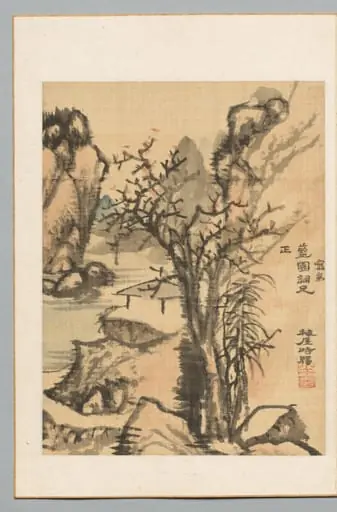 Landscape
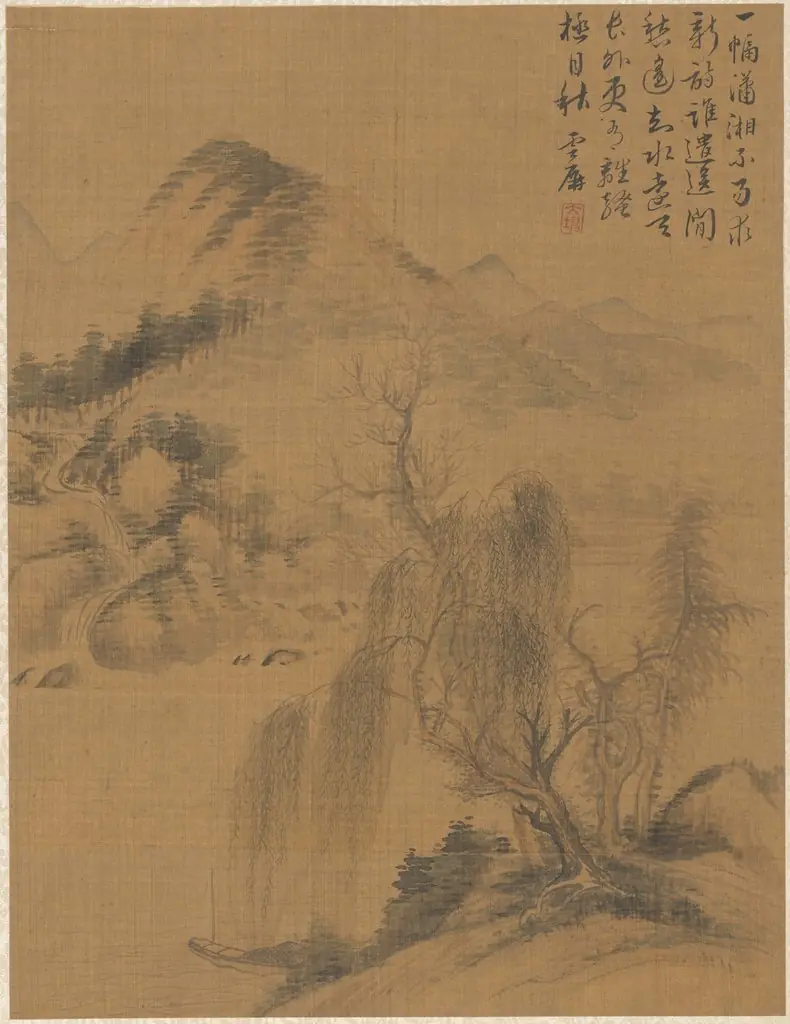 Landscape
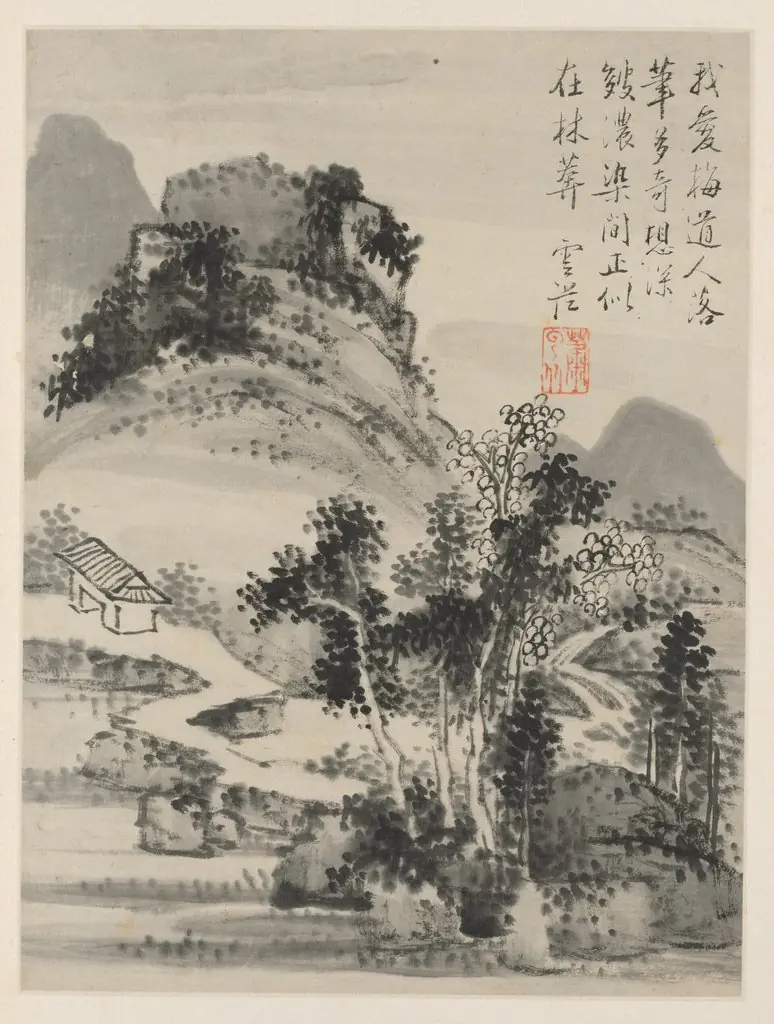 Album of Seasonal Landscapes, Leaf D (previous leaf 2)
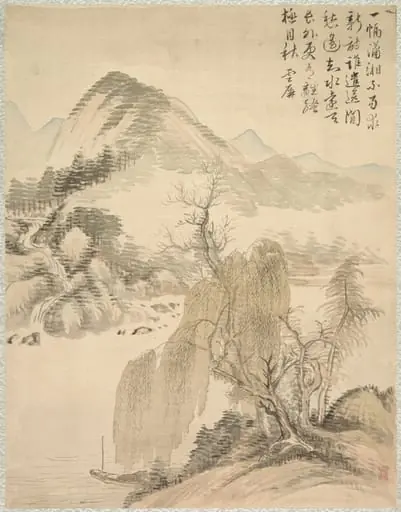 Willow and Waterfall
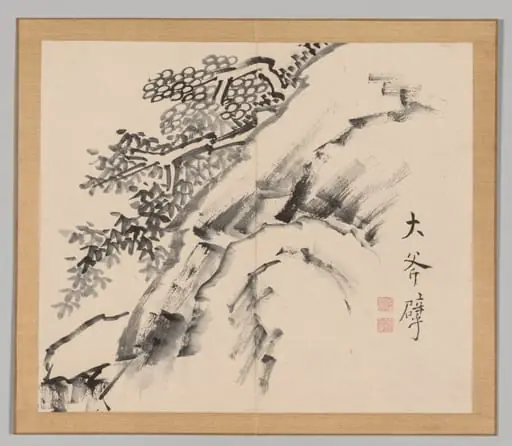 Reverberations of Taiga, Volume 1 (leaf 9)
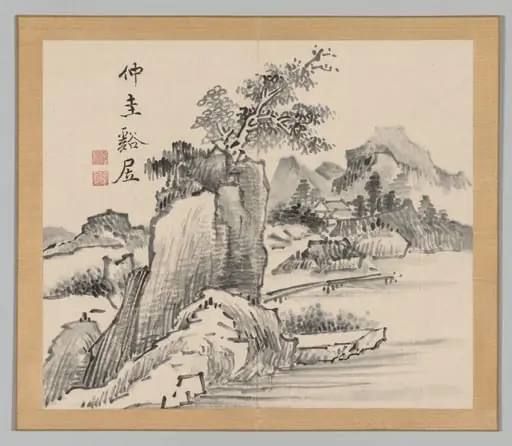 Reverberations of Taiga, Volume 2 (leaf 14)
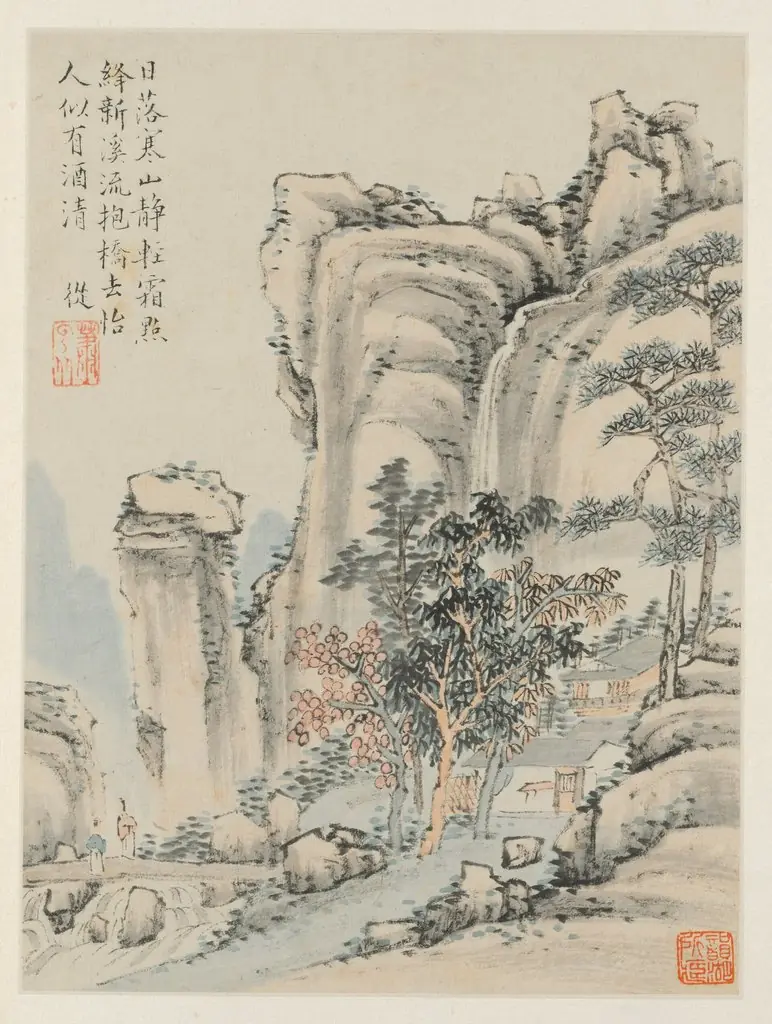 Album of Seasonal Landscapes, Leaf E (previous leaf 3)
 Colors and Sound of Autumn