Artwork
Susannenlegende
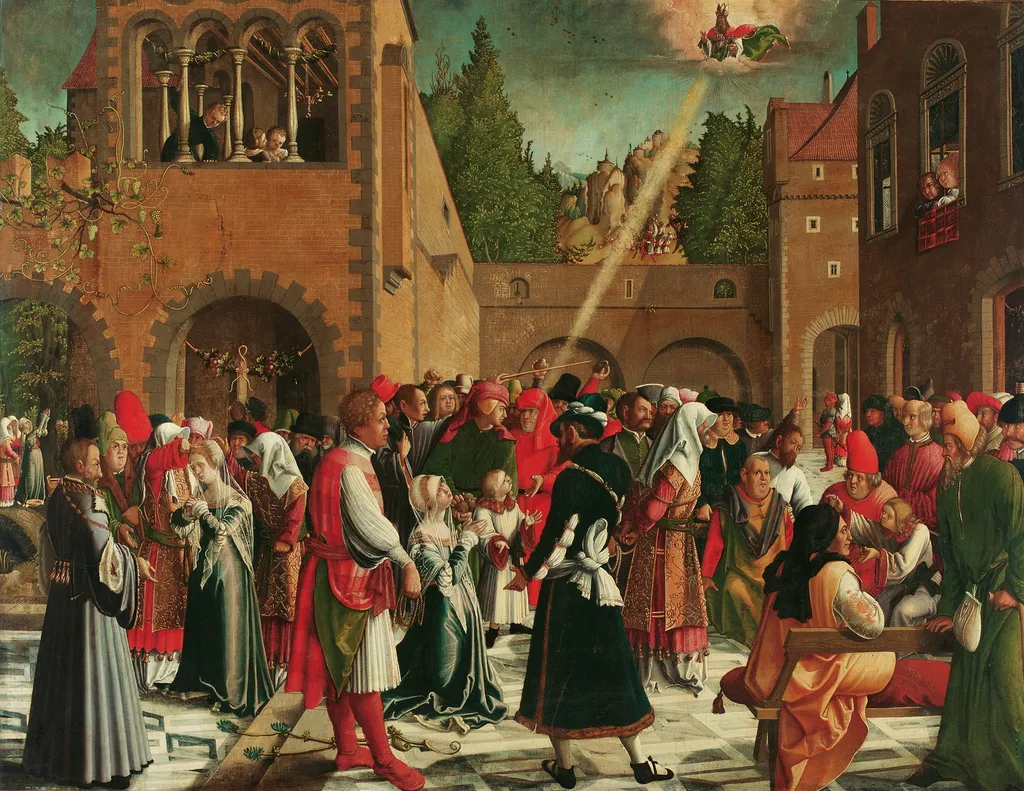
Susannenlegende is an unspecified painting by the Northern Renaissance artist Urban Goertschacher. It dates from 1520 and is held in the collection of the Kunsthistorisches Museum.
About this work
Overview
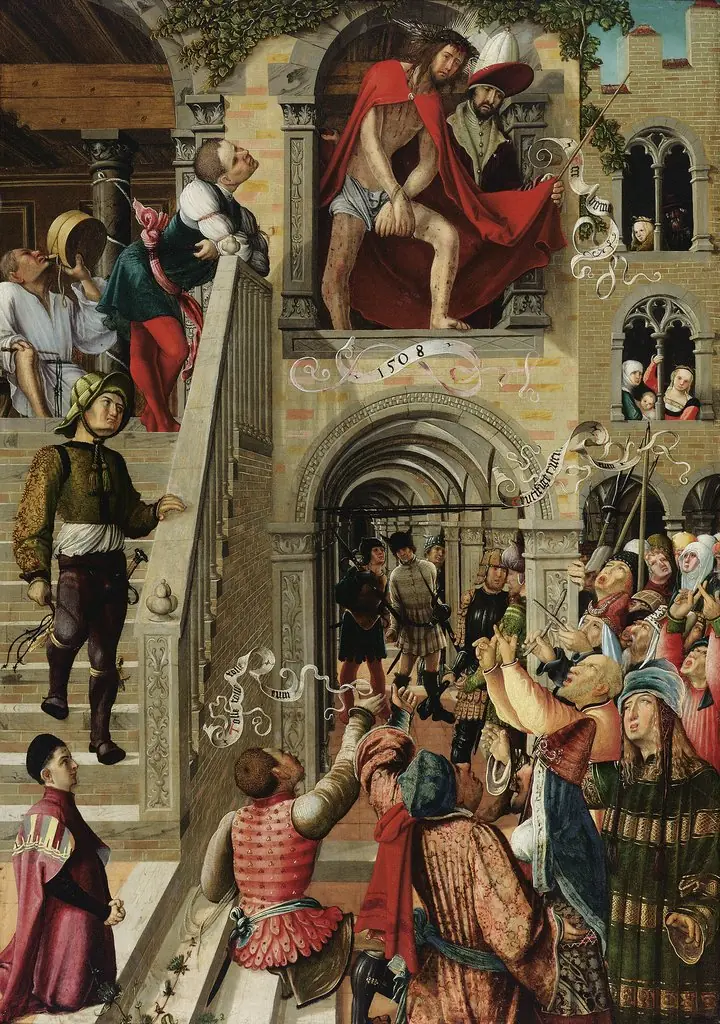
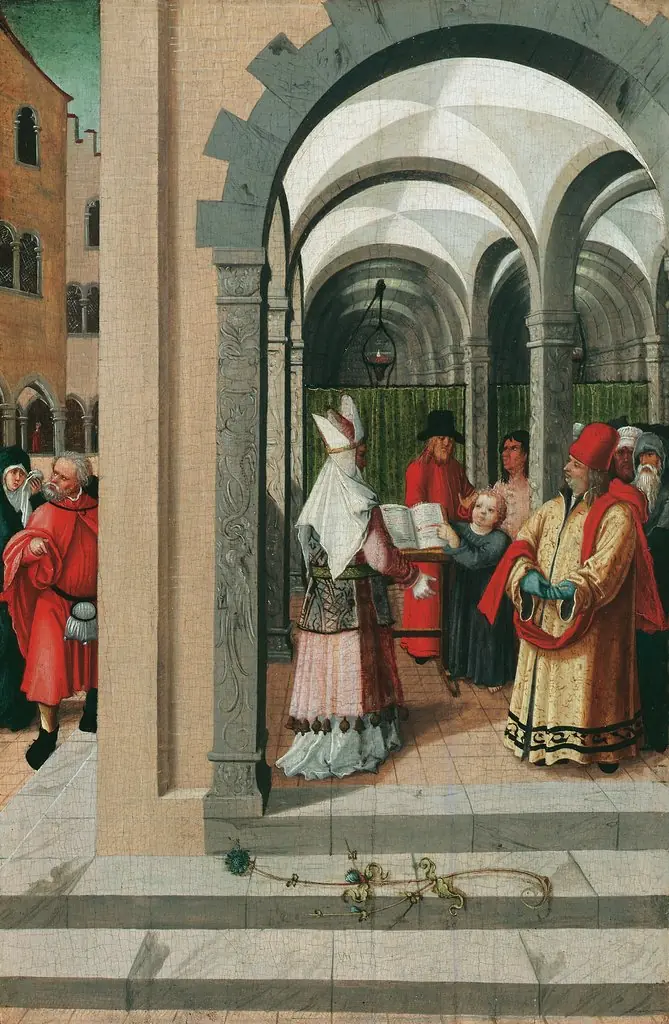
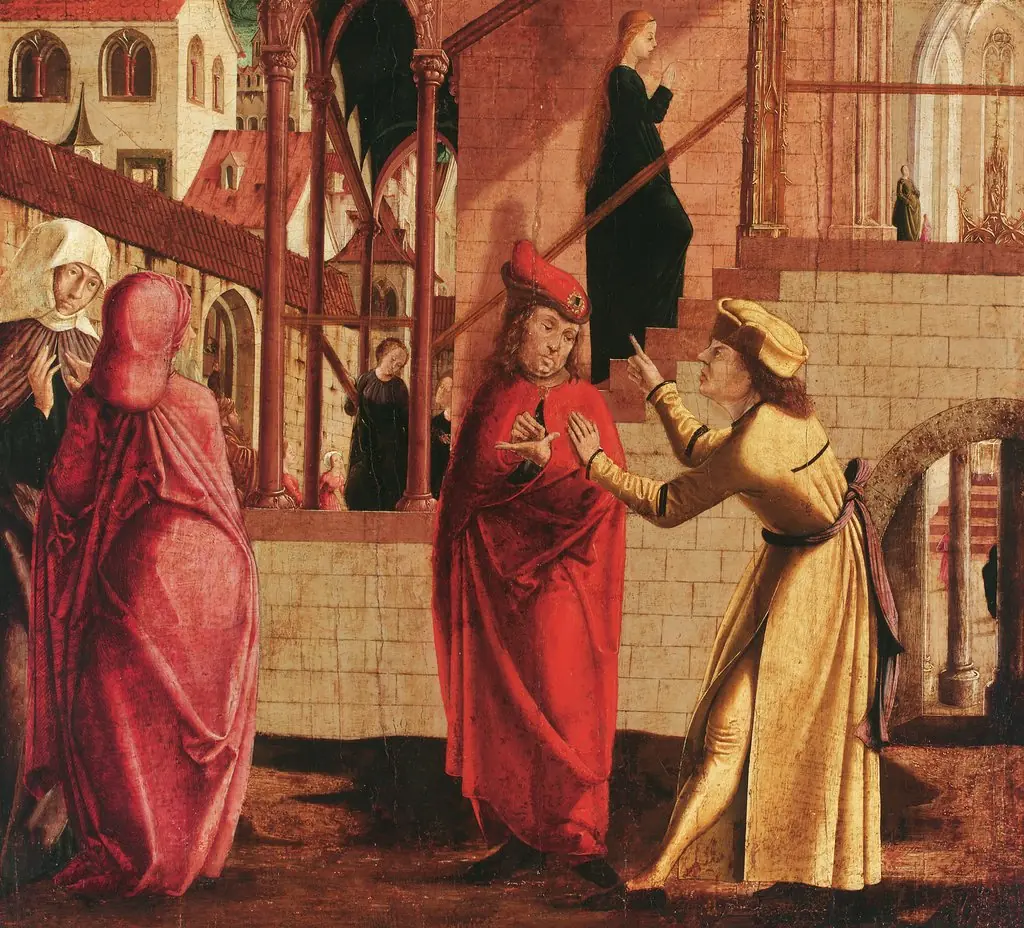
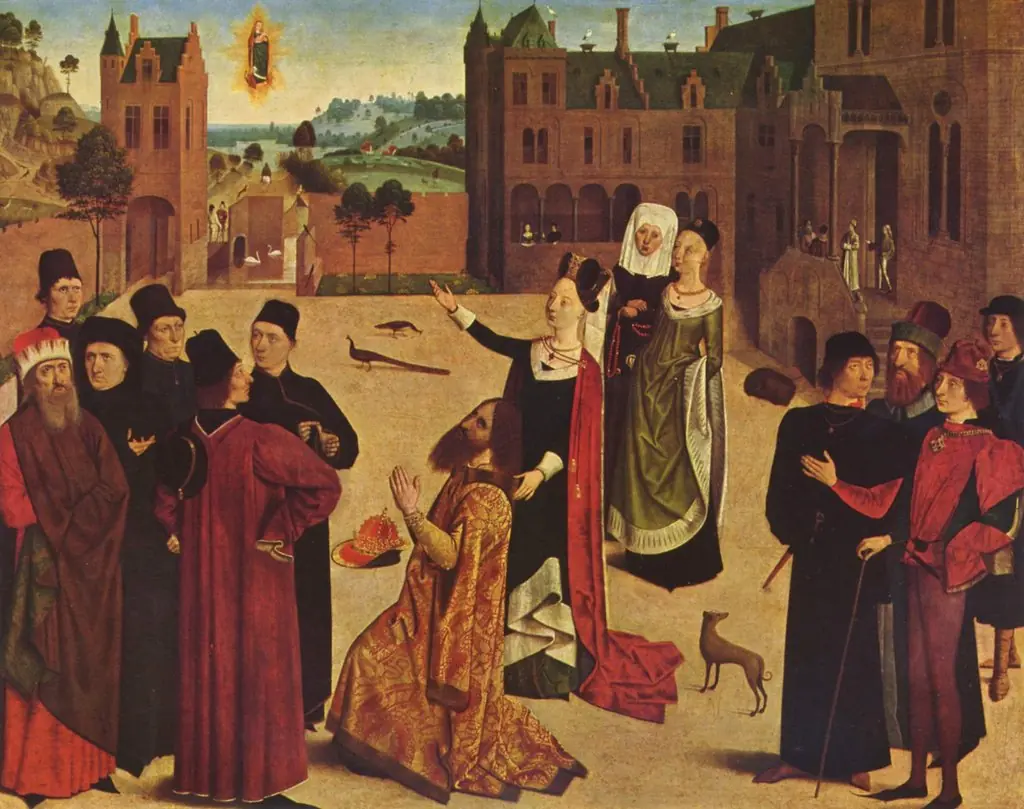
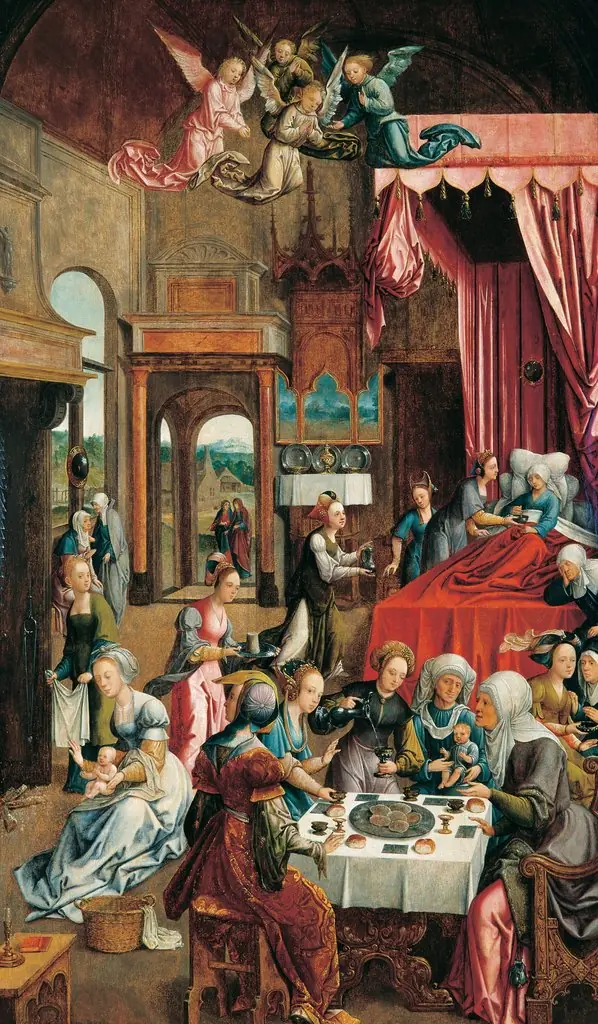
Painted in 1520 by Urban Goertschacher, this work depicts a scene from the legend of Saint Susanna, a Christian martyr.
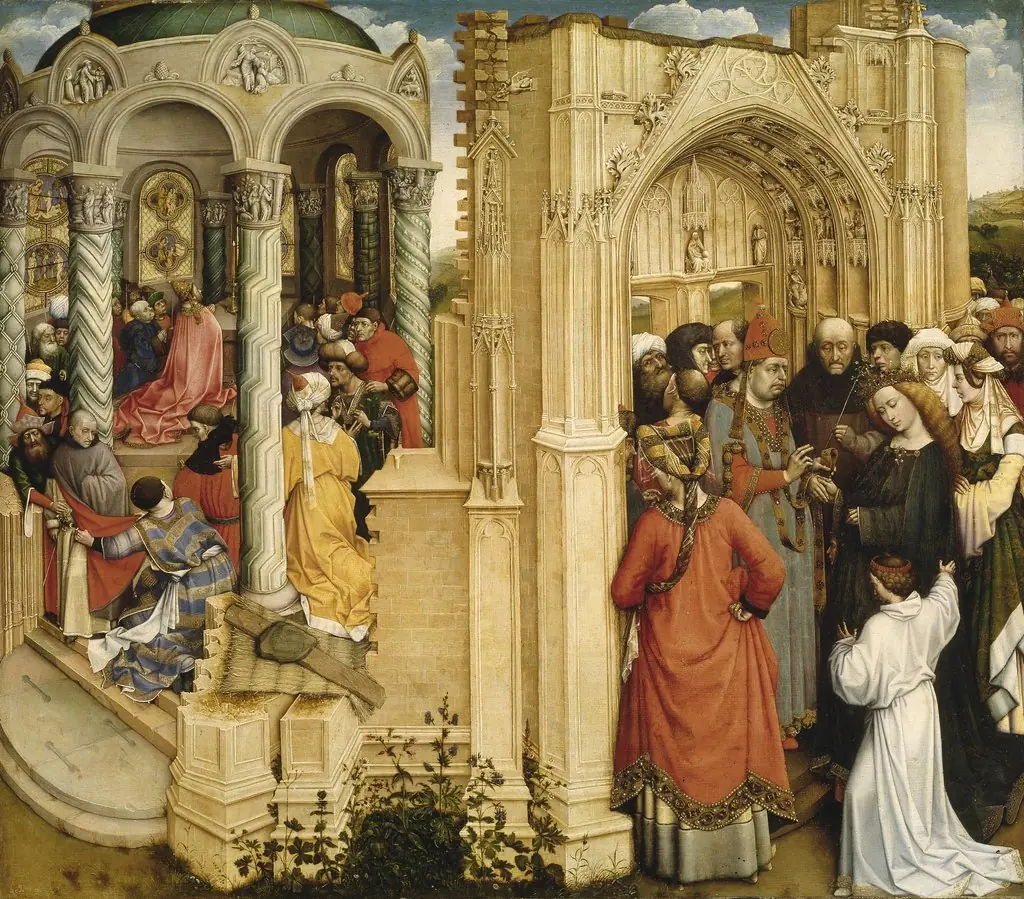
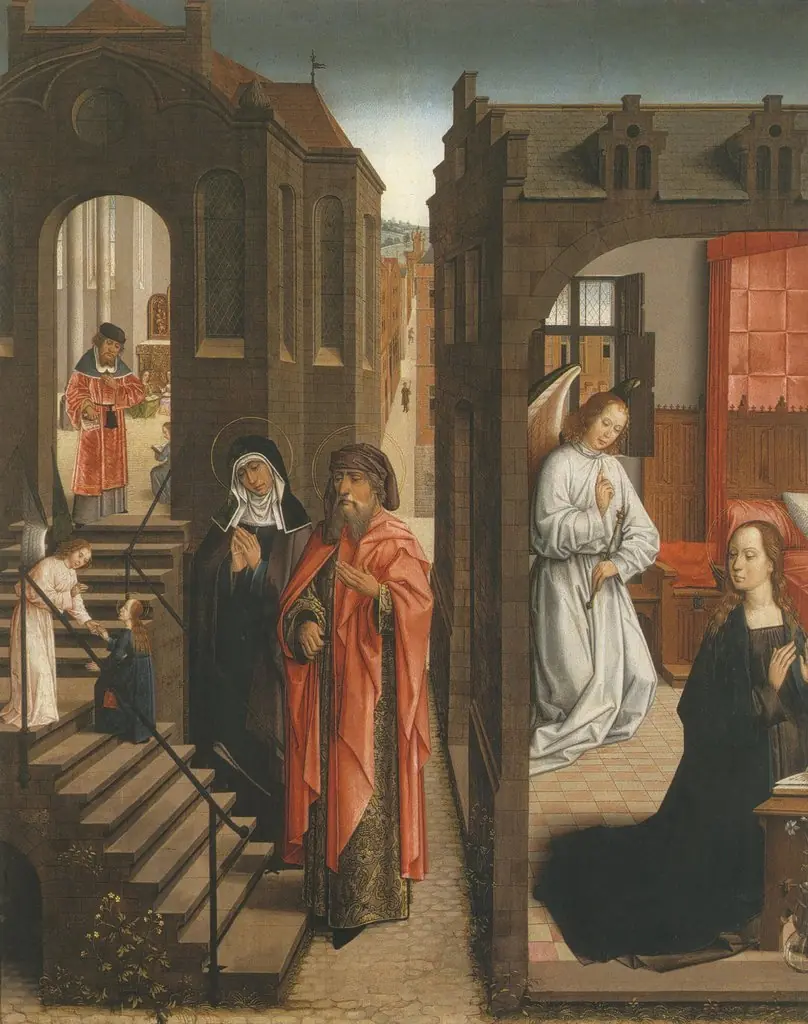
Painted in 1520 by Urban Goertschacher, this work depicts a scene from the legend of Saint Susanna, a Christian martyr. Executed in tempera or oil on panel, it is part of the collection at the Kunsthistorisches Museum in Vienna. The composition captures a moment of communal gathering, blending religious narrative with vivid secular detail, characteristic of early 16th-century Central European devotional art.
Subject & Meaning
The painting illustrates the trial or public confrontation of Saint Susanna, who defied Roman authorities by refusing to marry a pagan nobleman. Figures in the scene represent witnesses, officials, and onlookers, their varied postures suggesting tension and moral division. The man with the staff likely symbolizes judicial authority, while the rearing horse may allude to chaos or divine intervention, reinforcing the narrative’s spiritual stakes.
Technique & Style
Goertschacher employs precise brushwork to render intricate textiles, facial expressions, and architectural elements. Bright hues—crimson, emerald, ivory—are used deliberately to distinguish social roles and draw the eye through the crowded composition. The spatial arrangement is shallow but layered, with a distant tower and arched structure providing depth. The style reflects a Northern European tradition of detailed narrative painting, prioritizing clarity over idealized form.
History & Provenance
The painting entered the Kunsthistorisches Museum’s collection in the 19th century, likely from a Habsburg ecclesiastical or noble holding. Its survival through the Reformation suggests it was valued for its artistic merit as much as its religious content. No earlier records of its commission or original location are known, but its quality indicates it was made for a wealthy patron or religious institution in the Austrian region.
Context
Created during a period of religious upheaval, the painting reflects the enduring appeal of hagiographic subjects in Catholic territories. While Protestant regions moved away from such imagery, Austrian and southern German workshops continued producing devotional scenes with rich detail. Goertschacher’s work aligns with regional trends that fused sacred stories with contemporary dress and urban settings, making the divine feel immediate and tangible.
Legacy
Though not widely known outside specialist circles, the painting remains a significant example of early 16th-century Austrian panel painting. It contributes to understanding how local artists interpreted saintly legends with psychological nuance and social realism. Its preservation in Vienna underscores its role in the continuity of Central European visual culture during the transition from medieval to early modern artistic practices.
Own this work as a print
Artist & collection