Artwork
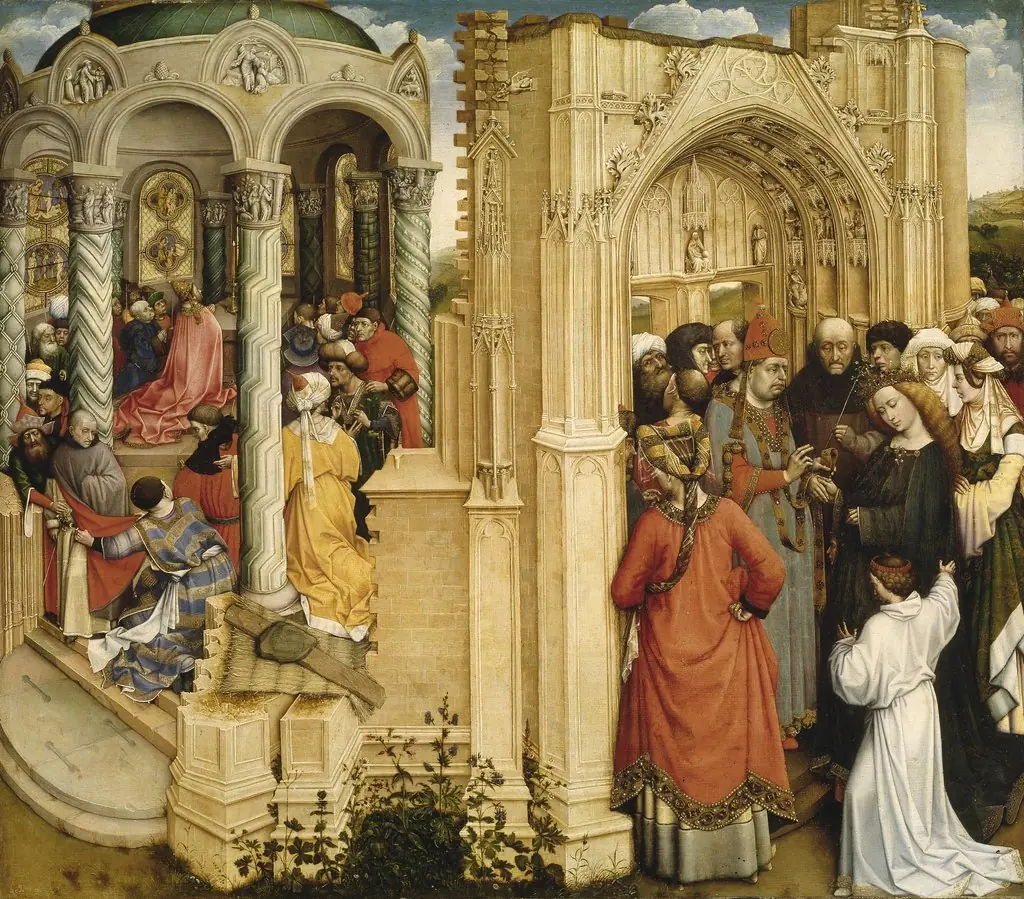
The miracle of the flowering rod (left); the marriage of Mary and Joseph (right)
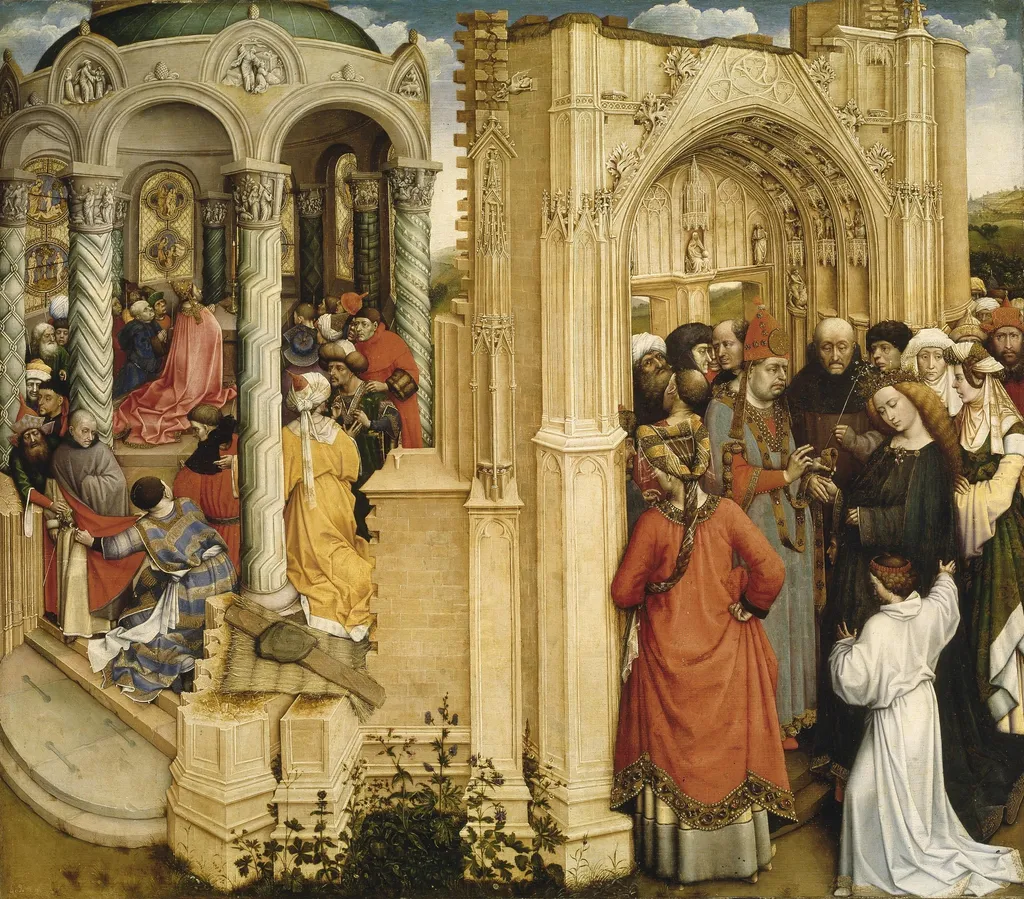
The miracle of the flowering rod (left); the marriage of Mary and Joseph (right) is an oil painting by the Northern Renaissance artist Robert Campin. It dates from 1430 and is held in the collection of the Museo del Prado.
About this work
Overview
Created circa 1430 by Robert Campin, this diptych combines two distinct biblical narratives in oil on panel. The left image illustrates the Miracle of the Flowering Rod, while the right portrays the marriage of Mary and Joseph. Executed in Campin’s workshop in Tournai, the work now belongs to the collection of the Museo del Prado in Madrid.
Subject & Meaning
The left panel visualises the apocryphal miracle in which a barren staff suddenly blossoms, symbolising divine intervention and fertility. The right panel presents the canonical wedding of the Virgin Mary and Joseph, emphasizing the sanctity of marital union and the forthcoming incarnation. Both scenes are populated with richly dressed figures, underscoring the sacredness of the events.
Technique & Style
Campin employs the early Netherlandish oil technique, achieving luminous skin tones and intricate textures through layered glazes. Architectural elements are rendered with precise linear perspective, while the detailed gold trim on garments demonstrates his skill in depicting materiality. The composition balances narrative clarity with a dense array of symbolic details.
History & Provenance
The diptych was likely produced for a private devotional setting in the early 15th‑century Low Countries. After passing through several European collections, it entered the Museo del Prado’s holdings in the 20th century, where it has been displayed as part of the museum’s early Netherlandish assemblage.
Context
Campin, a pivotal figure in the Northern Renaissance, worked contemporaneously with Jan van Eyck and helped establish oil painting as a dominant medium in the region. Operating from his workshop in Tournai, he trained a generation of artists who spread his innovations throughout the Low Countries, influencing the visual language of devotional art.
Own this work as a print
Artist & collection
Artist
Robert Campin (Valenciennes (France) c. 1375 - Tournai (Belgium) 26 April 1444) now usually identified with the Master of Flémalle (earlier the Master of the Merode Triptych, before the discovery of three other similar…

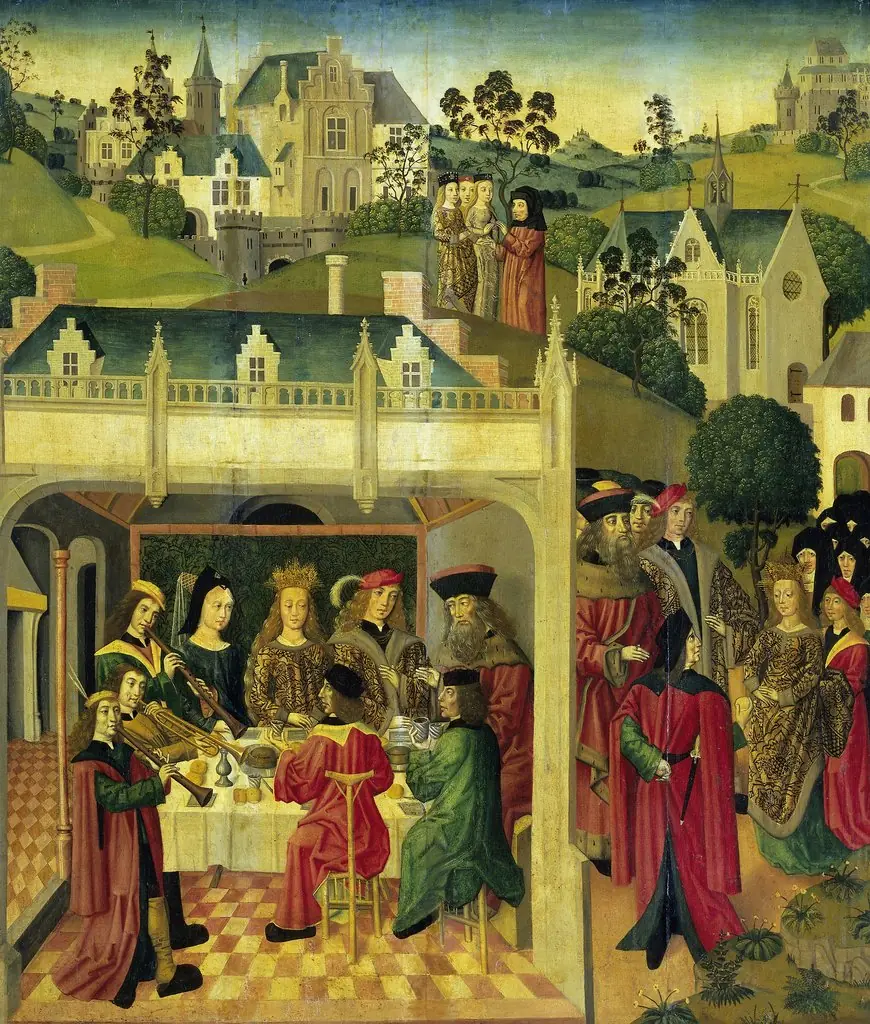 Inner left wing of an altarpiece with the wedding feast of St Elizabeth and Louis of Thuringia in the Wartburg
 Marriage of the Virgin
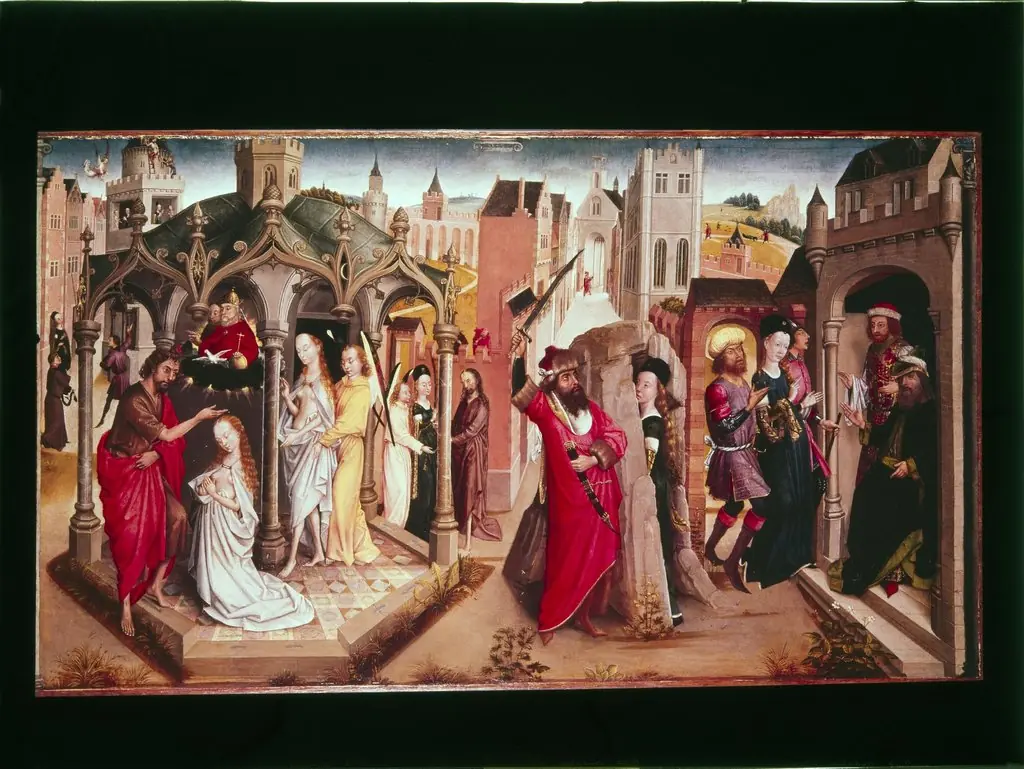 Part of a triptych; Scenes of the Life of St. Barbara
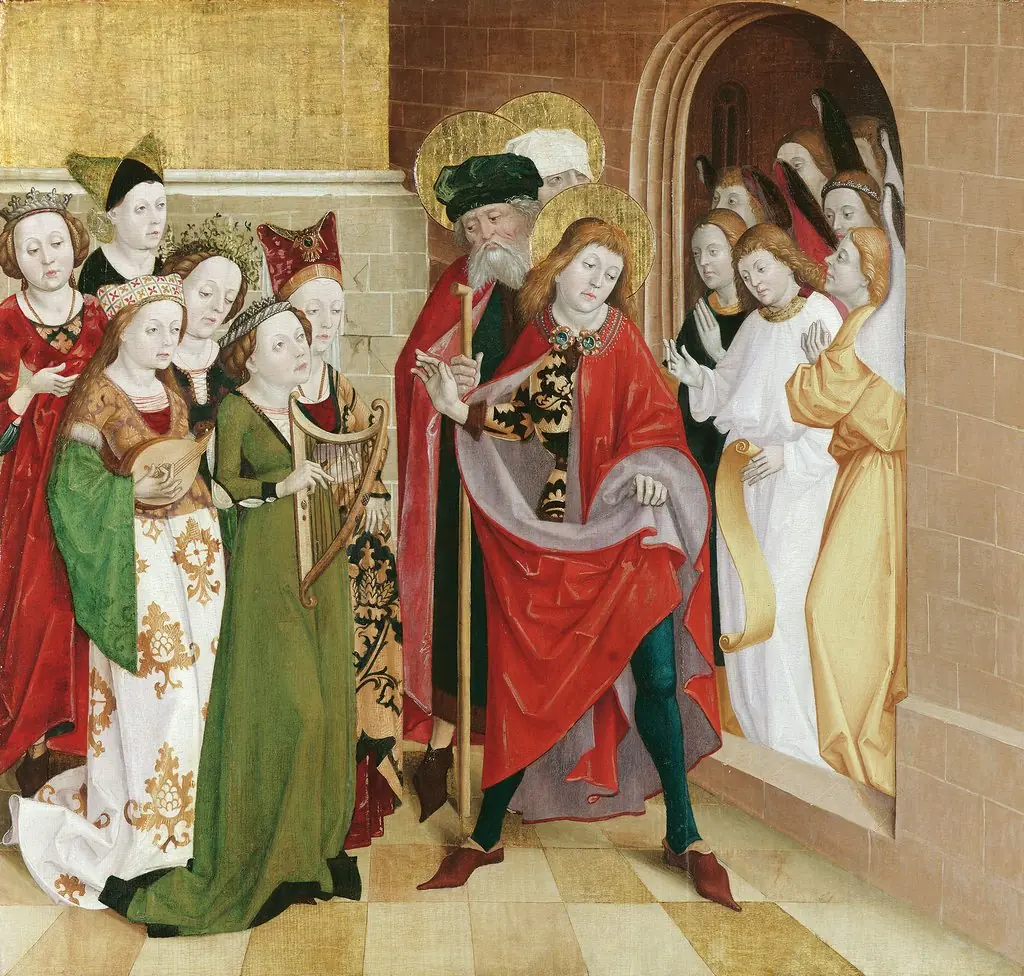 Der hl. Veit entsagt den Freuden der Welt
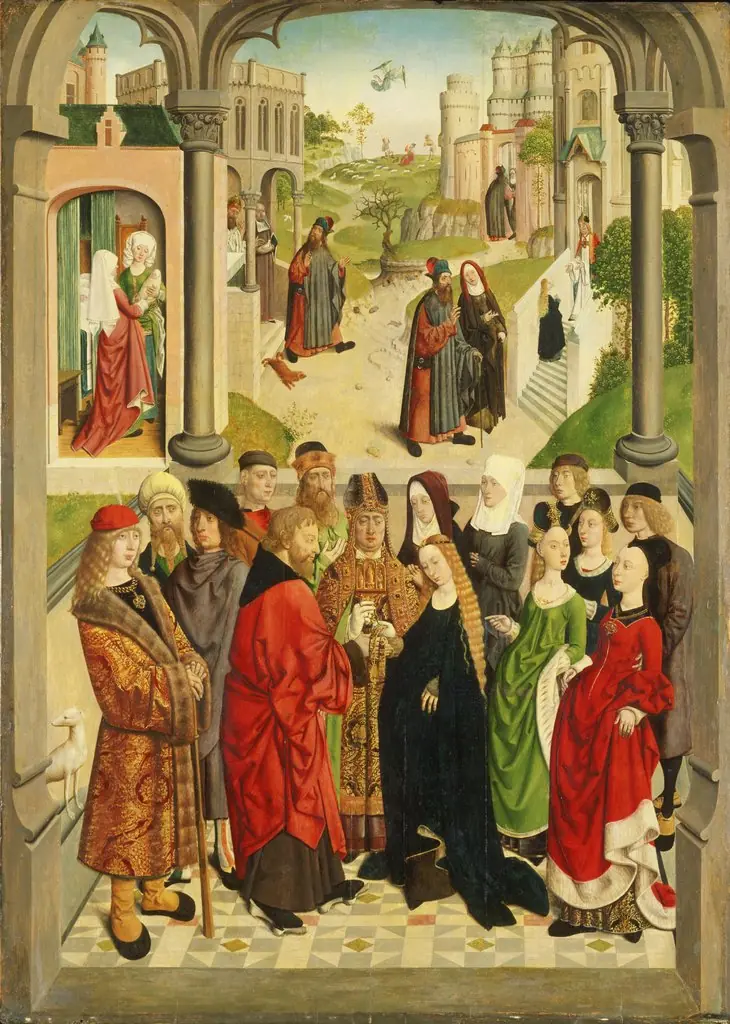 The Marriage of the Virgin, with the Expulsion of Saint Joachim from the Temple, the Angel Appearing to Saint Joachim, the Meeting at the Golden Gate, the Birth of the Virgin, and the Presentation of the Virgin
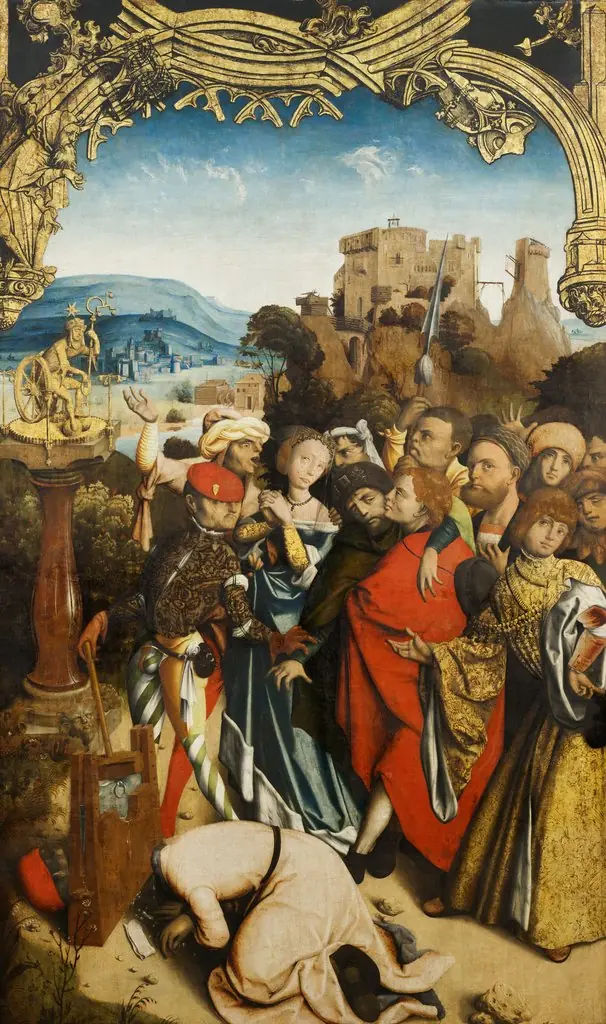 Martyrium der hll. Cantius, Cantianus und Cantianilla (Innenseite); Auferstehung Christi (Außenseite)
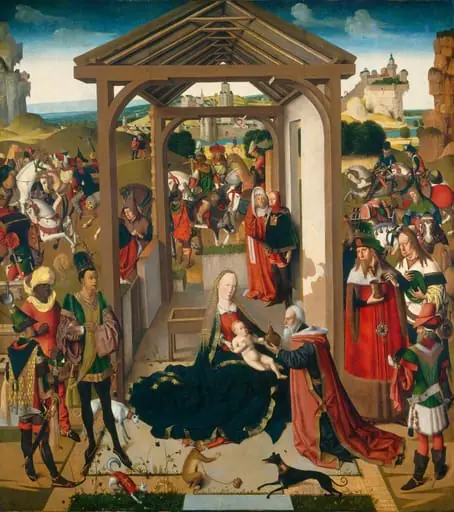 The Adoration of the Magi
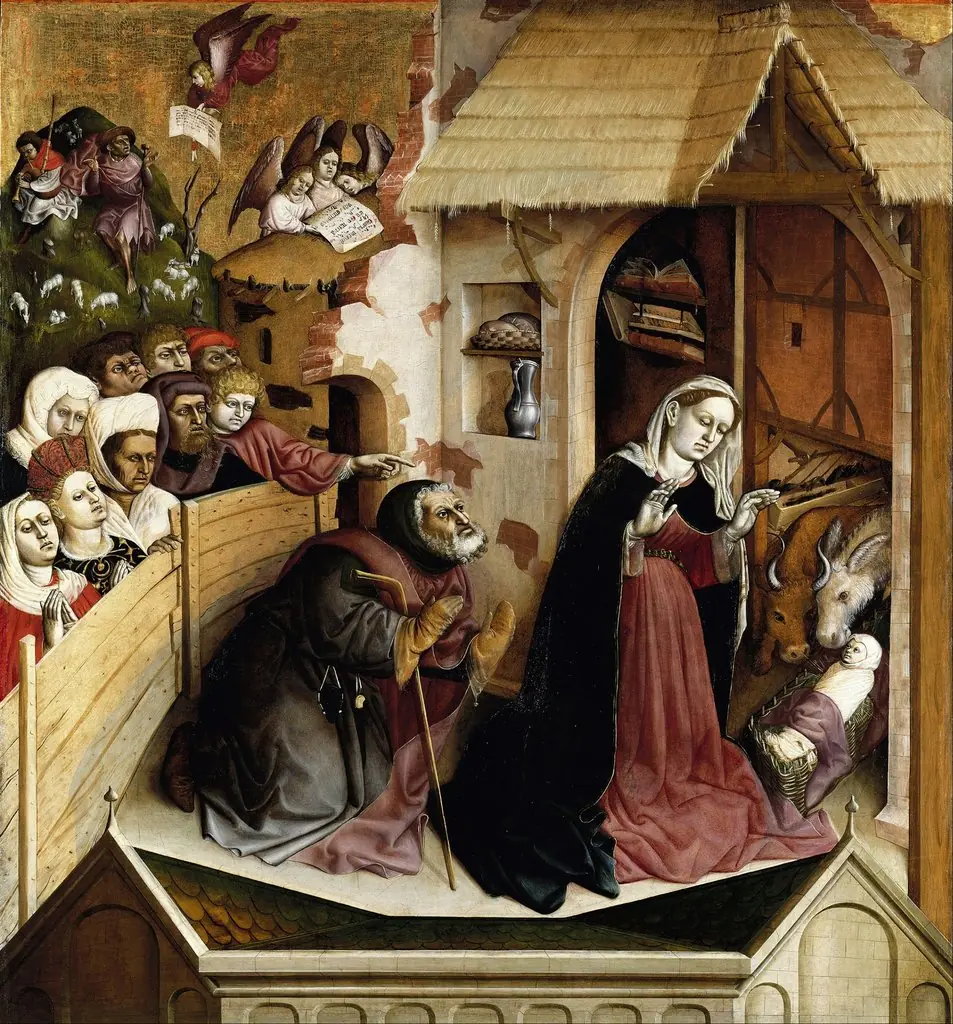 Birth of Christ (Wurzach altarpiece)
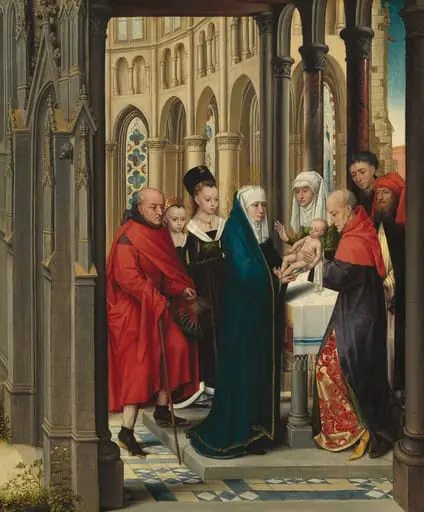 The Presentation in the Temple
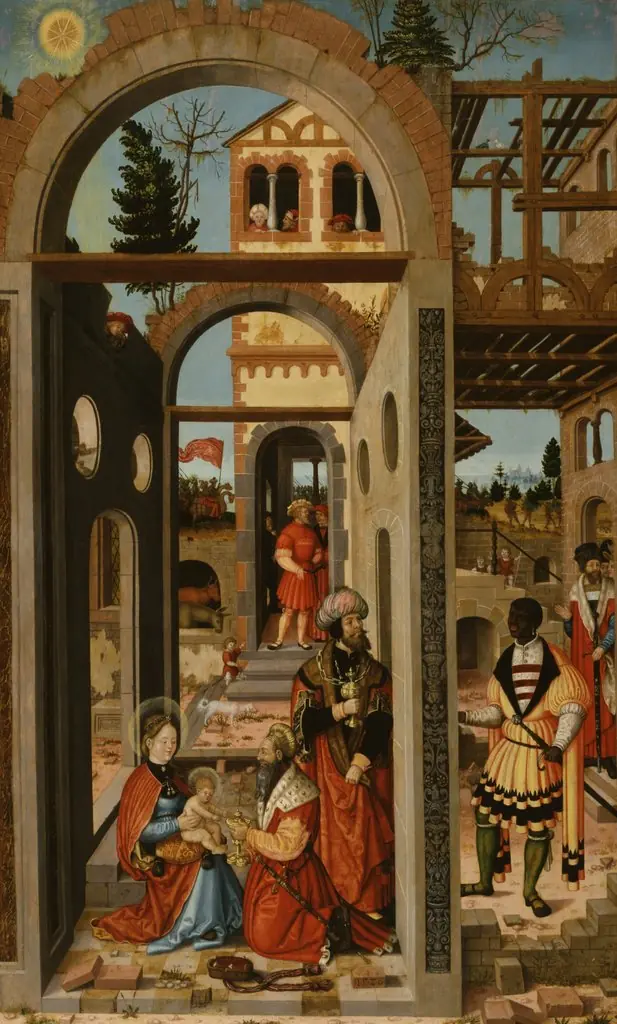 Adoration of the Three Kings
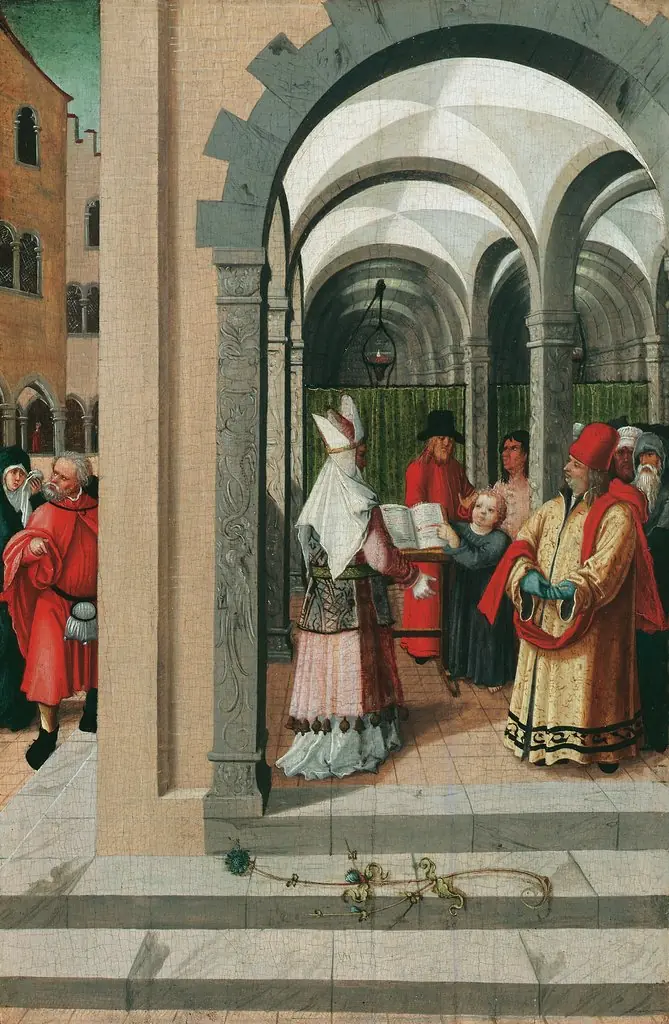 Der zwölfjährige Jesus im Tempel
 The Story of Joseph